Infill Development
Learn about infill development in Canadian real estate — what it is, its benefits, and how it supports sustainable urban growth.
July 29, 2025
What is Infill Development?
Infill development is the process of building new housing, commercial buildings, or amenities on vacant or underutilized land within existing urban areas.
Why Infill Development Matters in Real Estate
In Canadian urban planning, infill development supports smart growth by making efficient use of existing infrastructure and reducing urban sprawl.
Key benefits:
- Revitalizes older neighbourhoods
- Supports transit-oriented communities
- Reduces pressure on agricultural or natural lands
Understanding infill development helps municipalities, developers, and residents balance growth and community character.
Example of Infill Development in Action
The city encouraged infill development by offering incentives for building new townhouses on a former industrial site.
Key Takeaways
- Builds on vacant or underused urban land
- Promotes efficient infrastructure use
- Helps revitalize established areas
- Reduces urban sprawl
- Requires careful community consultation
Related Terms
- Urban Planning
- Zoning
- Density Bonus
- Mixed-Use Development
- Official Plan
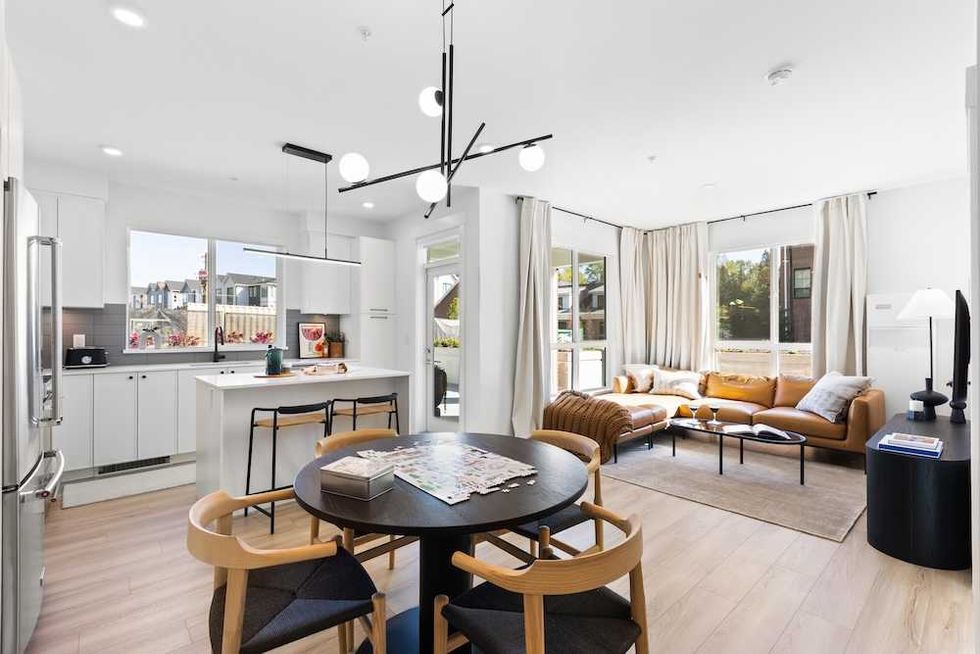 The Mason Suite Interior (Infinity Properties)
 The Mason Suite Interior (Infinity Properties)
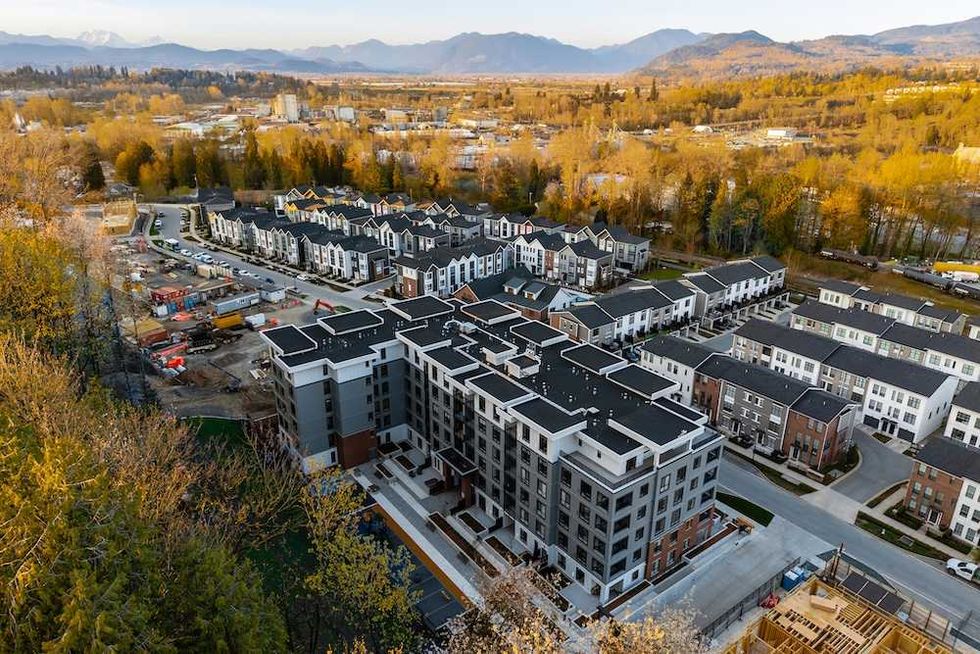 Rail District aerial (Infinity Properties)
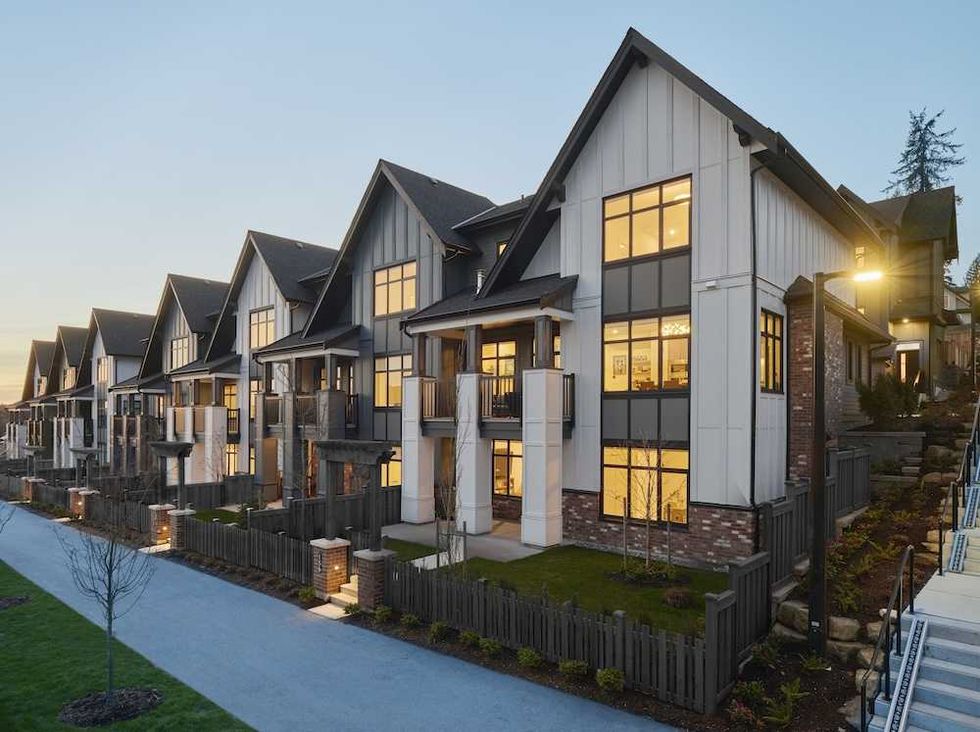 Versant (Infinity Properties)
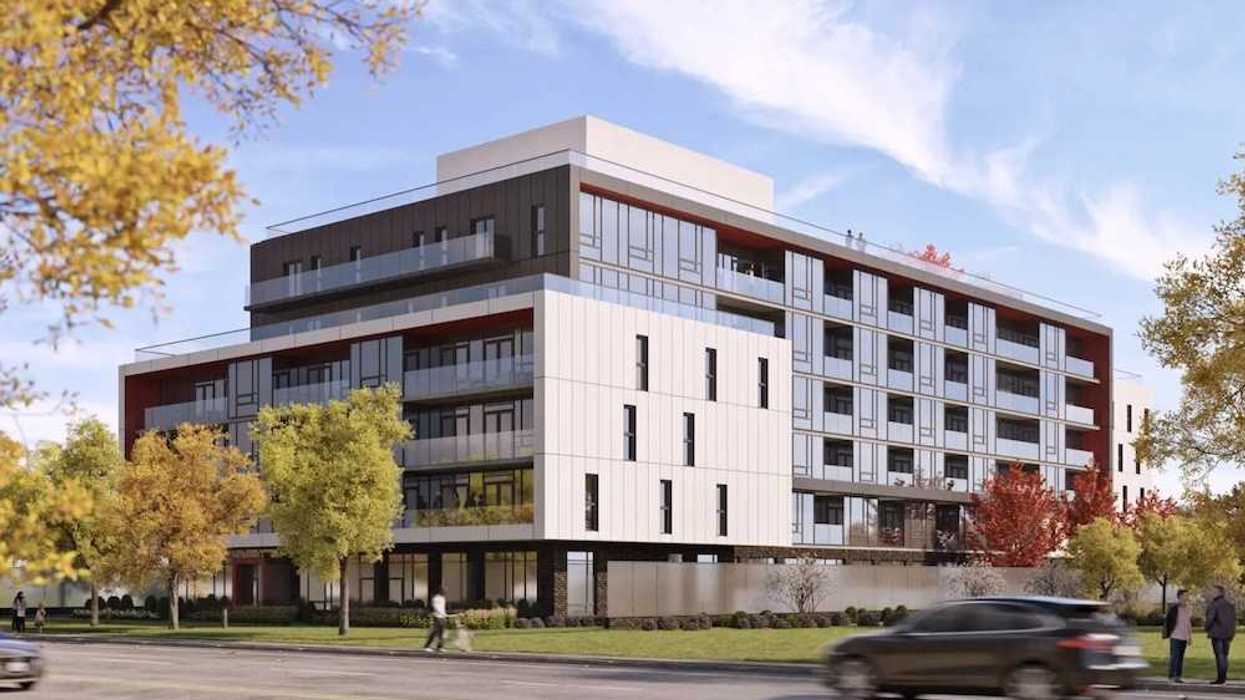
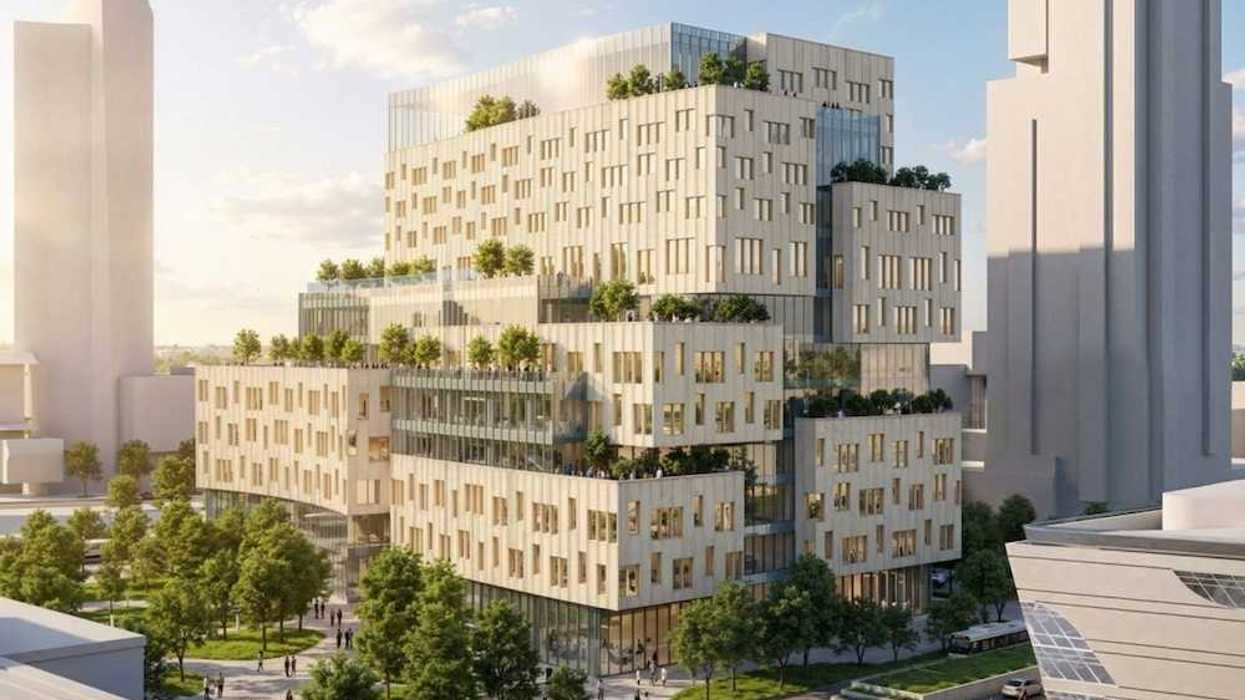





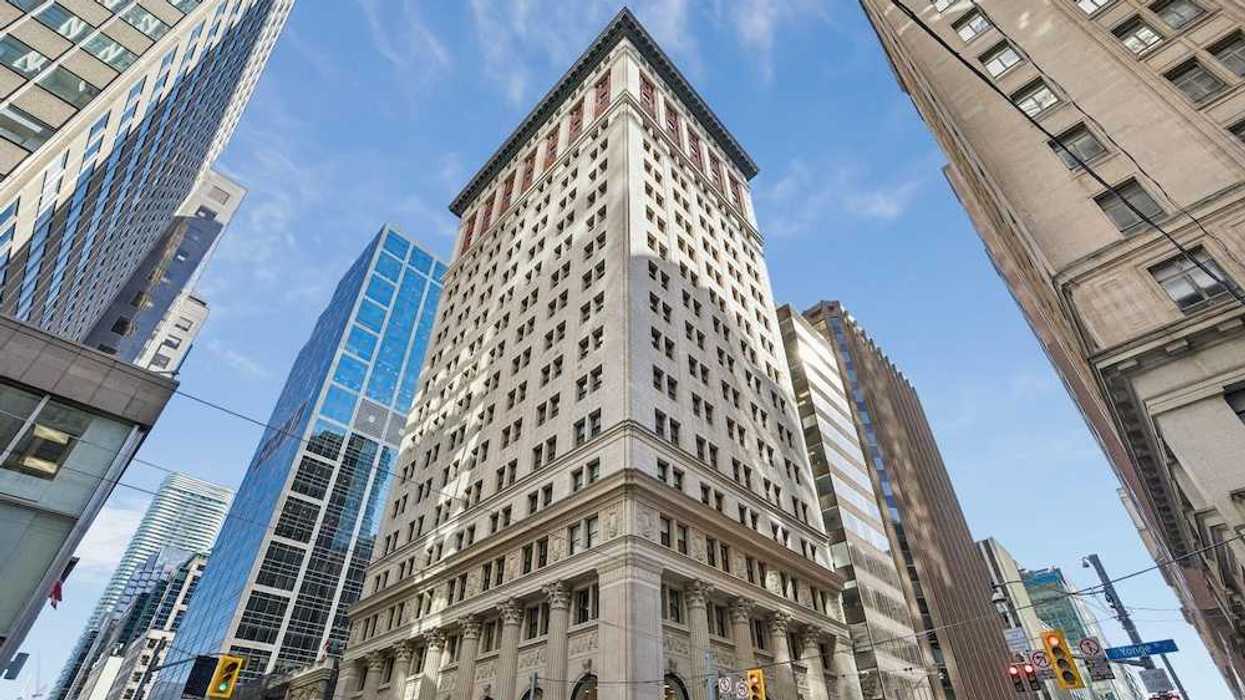
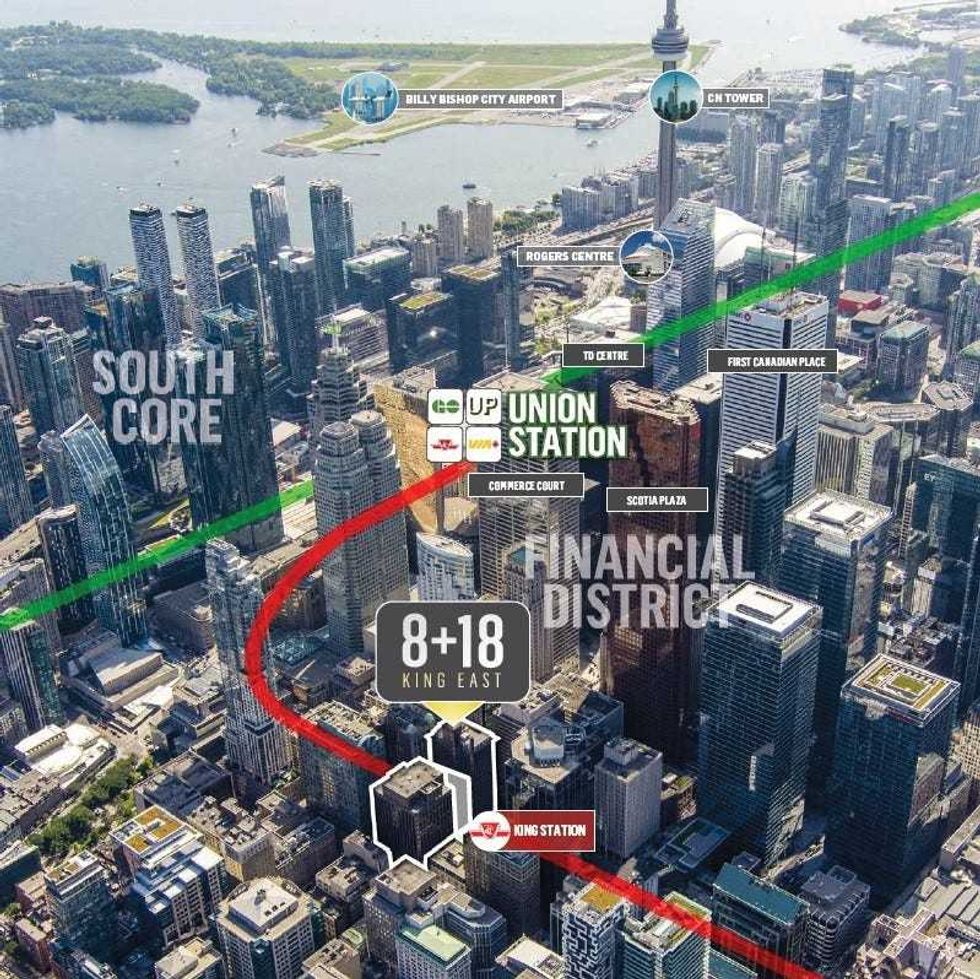 8 and 18 King Street East in Toronto. (RBC Capital Markets Realty)
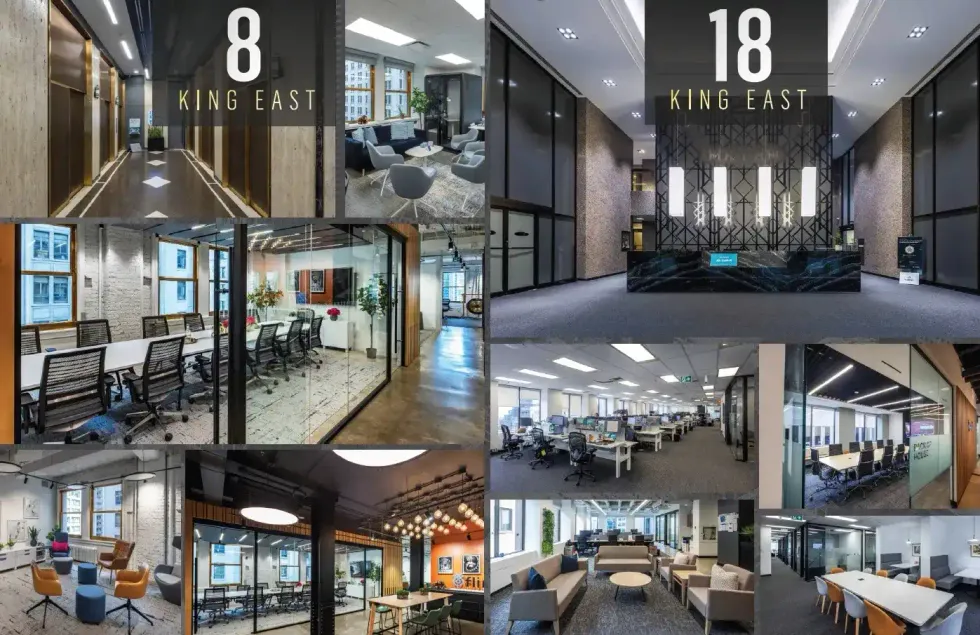 Interior photos of 8 and 18 King Street East. (RBC Capital Markets Realty)
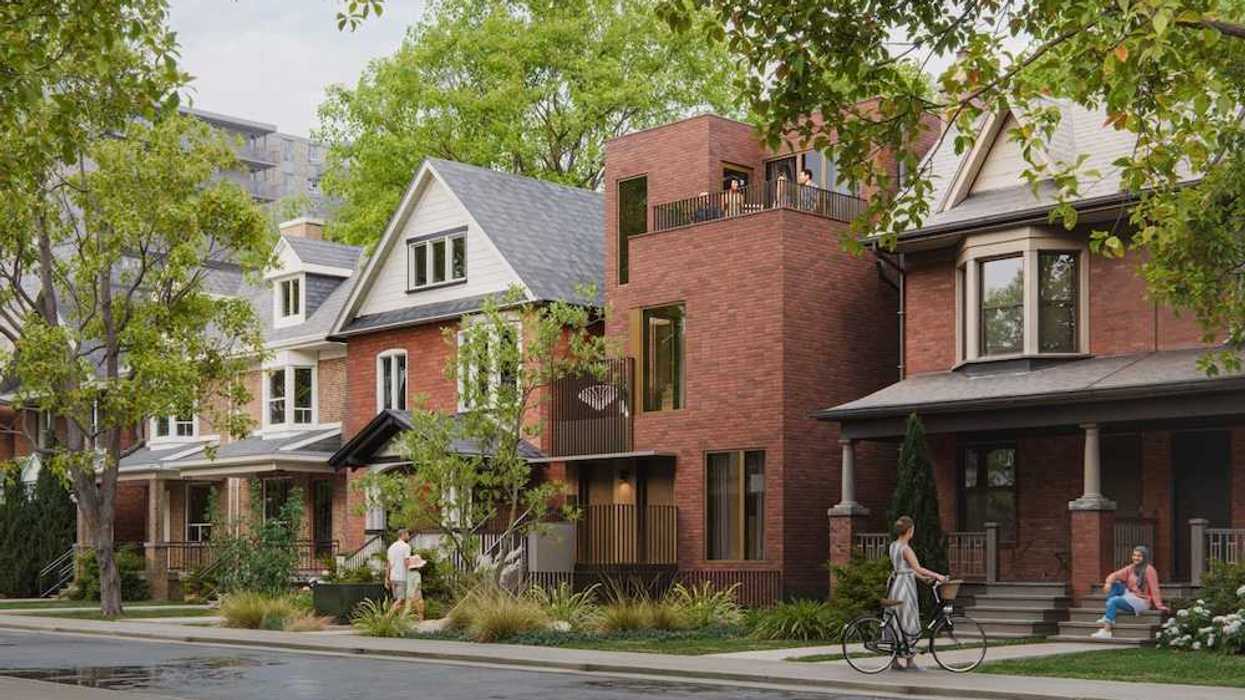
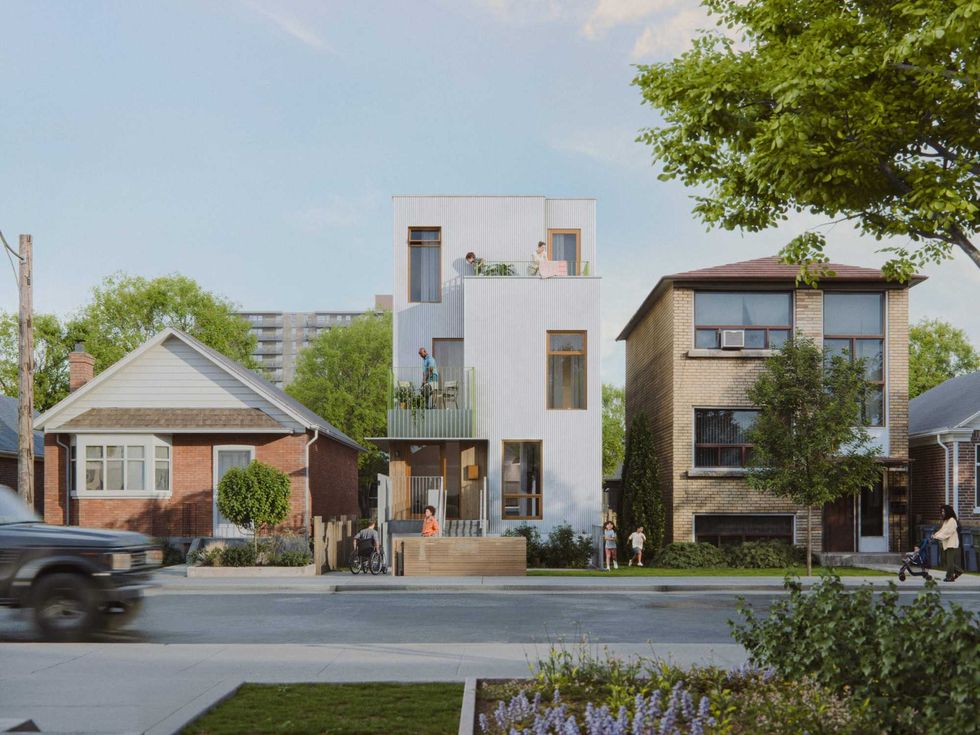 Narrow Fourplex (City of Toronto)
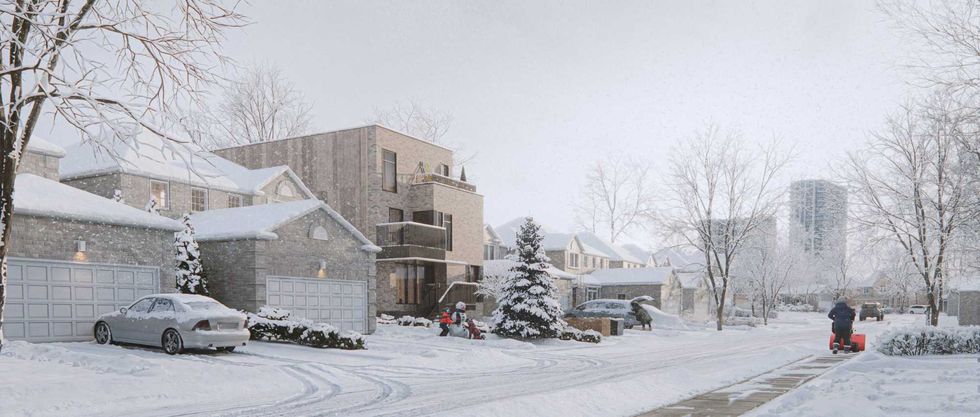 Wide Sixplex - Side View (City of Toronto)