Credit Score
Understand how credit scores affect Canadian mortgage approval, what factors influence your score, and how to improve it before buying a home.

May 22, 2025
What is a Credit Score?
A credit score is a numerical rating that reflects a borrower’s creditworthiness and financial reliability based on past credit behavior.
Why Credit Scores Matter in Real Estate
In Canadian real estate, credit scores are a major factor in mortgage approval. Lenders use scores to assess the likelihood that a borrower will repay their loan responsibly.
Scores typically range from 300 to 900:
- 680+ is considered good for mortgage qualification
- Higher scores may result in better interest rates and terms
Scores are based on factors including payment history, credit utilization, length of credit history, recent inquiries, and types of credit.
Poor credit may limit options to higher-interest or alternative lenders. Borrowers should review and improve their scores before applying for a mortgage.
Understanding credit scores helps buyers prepare for mortgage success and secure more favorable financing.
Example of a Credit Score in Action
A buyer with a credit score of 735 qualifies for a competitive fixed-rate mortgage from a major bank.
Key Takeaways
- Measures financial trustworthiness.
- Used in mortgage and loan decisions.
- Affects interest rates and terms.
- Based on credit history and usage.
- Can be improved before home buying.
Related Terms
- Mortgage Qualification
- Debt Service Ratios
- Pre-Approval
- Lender Guidelines
- Alternative Financing


























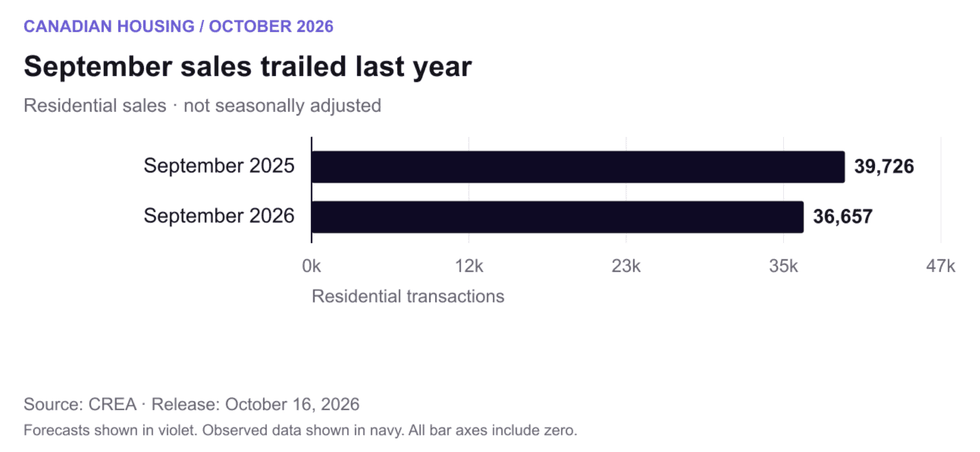 September residential sales, not seasonally adjusted; the annual comparison uses CREA’s revised figures. Chart:
 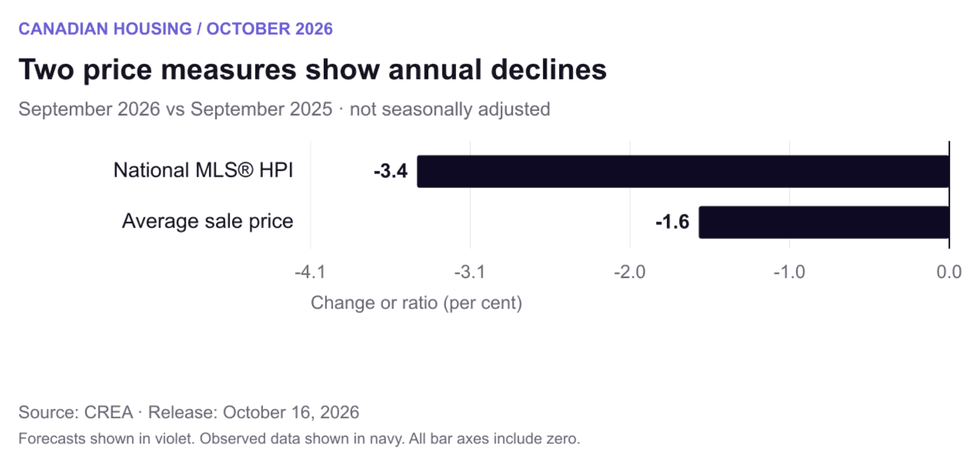 Annual changes in the unadjusted national MLS® HPI and average sale price. The average is affected by the mix of transactions. Chart:
 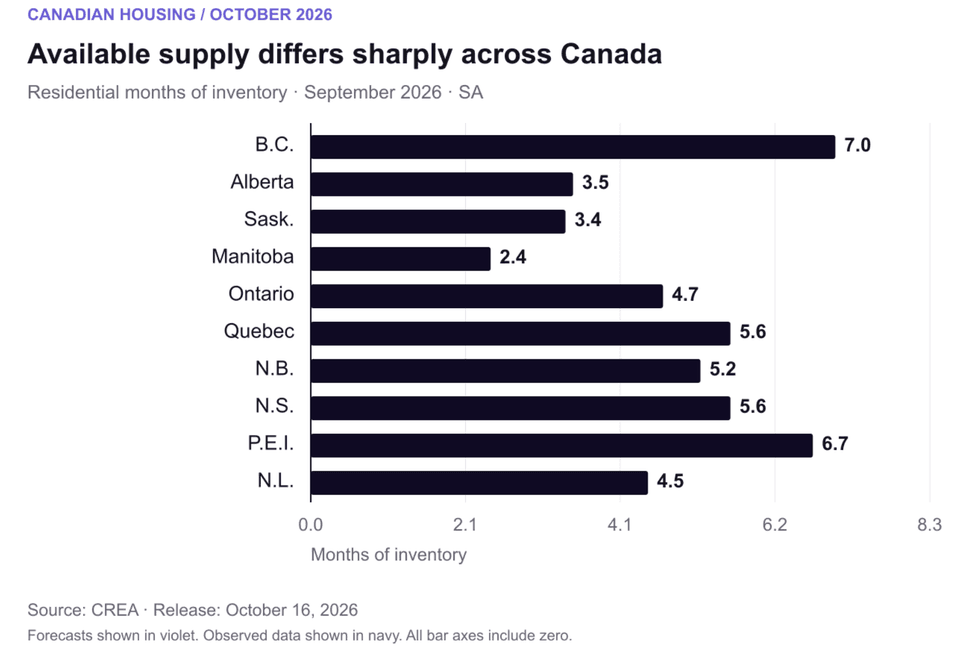 Seasonally adjusted residential months of inventory by province. Local property types can differ substantially. Chart:
 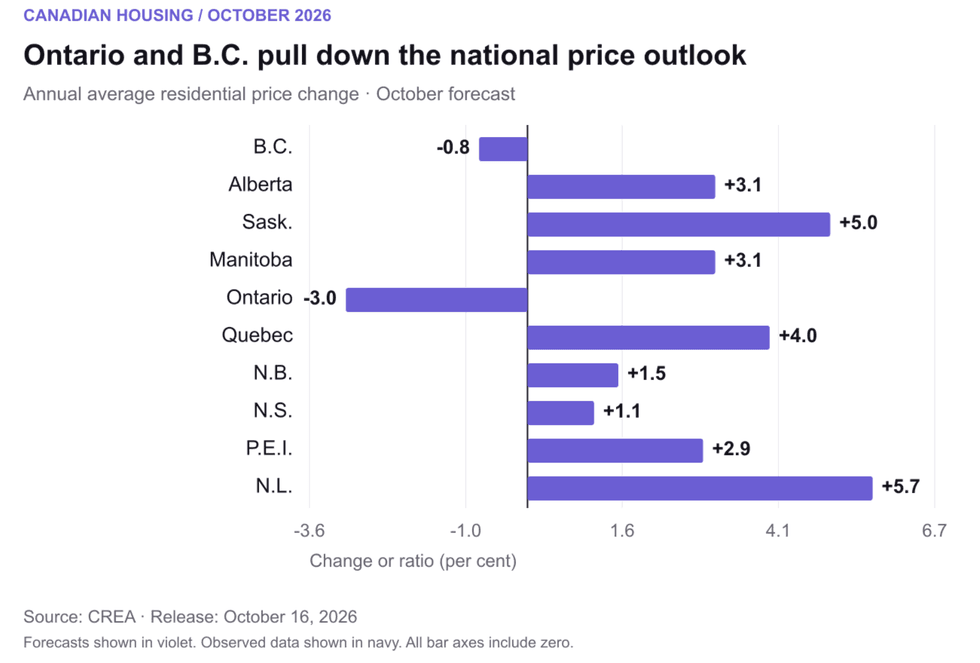 Ontario and B.C. are the two provinces with forecast annual average-price declines in 2026. Chart:
 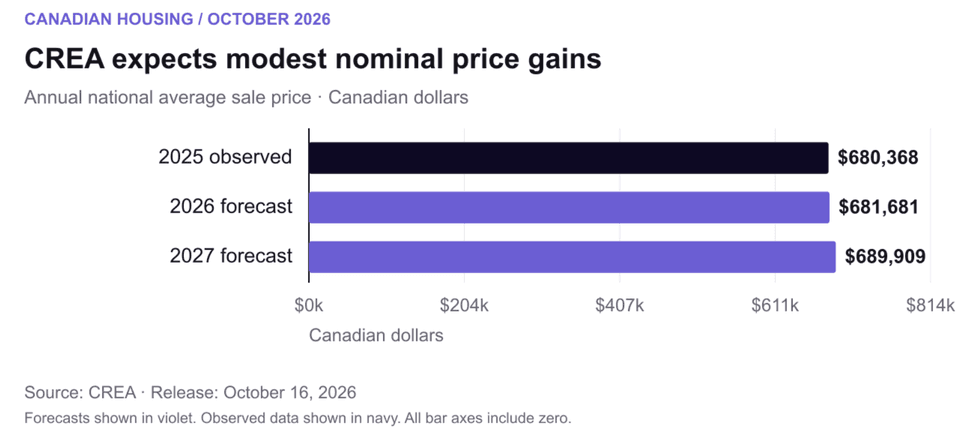 Annual average transaction prices in Canadian dollars. Forecast values are not December price targets. Chart:
 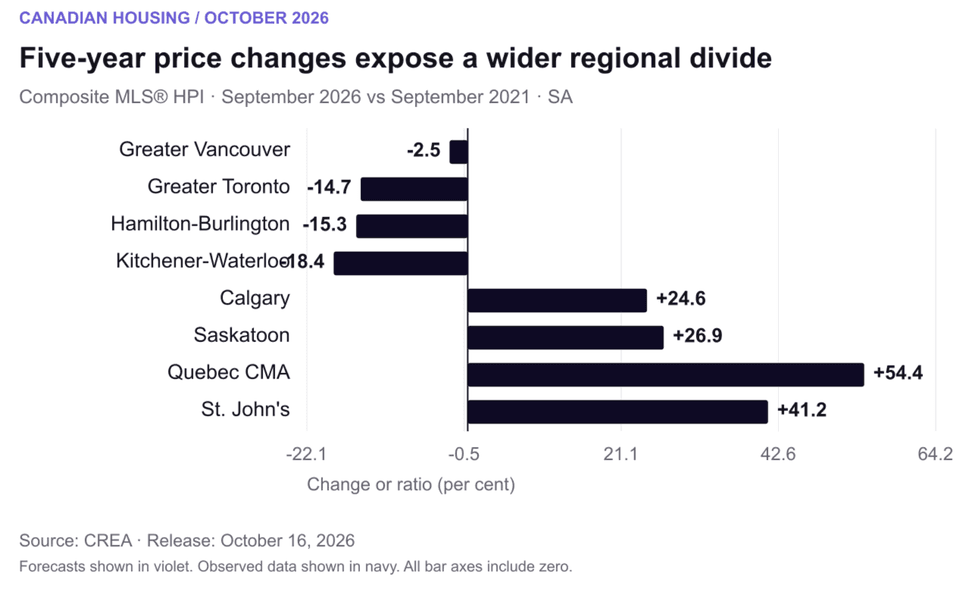 Five-year changes in seasonally adjusted composite MLS® HPI benchmarks, September 2021 to September 2026. Chart: