Mortgage Qualification
Explore how mortgage qualification works in Canada, what factors lenders evaluate, and how to improve your chances of approval for a home loan.

May 22, 2025
What is Mortgage Qualification?
Mortgage qualification is the process by which a lender evaluates a buyer’s ability to borrow money to purchase a property, based on income, credit, and debt levels.
Why Mortgage Qualification Matters in Real Estate
In Canada, mortgage qualification determines the maximum loan amount a buyer can receive and what interest rate they will pay. It involves reviewing:- Credit score and history
- Employment income and stability
- Monthly debt payments
- Down payment amount
- Property taxes and condo fees
Lenders use the Gross Debt Service (GDS) and Total Debt Service (TDS) ratios to assess affordability. Most borrowers must also pass the federal mortgage stress test, proving they can handle payments at a qualifying rate higher than their contract rate.
Failing to meet qualification criteria may require a larger down payment, finding a co-signer, or turning to alternative lenders. Mortgage pre-approval is often the first step in confirming qualification and improving bargaining power.
Understanding mortgage qualification is essential for budgeting, property shopping, and ensuring financing approval before making an offer.
Example of Mortgage Qualification
A buyer earning $90,000/year with minimal debt qualifies for a $550,000 mortgage after passing the stress test and submitting income verification.
Key Takeaways
- Determines loan amount and eligibility.
- Based on income, credit, and debts.
- Includes federal stress test.
- Required for pre-approval and offers.
- Affects rate, term, and lender options.
Related Terms
- Pre-Approval
- Debt Service Ratios
- Credit Score
- Stress Test
- Down Payment

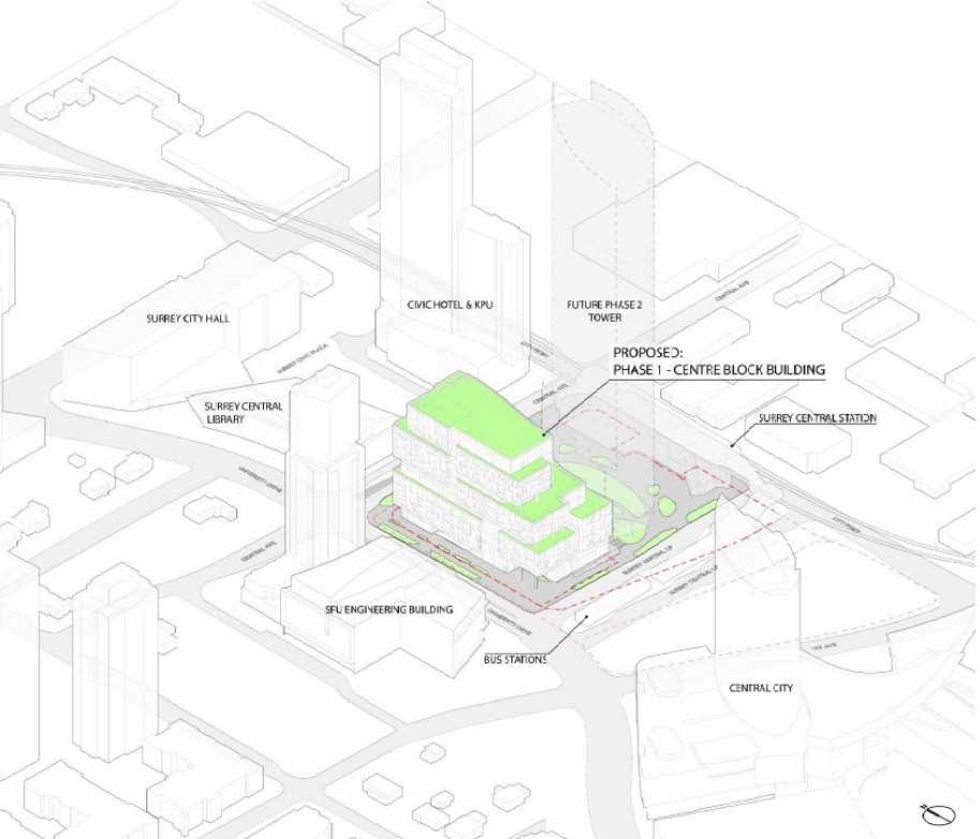 Centre Block and its surrounding context. (Stantec-Revery, SCDC)
 The 12-storey Phase One of Centre Block. (Stantec-Revery, SCDC)
 The 12-storey Phase One of Centre Block. (Stantec-Revery, SCDC)
 Mondria One, set for 1607 King Street East in Clarington, Ontario. (ICON Architects Inc., Monde Development Group)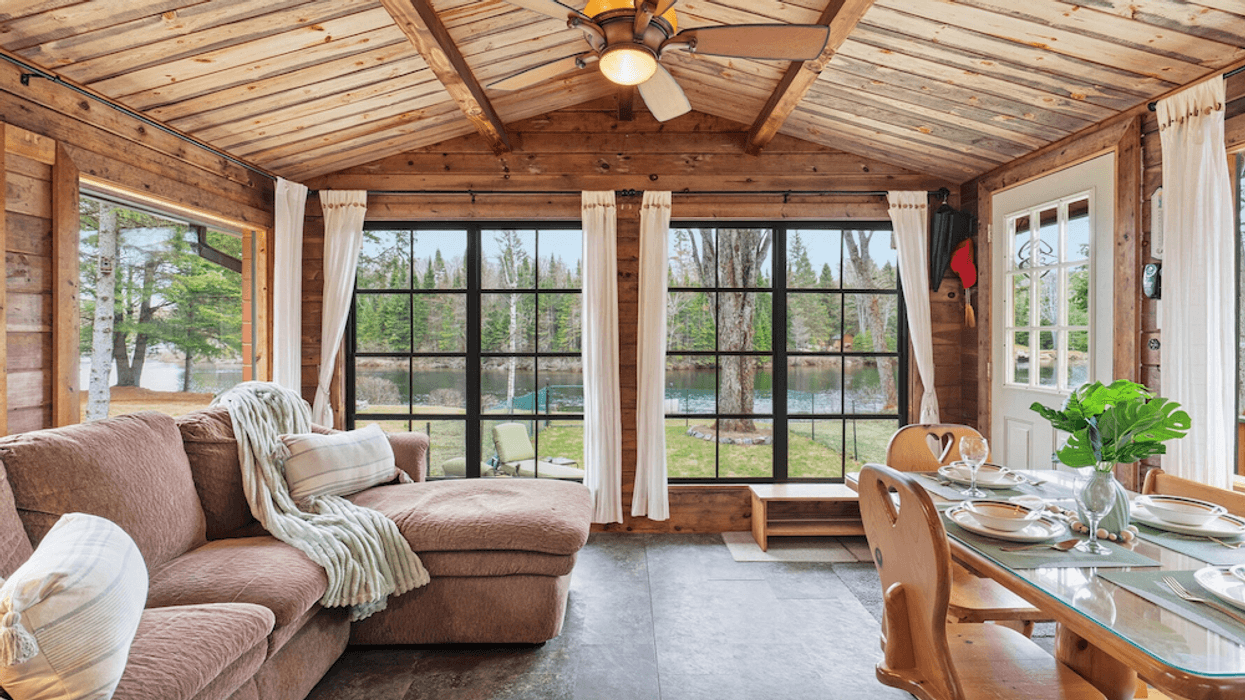


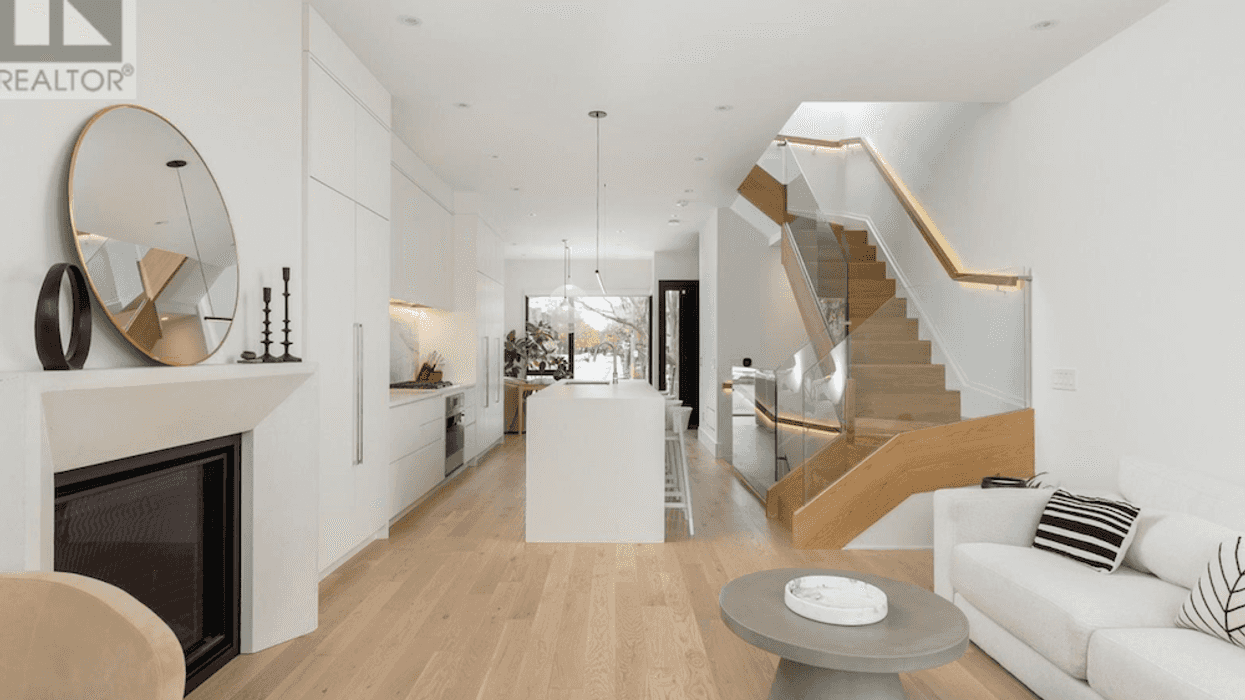





 Via STOREYS Editorial team

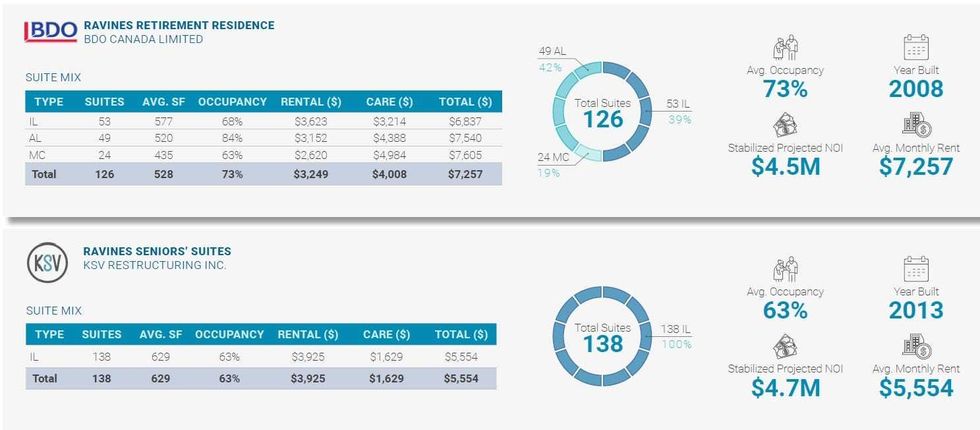 An overview of the two Ravine buildings. (Newmark)
 95 Clegg Road in Markham, Ontario. (Colliers)
 95 Clegg Road (centre) in Markham, Ontario. (Colliers)