Stress Test
Explore Canada’s mortgage stress test — how it works, what it means for your approval, and how it helps ensure sustainable homeownership.
May 22, 2025
What is the Stress Test?
A mortgage stress test is a regulatory requirement that ensures borrowers can afford mortgage payments even if interest rates rise in the future.
Why the Stress Test Matters in Real Estate
In Canada, all federally regulated lenders must apply a stress test to mortgage applicants, whether they are buying, refinancing, or switching lenders.
Borrowers must qualify at the greater of:
- The contracted mortgage rate + 2%
- The Bank of Canada’s benchmark qualifying rate
The stress test reduces the maximum loan amount a borrower can qualify for. It’s designed to protect both borrowers and the financial system from overleveraging during rate increases.
Understanding the stress test helps buyers calculate realistic budgets and avoid surprises during mortgage approval.
Example of the Stress Test in Action
A borrower applies for a 4.6% mortgage but must qualify at 6.6% under the stress test, reducing their purchasing power by $50,000.
Key Takeaways
- Required for all mortgage applications.
- Tests ability to handle higher rates.
- Lowers maximum approved mortgage.
- Protects borrowers from financial strain.
- Set by federal regulators and lenders.
Related Terms
- Mortgage Qualification
- Debt Service Ratios
- Interest Rate
- Mortgage Pre-Approval
- Lender Guidelines

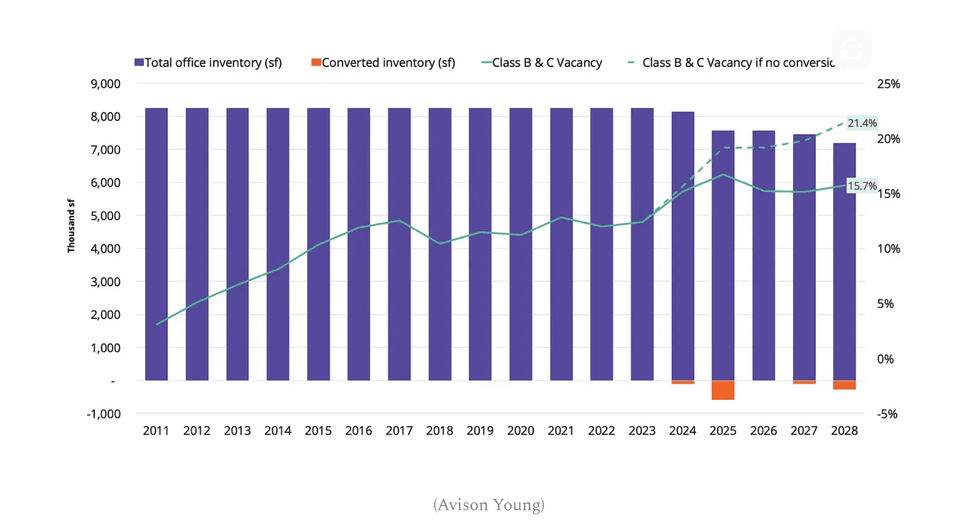 (Avison Young)
 The Mason Suite Interior (Infinity Properties)
 The Mason Suite Interior (Infinity Properties)
 Rail District aerial (Infinity Properties)
 Versant (Infinity Properties)








 Narrow Fourplex (City of Toronto)
 Wide Sixplex - Side View (City of Toronto)
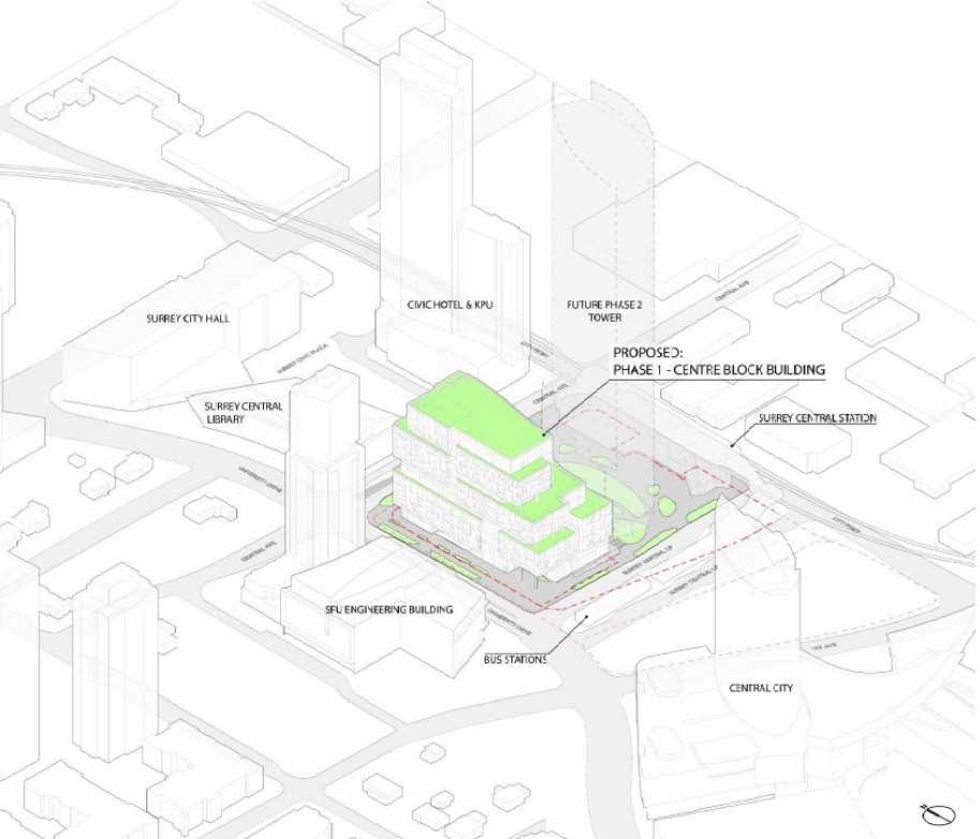 Centre Block and its surrounding context. (Stantec-Revery, SCDC)
 The 12-storey Phase One of Centre Block. (Stantec-Revery, SCDC)
 The 12-storey Phase One of Centre Block. (Stantec-Revery, SCDC)
 Mondria One, set for 1607 King Street East in Clarington, Ontario. (ICON Architects Inc., Monde Development Group)