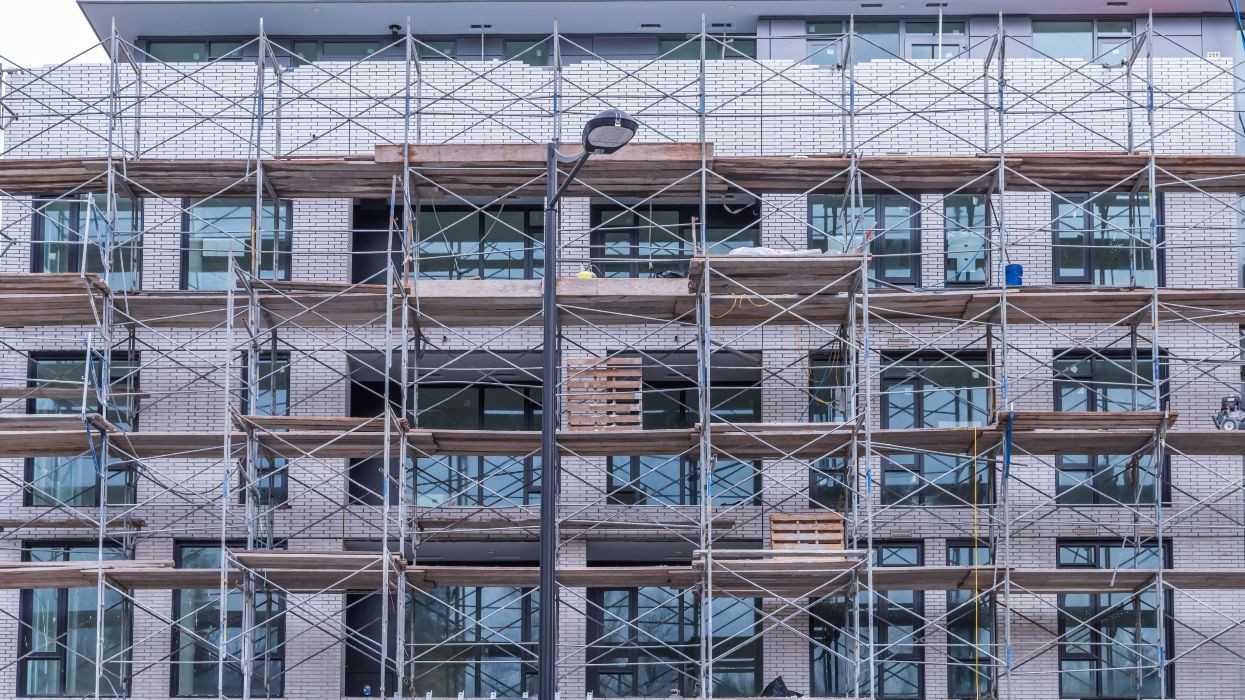
Contaminated Land Liability
Contaminated land liability is the legal duty to remediate polluted land, impacting property value and redevelopment potential.
September 30, 2025
What is Contaminated Land Liability?
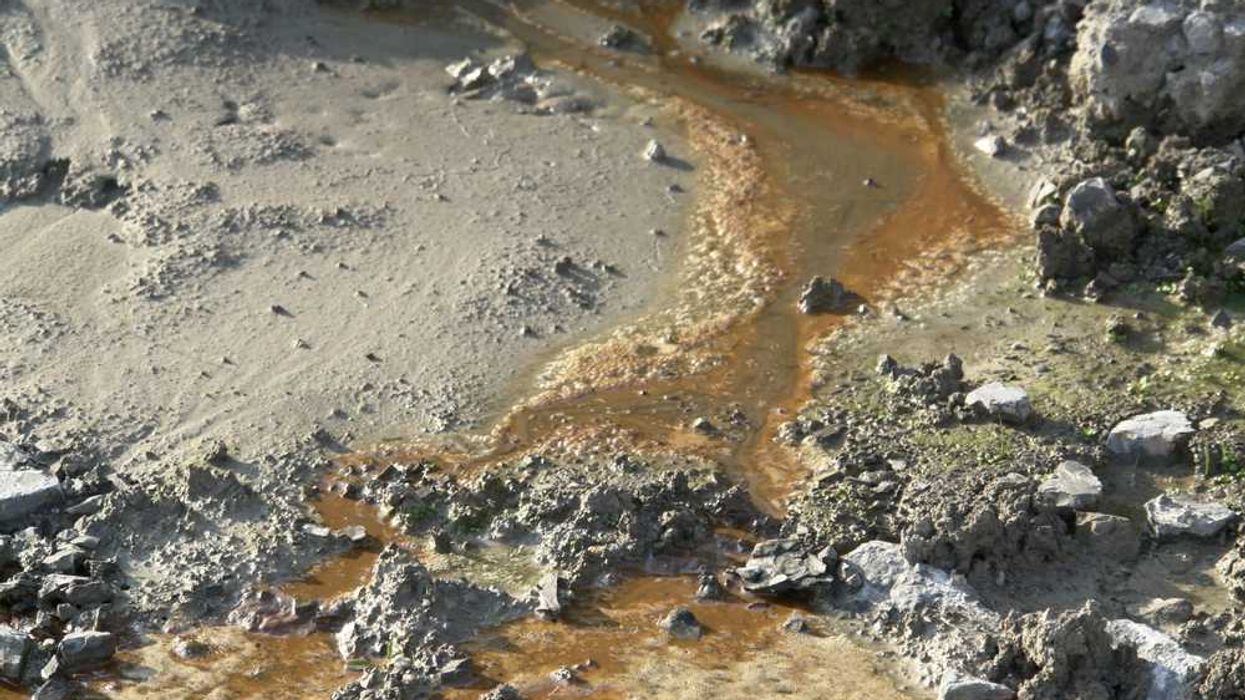
Contaminated land liability is the legal responsibility for cleaning up and managing land that has been polluted or environmentally damaged. Liability may apply to current owners, past owners, or parties who caused the contamination.
Why Contaminated Land Liability Matters in Real Estate
It matters in real estate because buyers and lenders must assess environmental risk before transactions. Contaminated land can affect property value, financing, redevelopment potential, and legal exposure.
Example of Contaminated Land Liability in Action
A company buying an industrial site discovers historical contamination. As the new owner, they may be liable for cleanup costs under provincial environmental laws.
Key Takeaways
- Legal responsibility for cleaning up contaminated land.
- Liability can apply to current or past owners.
- Affects property value, financing, and redevelopment.
- Assessed through environmental due diligence.
- Cleanup costs can be significant and long-term.
Related Terms
- Environmental Site Assessment
- Brownfield
- Record of Site Condition
- Liability Coverage
- Expropriation


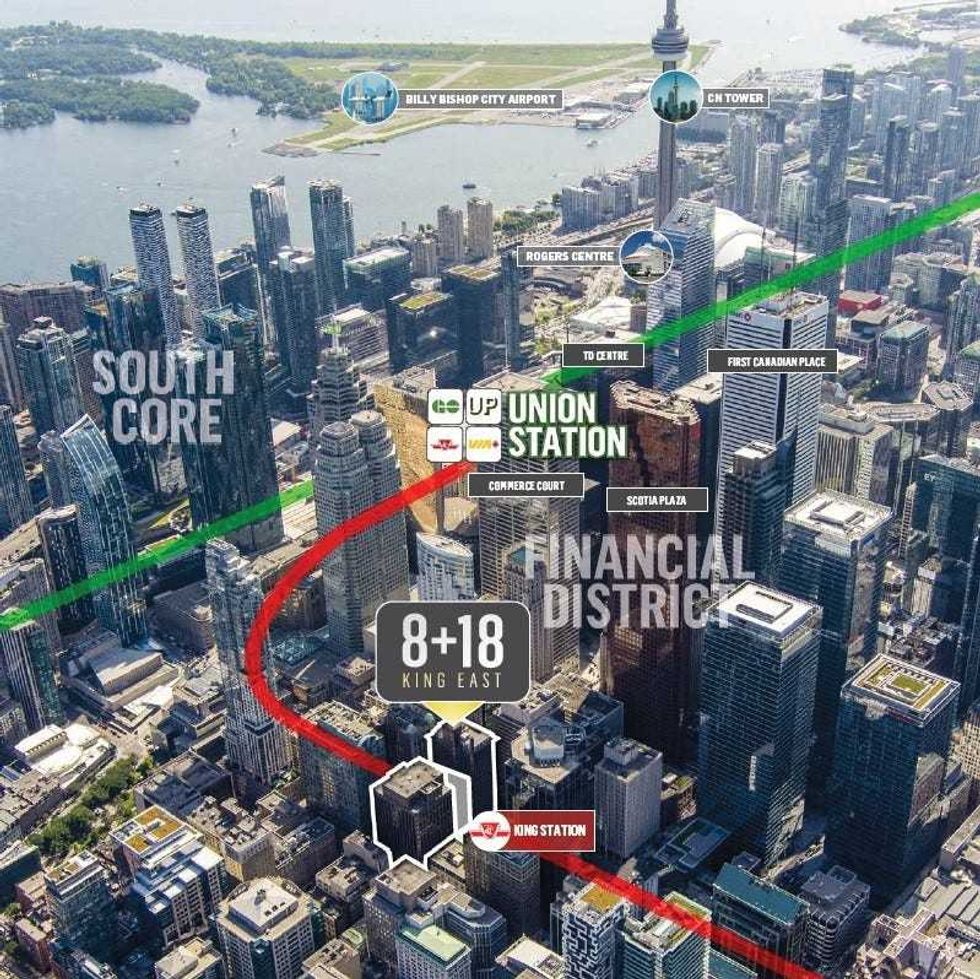 8 and 18 King Street East in Toronto. (RBC Capital Markets Realty)
 Interior photos of 8 and 18 King Street East. (RBC Capital Markets Realty)






 Narrow Fourplex (City of Toronto)
 Wide Sixplex - Side View (City of Toronto)
 Via STOREYS Editorial team