Expropriation

Understand expropriation in Canadian real estate — what it is, how it works, and how owners are compensated when land is taken.

Expropriation


What is Expropriation?

Expropriation is the legal process through which government acquires private property for public use, with compensation to the owner.

Why Expropriation Matters in Real Estate

In Canadian real estate, expropriation enables infrastructure projects while protecting owners' rights to fair compensation.


Key elements:
  • Must serve a public purpose (e.g., highways, utilities)
  • Requires fair market compensation
  • Allows for negotiation and appeals


Understanding expropriation helps property owners, developers, and investors navigate land acquisition risks.

Example of Expropriation in Action

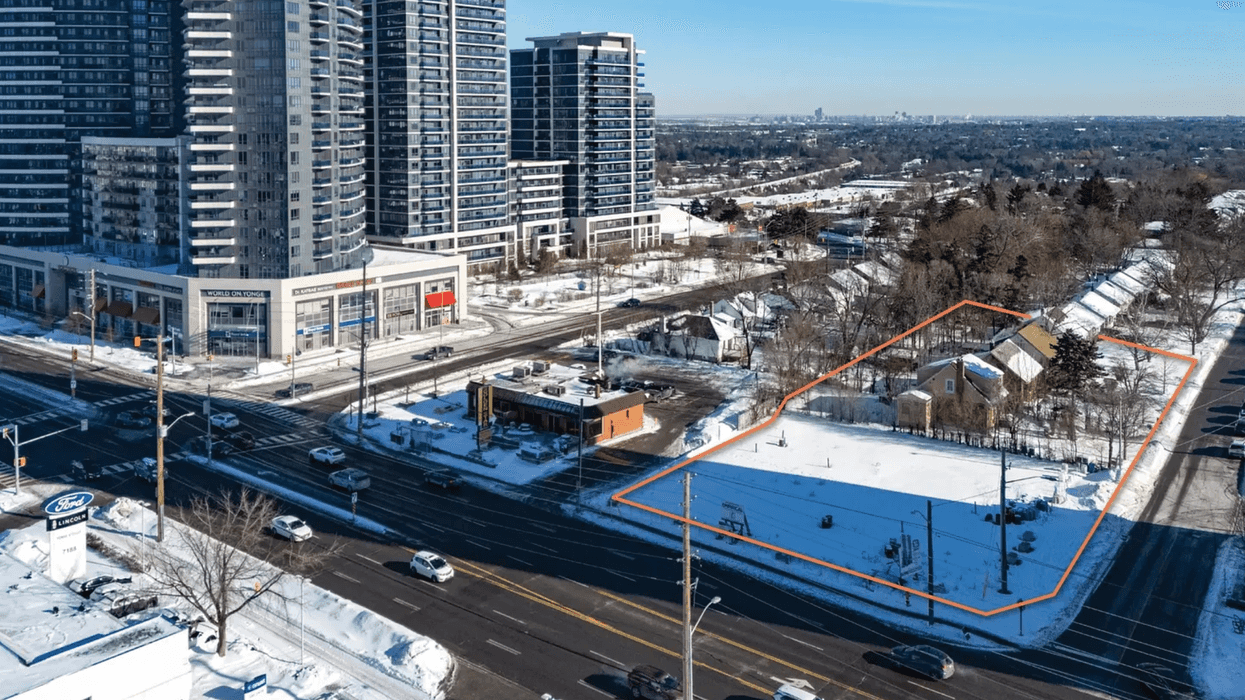
The province expropriated land along the highway corridor to expand transit infrastructure, compensating owners at market value.

Key Takeaways

  • Government acquisition of private land
  • Requires public purpose and fair compensation
  • Involves legal rights and appeals
  • Enables public infrastructure projects
  • Known as eminent domain in some contexts

Related Terms

Additional Terms

Public Realm Improvements

Public realm improvements are enhancements to public spaces such as sidewalks, parks, plazas, and streetscapes, often funded or contributed by. more

Mortgagee in Possession

A mortgagee in possession is a lender who takes control of a property after borrower default, but before foreclosure or power of sale. The lender. more

Lease Surrender Agreement

A lease surrender agreement is a negotiated contract between a landlord and tenant that ends a lease before its scheduled expiration. Terms may. more

Green Infrastructure

Green infrastructure refers to natural or engineered systems that manage stormwater, reduce heat, and improve sustainability in developments.. more

Escrow Holdback

An escrow holdback is a portion of funds withheld at closing and held in escrow until specific conditions are met, such as completion of repairs,. more

Underused Housing Tax

The Underused Housing Tax (UHT) is a federal annual 1% tax on the value of vacant or underused residential property owned by non-resident,. more

More For You

Demand-Side Interventions Can Reduce Housing Affordability: CMHC

Sarah Baxter/Unsplash

As the housing crisis in Canada became harder (and harder) to ignore, governments big and small have started taking more (and more) action. But not all actions are equal, and some may actually have a negative impact on housing affordability.

As complicated as the housing crisis may be, it really comes down to the basic law of supply and demand: If demand increases while supply stays flat, prices will increase.

Keep ReadingShow less
Pinnacle Ups Lougheed Towers To 77 Storeys And 87 Storeys, Swaps Office For Hotel

A rendering of the Pinnacle Lougheed project in Burnaby. (JYOM Architecture, Pinnacle International)

When Vancouver-based developer Pinnacle International received approval for Phase One of their Pinnacle Lougheed project in Burnaby in September 2024, the 73-storey tower and 80-storey tower were already set to be some of the tallest towers in British Columbia and Western Canada. They are now set to go even higher.

At 3900 Grand Promenade, 9850 Austin Road, and 9858-9898 Gatineau Place immediately south of the SHAPE Properties’ City of Lougheed master-planned community, Pinnacle International had proposed a 73-storey tower and 80-storey tower with a grand total of 1,466 strata units, 515,097 sq. ft of office space, and 13,304 sq. ft of retail space, as part of Phase One of Pinnacle Lougheed.

Keep ReadingShow less
GTA New Home Sales Climbed In March (From A Record-Low Bar)​
Toronto skyline before a storm

March new home sales in the Greater Toronto Area improved year-over-year, but the word "improved" is doing a lot of heavy lifting. There were 948 new homes sold in the GTA last month — up significantly from March 2025's historic low of 439 units, but still 64% below the 10-year average of 2,659.

In other words: second-worst March on record.

Keep ReadingShow less
How A Downsizing Slowdown Could Affect Young Homebuyers

As homeowners age, there is a natural inclination to downsize, whether it be because children have moved out into homes of their own, or for increased accessibility, safety, and convenience.

According to Statistics Canada data from 2024, approximately 7.74 million people — about 18.9% of the total population of Canada — is over the age of 65, and the proportion is expected to increase to about 25% by 2030. Accordingly, a “downsizing wave” is expected, and it could become a significant factor in real estate markets.

Keep ReadingShow less
This Leslieville Suite Makes A Solid Case For Loft Living

The i-Zone is one of those Leslieville addresses that people know without needing to look up.

The work/live building that predates the neighbourhood's glow-up by decades, and has never needed to catch up.

Keep ReadingShow less
Canadian Housing Starts Lost Steam In March, CMHC Data Shows
Toronto homes/Shutterstock

New data from Canada Mortgage and Housing Corporation shows housing construction continued to lose momentum in March 2026, even as year-over-year comparisons painted a rosier picture.

The six-month trend in housing starts fell 2.9% to 248,378 units, while the total monthly seasonally adjusted annual rate dropped 6% to 235,852 units — down from 250,961 in February. Actual housing starts in centres with a population of 10,000 or greater were up 10% year-over-year, with 16,398 units recorded compared to 14,935 in March 2025. Year-to-date starts sit at 49,206 units, up 9% from the same period last year, led by British Columbia, Ontario, and Quebec.

Keep ReadingShow less
Mortgage Rates, Uncertainty Kept Canadian Buyers Sidelined In March
Paul Hanaoka/Unsplash

New data from the Canadian Real Estate Association shows national home sales were essentially unchanged in March 2026, ticking down just 0.1% month-over-month — but the stability masks a more complicated picture.

Actual (not seasonally adjusted) sales came in 2.3% below March 2025, while the national average home price landed at $673,084, down 0.8% year-over-year. The MLS® Home Price Index Composite fell 0.4% month-over-month and was down 4.7% compared to March 2025 — though the month-over-month decline was smaller than in February, and roughly half the drop recorded in January.

Keep ReadingShow less

Coady Avenue has a reputation in Leslieville — the kind that gets passed around at farmers' markets and mentioned in the same breath as its annual fall street party.

It's a stretch that people move to and simply don't want to leave. And 30 Coady is a good argument for why.

Keep ReadingShow less