Tax Deduction
Learn how tax deductions apply to Canadian real estate — what expenses qualify and how they reduce taxes for landlords and investors.

June 06, 2025
What is a Tax Deduction?
A tax deduction is an expense that can be subtracted from gross income to reduce the total taxable income owed to the Canada Revenue Agency (CRA).
Why Tax Deductions Matter in Real Estate
In Canadian real estate, tax deductions help property owners reduce their overall tax liability by claiming eligible expenses related to investment or rental properties.
Common real estate tax deductions include:
- Mortgage interest on rental properties
- Property taxes and utilities
- Repairs and maintenance
- Property management fees
- Capital cost allowance (depreciation)
Homeowners may also deduct expenses for home offices or energy-efficient upgrades in some cases.
Understanding tax deductions is critical for landlords, investors, and business owners to optimize tax planning and comply with CRA requirements.
Example of Tax Deductions in Action
A landlord deducts the cost of replacing a water heater and the annual property tax bill from their rental income on their tax return.
Key Takeaways
- Reduces taxable income
- Must be reasonable and documented
- Applies to rental and investment properties
- Homeowners may qualify in limited cases
- Tracked annually for CRA reporting
Related Terms
- Capital Cost Allowance
- Rental Income
- Investment Property
- CRA
- Home Office

 A rendering of the EverHome project. (The Sher Corporation)
























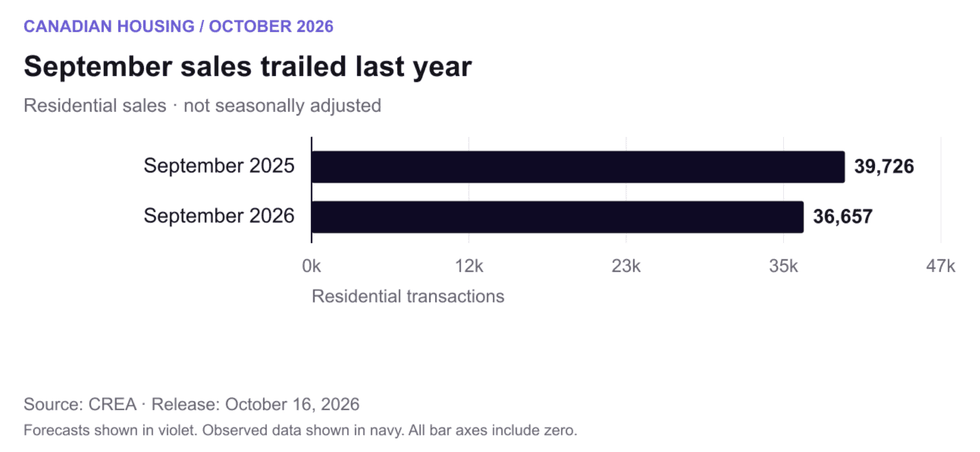 September residential sales, not seasonally adjusted; the annual comparison uses CREA’s revised figures. Chart:
 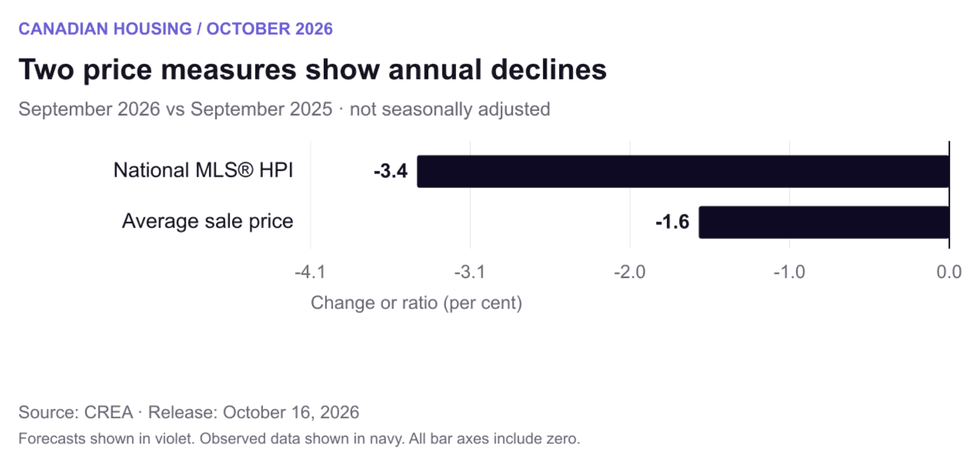 Annual changes in the unadjusted national MLS® HPI and average sale price. The average is affected by the mix of transactions. Chart:
 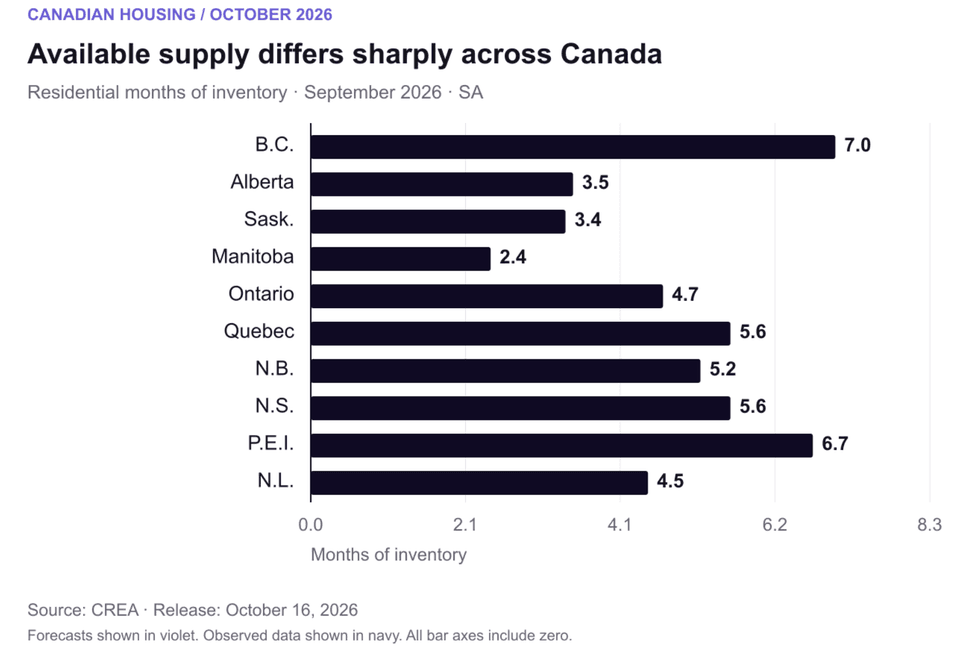 Seasonally adjusted residential months of inventory by province. Local property types can differ substantially. Chart:
 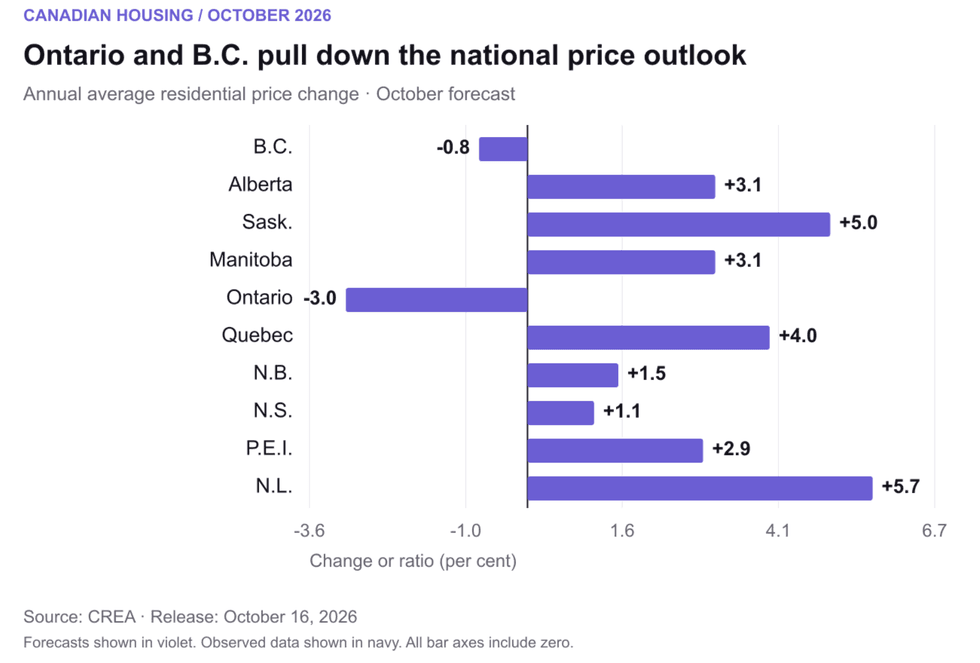 Ontario and B.C. are the two provinces with forecast annual average-price declines in 2026. Chart:
 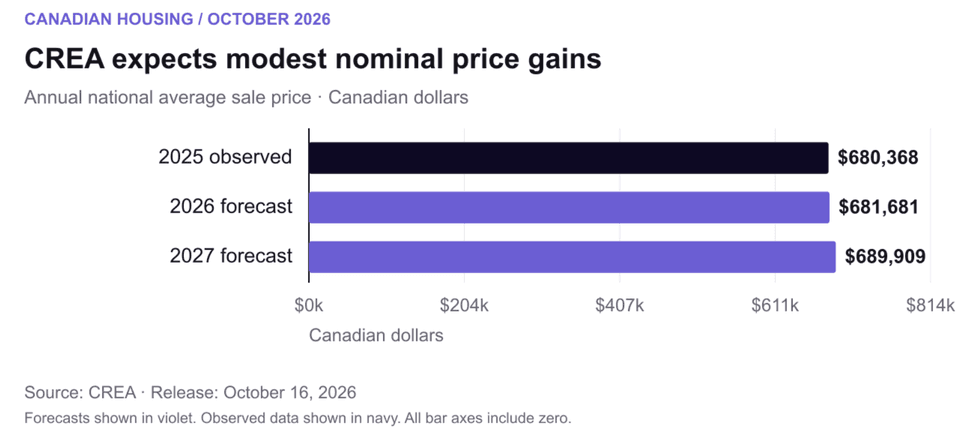 Annual average transaction prices in Canadian dollars. Forecast values are not December price targets. Chart:
 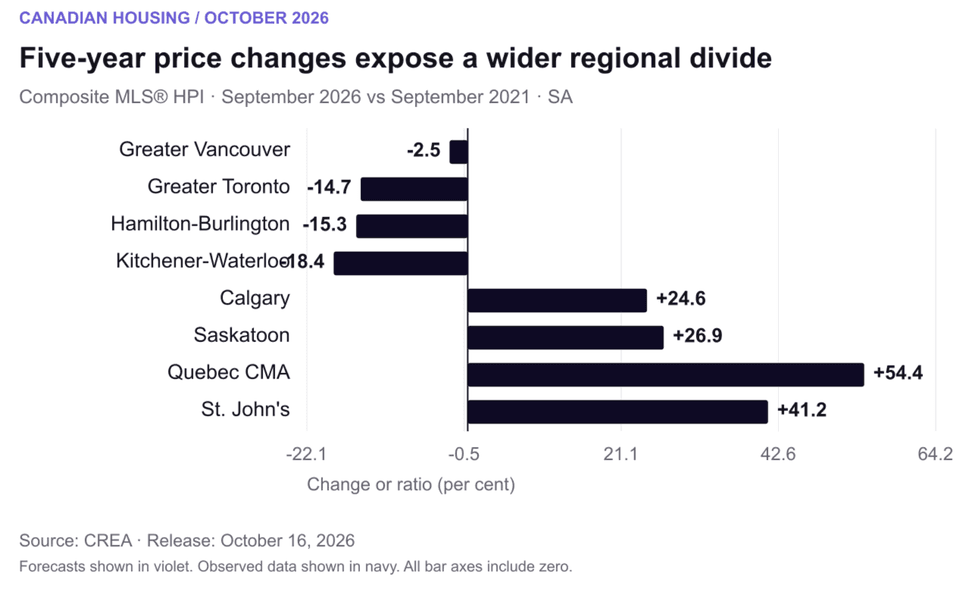 Five-year changes in seasonally adjusted composite MLS® HPI benchmarks, September 2021 to September 2026. Chart: