Residential Tenancies Act
Learn what the Residential Tenancies Act covers in Canadian provinces, including tenant rights, rent rules, and legal enforcement of rental housing standards.

June 06, 2025
What is the Residential Tenancies Act?
The Residential Tenancies Act (RTA) is provincial legislation that governs the rights and responsibilities of landlords and tenants in residential rental housing.
Why the Residential Tenancies Act Matters in Real Estate
In Canadian real estate, each province has its own version of the RTA, such as Ontario’s Residential Tenancies Act, 2006 or British Columbia’s Residential Tenancy Act.
The RTA outlines:
- Rules for rent increases and eviction
- Tenant privacy and quiet enjoyment
- Repair and maintenance obligations
- Security deposit handling and timelines
The RTA provides enforcement mechanisms such as Landlord and Tenant Boards or dispute resolution tribunals.
Understanding the RTA helps both landlords and tenants comply with legal standards and resolve disputes fairly.
Example of the Residential Tenancies Act in Action
A tenant files a complaint with the Landlord and Tenant Board under the Residential Tenancies Act after repeated delays in essential repairs.
Key Takeaways
- Defines landlord and tenant obligations
- Varies by province
- Covers rent, repairs, and eviction
- Enforced by tribunals or boards
- Promotes fair rental practices









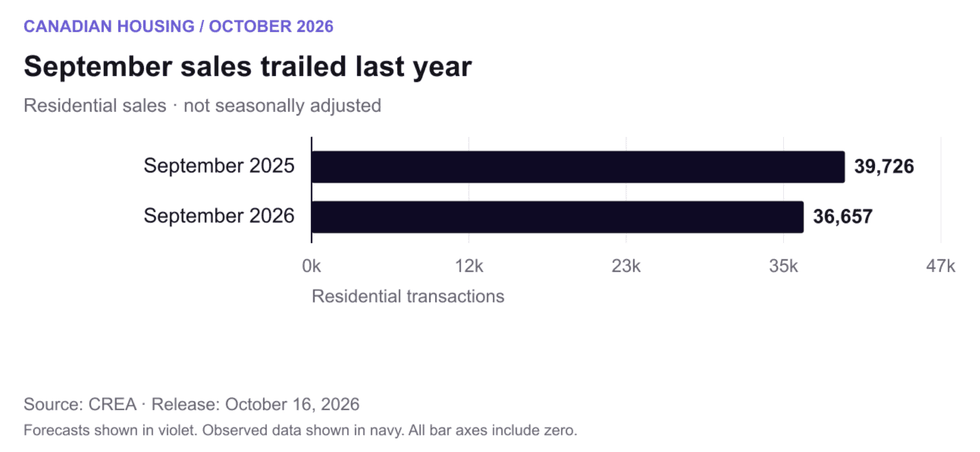 September residential sales, not seasonally adjusted; the annual comparison uses CREA’s revised figures. Chart:
 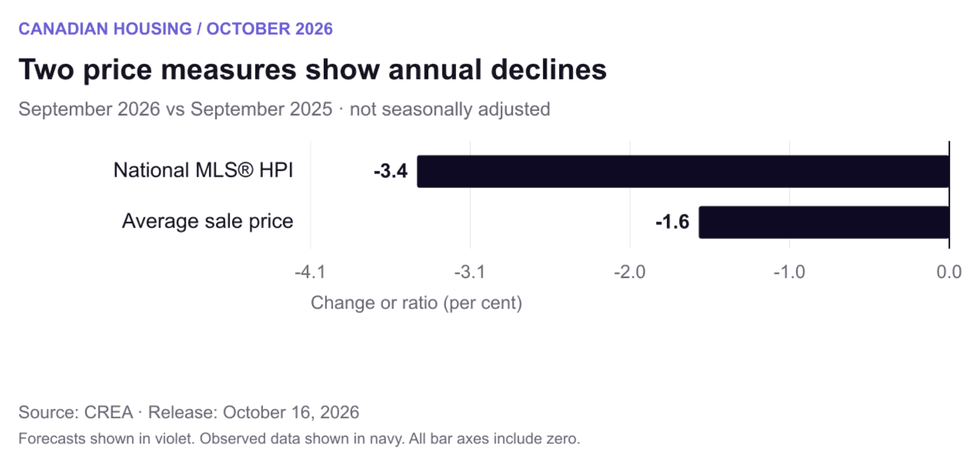 Annual changes in the unadjusted national MLS® HPI and average sale price. The average is affected by the mix of transactions. Chart:
 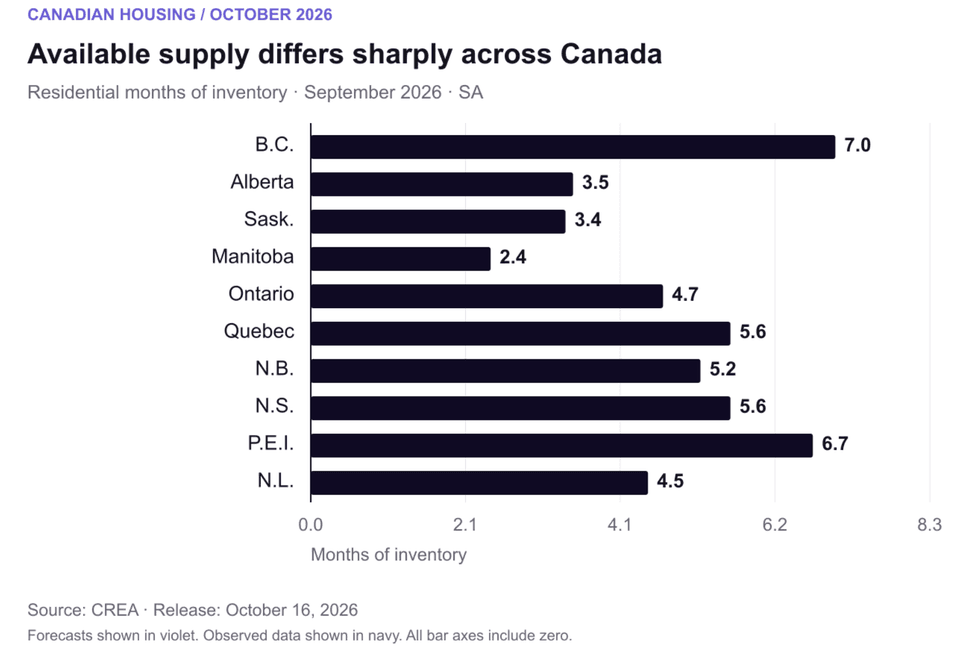 Seasonally adjusted residential months of inventory by province. Local property types can differ substantially. Chart:
 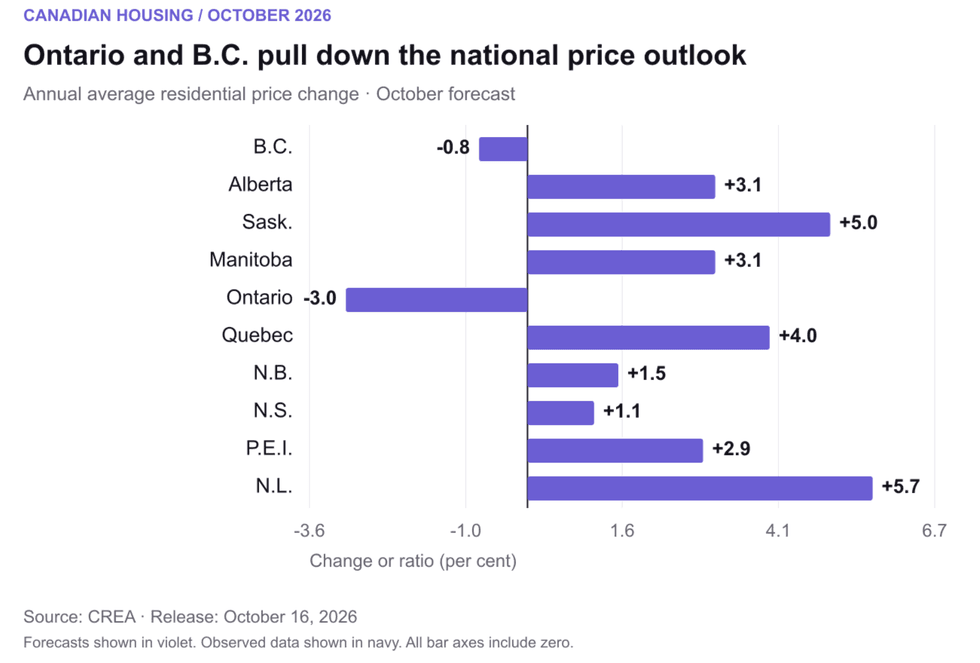 Ontario and B.C. are the two provinces with forecast annual average-price declines in 2026. Chart:
 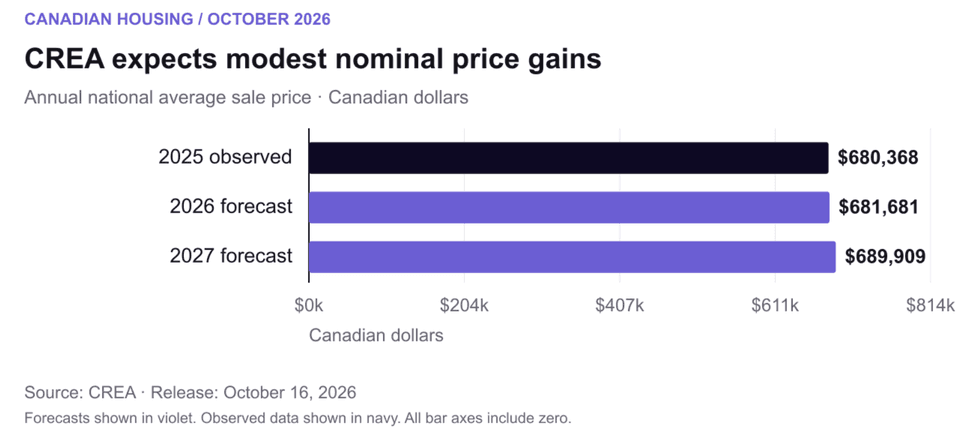 Annual average transaction prices in Canadian dollars. Forecast values are not December price targets. Chart:
 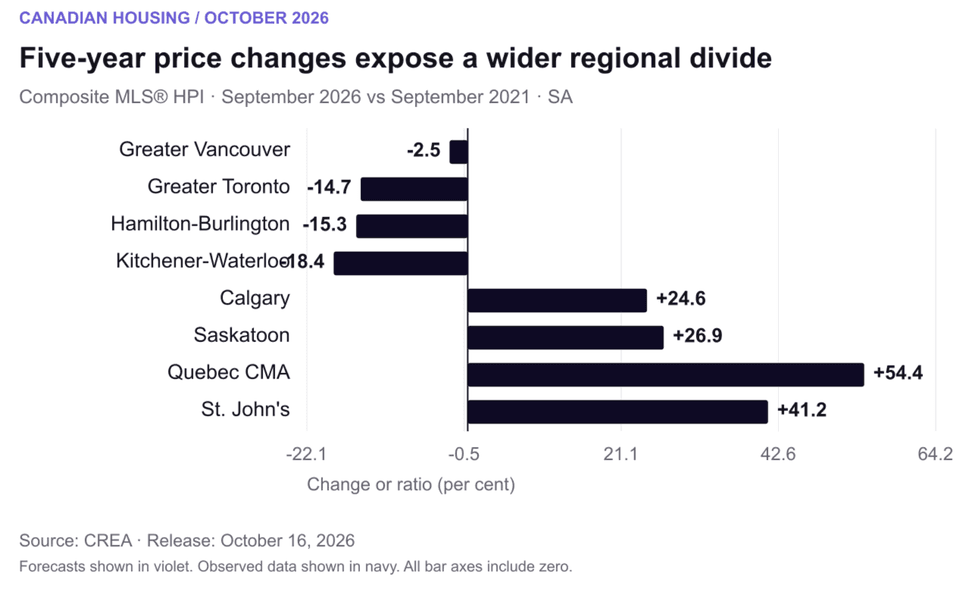 Five-year changes in seasonally adjusted composite MLS® HPI benchmarks, September 2021 to September 2026. Chart:





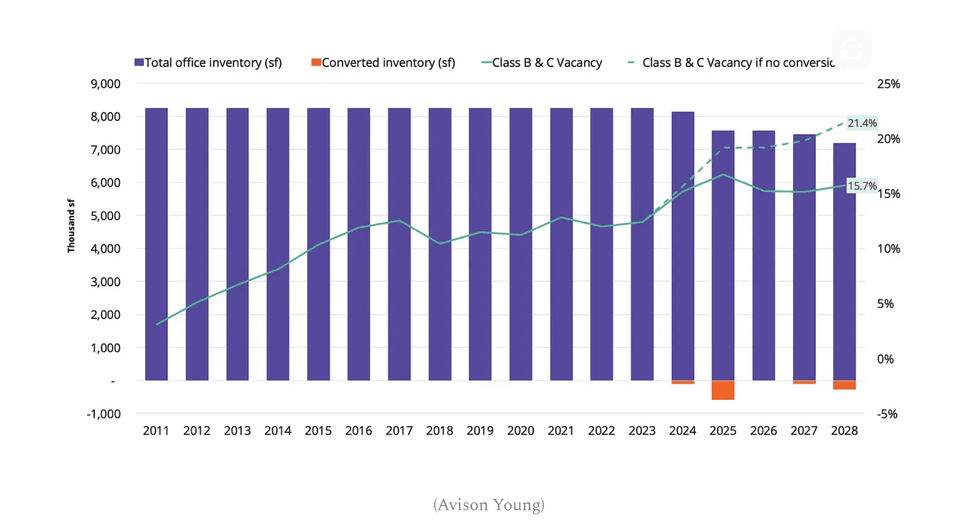 (Avison Young)