Quiet Enjoyment
Explore the right to quiet enjoyment in Canadian lease agreements — what it protects, when it's violated, and how tenants can take action.

May 22, 2025
What is Quiet Enjoyment?
Quiet enjoyment is a legal right in lease agreements that guarantees tenants can use and enjoy their rental unit without significant interference from the landlord or others.
Why Quiet Enjoyment Matters in Real Estate
In Canadian real estate, quiet enjoyment is a standard term in residential and commercial leases. It protects tenants from harassment, unlawful entry, or disruptions that affect their quality of life.
Violations of quiet enjoyment may include:
- Repeated unauthorized entry by the landlord
- Excessive noise or construction without notice
- Failure to address serious repairs affecting habitability
Tenants who experience breaches may file complaints with a tenancy board or seek compensation. Landlords must respect access laws and notice requirements.
Understanding quiet enjoyment ensures both parties uphold respectful occupancy and can navigate conflict if legal rights are breached.
Example of Quiet Enjoyment in Action
A landlord begins noisy renovations without notice, disrupting the tenant’s work-from-home schedule. The tenant files a claim for breach of quiet enjoyment.
Key Takeaways
- Ensures peaceful, undisturbed use of rental property.
- Included in most lease agreements.
- Protects against landlord interference.
- Violations may warrant legal action.
- Applies to both residential and commercial leases.
Related Terms
- Lease Agreement
- Tenant Rights
- Landlord Responsibilities
- Habitability
- Residential Tenancies Act
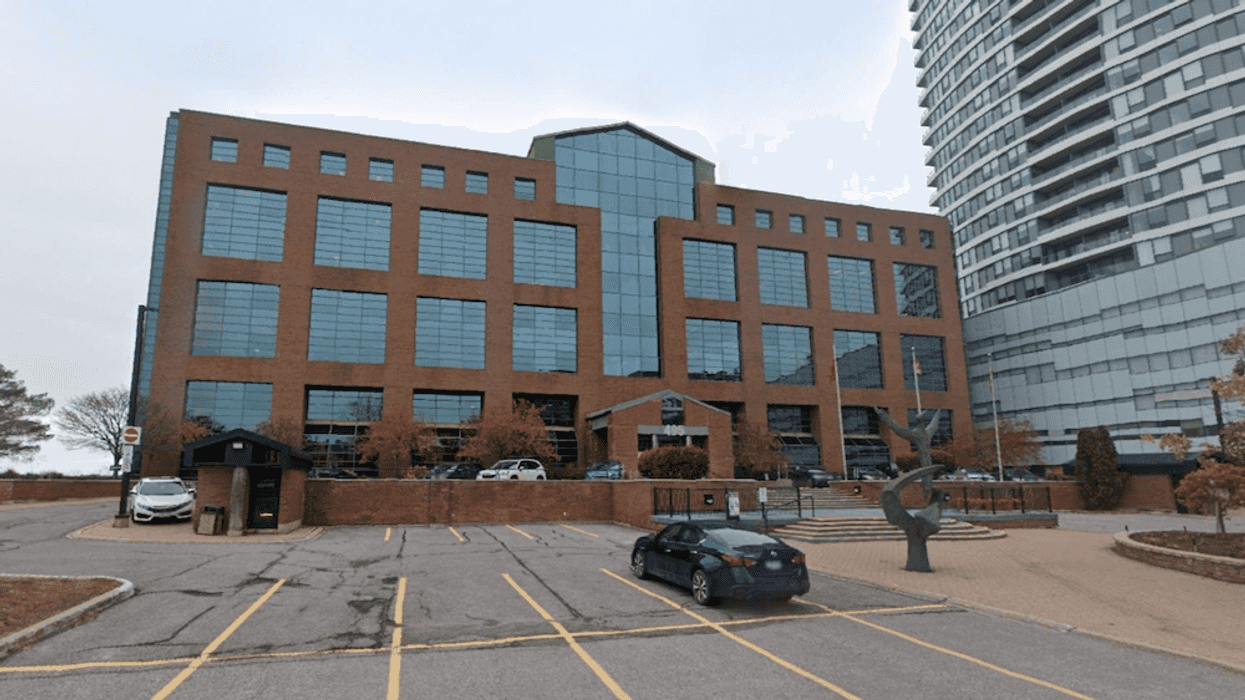
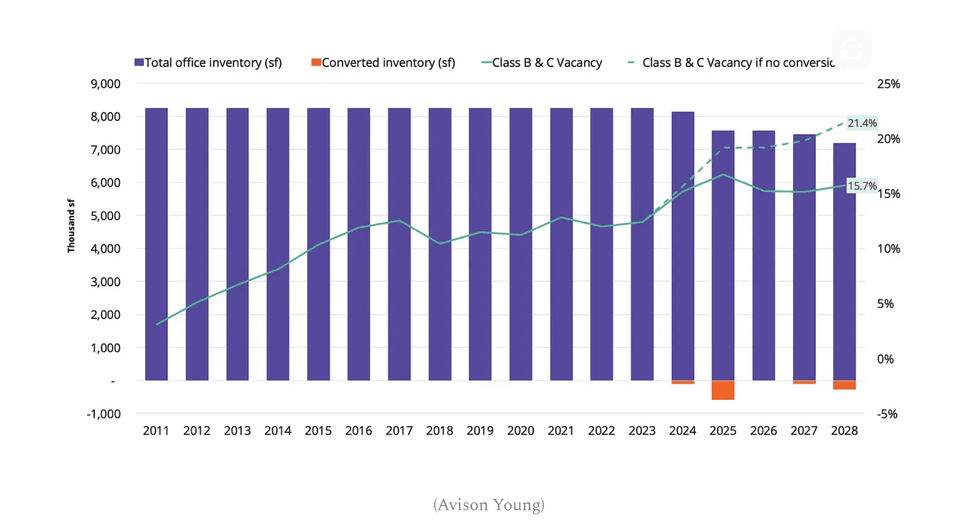 (Avison Young)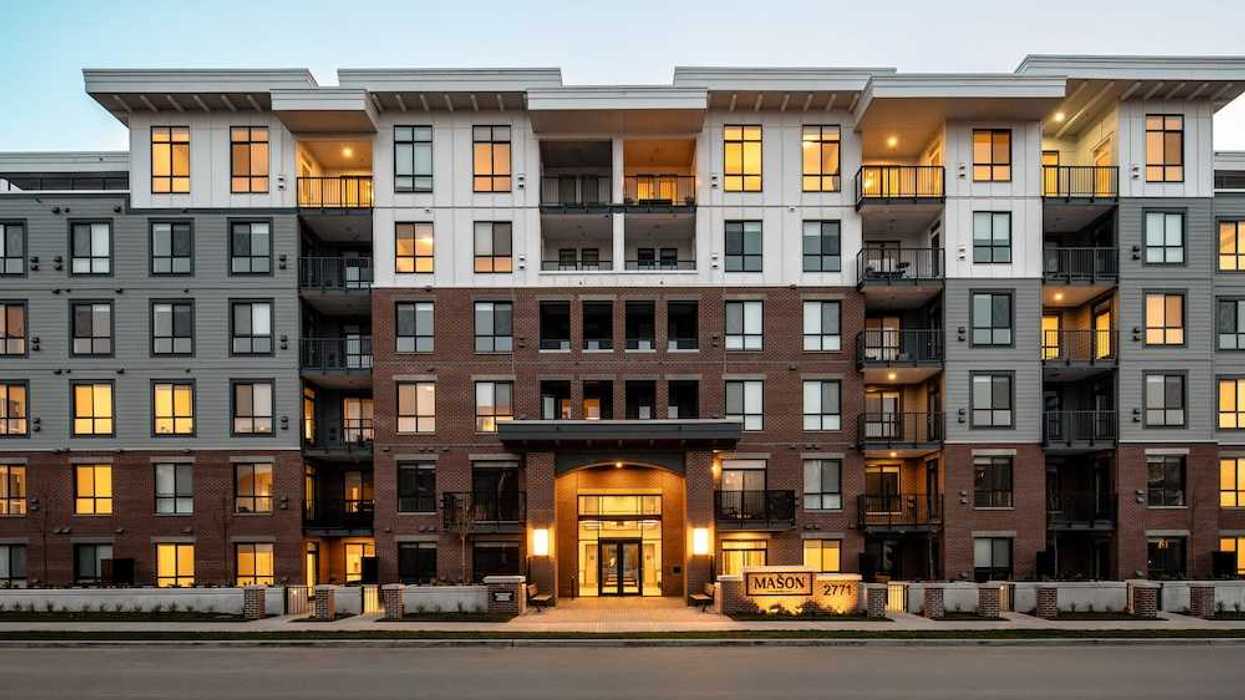
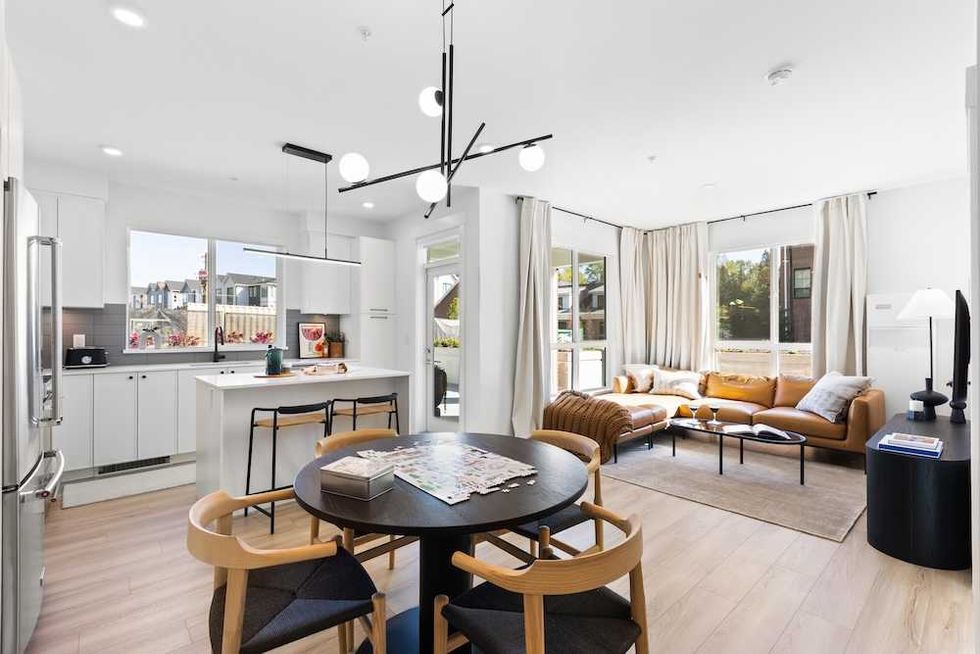 The Mason Suite Interior (Infinity Properties)
 The Mason Suite Interior (Infinity Properties)
 Rail District aerial (Infinity Properties)
 Versant (Infinity Properties)





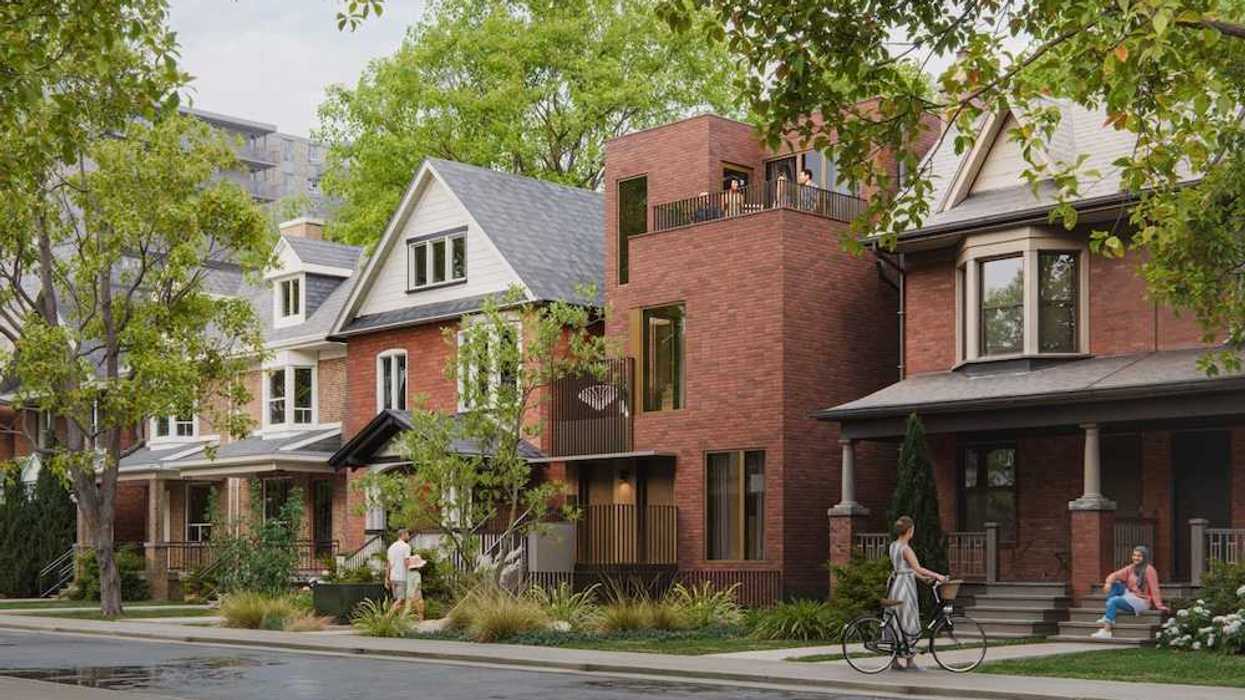
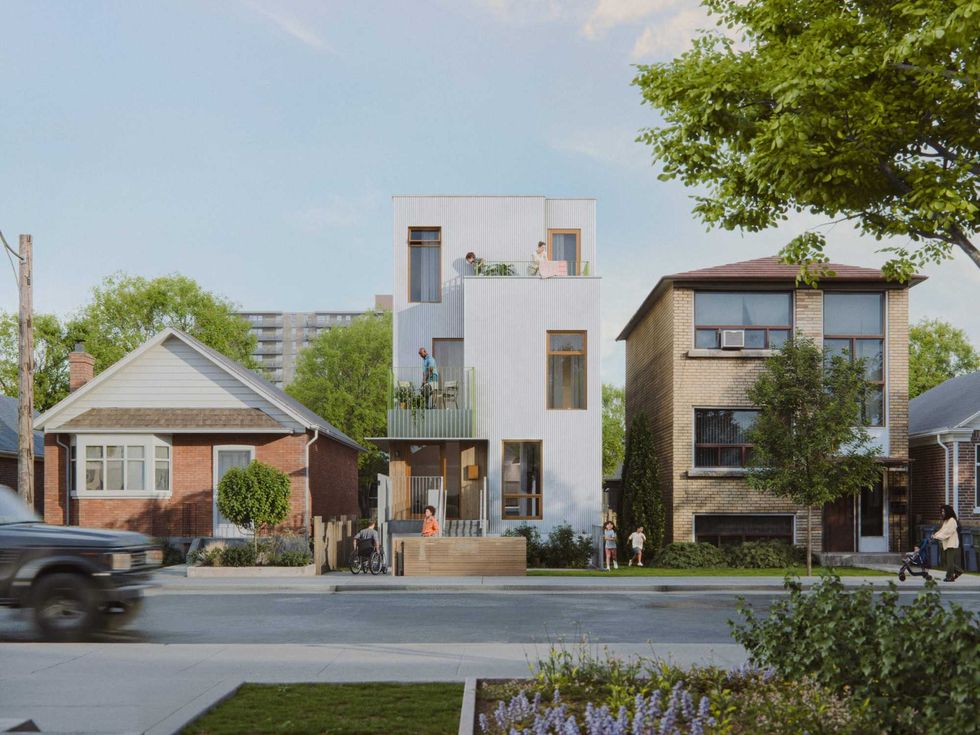 Narrow Fourplex (City of Toronto)
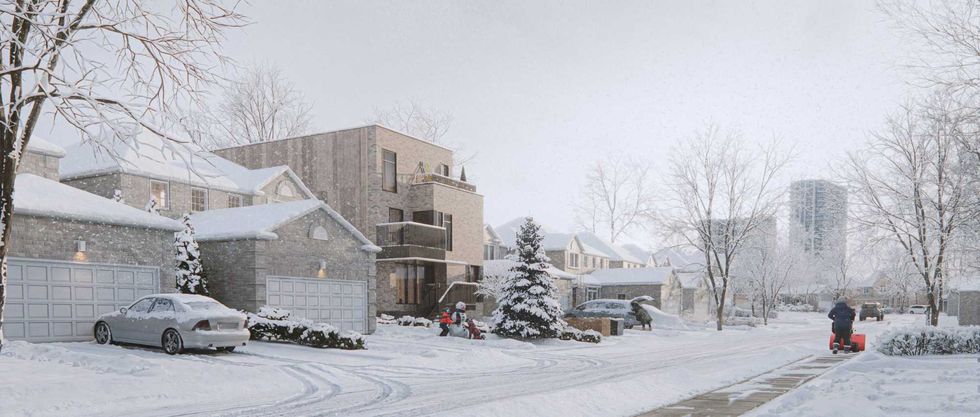 Wide Sixplex - Side View (City of Toronto)
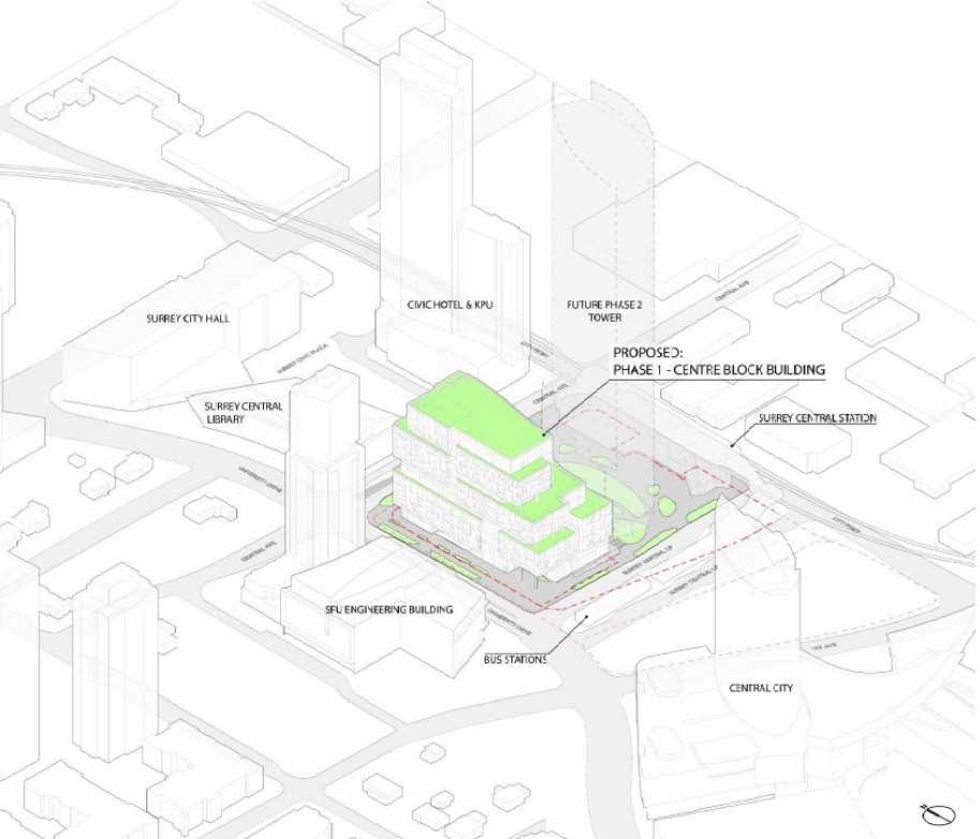 Centre Block and its surrounding context. (Stantec-Revery, SCDC)
 The 12-storey Phase One of Centre Block. (Stantec-Revery, SCDC)
 The 12-storey Phase One of Centre Block. (Stantec-Revery, SCDC)
 Mondria One, set for 1607 King Street East in Clarington, Ontario. (ICON Architects Inc., Monde Development Group)