Reserve Fund Study
A reserve fund study evaluates condo repair needs and funding, ensuring adequate reserves and protecting property values.
September 30, 2025
What is a Reserve Fund Study?
A reserve fund study is an assessment conducted for condominiums to evaluate the condition of common elements and estimate future repair and replacement costs. It helps determine the contributions required from unit owners to maintain a healthy reserve fund.
Why Reserve Fund Studies Matter in Real Estate
Reserve fund studies matter in real estate because they ensure condominium corporations plan adequately for long-term maintenance and avoid unexpected special assessments. They provide financial stability and protect property values.
Example of Reserve Fund Studies in Action
A condominium hires engineers to perform a reserve fund study. The study identifies upcoming roof repairs and recommends annual contribution increases to maintain adequate reserves.
Key Takeaways
- Evaluates condition of condo common elements.
- Projects future repair and replacement costs.
- Determines contributions needed for reserves.
- Prevents financial shortfalls and special assessments.
- Protects property values through proactive planning.
Related Terms
- Status Certificate
- Condo Fees
- Condominium Corporation
- Special Assessment
- Capital Expenditure
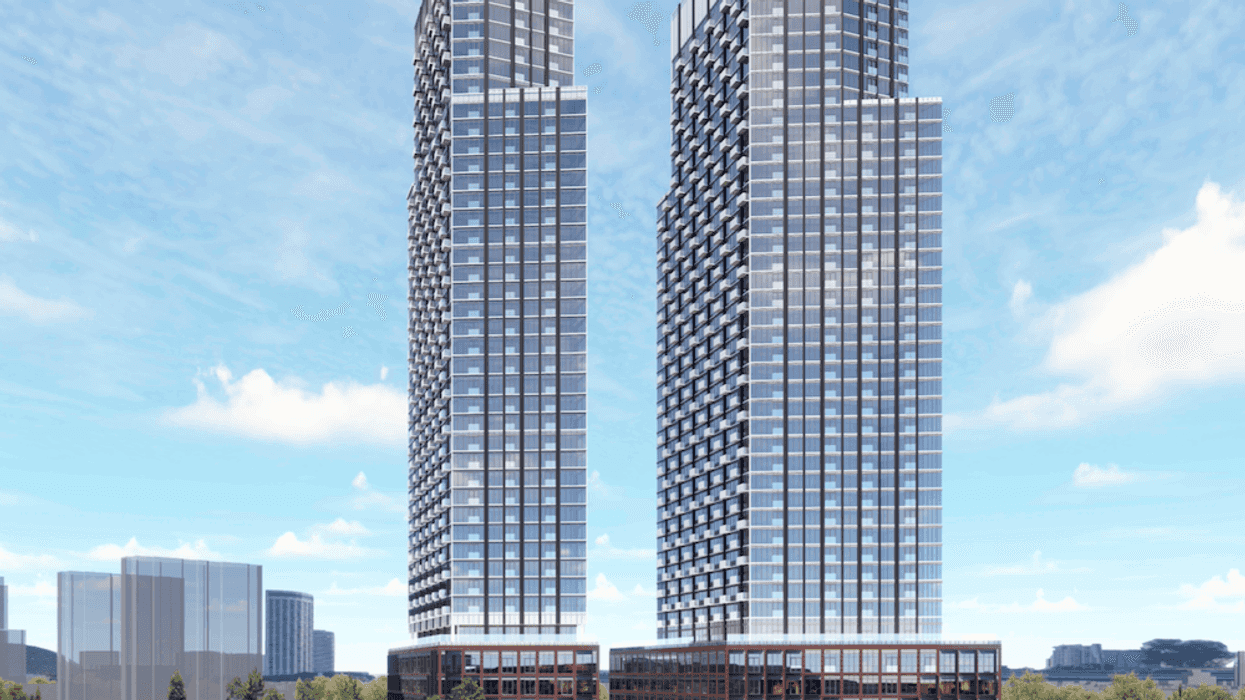
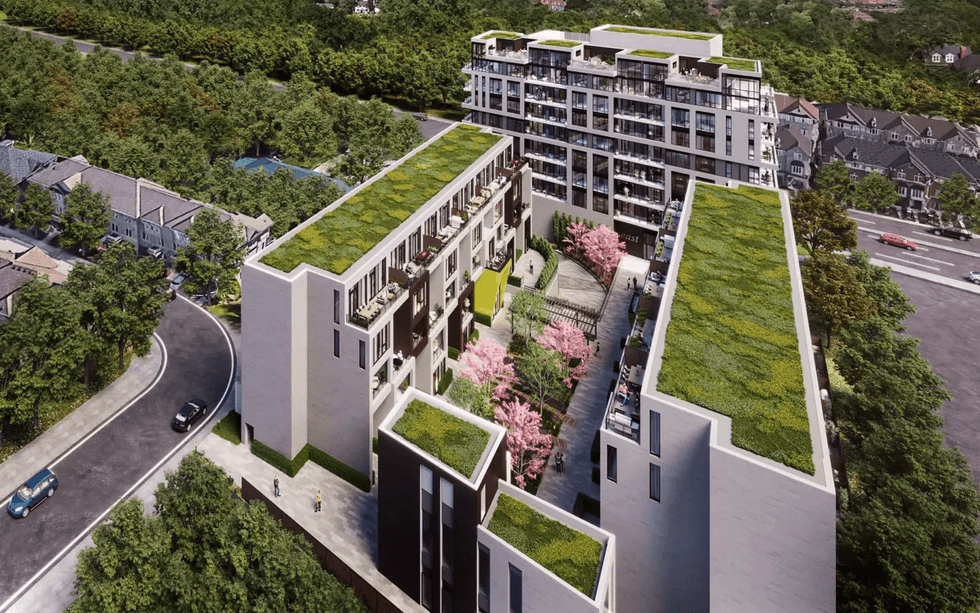 A rendering of the EverHome project. (The Sher Corporation)

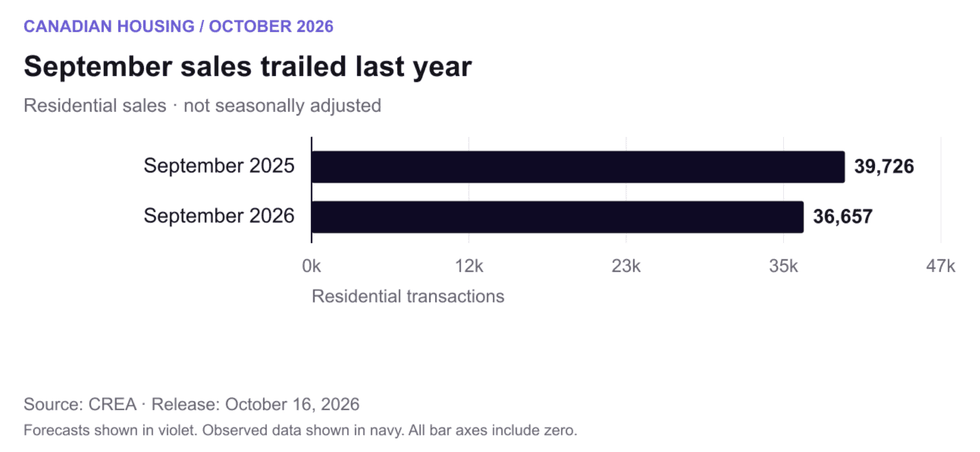 September residential sales, not seasonally adjusted; the annual comparison uses CREA’s revised figures. Chart:
 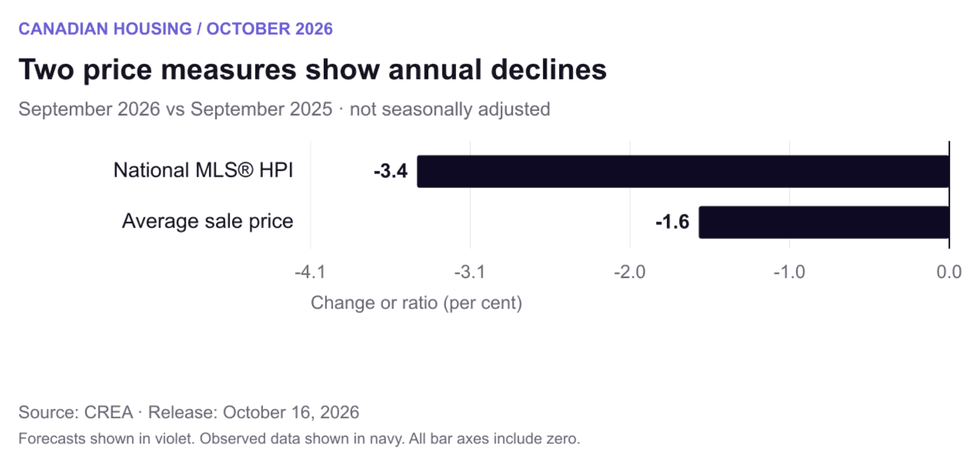 Annual changes in the unadjusted national MLS® HPI and average sale price. The average is affected by the mix of transactions. Chart:
 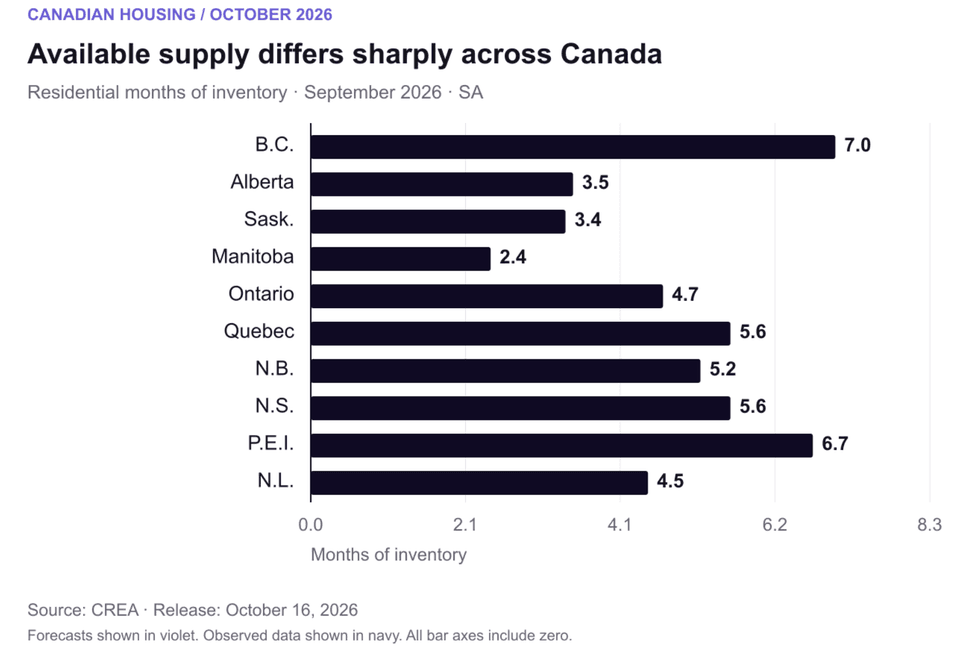 Seasonally adjusted residential months of inventory by province. Local property types can differ substantially. Chart:
 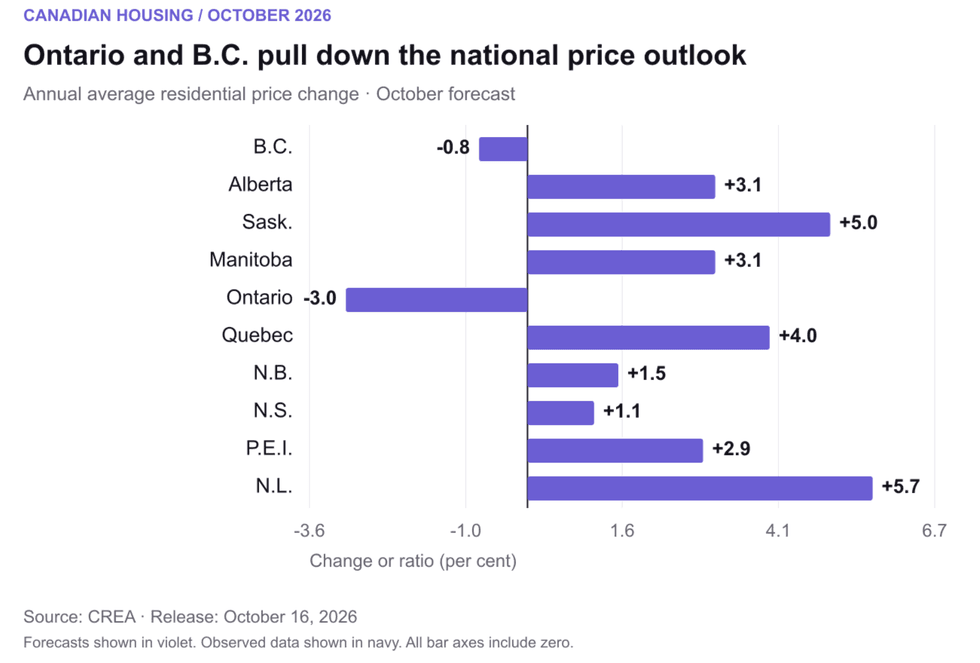 Ontario and B.C. are the two provinces with forecast annual average-price declines in 2026. Chart:
 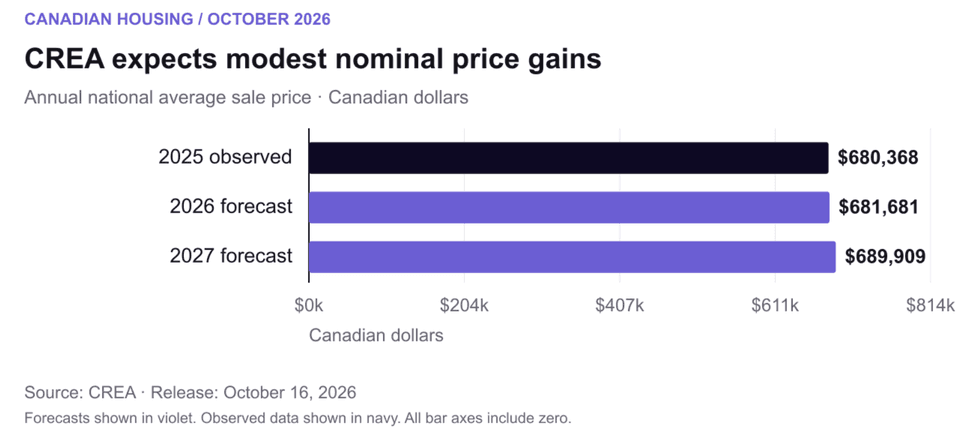 Annual average transaction prices in Canadian dollars. Forecast values are not December price targets. Chart:
 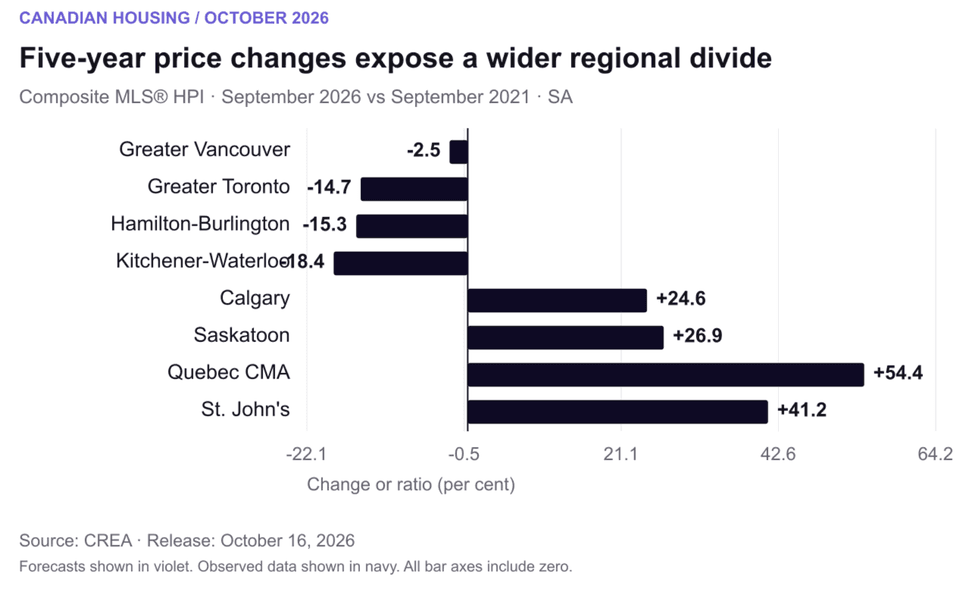 Five-year changes in seasonally adjusted composite MLS® HPI benchmarks, September 2021 to September 2026. Chart: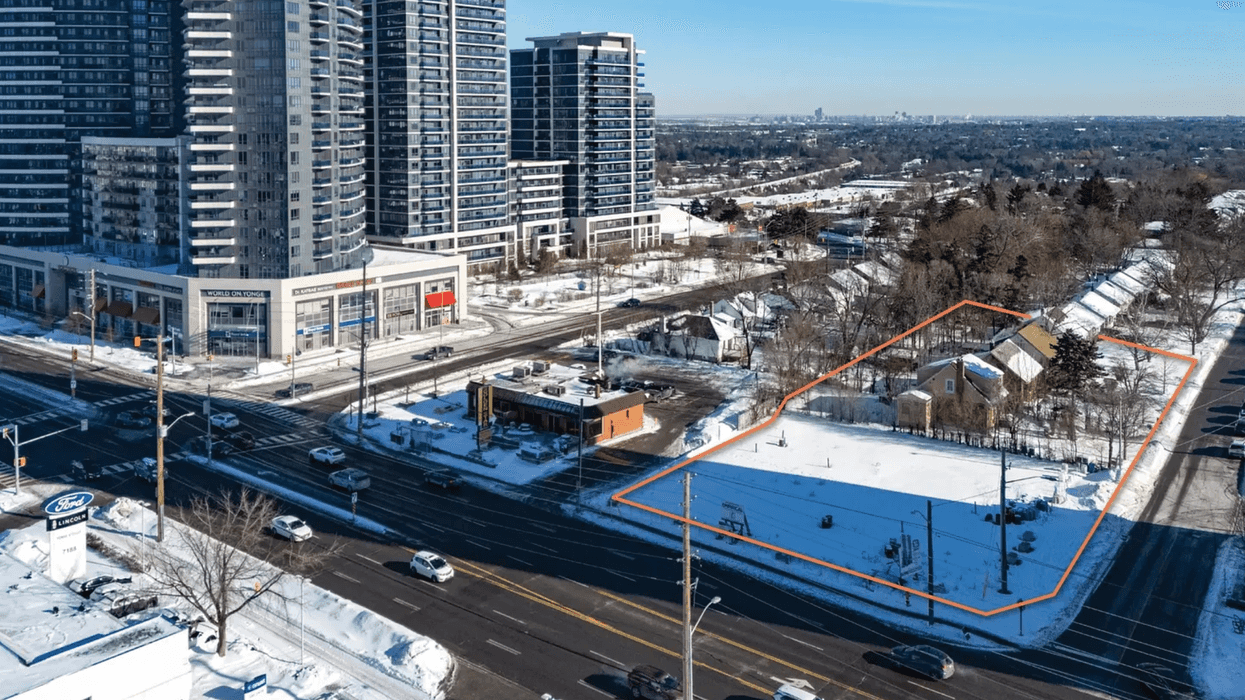
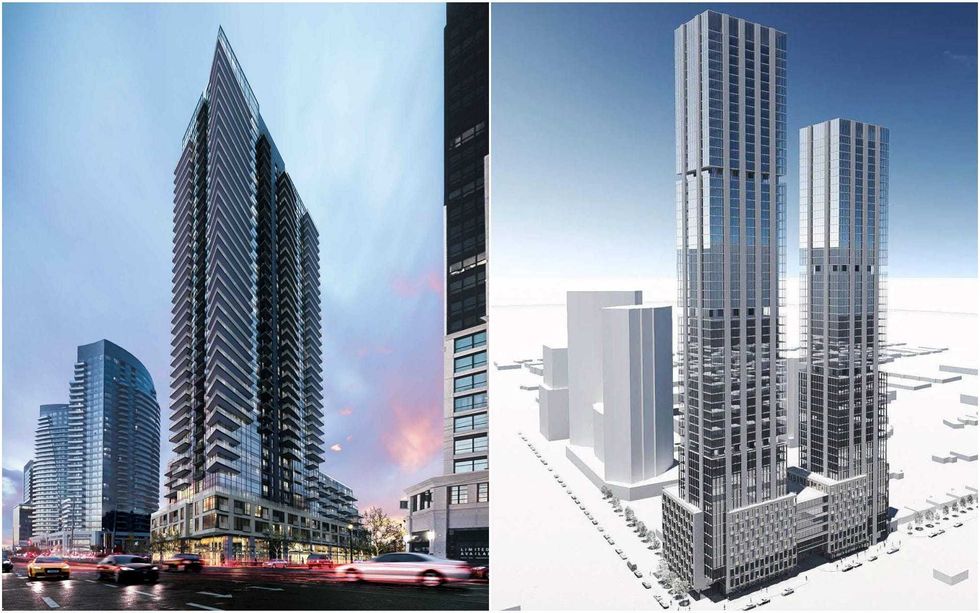 The original proposal (left) and current proposal (right) for 7115 Yonge Street and 8-14 Grandview Avenue in Markam. (Arcadis)