Heritage Designation
Explore heritage designation in Canadian real estate — what it means, its restrictions, and how it protects historic properties.
July 29, 2025
What is a Heritage Designation?
Heritage designation is an official status given to a property that recognizes its historical, cultural, or architectural significance, protecting it under heritage conservation laws.
Why Heritage Designations Matter in Real Estate
In Canadian real estate, heritage designation preserves community character but may limit alterations or redevelopment.
Key points:
- Imposes restrictions on changes to structure or appearance
- May provide grants or tax relief for maintenance
- Requires municipal or provincial approval for modifications
Understanding heritage designation helps buyers, owners, and developers manage obligations and opportunities.
Example of a Heritage Designation in Action
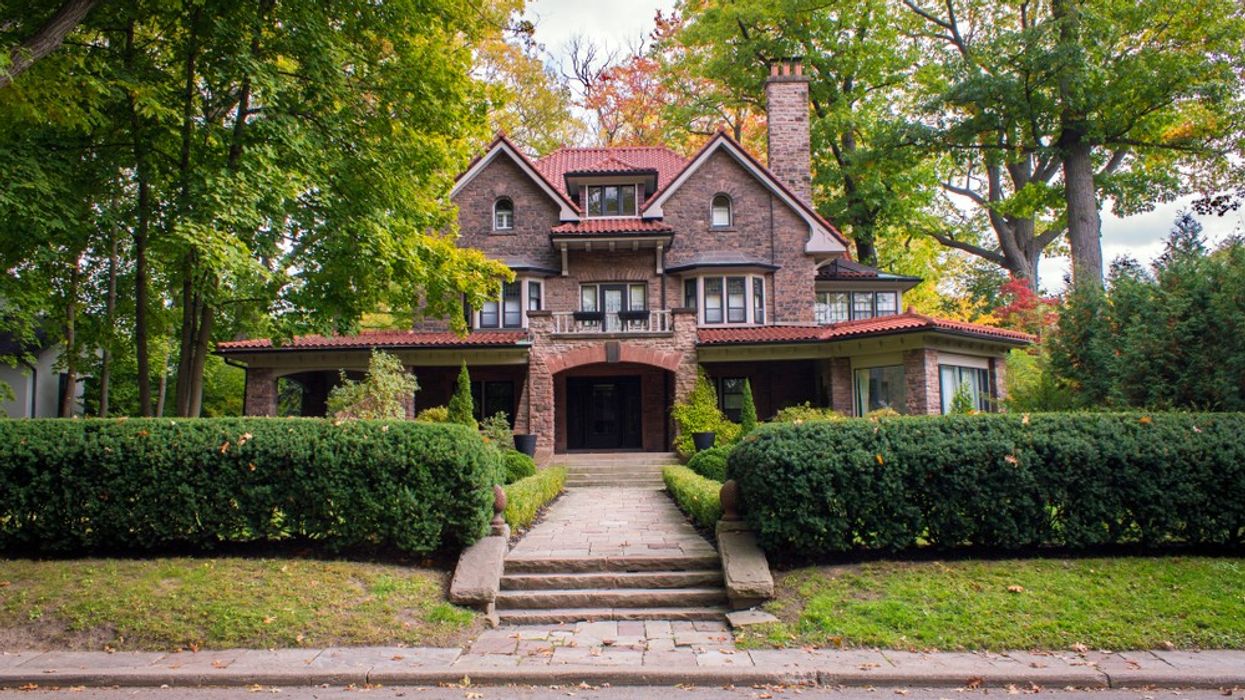
The property’s heritage designation required the owner to seek municipal approval before altering the building façade.
Key Takeaways
- Protects historically significant properties
- Restricts certain alterations or demolition
- May offer financial incentives for upkeep
- Requires approvals for changes
- Preserves community character
Related Terms
- Adaptive Reuse
- Zoning
- Building Permit
- Urban Planning
- Development Charges

 Mondria One, set for 1607 King Street East in Clarington, Ontario. (ICON Architects Inc., Monde Development Group)








 Via STOREYS Editorial team

 An overview of the two Ravine buildings. (Newmark)
 95 Clegg Road in Markham, Ontario. (Colliers)
 95 Clegg Road (centre) in Markham, Ontario. (Colliers)