Exclusionary Zoning
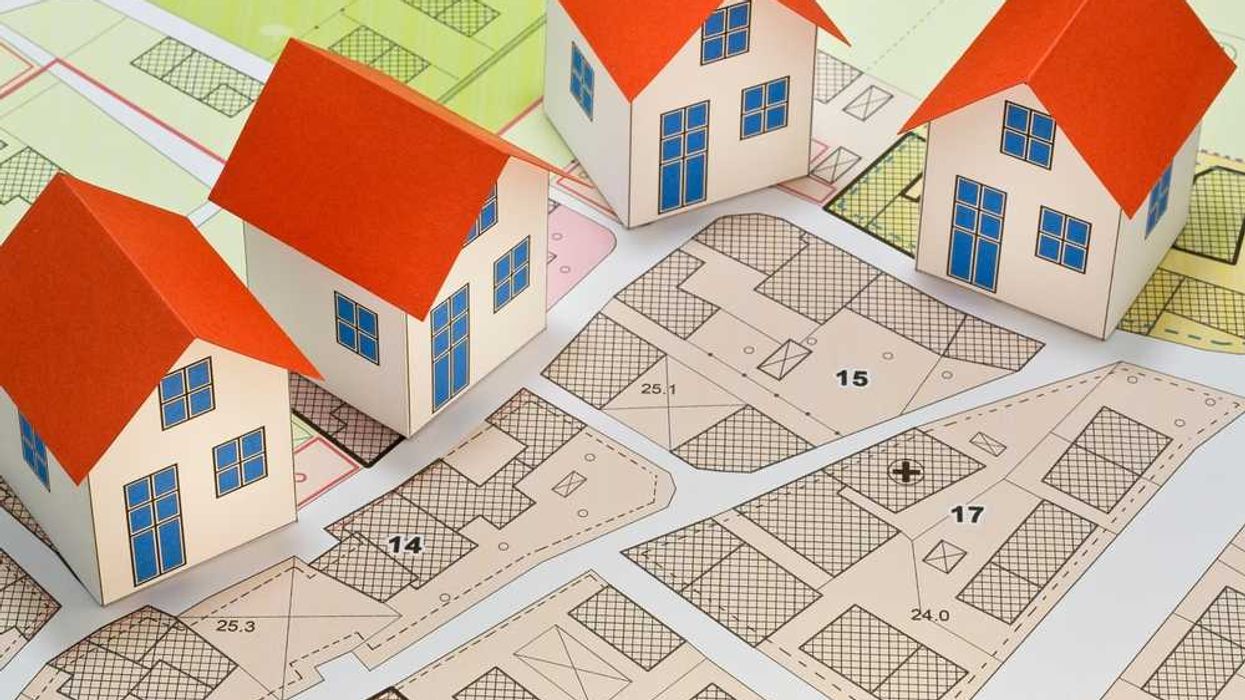
Exclusionary zoning limits housing types and density, reducing affordability and diversity in communities.
September 30, 2025
What is Exclusionary Zoning?
Exclusionary zoning refers to land use policies that limit housing types or density, often by requiring large lot sizes, single-family homes, or restrictive conditions. These practices reduce affordability and restrict diverse housing supply.
Why Exclusionary Zoning Matters in Real Estate
Exclusionary zoning matters in real estate because it influences who can live in certain areas, often reinforcing socioeconomic or racial segregation. Reforming exclusionary practices is a key focus in housing policy debates.
Example of Exclusionary Zoning in Action
A municipality mandates single-family zoning on most residential land, preventing construction of duplexes or apartments and limiting affordable housing supply.
Key Takeaways
- Restricts housing types or density through zoning.
- Contributes to affordability and supply challenges.
- Can reinforce socioeconomic segregation.
- Reform is a focus of housing affordability efforts.
- Contrasts with inclusionary zoning policies.
Related Terms
- Inclusionary Zoning
- Density Study
- Land Use Bylaws
- Urban Planning
- Housing Affordability
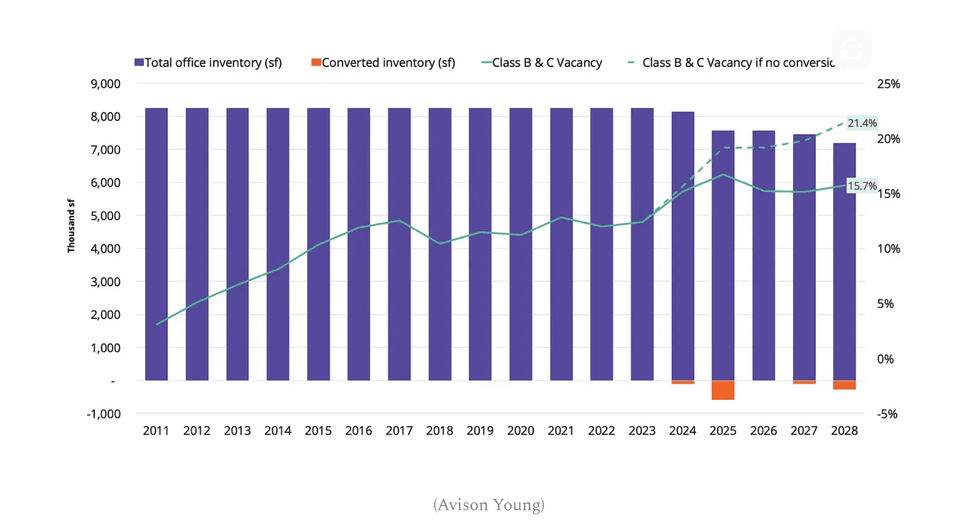 (Avison Young)
 The Mason Suite Interior (Infinity Properties)
 The Mason Suite Interior (Infinity Properties)
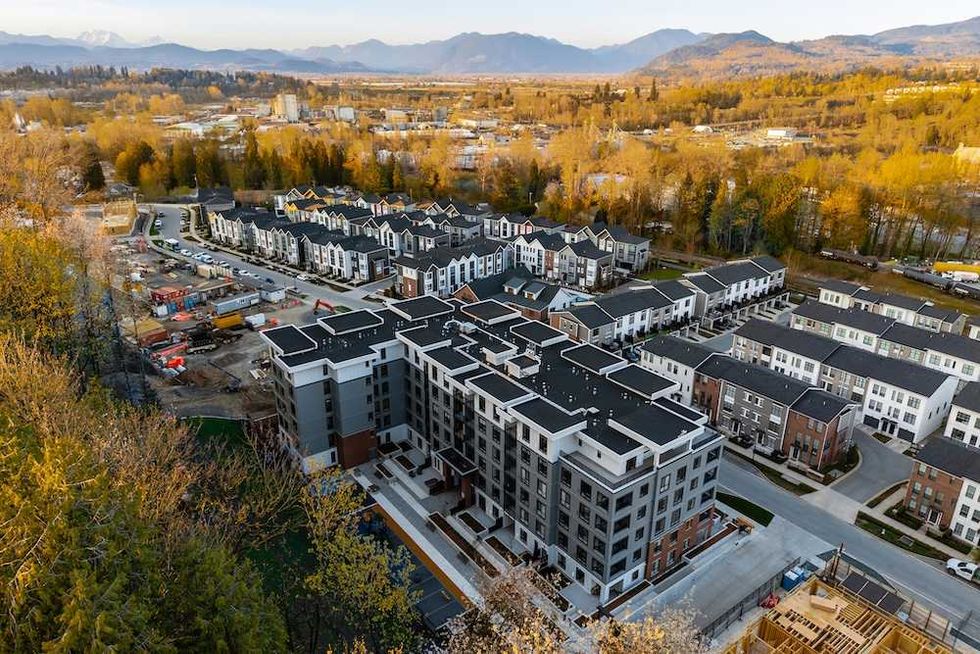 Rail District aerial (Infinity Properties)
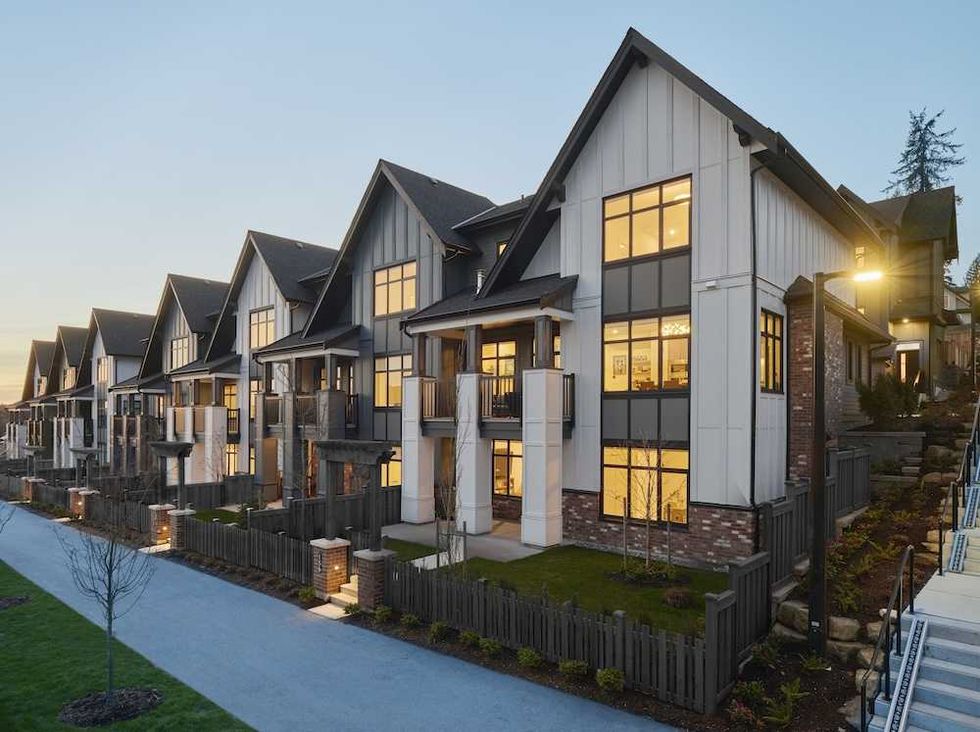 Versant (Infinity Properties)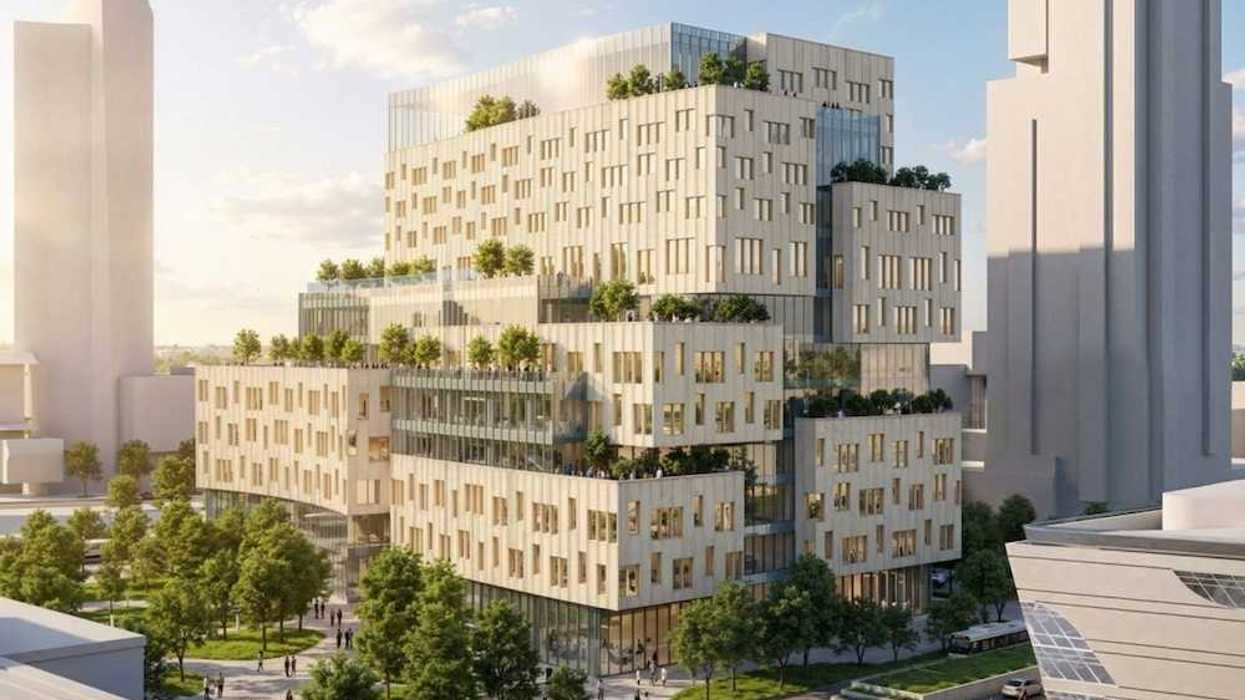








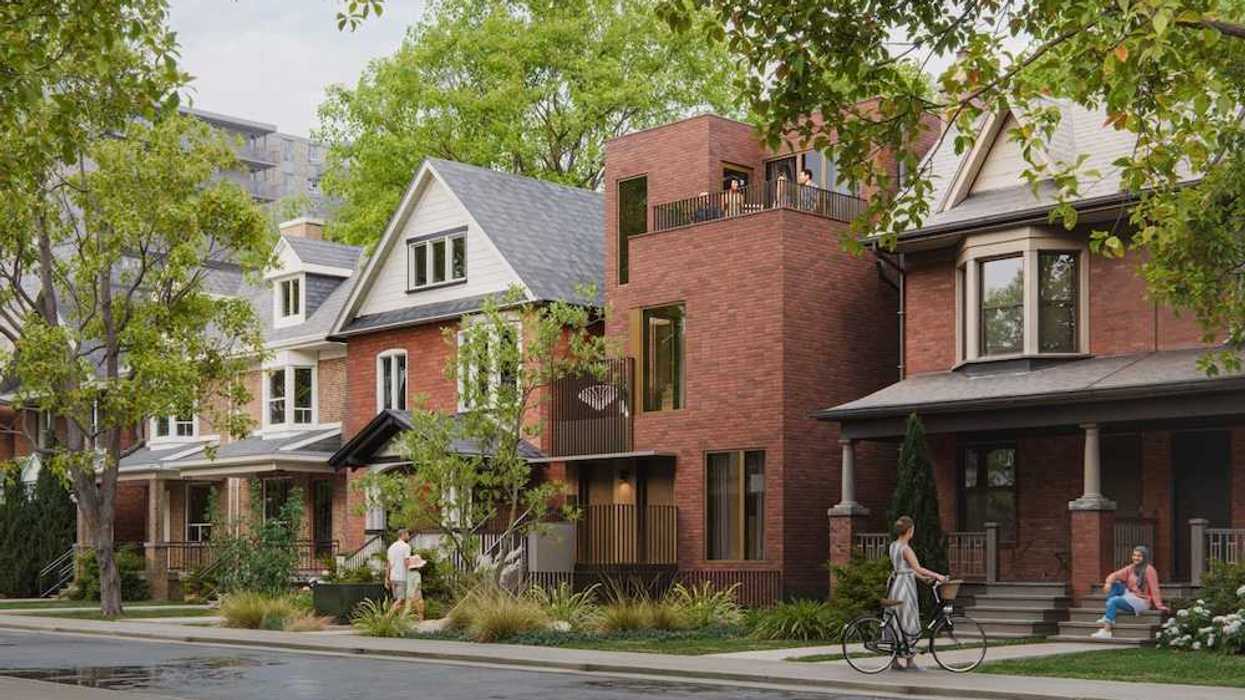
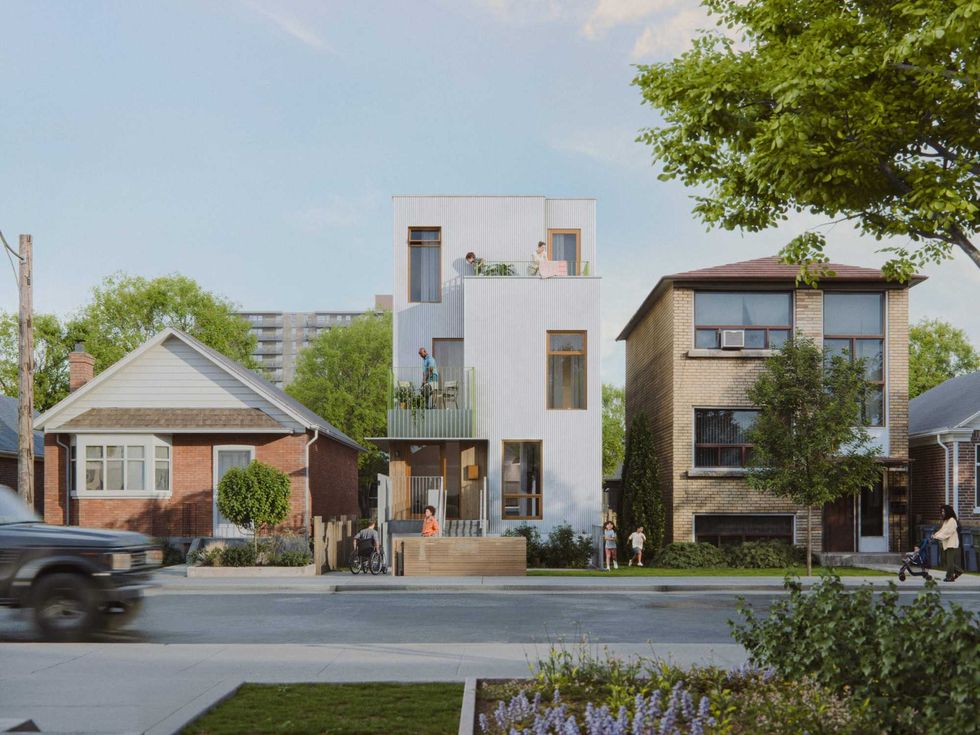 Narrow Fourplex (City of Toronto)
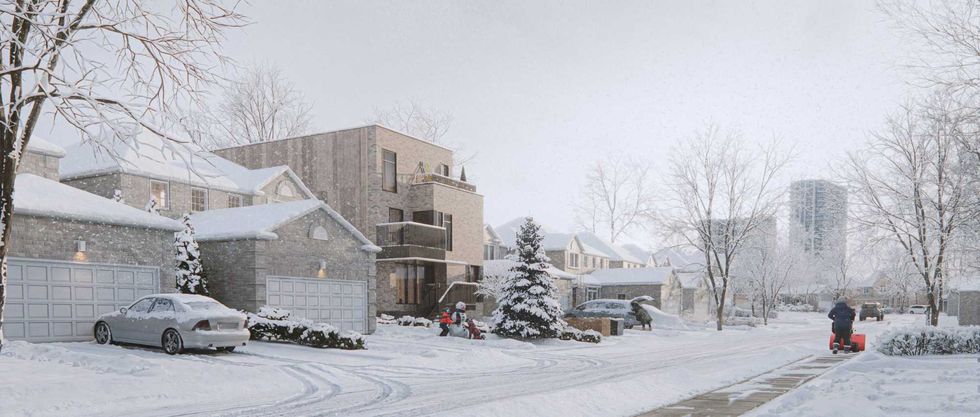 Wide Sixplex - Side View (City of Toronto)