Estoppel Certificate
Explore what an estoppel certificate is in Canadian real estate, what it verifies, and how it protects buyers and lenders during condo and lease transactions.

May 22, 2025
What is an Estoppel Certificate?
An estoppel certificate is a legal document used in real estate, particularly in condominium or commercial property transactions, to confirm existing financial and legal obligations related to a unit or lease.
Why an Estoppel Certificate Matters in Real Estate
In Canadian real estate, estoppel certificates are commonly requested during condo purchases or investment property sales. The document verifies:- Current ownership and tenant status
- Outstanding condo fees or arrears
- Bylaw compliance and legal proceedings
- Special assessments or reserve fund contributions
Buyers and lenders use the certificate to ensure there are no unexpected financial obligations tied to the unit that might affect closing.
Understanding the estoppel certificate helps protect buyers and lenders from inheriting liabilities and ensures transparency in multi-unit or managed properties.
Example of an Estoppel Certificate in Action
Before finalizing the purchase of a condo, the buyer’s lawyer obtains an estoppel certificate confirming no arrears or special assessments are owed.
Key Takeaways
- Confirms financial/legal obligations of a unit.
- Used in condo and commercial deals.
- Requested by buyers and lenders.
- Prevents assumption of undisclosed debts.
- Part of due diligence.
Related Terms
- Condo Fees
- Bylaws
- Reserve Fund
- Special Assessment
- Disclosure Statement

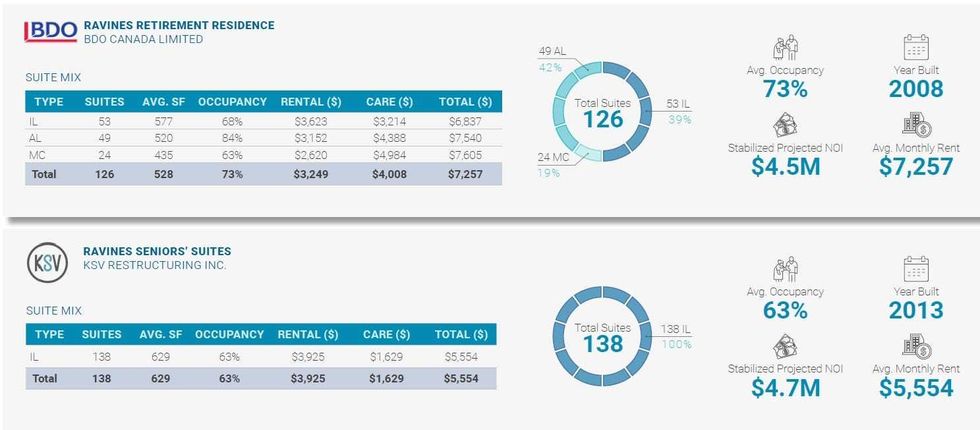 An overview of the two Ravine buildings. (Newmark)

 95 Clegg Road in Markham, Ontario. (Colliers)
 95 Clegg Road (centre) in Markham, Ontario. (Colliers)








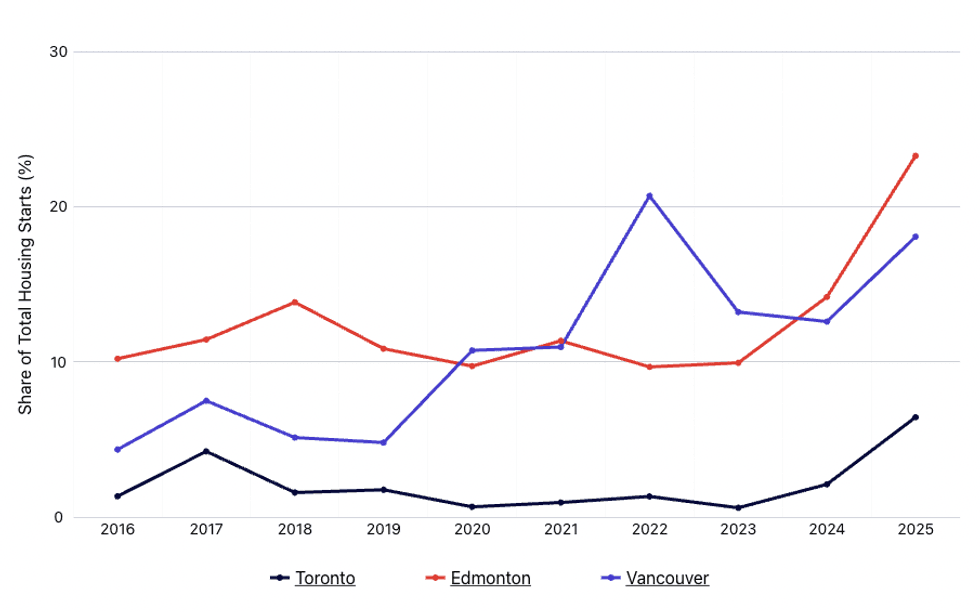 Small-scale infill share of housing starts in Toronto, Vancouver, and Edmonton/CMHC
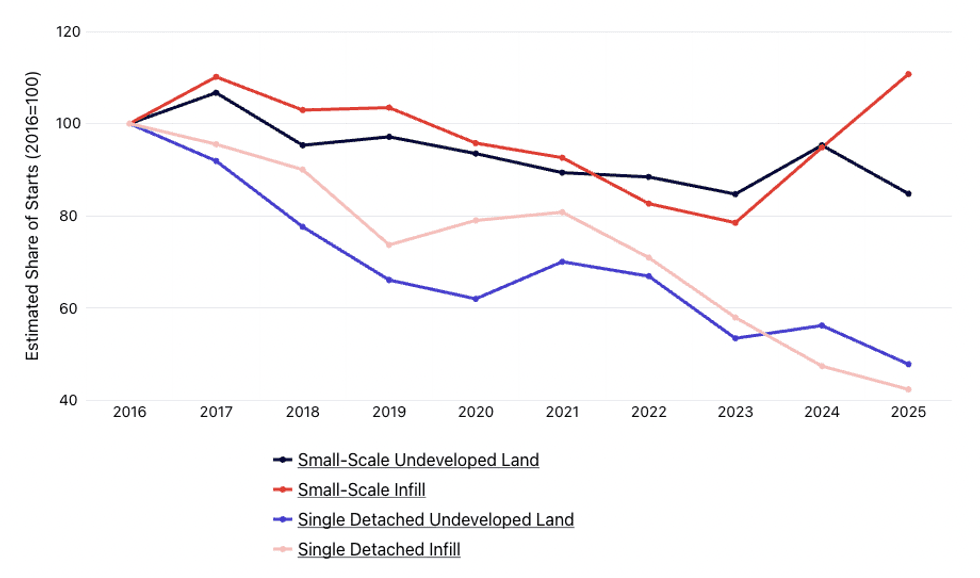 Housing starts for one to eight unit developments/CMHC


 An overview of Hedge Road Landing. (Alliance Homes)

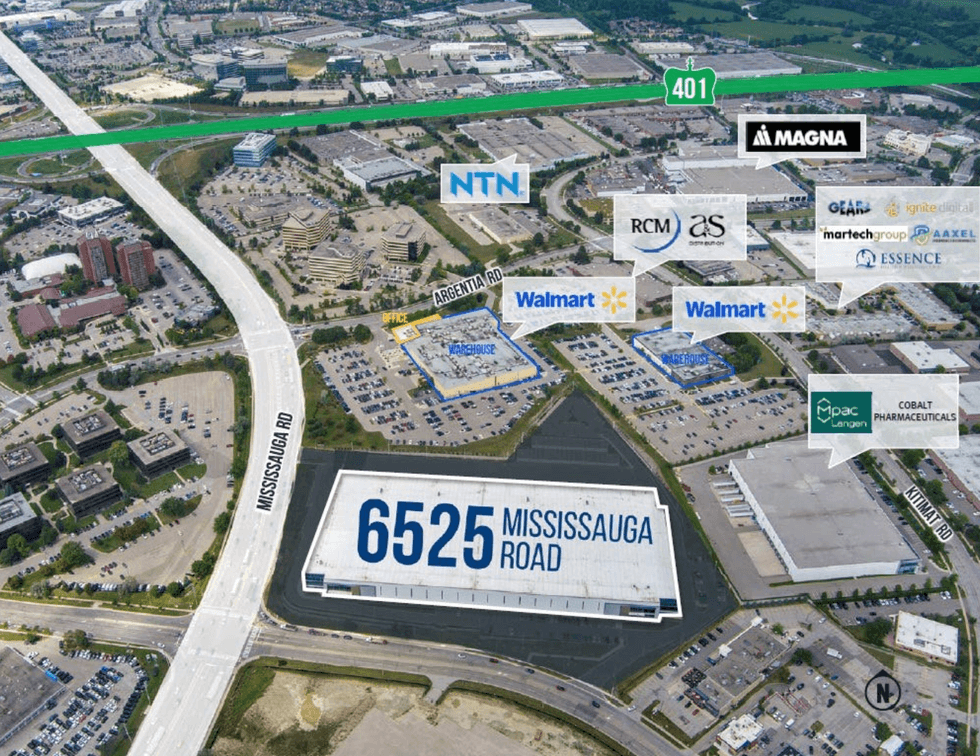 6525 Mississauga Road and its surrounding context. (RBC Capital Markets & CBRE)
 Property details for 6525 Mississauga Road. (RBC Capital Markets & CBRE)
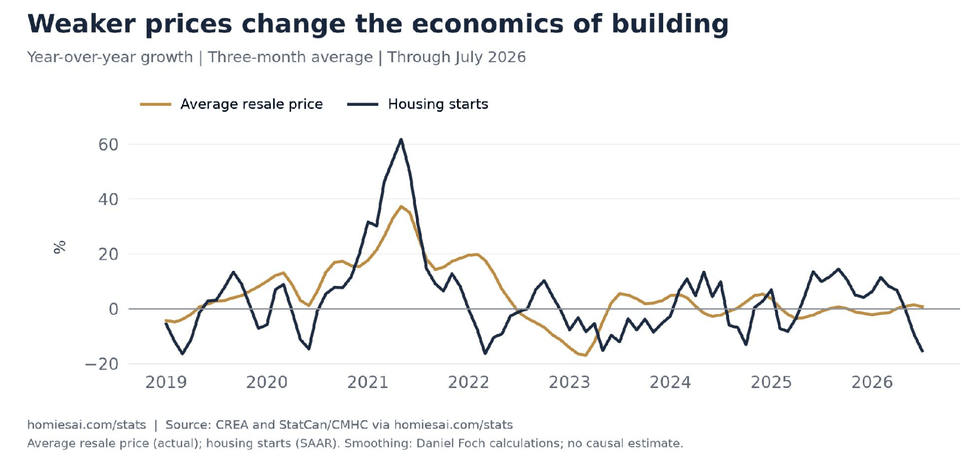 National average resale-price growth and housing-starts growth, smoothed over three months. The comparison illustrates the cycle; it does not establish how much a price change causes construction to change.
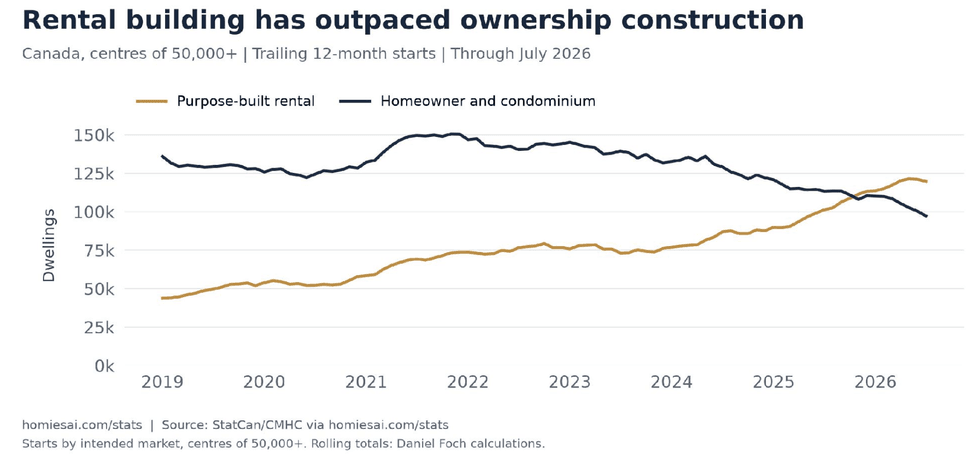 Trailing 12-month starts in centres of 50,000 or more remove the usual monthly seasonality. Ownership combines the homeowner and condominium categories; rental is shown separately.
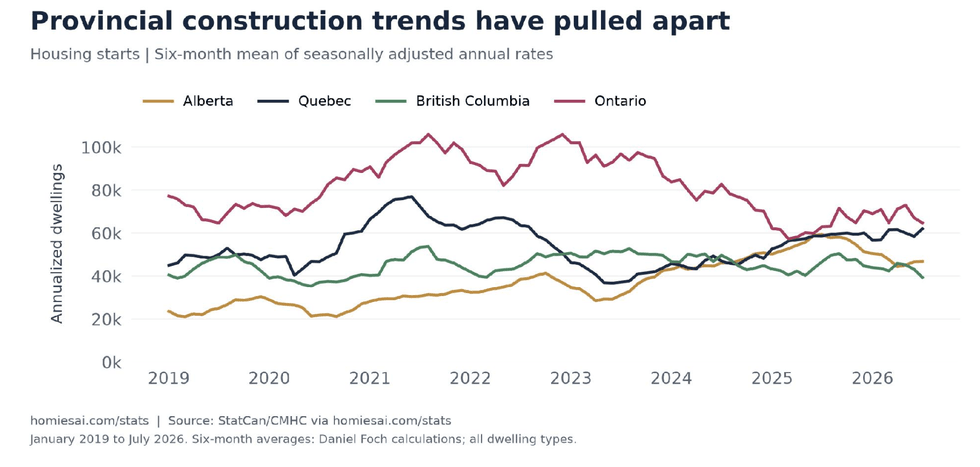 Six-month averages of provincial starts, expressed at annual rates. The smoothing reduces the influence of individual apartment projects.
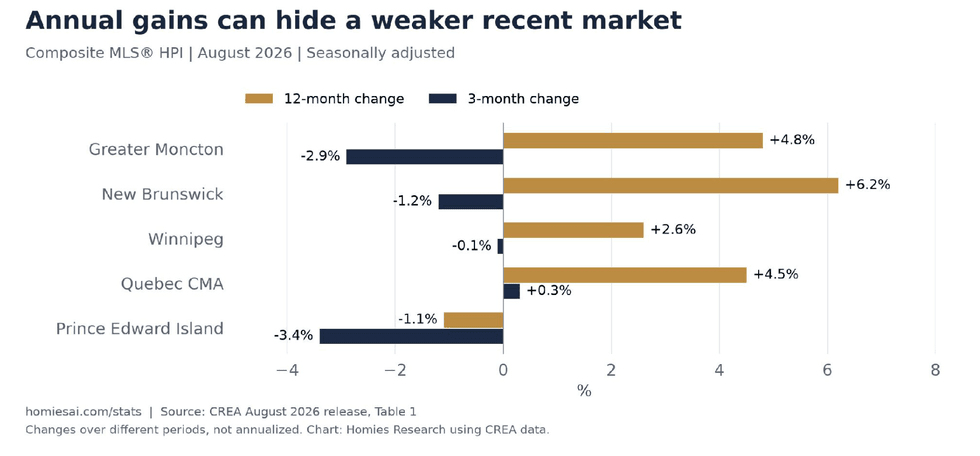 The same August benchmark compared with two different starting points. Three-month changes are not annualized.
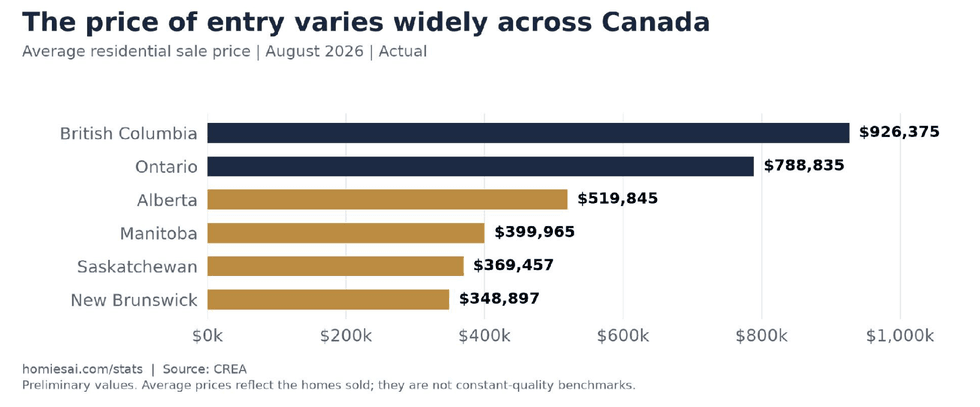 Average sale prices show the difference in purchase costs across markets. They do not measure affordability relative to local incomes or construction costs.
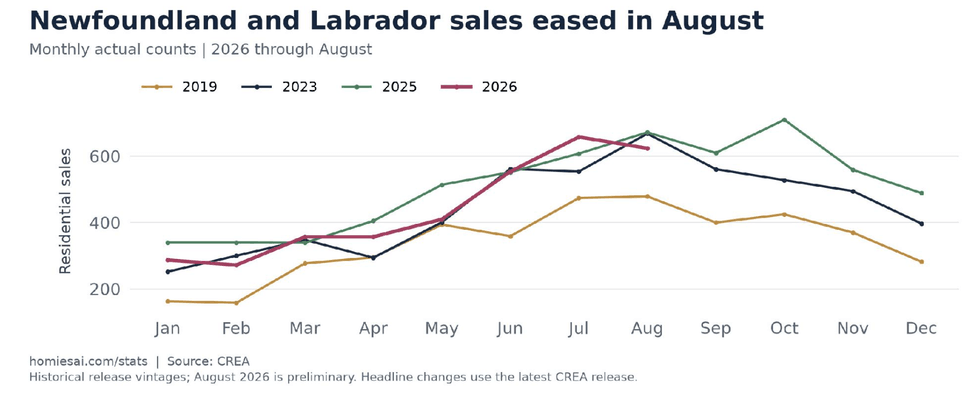 Newfoundland and Labrador remains above its pre-pandemic sales pattern, but August activity was below last year. Historical lines retain their original release vintages.