Estoppel Certificate
Explore what an estoppel certificate is in Canadian real estate, what it verifies, and how it protects buyers and lenders during condo and lease transactions.

May 22, 2025
What is an Estoppel Certificate?
An estoppel certificate is a legal document used in real estate, particularly in condominium or commercial property transactions, to confirm existing financial and legal obligations related to a unit or lease.
Why an Estoppel Certificate Matters in Real Estate
In Canadian real estate, estoppel certificates are commonly requested during condo purchases or investment property sales. The document verifies:- Current ownership and tenant status
- Outstanding condo fees or arrears
- Bylaw compliance and legal proceedings
- Special assessments or reserve fund contributions
Buyers and lenders use the certificate to ensure there are no unexpected financial obligations tied to the unit that might affect closing.
Understanding the estoppel certificate helps protect buyers and lenders from inheriting liabilities and ensures transparency in multi-unit or managed properties.
Example of an Estoppel Certificate in Action
Before finalizing the purchase of a condo, the buyer’s lawyer obtains an estoppel certificate confirming no arrears or special assessments are owed.
Key Takeaways
- Confirms financial/legal obligations of a unit.
- Used in condo and commercial deals.
- Requested by buyers and lenders.
- Prevents assumption of undisclosed debts.
- Part of due diligence.
Related Terms
- Condo Fees
- Bylaws
- Reserve Fund
- Special Assessment
- Disclosure Statement













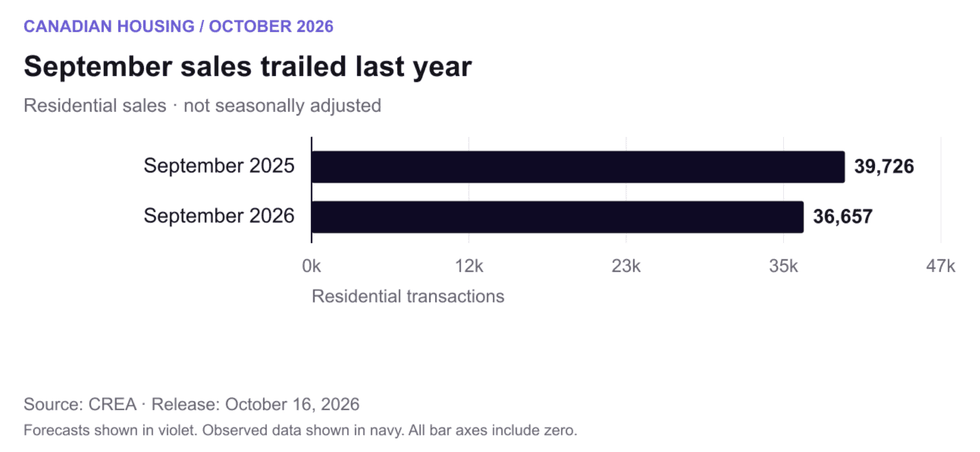 September residential sales, not seasonally adjusted; the annual comparison uses CREA’s revised figures. Chart:
 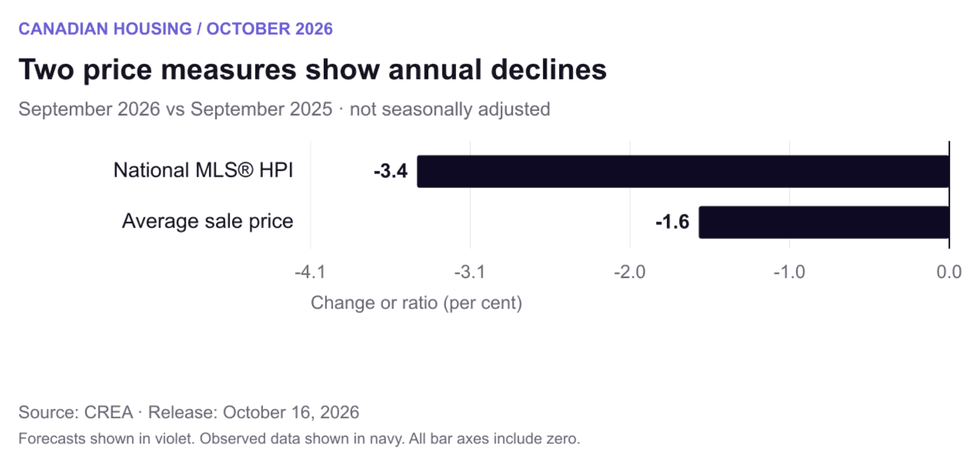 Annual changes in the unadjusted national MLS® HPI and average sale price. The average is affected by the mix of transactions. Chart:
 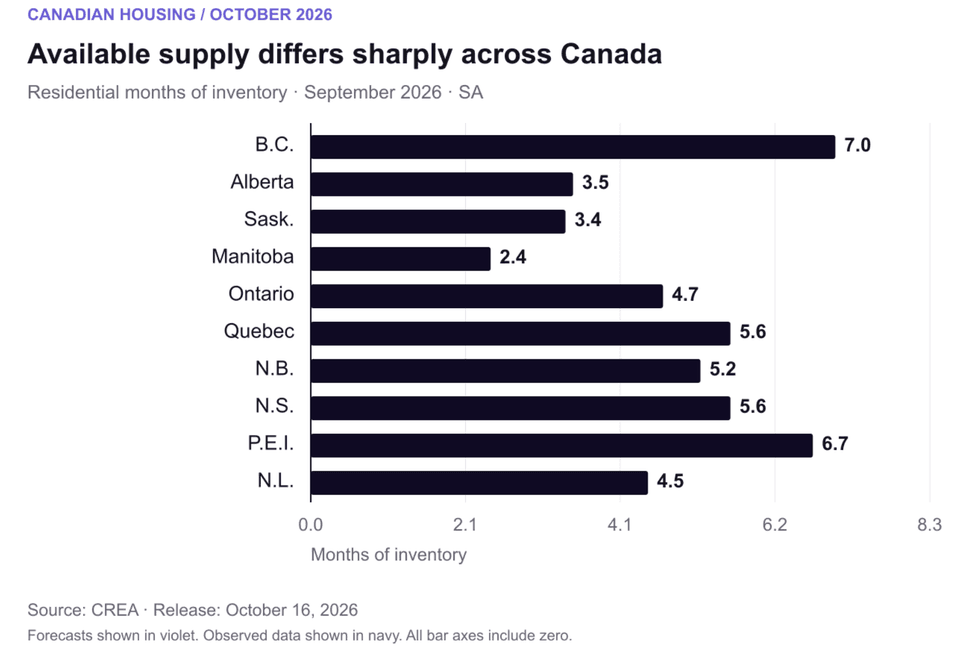 Seasonally adjusted residential months of inventory by province. Local property types can differ substantially. Chart:
 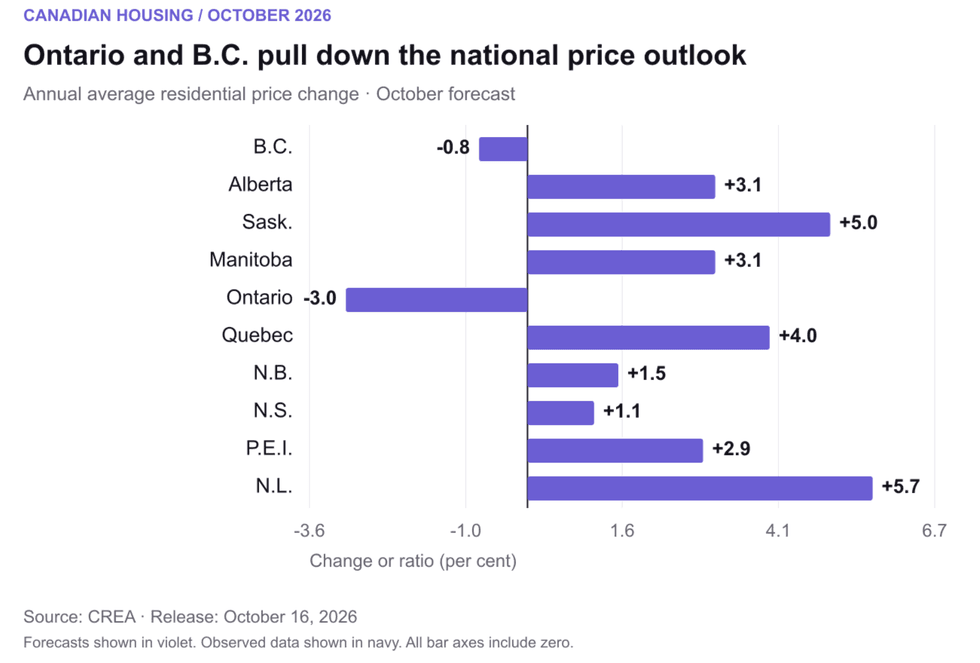 Ontario and B.C. are the two provinces with forecast annual average-price declines in 2026. Chart:
 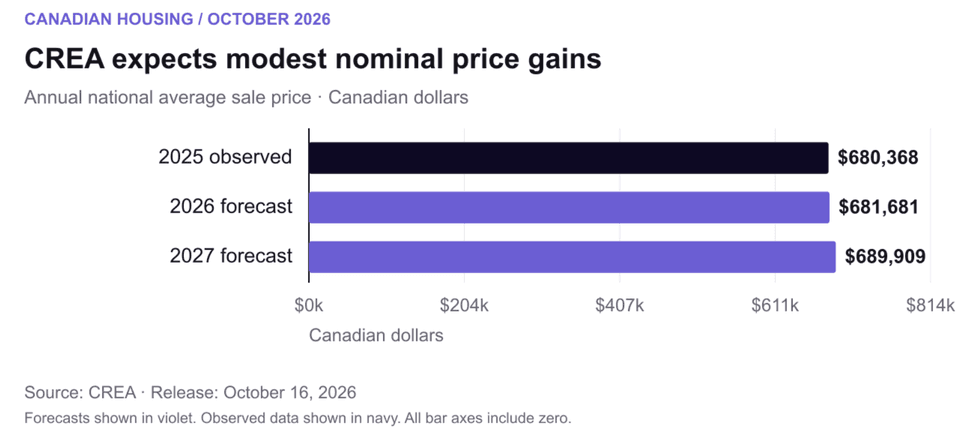 Annual average transaction prices in Canadian dollars. Forecast values are not December price targets. Chart:
 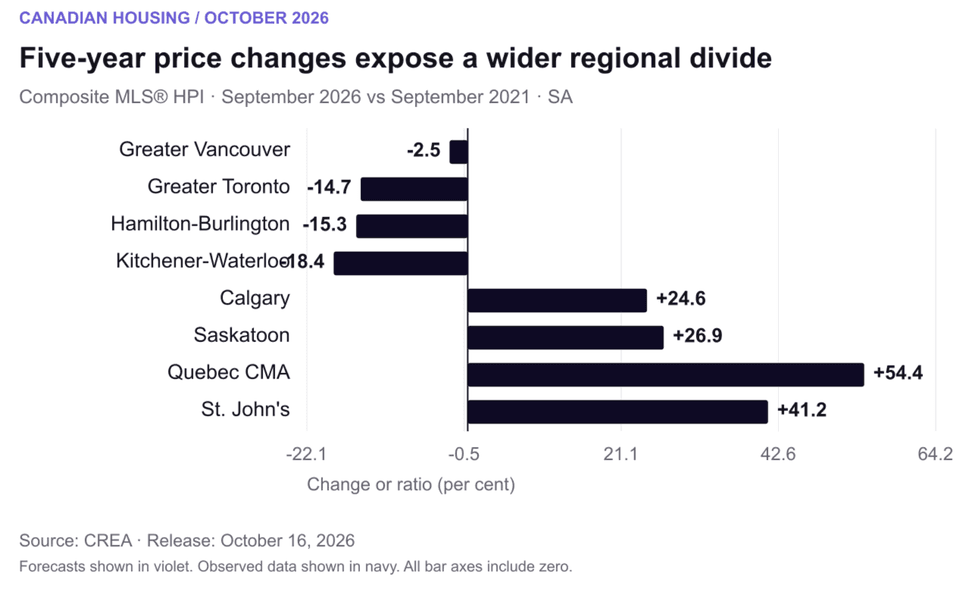 Five-year changes in seasonally adjusted composite MLS® HPI benchmarks, September 2021 to September 2026. Chart: