Credit Score Impact on Mortgage

Explore how your credit score affects mortgage approval in Canada, and learn how to boost your score for better rates and loan options.

Credit Score Impact on Mortgage


What is a Credit Score's Impact on Mortgage?

Credit score impact on mortgage refers to how a borrower’s credit score influences their mortgage eligibility, interest rate, and loan terms.

Why a Credit Score's Impact on Mortgage Matters in Real Estate

In Canadian real estate, your credit score is a major factor in determining whether you qualify for a mortgage and at what interest rate. Lenders use credit scores to assess the risk of lending money to a borrower.

Typical credit score thresholds:
- 680+: Excellent – Access to best rates and terms
- 600–679: Good – Qualifies for most mortgages
- 500–599: Fair – May need alternative lenders
- Below 500: Poor – Limited mortgage options

A higher credit score can secure better mortgage rates, which significantly reduces long-term interest costs. Conversely, a lower score may result in higher interest rates, larger down payments, or denial of mortgage approval.

Credit scores are influenced by factors such as payment history, debt levels, credit utilization, and length of credit history. Buyers can improve their score by paying bills on time, reducing debt, and avoiding unnecessary credit inquiries.

Understanding how credit score affects your mortgage options helps borrowers make strategic financial decisions and access better housing opportunities.

Example of a Credit Score's Impact on Mortgage

A borrower with a 750 credit score qualifies for a 4.4% mortgage rate, while another with a 620 score is offered 5.6% from a B-lender.

Key Takeaways

  • Credit score determines mortgage eligibility and rates.
  • Higher scores get better terms and lower interest.
  • A low score may limit mortgage options.
  • Improving credit health enhances homebuying power.
  • Essential for mortgage planning and budgeting.

Related Terms

Additional Terms

Public Realm Improvements

Public realm improvements are enhancements to public spaces such as sidewalks, parks, plazas, and streetscapes, often funded or contributed by. more

Mortgagee in Possession

A mortgagee in possession is a lender who takes control of a property after borrower default, but before foreclosure or power of sale. The lender. more

Lease Surrender Agreement

A lease surrender agreement is a negotiated contract between a landlord and tenant that ends a lease before its scheduled expiration. Terms may. more

Green Infrastructure

Green infrastructure refers to natural or engineered systems that manage stormwater, reduce heat, and improve sustainability in developments.. more

Escrow Holdback

An escrow holdback is a portion of funds withheld at closing and held in escrow until specific conditions are met, such as completion of repairs,. more

Underused Housing Tax

The Underused Housing Tax (UHT) is a federal annual 1% tax on the value of vacant or underused residential property owned by non-resident,. more

More For You

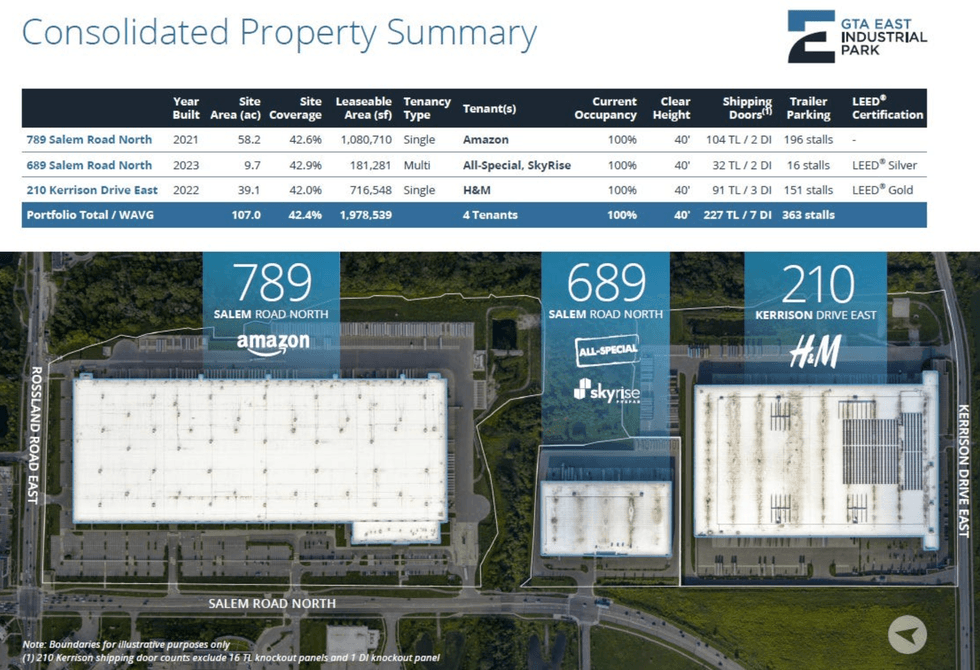
Amazon-Leased Ajax Facility Listed As Part Of 3-Building Industrial Portfolio

789 Salem Road North, 689 Salem Road North, and 210 Kerrison Drive East in Ajax, Ontario. (Colliers)

Markets speak, and the commercial real estate market in the Greater Toronto Area is indicating that there is a demand for institutional-grade industrial properties, according to yet another new listing for a high-profile industrial property that came online this week.

After a TELUS-leased industrial property and a Tesla-leased industrial property were listed in recent weeks, this time around it is an industrial property leased to Amazon, among others.

Keep ReadingShow less
GTA High-Rise Sales Sink To A September Record Low
Toronto

Builders in the Greater Toronto Area sold 820 new low-rise homes in September, 17% above the 10-year average for the month. It’s the sixth month in a row low-rise sales have cleared that bar, which covers every month since the HST rebate program launched.

High-rise went the other way. Just 129 new high-rise units sold in September, according to new figures from the Building Industry and Land Development Association (BILD) and Altus Group, BILD’s official source for new home market data. That’s the lowest September on record for the segment, down 40% from September 2025 and 90% below the 10-year average. (BILD’s high-rise category includes units in low-, medium- and high-rise buildings, plus stacked townhouses.)

Keep ReadingShow less

Our typical listing spotlight features the standard bells and whistles, including savvy staging. But sometimes, all it takes to make the eyes (and heart) linger is a bare-bones set of photos and a strong foundation.

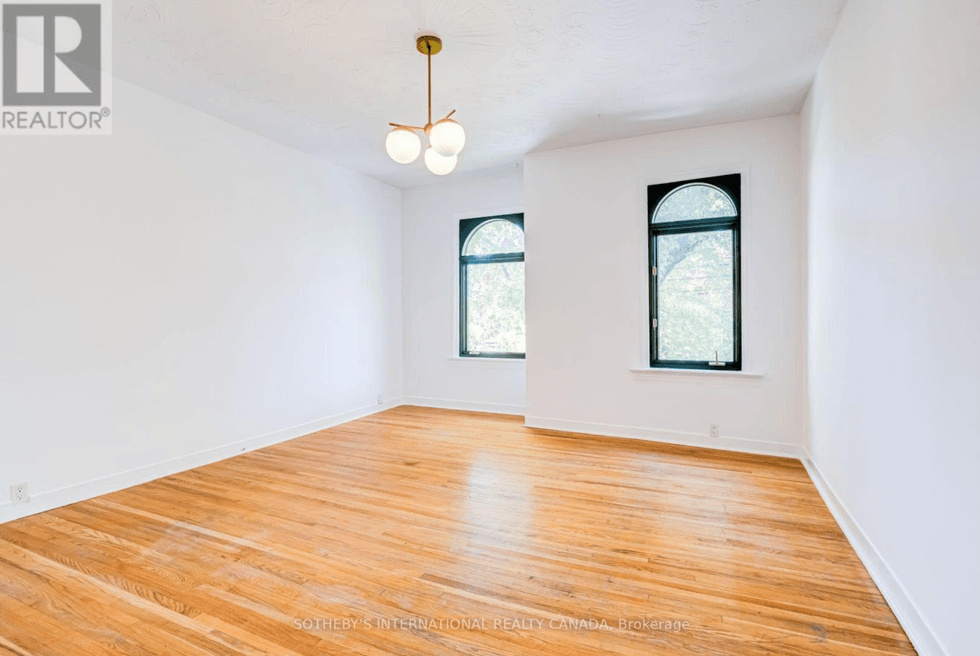
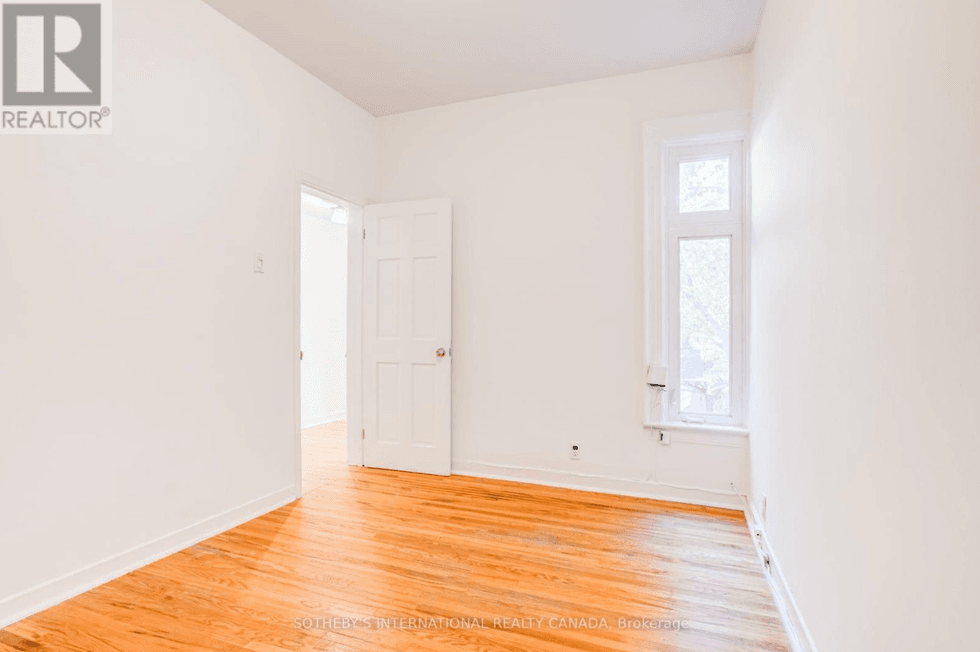
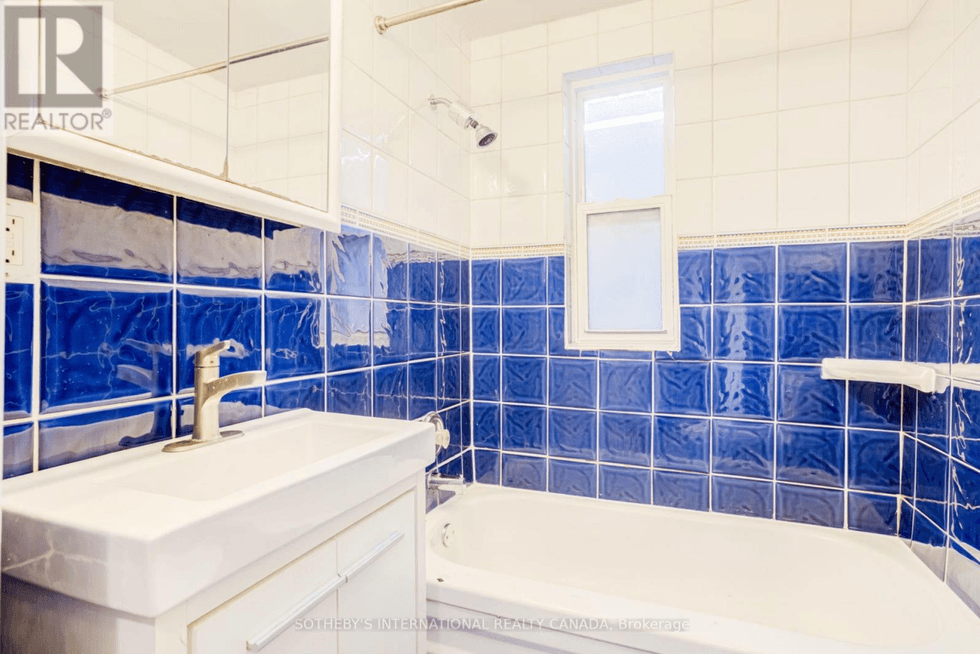
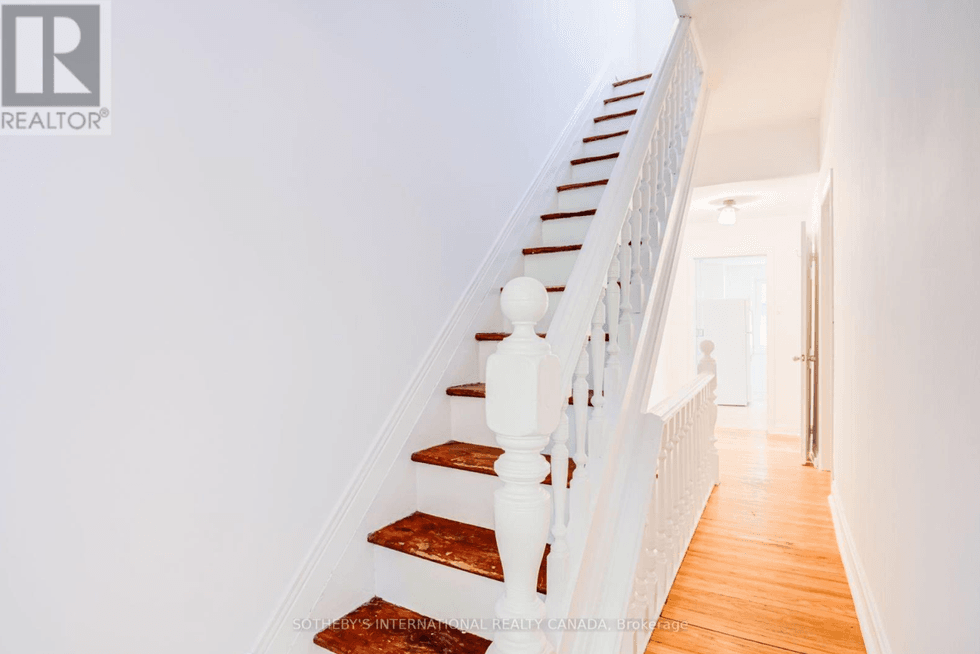
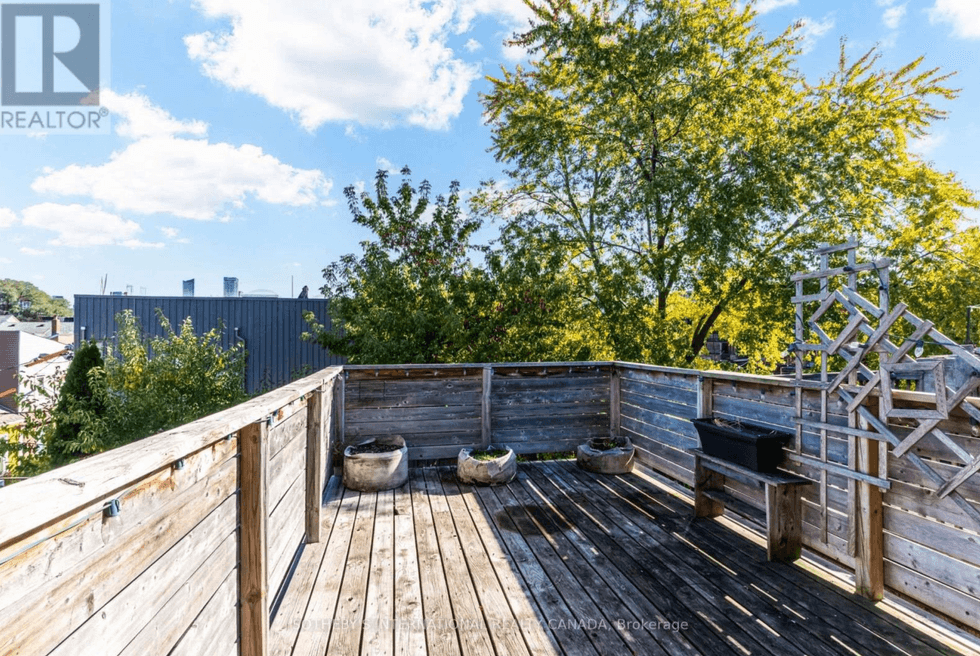
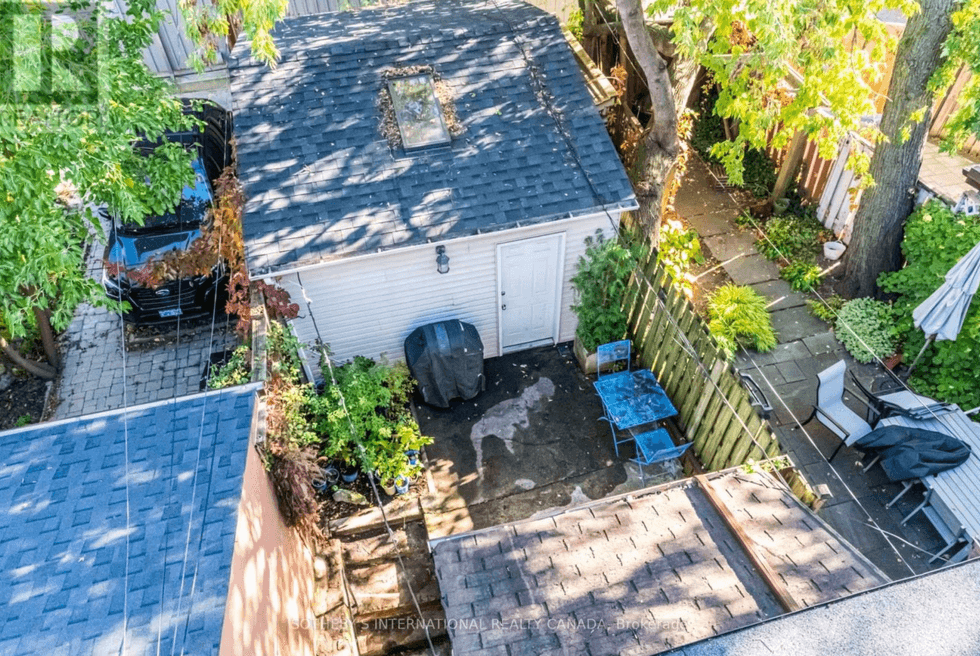
This is the case with 13 Euclid Avenue. Tucked north of Queen, just around the corner from Trinity Bellwoods Park, this duplex — asking $999,700 — hits the market with its upper levels presenting as a clean state. With no staging, renderings, or AI imaginings (phew), the home can’t hide.

Keep ReadingShow less
Canada’s Approved-But-Unstarted Homes Climb As Starts Slide
Shutterstock

Canada Mortgage and Housing Corporation (CMHC) counted 143,929 homes in September that have approved building permits and no construction started.

That count, reported alongside CMHC’s figures for centres of 50,000 or more, rose 1.1% from August.

Keep ReadingShow less
Ahead Of BC Election, UDI, Housing Central Push For Four Actions
EJ Yao/Unsplash

On October 13, the Urban Development Institute (UDI), BC Non-Profit Housing Association (BCNPHA), Aboriginal Housing Management Association (AHMA), and Co-operative Housing Federation of BC (CHFBC) — the latter three of which are together known as Housing Central — published a joint news release “calling on every party in the provincial election to commit to bringing down the cost of building homes” as Election Day nears.

UDI is the group that lobbies on behalf of private developers while the Housing Central partners represent the non-profits, Indigenous housing providers, and co-ops in the community housing sector.

Keep ReadingShow less
Expert: Canada’s Homes Got Cheaper In September, But Buyers Still Pulled Back

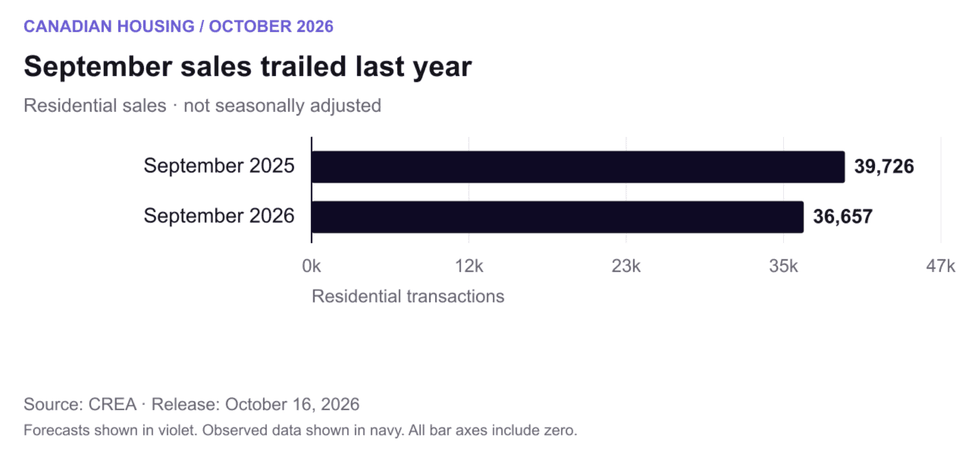
Canadian homes got cheaper in September. Buyers responded by purchasing fewer of them. A falling price is welcome, but it does little for a household whose mortgage approval no longer covers the home.

There were 36,657 residential sales in September, 7.7% fewer than a year earlier. Sales fell 2.3% from August after seasonal adjustment, so the decline went beyond the usual seasonal change.

Keep ReadingShow less
New Barrie Condo Blends Several Strategies To Create Affordability

405 Essa

While some condo developers are pivoting to purpose-built rentals or opting to build larger, more expensive units amid a sluggish condo market, one Barrie developer is harnessing modular and standardized construction techniques, alongside housing incentive programs, to bring affordability back to the condo market.

“Own a condo for less than rent” promises Sean Homes’s 405 Essa project, slated for the west side of Essa Road, just north of the Ferndale and Veterans Drive intersection in south Barrie. It’s an impressive offer, with monthly payments, including mortgage, taxes, and condo fees starting at just $1,500 for a $249,990, 375-sq.-ft pre-construction studio.

Keep ReadingShow less
How Olivia Chow And Brad Bradford Plan To Address Toronto’s Housing Woes

Incumbent Mayor Olivia Chow (Facebook), City Councillor Brad Bradford (City of Toronto)

As the October 26 Toronto mayoral election approaches, the city’s housing and affordability crisis remains one of the most pressing issues among voters, and for good reason.

Fewer than 1 in 6 Torontonians can afford to buy a home in the city, minimum wage workers have to work 145 hours per month to afford the average asking rent for a one-bedroom apartment, and while the city pledged to facilitate 285,000 new homes by 2031 in 2022, it’s only achieved 32% of that goal as of this August.

Keep ReadingShow less