Back-End Ratio
Learn about the back-end ratio in Canadian mortgage lending — what it measures, why it matters, and its impact on loan eligibility.

August 01, 2025
What is a Back-End Ratio?
The back-end ratio, or debt-to-income ratio, measures the percentage of a borrower’s gross monthly income spent on total monthly debt obligations, including housing expenses.
Why Back-End Ratio Matters in Real Estate
In Canadian mortgage lending, the back-end ratio is an essential measure of a borrower's overall financial health.
Details:
- Includes all debts: housing, car loans, credit cards, etc.
- Expressed as a percentage of gross income
- Lenders set maximum ratios for mortgage qualification
Understanding this ratio helps borrowers assess affordability and improve their financial profile before applying for loans.
Example of Back-End Ratio in Action
The applicant’s back-end ratio was 41%, exceeding the lender’s qualifying threshold.
Key Takeaways
- Indicates total debt burden relative to income
- Used in mortgage qualification decisions
- Includes housing and non-housing debts
- Lower ratios improve borrowing capacity
- Helps assess financial stability
Related Terms
- Gross Debt Service Ratio (GDS)
- Debt Service Ratios
- Mortgage Qualification
- Refinance
- Mortgage Pre-Approval


























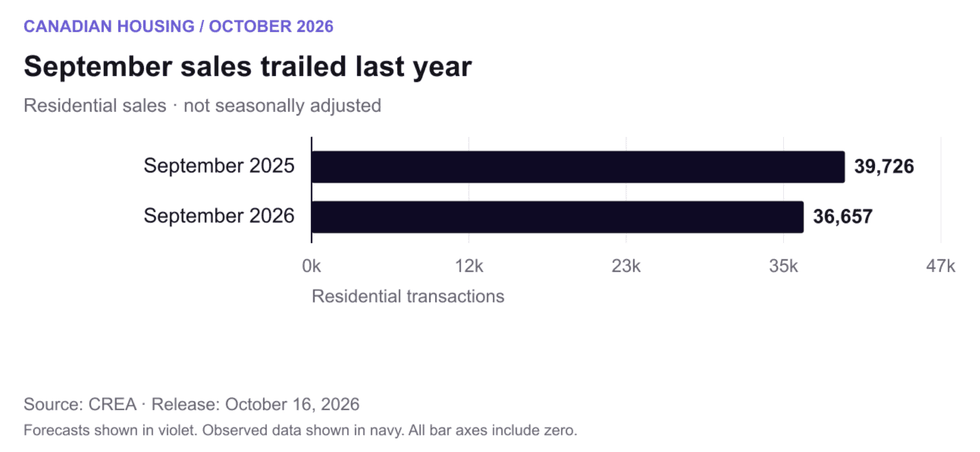 September residential sales, not seasonally adjusted; the annual comparison uses CREA’s revised figures. Chart:
 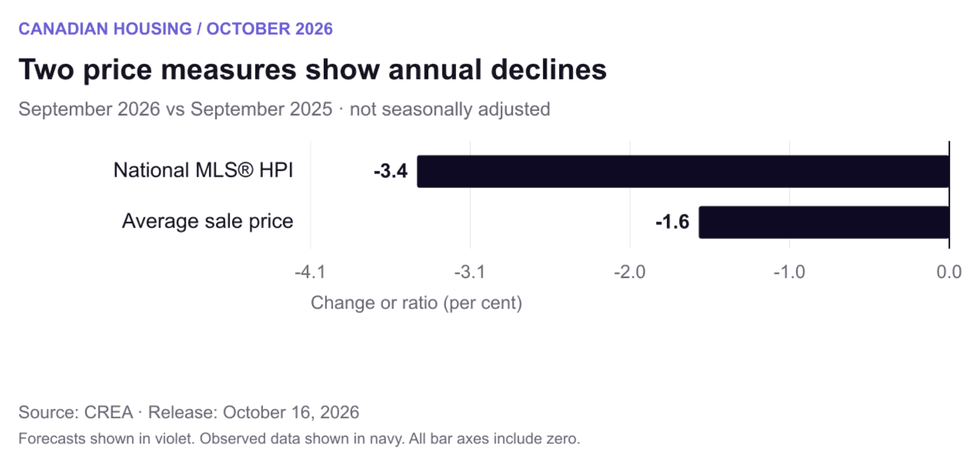 Annual changes in the unadjusted national MLS® HPI and average sale price. The average is affected by the mix of transactions. Chart:
 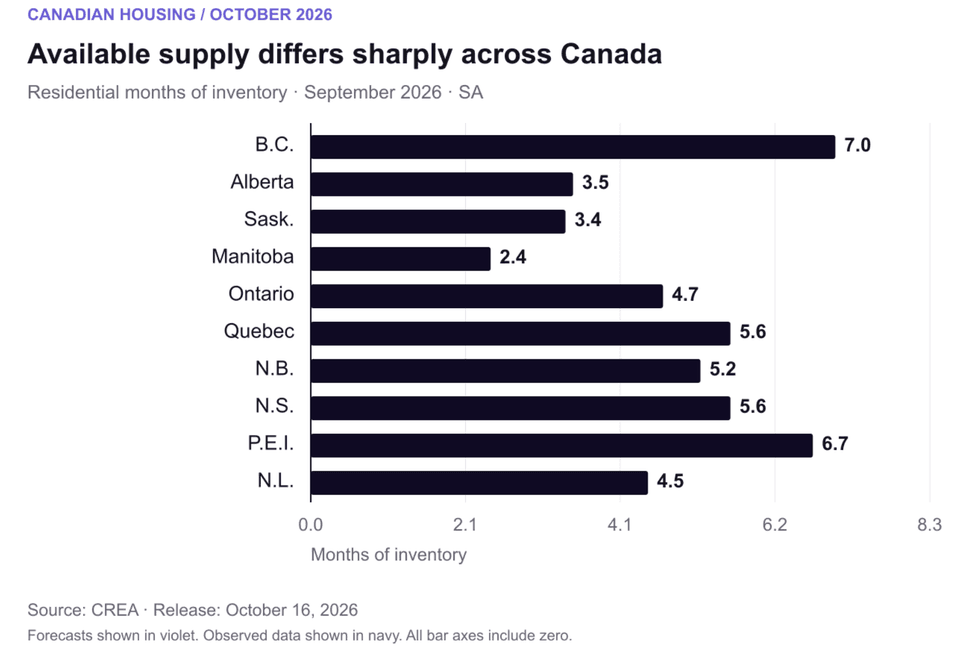 Seasonally adjusted residential months of inventory by province. Local property types can differ substantially. Chart:
 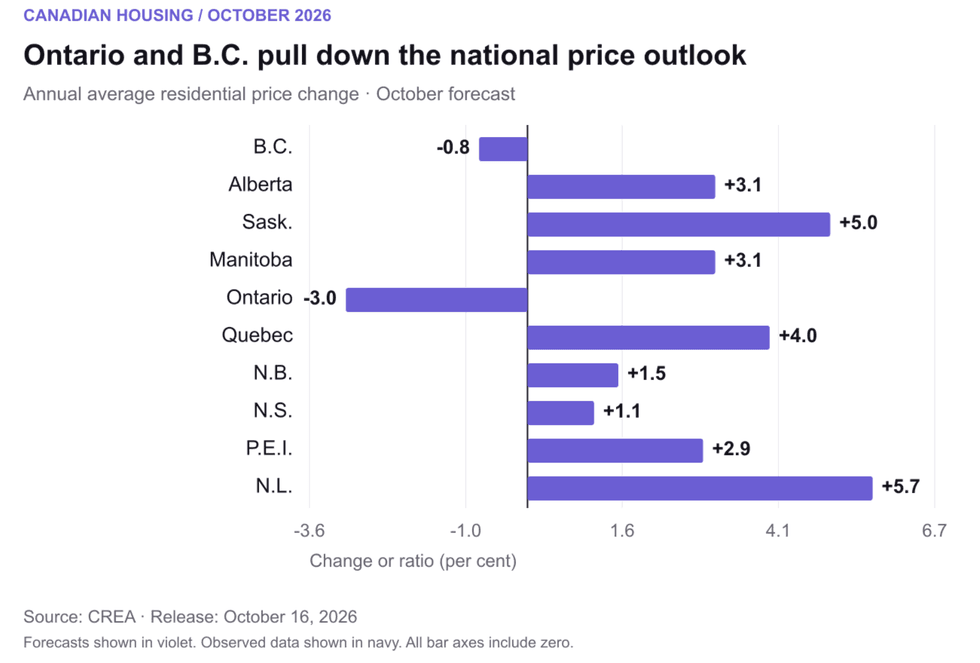 Ontario and B.C. are the two provinces with forecast annual average-price declines in 2026. Chart:
 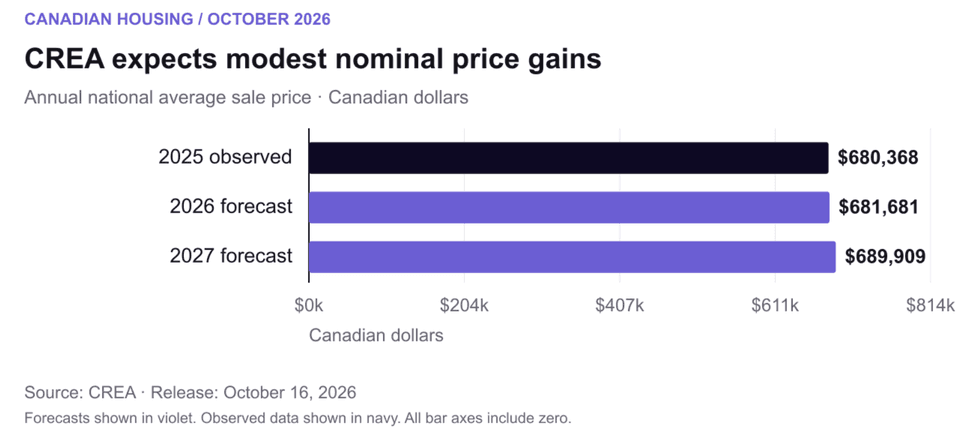 Annual average transaction prices in Canadian dollars. Forecast values are not December price targets. Chart:
 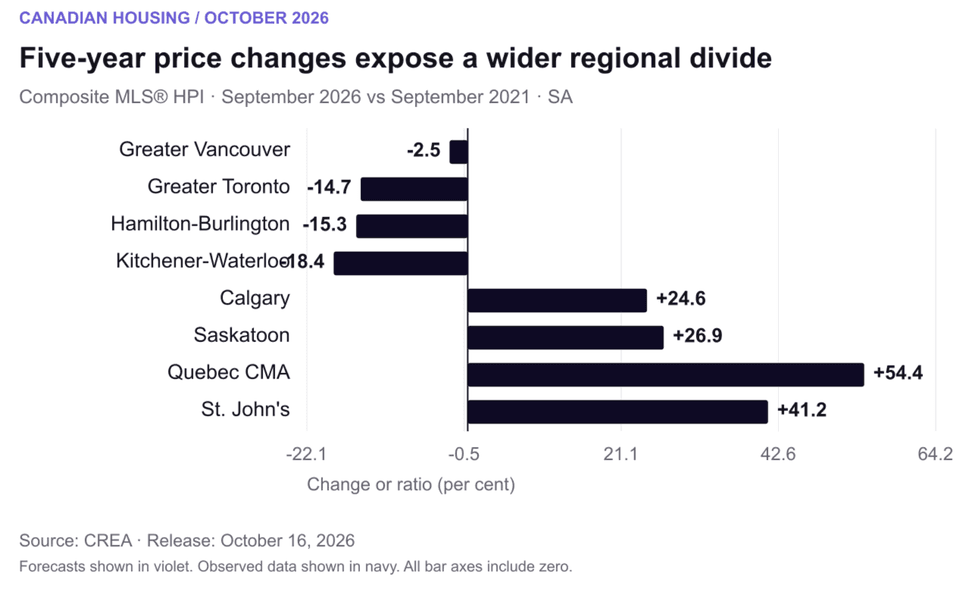 Five-year changes in seasonally adjusted composite MLS® HPI benchmarks, September 2021 to September 2026. Chart: