Accessibility Standards
Understand accessibility standards in Canadian real estate — what they require, why they matter, and how they support inclusive, barrier-free design.
June 13, 2025
What are Accessibility Standards?
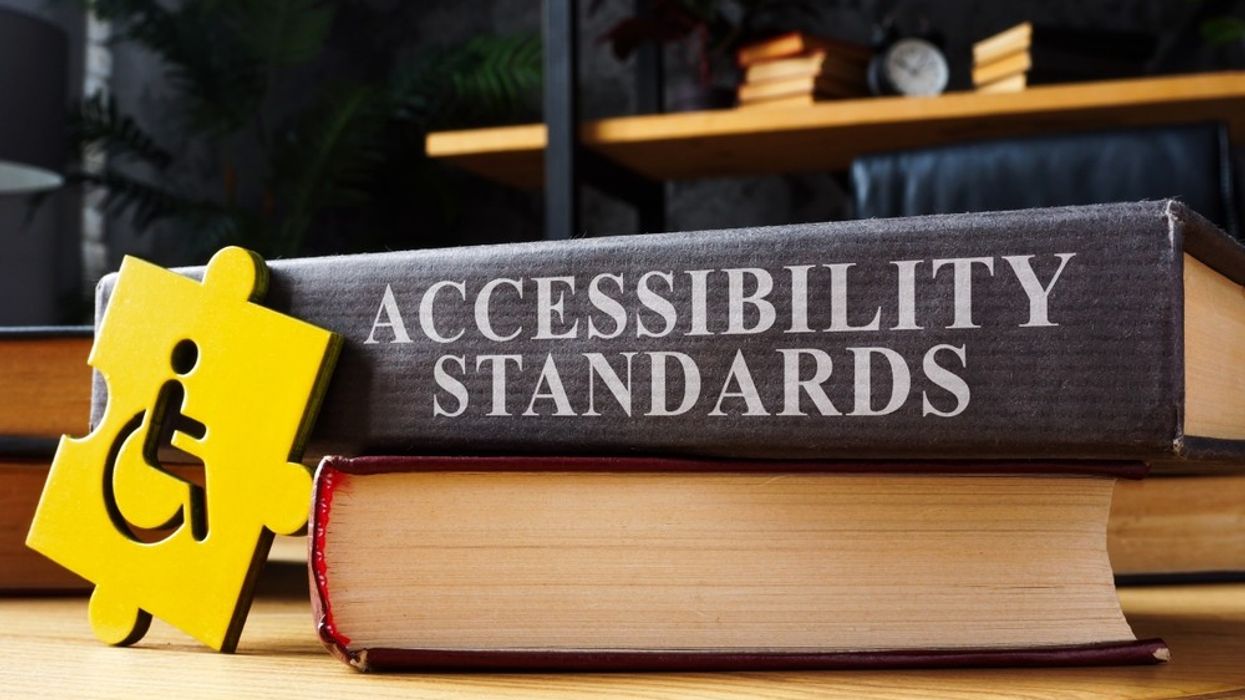
Accessibility standards are building design and construction requirements that ensure people with disabilities can safely and independently access residential and commercial properties.
Why Accessibility Standards Matter in Real Estate
In Canadian real estate, accessibility standards are embedded in provincial building codes and national human rights legislation to promote inclusive and equitable design.
Features of accessibility standards include:
- Barrier-free entrances and ramps
- Accessible washrooms and doorways
- Elevators with braille and auditory cues
- Designated parking and tactile surfaces
Builders must comply with standards like the Ontario Building Code or CSA B651. Municipalities may impose additional requirements for new construction or major renovations.
Understanding accessibility standards helps developers and owners meet legal obligations and enhance property value through universal design.
Example of Accessibility Standards in Action
The condo project includes widened doorways, roll-in showers, and elevator access to comply with provincial accessibility standards and support aging in place.
Key Takeaways
- Ensure inclusive access for people with disabilities
- Embedded in building codes and legal frameworks
- Required in public and multi-unit developments
- Enhances usability and long-term value
- May apply to new builds and major renovations
Related Terms
- Building Code
- Renovation Permits
- Universal Design
- Walkability
- Urban Planning

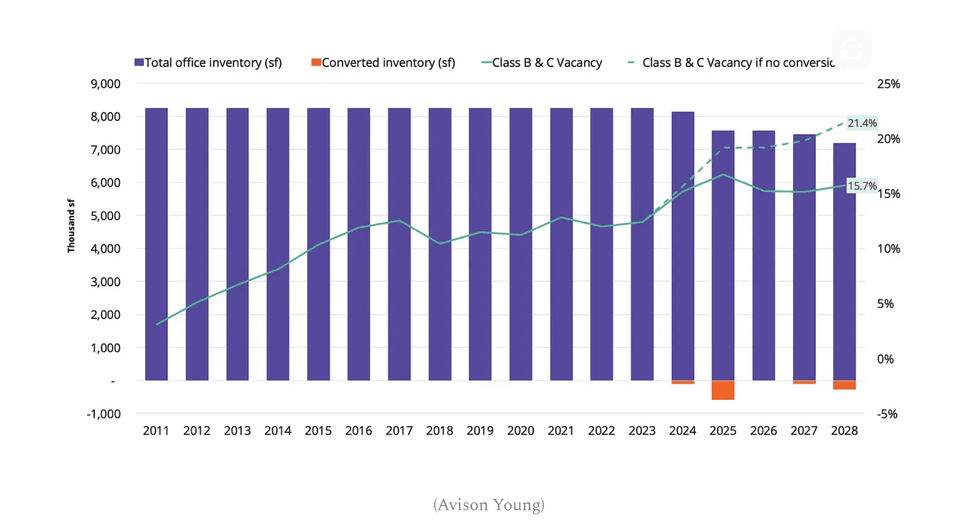 (Avison Young)




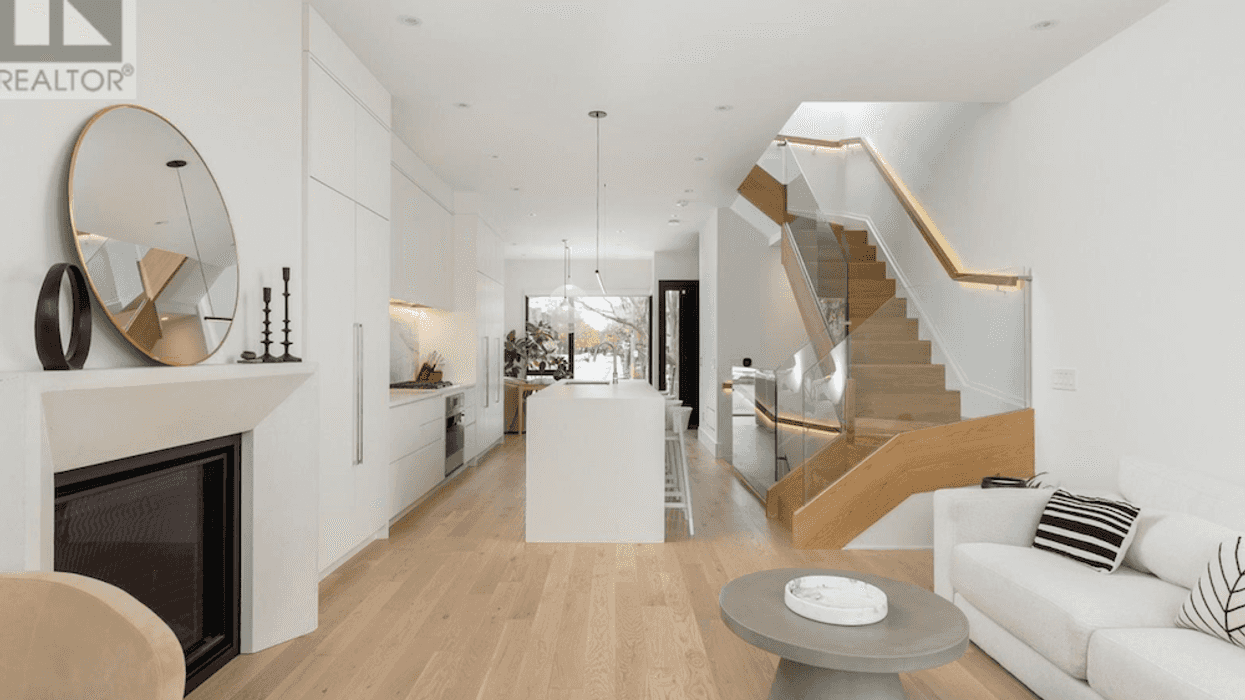
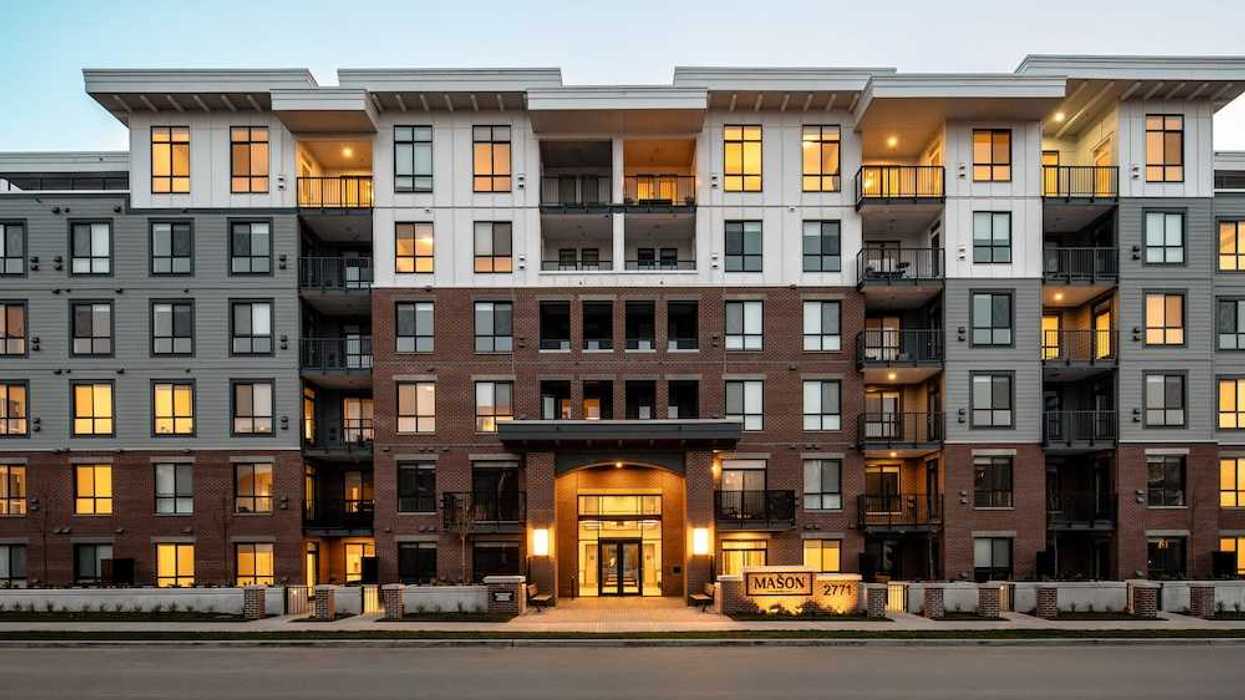
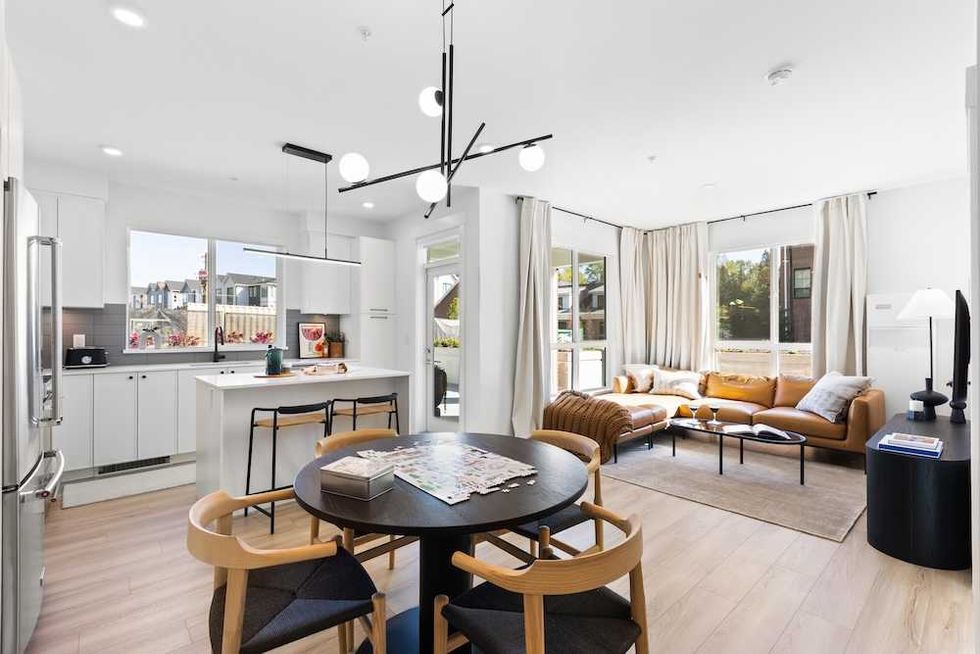 The Mason Suite Interior (Infinity Properties)
 The Mason Suite Interior (Infinity Properties)
 Rail District aerial (Infinity Properties)
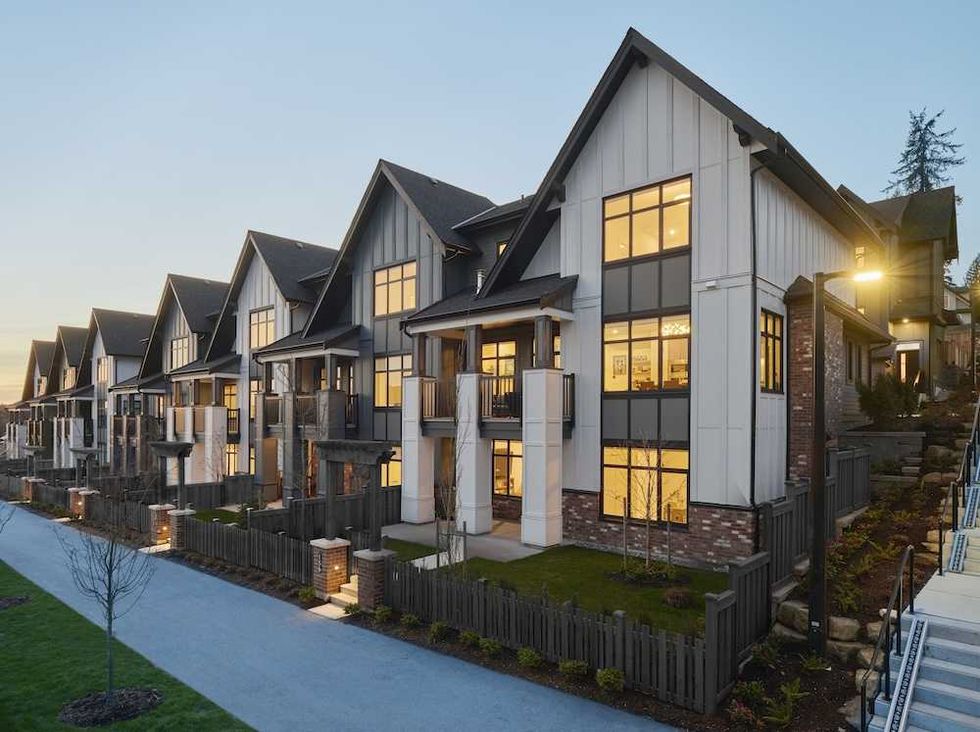 Versant (Infinity Properties)

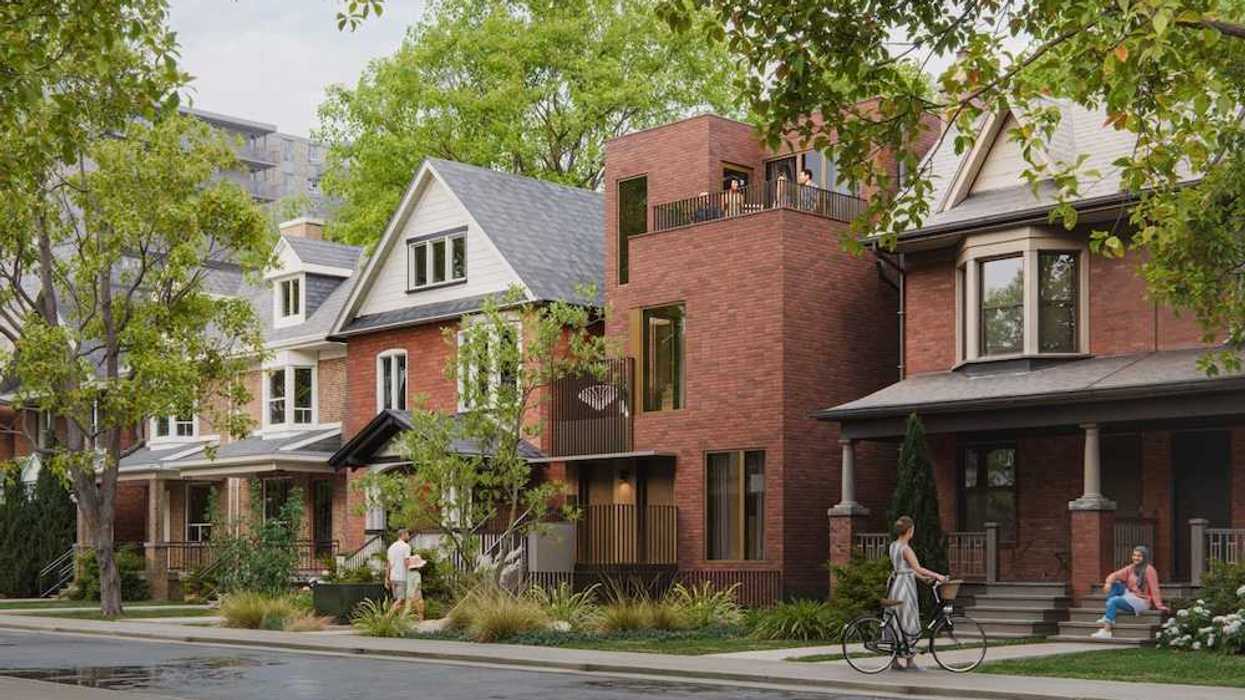
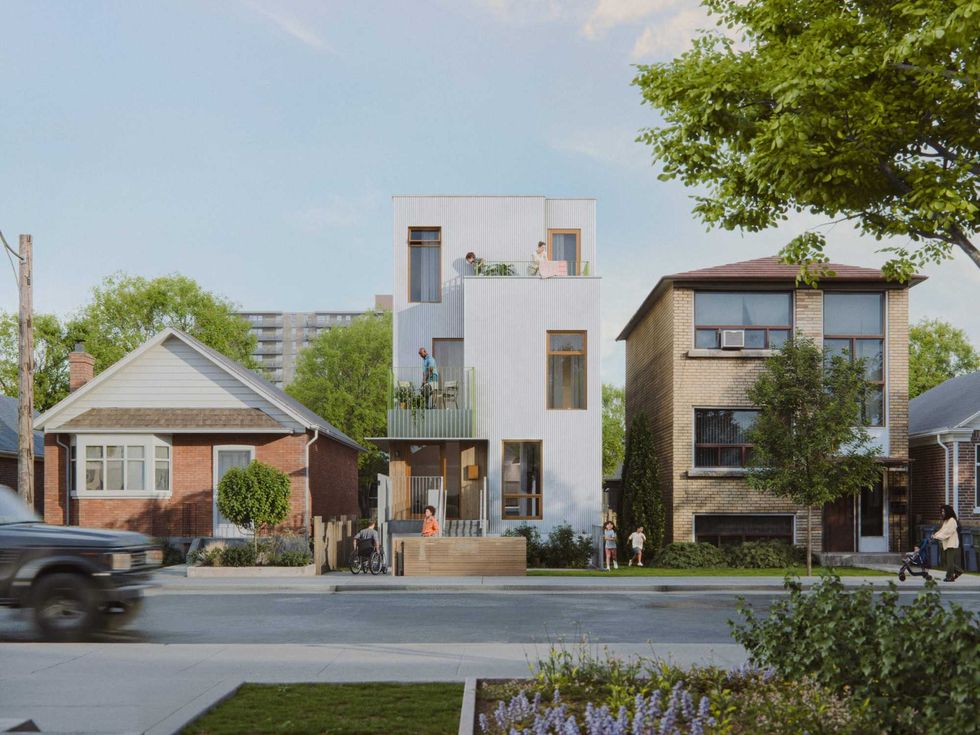 Narrow Fourplex (City of Toronto)
 Wide Sixplex - Side View (City of Toronto)
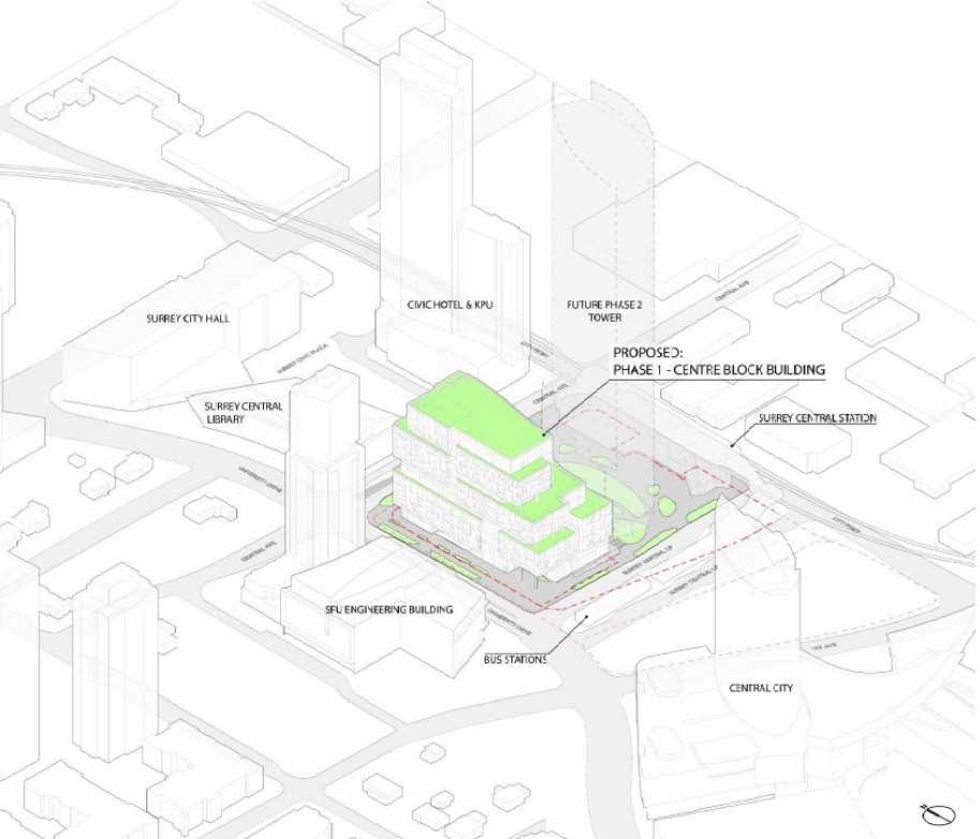 Centre Block and its surrounding context. (Stantec-Revery, SCDC)
 The 12-storey Phase One of Centre Block. (Stantec-Revery, SCDC)
 The 12-storey Phase One of Centre Block. (Stantec-Revery, SCDC)
 Mondria One, set for 1607 King Street East in Clarington, Ontario. (ICON Architects Inc., Monde Development Group)