Rental Suite
Learn what a rental suite is in Canadian housing — how it's defined, what makes it legal, and how it supports affordability and homeowner income.
June 23, 2025
What is a Rental Suite?
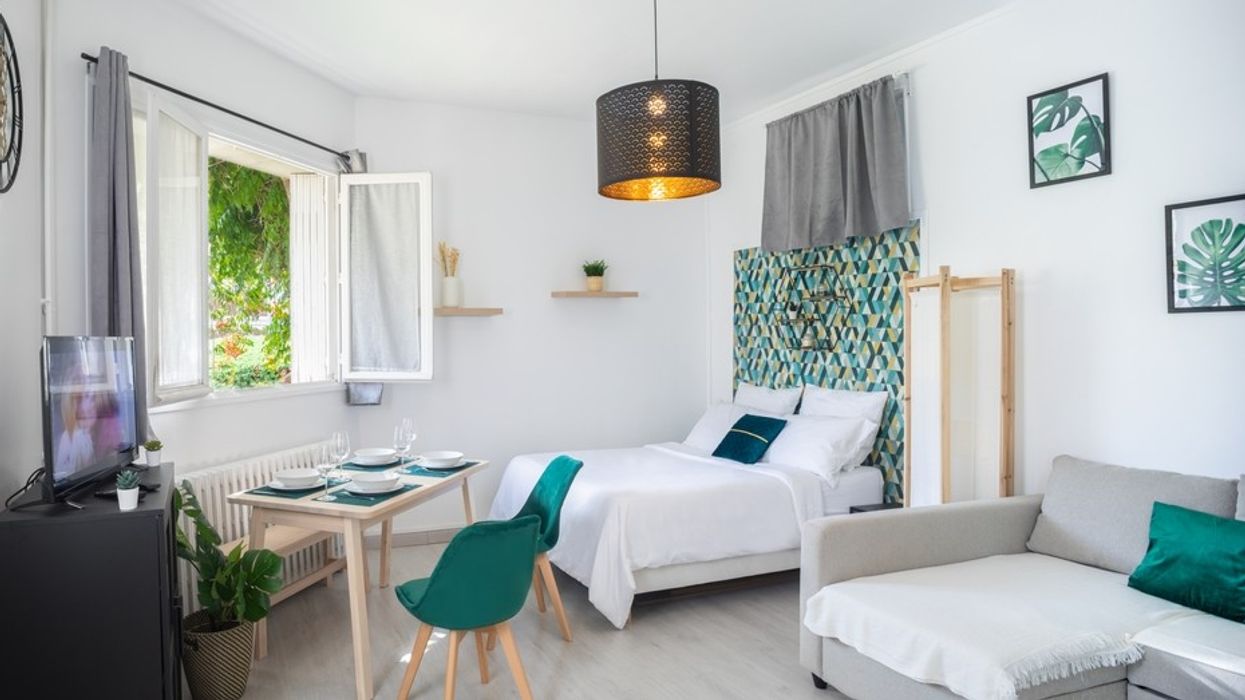
A rental suite is a self-contained living unit within a home or property that is rented out to a tenant, commonly located in a basement or accessory building.
Why Rental Suites Matter in Real Estate
In Canadian real estate, rental suites offer homeowners a source of income and contribute to affordable housing, but must comply with zoning, safety, and permit regulations.
A legal rental suite typically includes:
- Private entrance
- Kitchen and bathroom
- Heating and ventilation
- Proper egress and ceiling height
Municipalities often distinguish between legal and illegal suites. Legal suites may affect mortgage qualification and insurance policies.
Understanding rental suites is important for investors, homeowners, and tenants evaluating income potential and legal compliance.
Example of a Rental Suite in Action
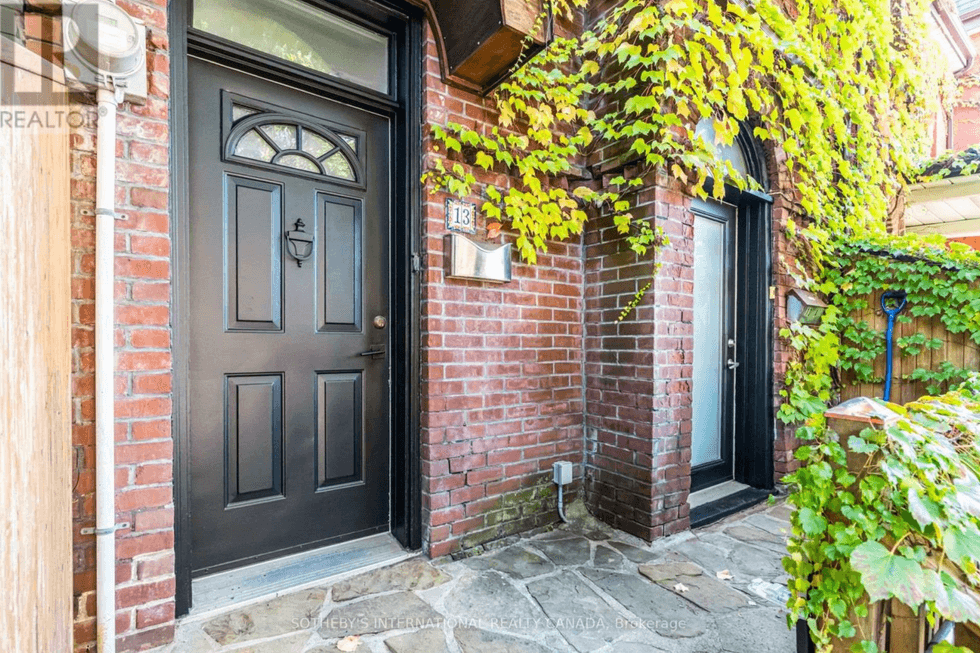
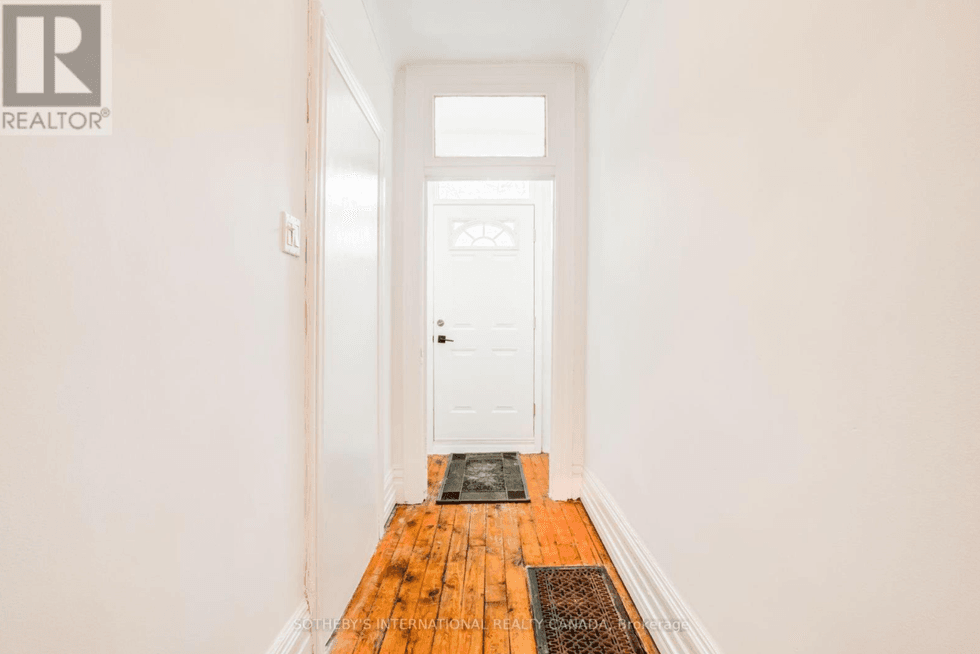
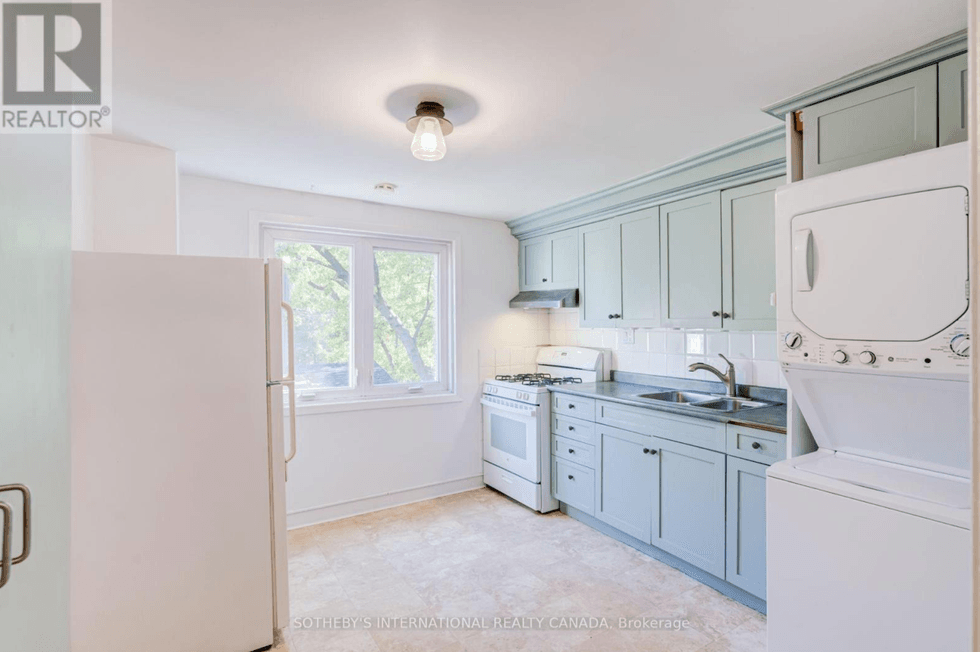
The homeowner installs a code-compliant rental suite in the basement, including a separate entrance, kitchen, and egress window for safety.
Key Takeaways
- Generates rental income
- Must meet safety and zoning rules
- Often located in a finished basement
- Legal status impacts financing and resale
- Requires proper egress and ventilation
Related Terms
- Finished Basement
- Egress Window
- Zoning
- Rental Income
- Secondary Suite








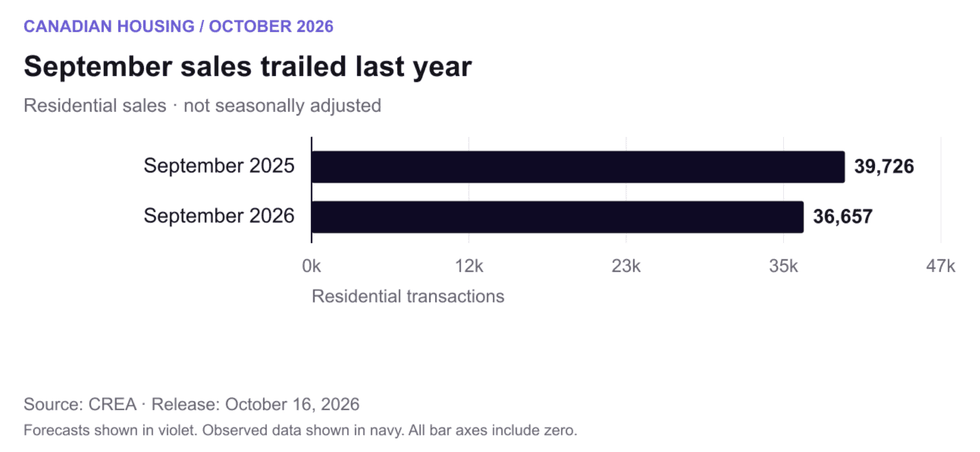 September residential sales, not seasonally adjusted; the annual comparison uses CREA’s revised figures. Chart:
 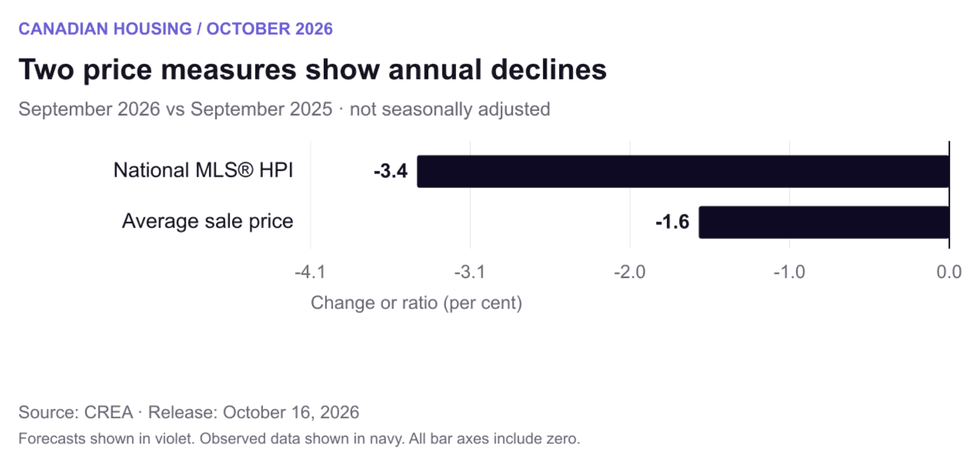 Annual changes in the unadjusted national MLS® HPI and average sale price. The average is affected by the mix of transactions. Chart:
 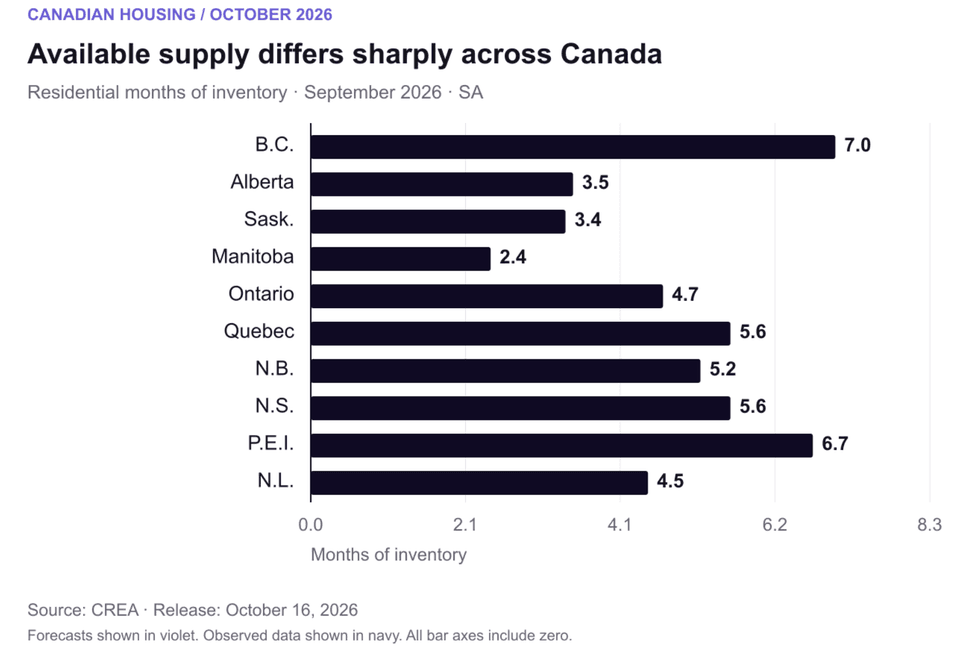 Seasonally adjusted residential months of inventory by province. Local property types can differ substantially. Chart:
 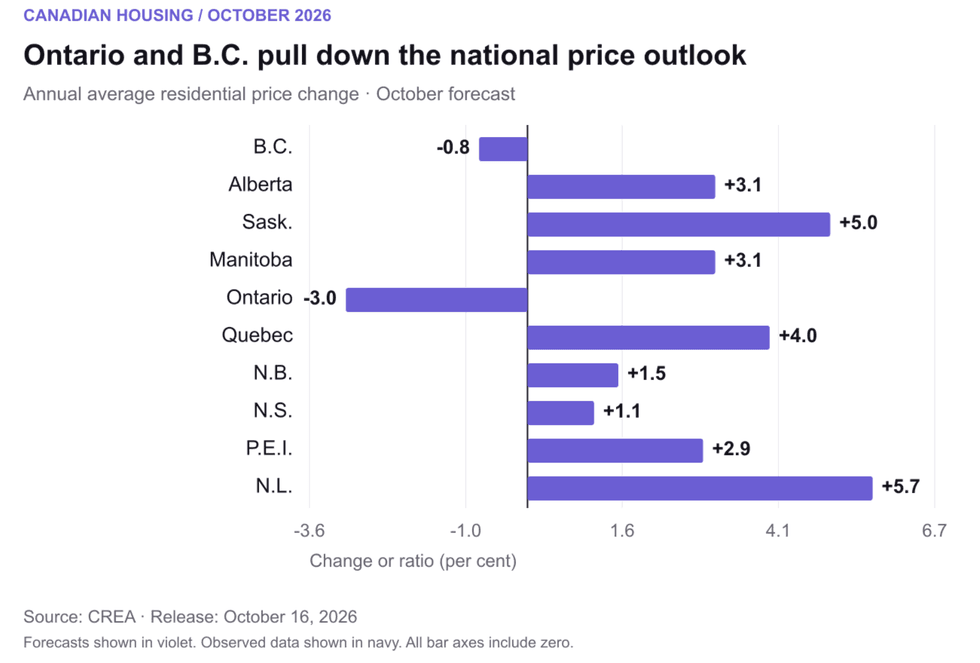 Ontario and B.C. are the two provinces with forecast annual average-price declines in 2026. Chart:
 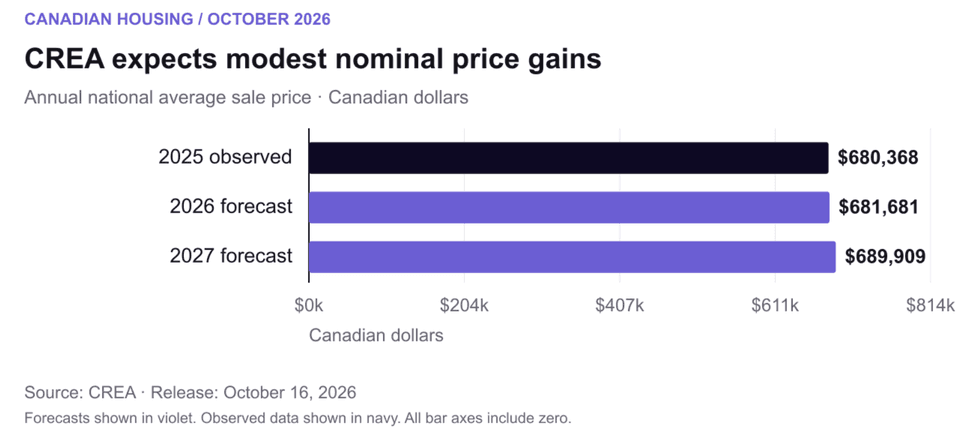 Annual average transaction prices in Canadian dollars. Forecast values are not December price targets. Chart:
 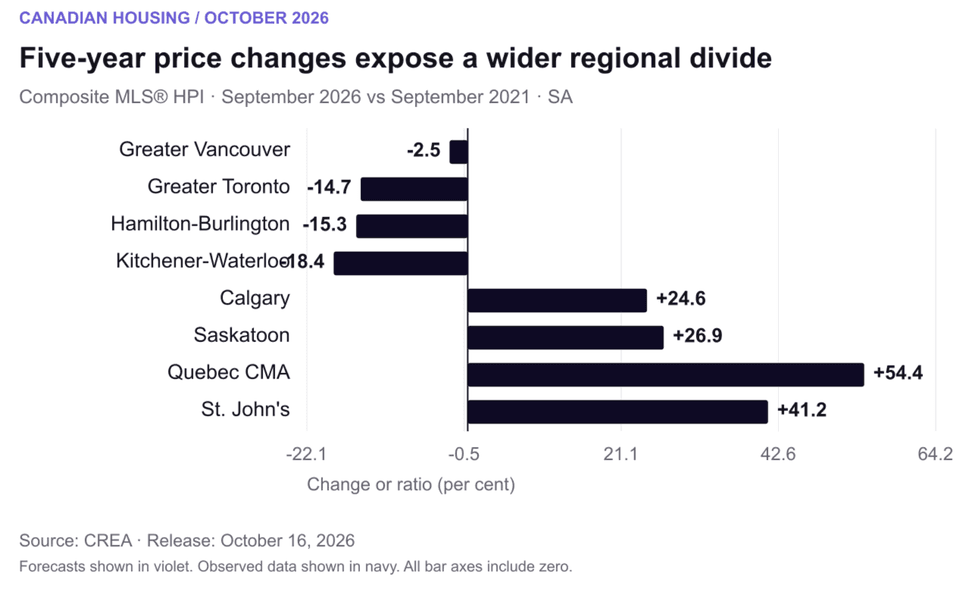 Five-year changes in seasonally adjusted composite MLS® HPI benchmarks, September 2021 to September 2026. Chart: