Public-Private Partnership
Learn about public-private partnerships (P3s) in Canada — what they are, how they work, and why they’re used for infrastructure projects.

August 01, 2025
What is a Public-Private Partnership?
A public-private partnership (P3) is a collaborative arrangement between a government agency and a private-sector company to finance, build, and operate infrastructure projects or deliver services.
Why Public-Private Partnerships Matter in Real Estate
In Canadian real estate and infrastructure, P3s help governments leverage private capital and expertise to complete large-scale projects efficiently.
Key features:
- Shared risk and responsibility between public and private partners
- Long-term contracts outlining performance standards
- Used for transportation, hospitals, schools, and utilities
Understanding P3s helps developers and municipalities explore financing and delivery models for major infrastructure needs.
Example of a Public-Private Partnership in Action
The city entered a public-private partnership to build and operate a new light rail transit line.
Key Takeaways
- Combines public oversight and private investment
- Used for major infrastructure and facilities
- Shares risks and rewards between parties
- Requires detailed, long-term agreements
- Can accelerate project delivery and innovation


 ELM Developments
 ELM Developments
 ELM Developments







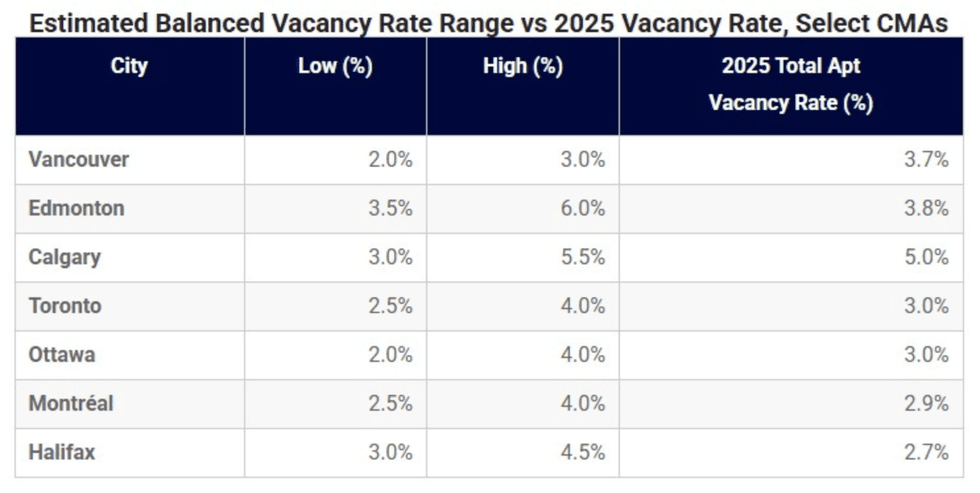 (CMHC)
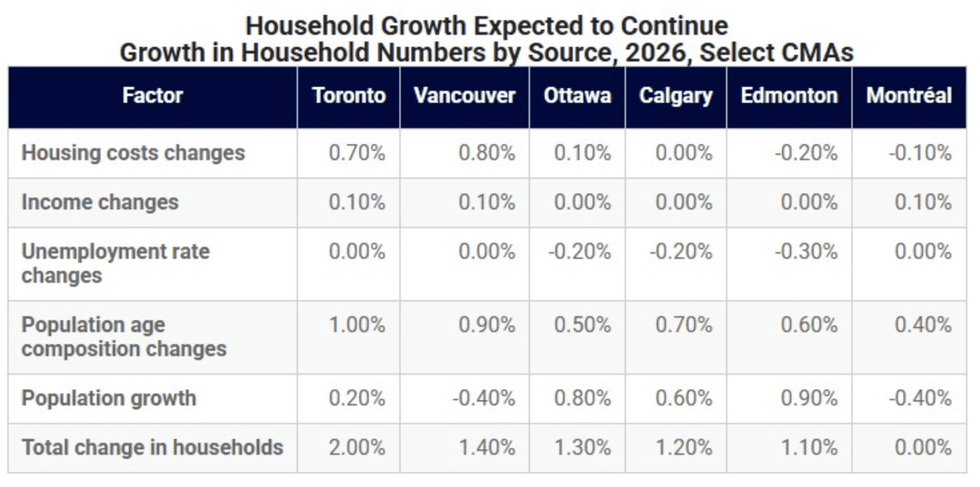 (CMHC)


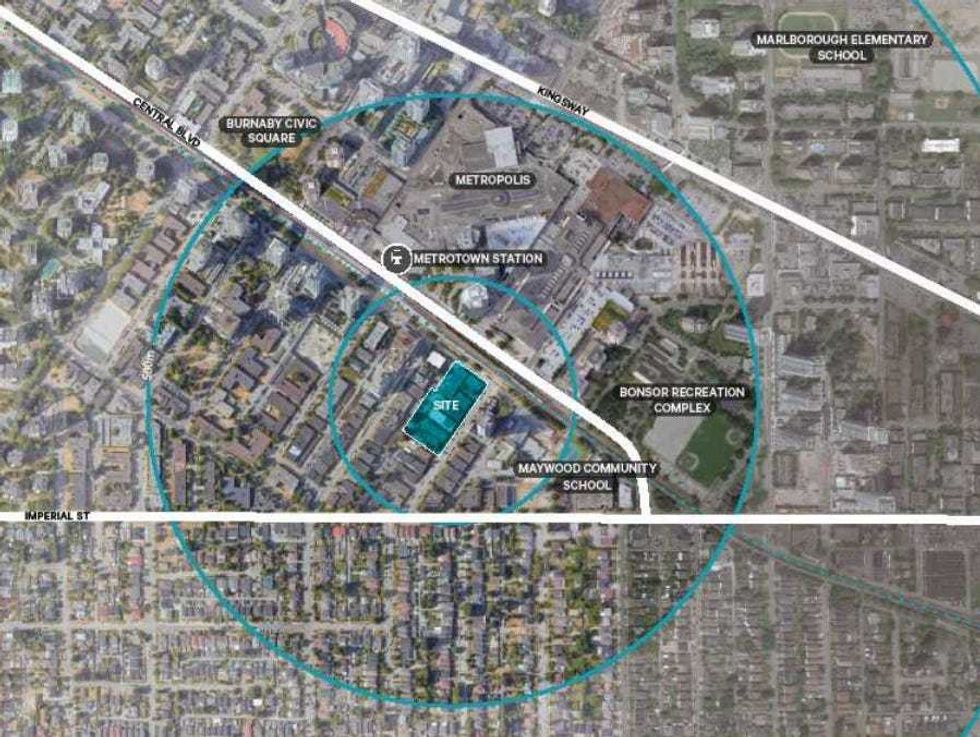 The 6645-6707 Dow Avenue site in Burnaby. (Peterson, BOP Architects)
 Renderings of the proposal for A rendering of the proposal for 6645-6707 Dow Avenue in Burnaby. (Peterson, BOP Architects)
 Renderings of the proposal for A rendering of the proposal for 6645-6707 Dow Avenue in Burnaby. (Peterson, BOP Architects)