Heat Pump Efficiency
Heat pump efficiency measures how well a heat pump converts electricity into heating or cooling, impacting costs and sustainability.
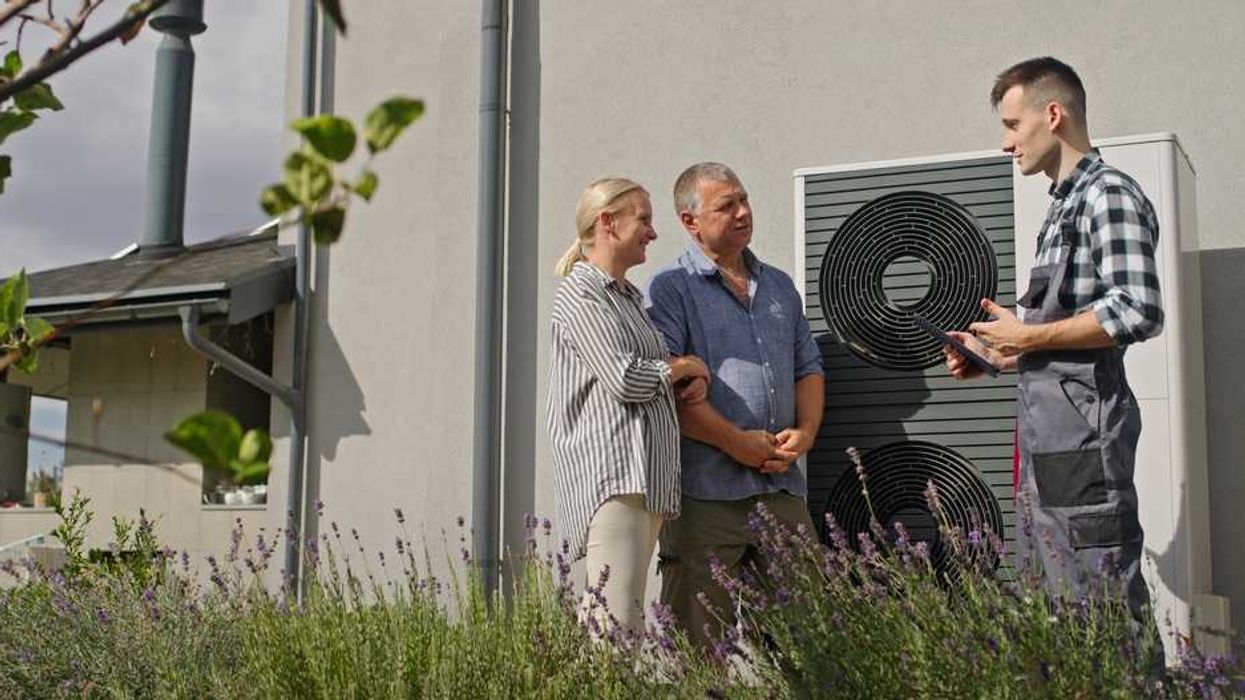
September 30, 2025
What is Heat Pump Efficiency?
Heat pump efficiency measures how effectively a heat pump transfers heat relative to the electricity consumed. It is typically expressed as the coefficient of performance (COP) or seasonal ratings such as the seasonal energy efficiency ratio (SEER) and heating seasonal performance factor (HSPF). Higher ratings indicate more efficient performance.
Why Heat Pump Efficiency Matters in Real Estate
Heat pump efficiency matters in real estate because it directly impacts utility costs, sustainability goals, and occupant comfort. High-efficiency systems reduce greenhouse gas emissions and may qualify for rebates or green certifications. For property managers, efficiency translates into lower operating expenses and improved marketability.
Example of Heat Pump Efficiency in Action
A multifamily property replaces aging baseboard heaters with cold-climate heat pumps. Tenants benefit from lower energy bills, and the property qualifies for government incentives.
Key Takeaways
- Heat pump efficiency affects utility costs and sustainability.
- Ratings like COP, SEER, and HSPF indicate performance.
- High-efficiency systems lower emissions and costs.
- Incentives and certifications reward efficient systems.
- Efficiency improvements increase marketability.
Related Terms
- COP
- SEER
- HSPF
- Building Envelope
- Load Calculation


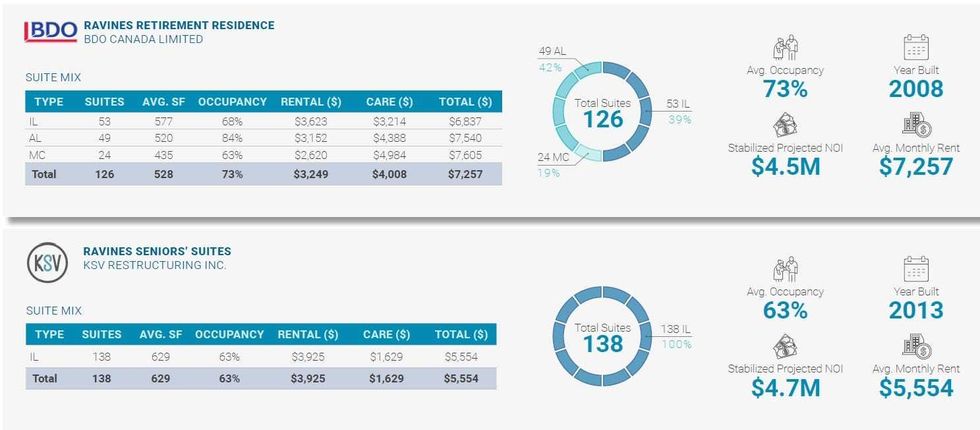 An overview of the two Ravine buildings. (Newmark)





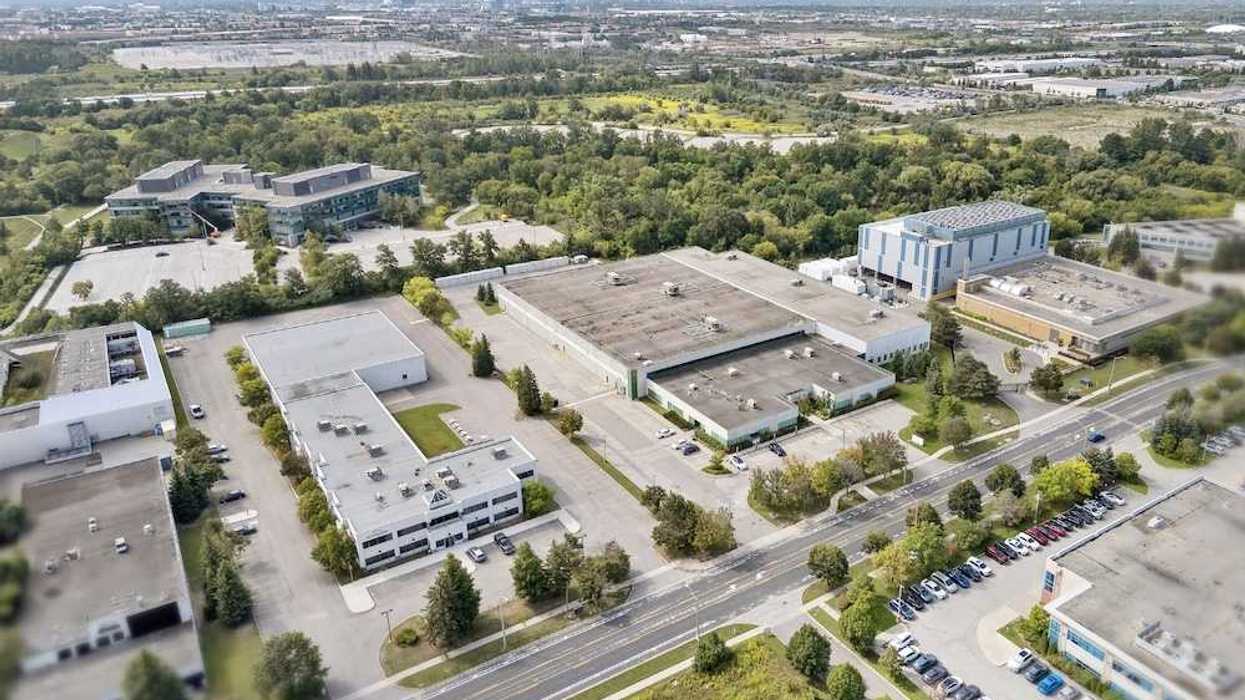
 95 Clegg Road in Markham, Ontario. (Colliers)
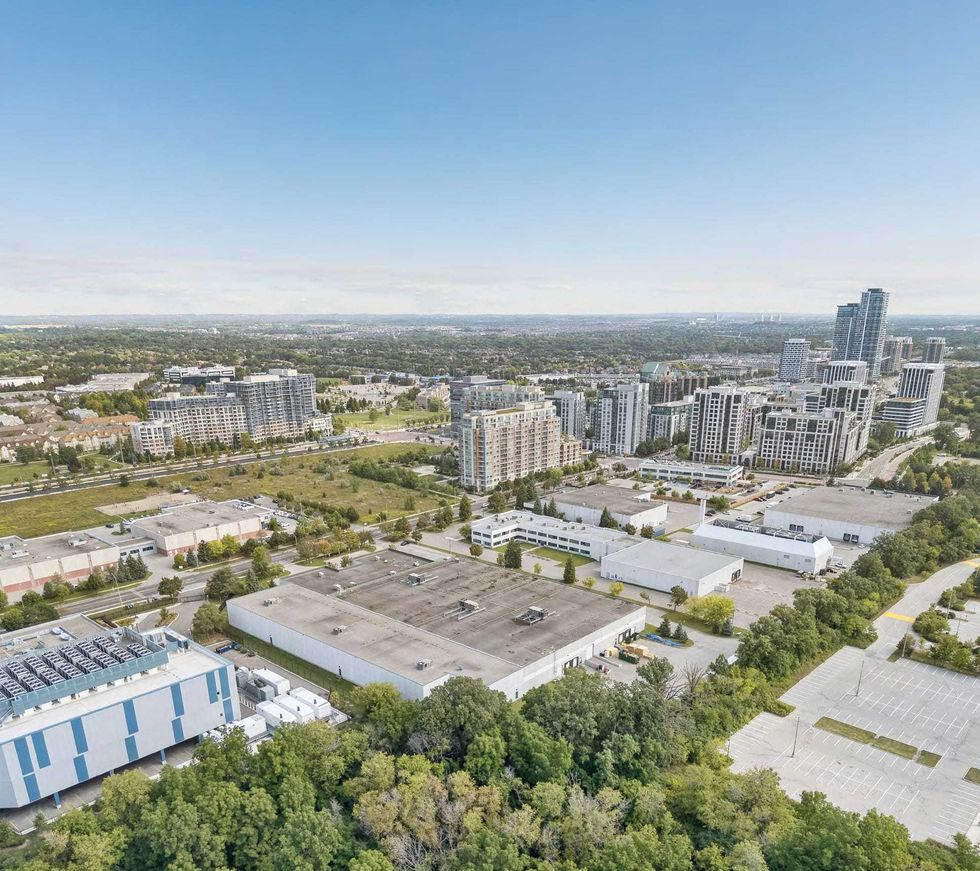 95 Clegg Road (centre) in Markham, Ontario. (Colliers)

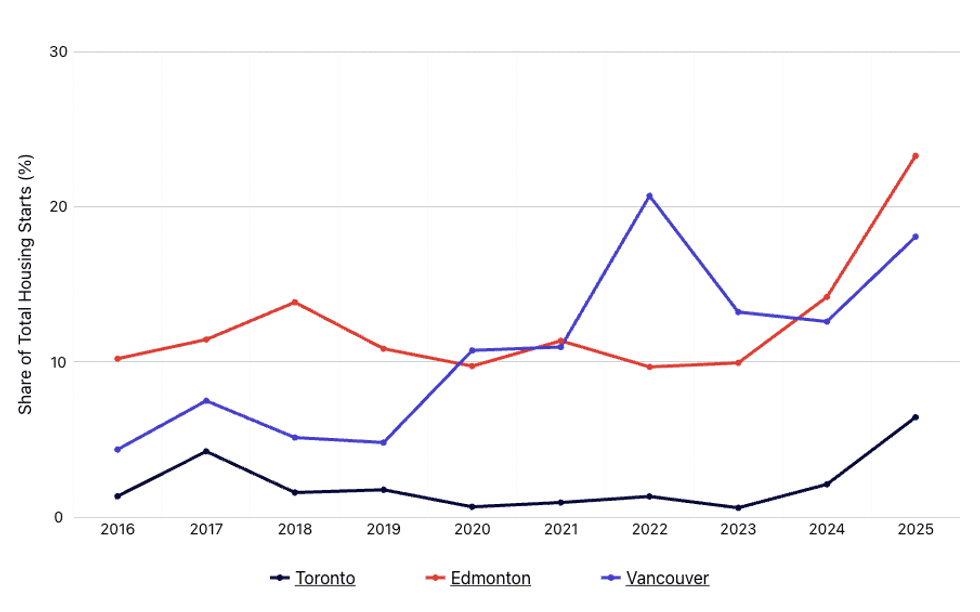 Small-scale infill share of housing starts in Toronto, Vancouver, and Edmonton/CMHC
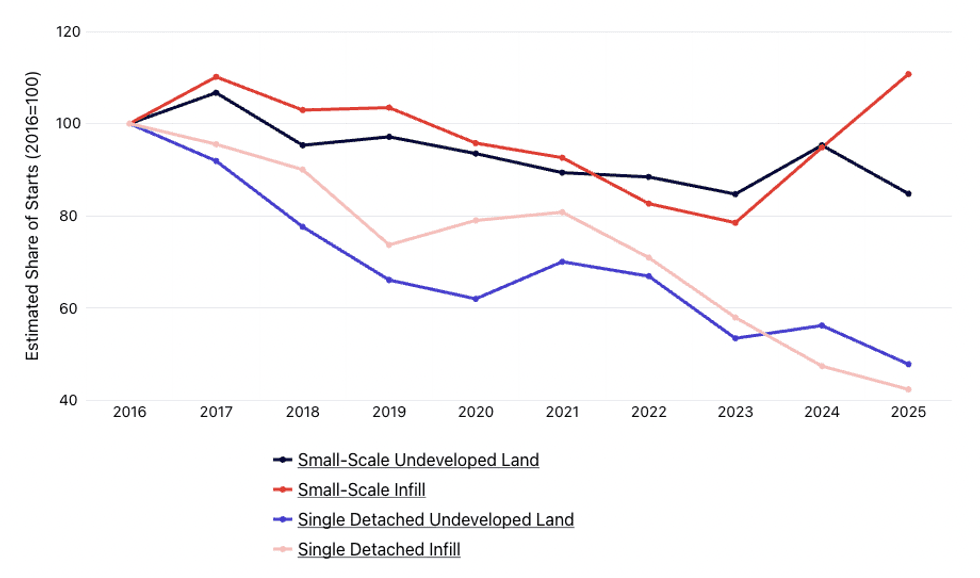 Housing starts for one to eight unit developments/CMHC

 An overview of Hedge Road Landing. (Alliance Homes)
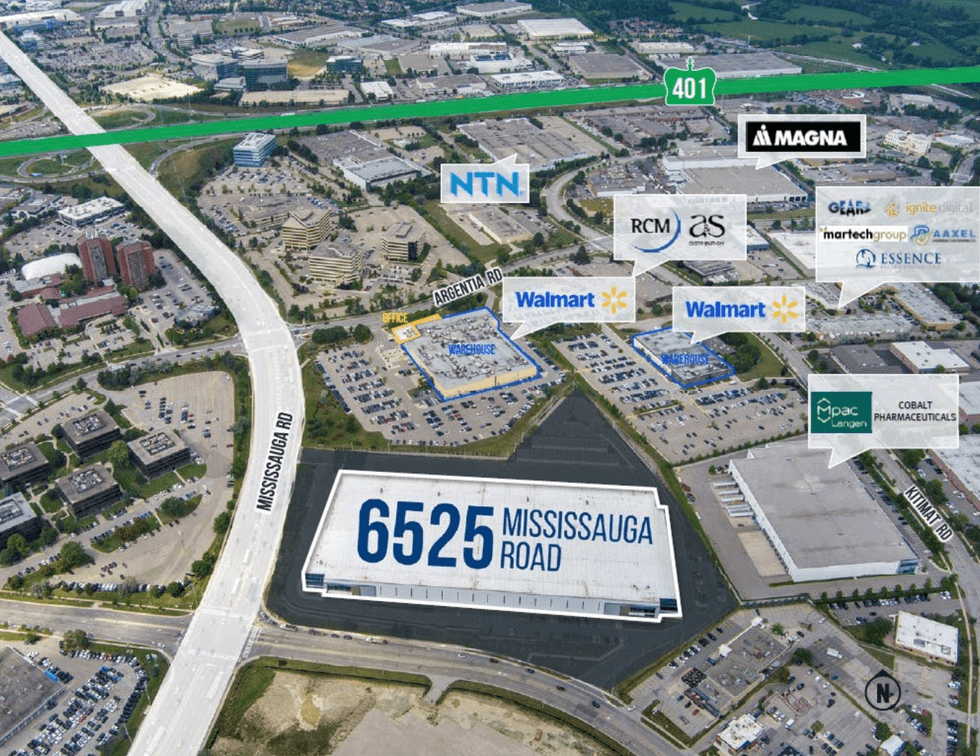 6525 Mississauga Road and its surrounding context. (RBC Capital Markets & CBRE)
 Property details for 6525 Mississauga Road. (RBC Capital Markets & CBRE)