Emissions Benchmarking
Emissions benchmarking requires buildings to track and report energy and emissions performance, supporting efficiency and compliance.

September 30, 2025
What is Emissions Benchmarking?
Emissions benchmarking is the practice of measuring and reporting building energy use and greenhouse gas emissions against standardized metrics. Many jurisdictions require large buildings to disclose annual performance data.
Why Emissions Benchmarking Matters in Real Estate
Emissions benchmarking matters in real estate because benchmarking promotes energy efficiency, informs tenant and investor decisions, and supports climate policy compliance. Poor performance can impact property value and marketability.
Example of Emissions Benchmarking in Action
A Toronto office tower reports its annual energy use and emissions through the provincial benchmarking program, making performance data public.
Key Takeaways
- Tracks and reports building energy/emissions data.
- Often mandated by municipal or provincial programs.
- Improves transparency for tenants and investors.
- Encourages upgrades and efficiency improvements.
- Impacts property value and competitiveness.
Related Terms
- Energy Benchmarking
- Green Building Certification
- Sustainability
- Operating Costs
- Building Performance

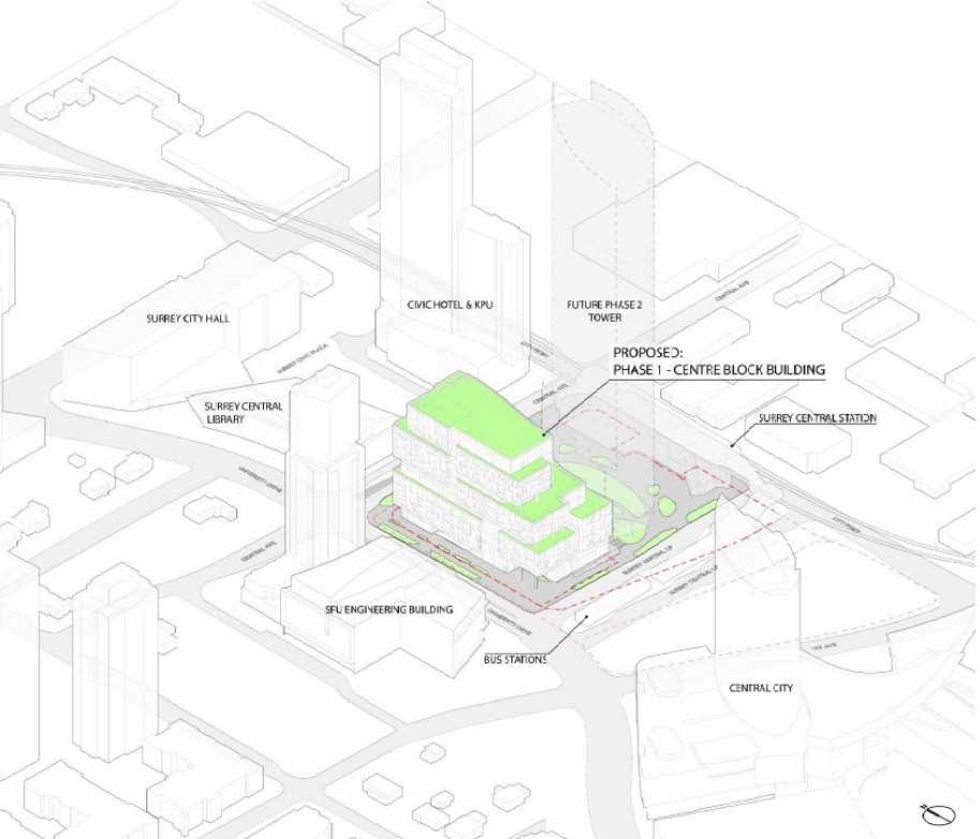 Centre Block and its surrounding context. (Stantec-Revery, SCDC)
 The 12-storey Phase One of Centre Block. (Stantec-Revery, SCDC)
 The 12-storey Phase One of Centre Block. (Stantec-Revery, SCDC)
 Mondria One, set for 1607 King Street East in Clarington, Ontario. (ICON Architects Inc., Monde Development Group)








 Via STOREYS Editorial team

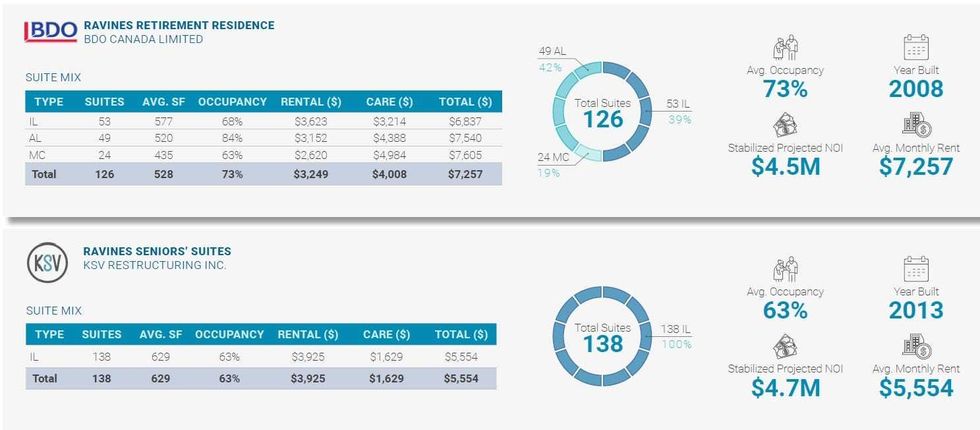 An overview of the two Ravine buildings. (Newmark)
 95 Clegg Road in Markham, Ontario. (Colliers)
 95 Clegg Road (centre) in Markham, Ontario. (Colliers)