Cash-for-Keys Agreement
A cash-for-keys agreement is when landlords pay tenants to vacate a unit voluntarily, often for renovations or resale.

September 30, 2025
What is Cash-for-Keys Agreement?
A cash-for-keys agreement is a voluntary arrangement where a landlord offers a tenant financial compensation in exchange for the tenant vacating a rental unit. It is often used to regain possession for renovations, redevelopment, or resale.
Why Cash-for-Keys Agreement Matters in Real Estate
Cash-for-keys agreements matter in real estate because they provide an alternative to formal eviction, often saving time, legal costs, and conflict. They must be consensual and cannot be coerced under landlord-tenant laws.
Example of Cash-for-Keys Agreement in Action
A landlord offers a tenant $5,000 to move out of a rental unit so they can renovate and sell the property. The tenant agrees voluntarily, and the move proceeds without dispute.
Key Takeaways
- Voluntary agreement for tenant to vacate in exchange for money.
- Used for renovations, redevelopment, or resale.
- Provides alternative to formal eviction proceedings.
- Must be consensual and not coerced.
- Helps avoid legal costs and disputes.
Related Terms
- Eviction
- Tenant Buyout
- Residential Tenancies Act
- Renoviction
- Tenant Rights

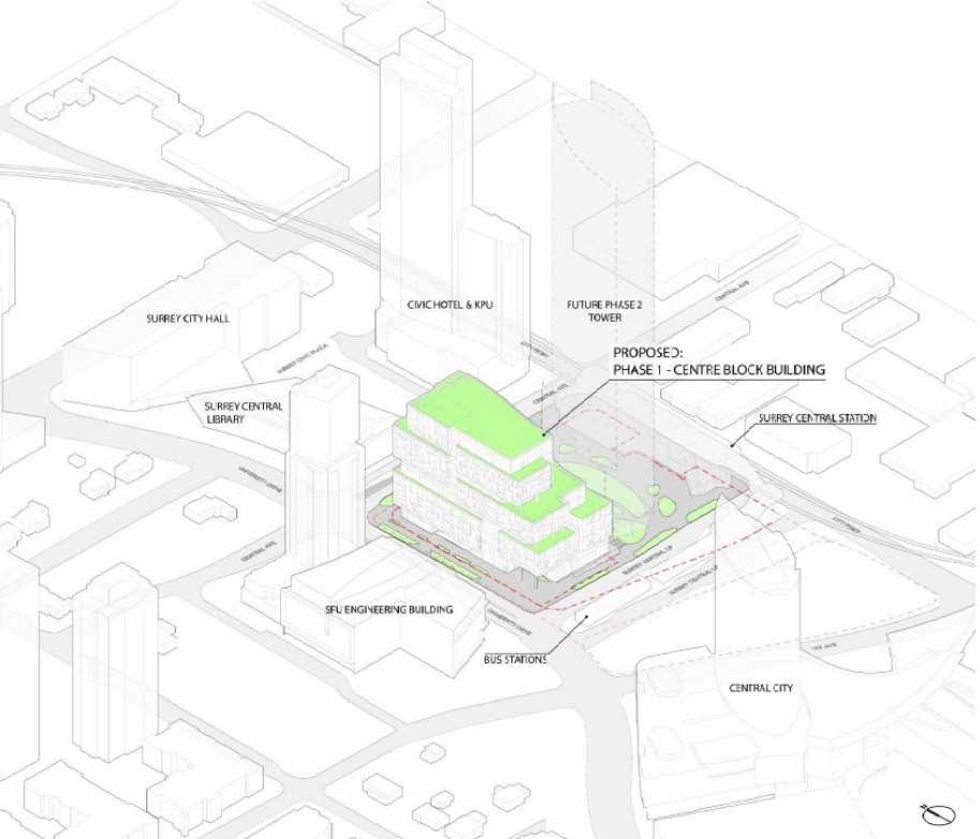 Centre Block and its surrounding context. (Stantec-Revery, SCDC)
 The 12-storey Phase One of Centre Block. (Stantec-Revery, SCDC)
 The 12-storey Phase One of Centre Block. (Stantec-Revery, SCDC)
 Mondria One, set for 1607 King Street East in Clarington, Ontario. (ICON Architects Inc., Monde Development Group)








 Via STOREYS Editorial team

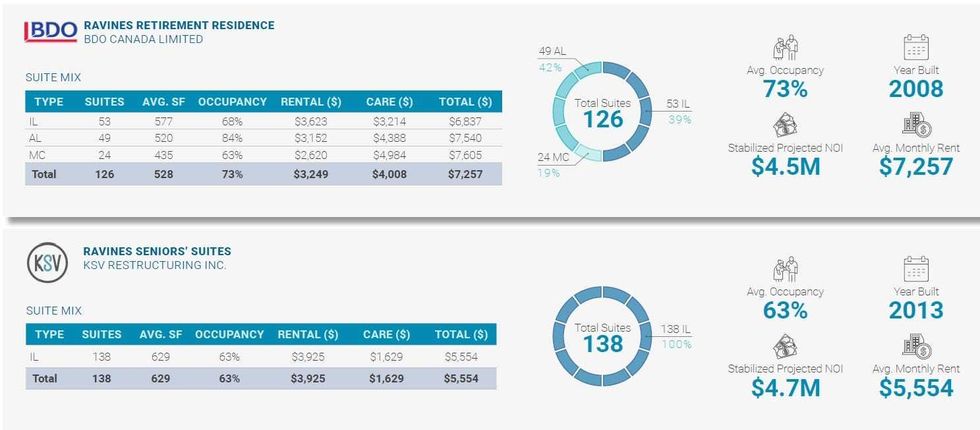 An overview of the two Ravine buildings. (Newmark)
 95 Clegg Road in Markham, Ontario. (Colliers)
 95 Clegg Road (centre) in Markham, Ontario. (Colliers)