Readvanceable Mortgage
A readvanceable mortgage combines a traditional mortgage with a HELOC, giving borrowers flexible access to equity as they pay down principal.

September 30, 2025
What is Readvanceable Mortgage?
A readvanceable mortgage is a type of mortgage product that combines a traditional mortgage with a revolving home equity line of credit (HELOC). As the borrower pays down the principal, the available credit in the HELOC automatically increases, allowing ongoing access to home equity.
Why Readvanceable Mortgages Matter in Real Estate
Readvanceable mortgages matter in real estate because they provide borrowers with flexible access to home equity for renovations, investments, or emergencies. However, they require discipline, as the revolving credit structure can lead to long-term debt if mismanaged.
Example of Readvanceable Mortgages in Action
A homeowner has a $500,000 readvanceable mortgage split between a $350,000 mortgage and a $150,000 HELOC. As they pay down the mortgage, their HELOC borrowing capacity grows, giving them flexible access to funds.
Key Takeaways
- Combines a mortgage with a revolving HELOC product.
- Credit limit increases as mortgage principal is repaid.
- Provides flexible access to equity for various uses.
- May lead to persistent debt if mismanaged.
- Registered as a collateral charge on title.
Related Terms
- Home Equity Line of Credit (HELOC)
- Collateral Charge Mortgage
- Refinancing
- Mortgage Registration
- Equity

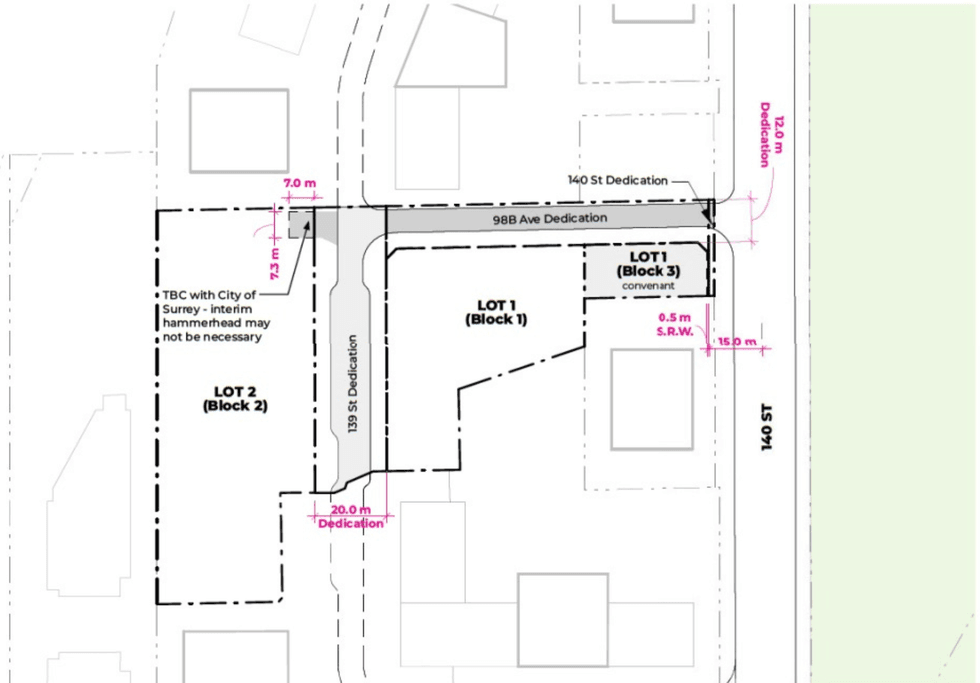 9883 140 Street and the proposed road dedications. (WW+P Architects, Entre Nous Femmes Housing Society)
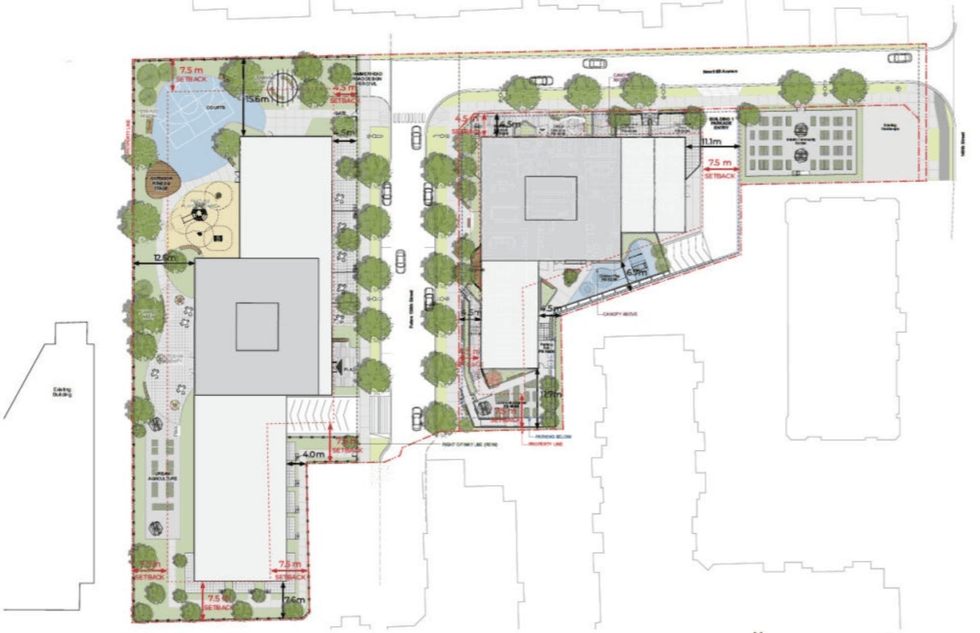 The
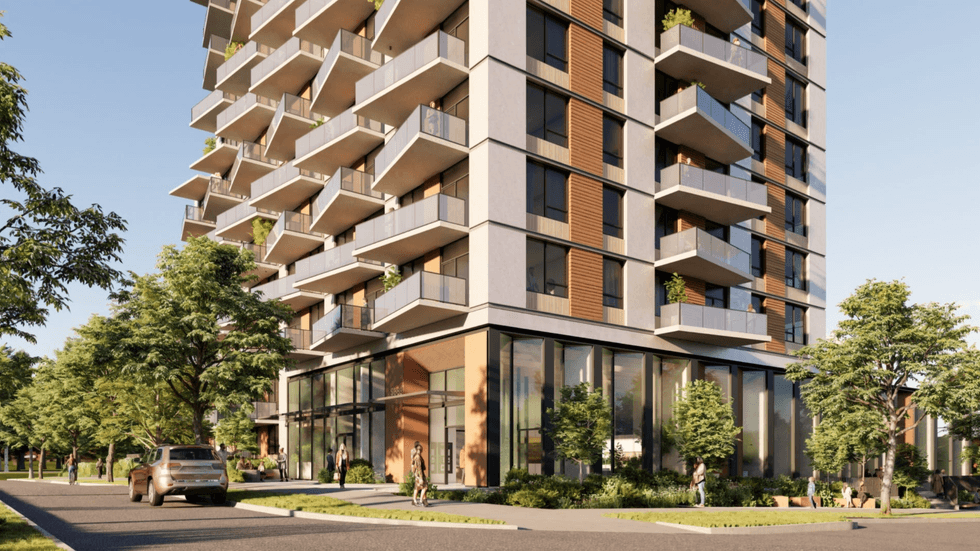 One of the towers proposed for 9883 140 Street. (Entres Nous Femmes Housing Society)

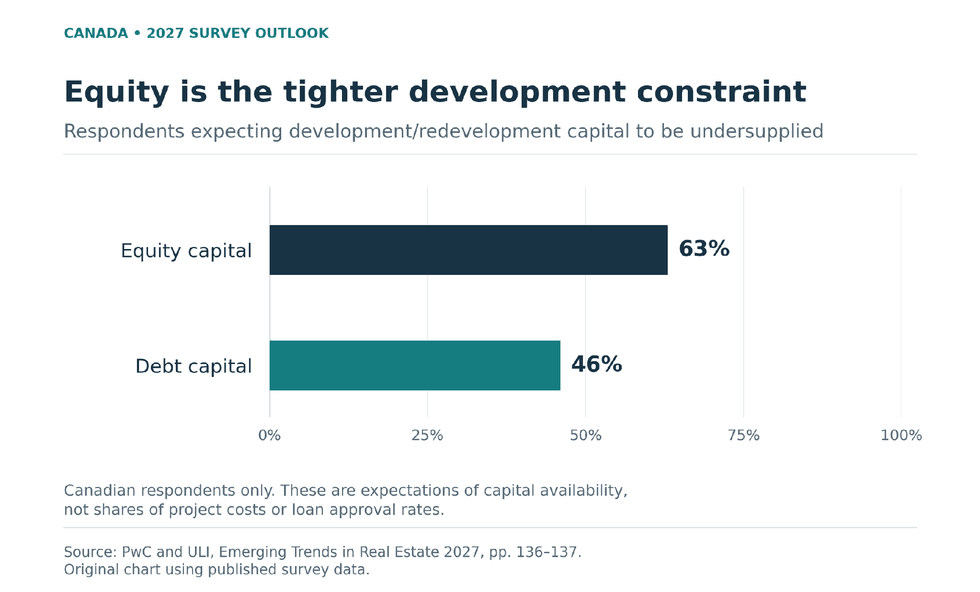 Canadian respondents were more likely to expect an undersupply of development/redevelopment equity capital (63%) than debt capital (46%) in 2027. These are survey expectations, not measured financing volumes. Source: PwC and ULI, Emerging Trends in Real Estate 2027, pp. 136–137. Original chart.
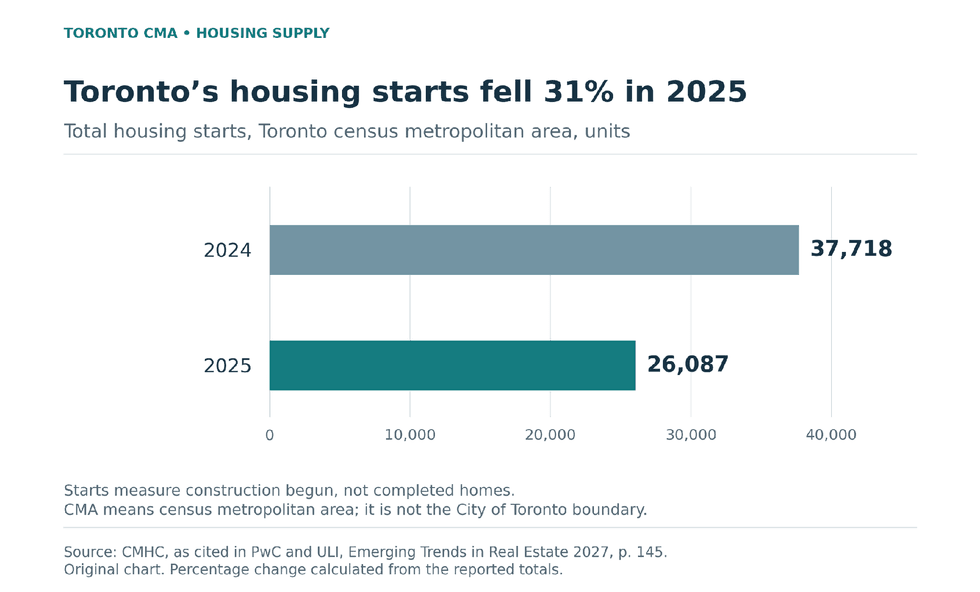 Toronto census metropolitan area housing starts fell from 37,718 units in 2024 to 26,087 in 2025, a 30.8% decline (rounded to 31%). Starts measure construction begun, not completed homes. Source: CMHC, as cited in PwC and ULI, Emerging Trends in Real Estate 2027, p. 145. Original chart.








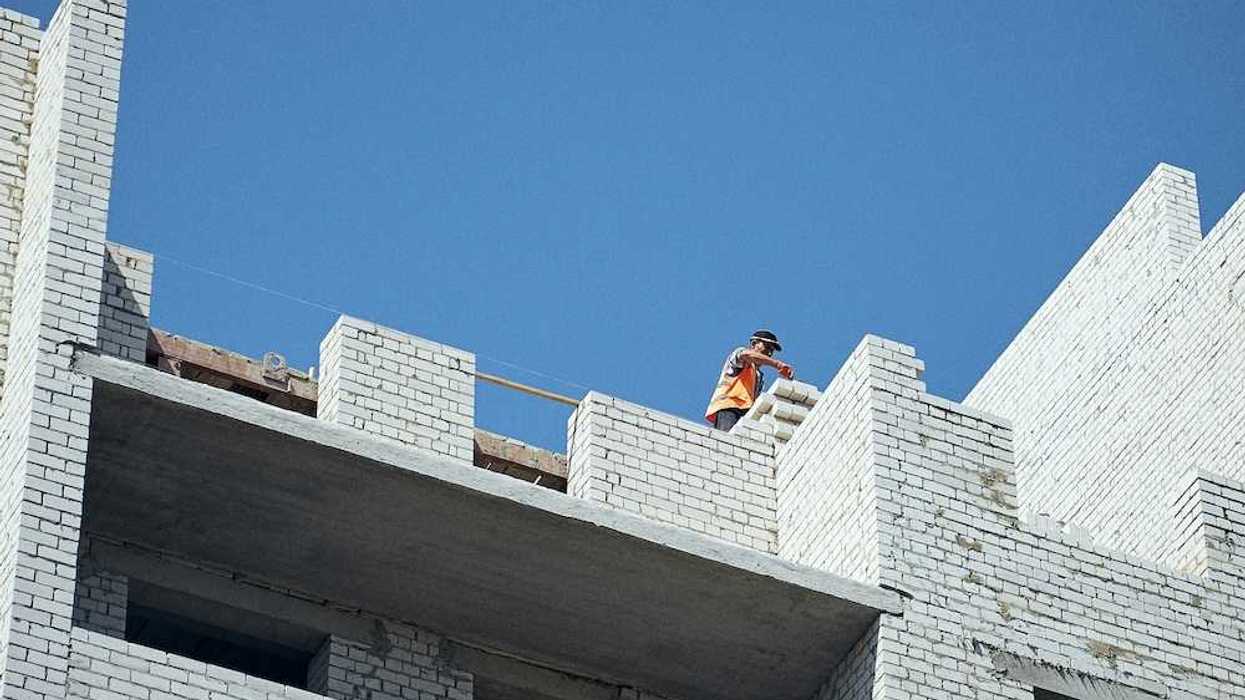
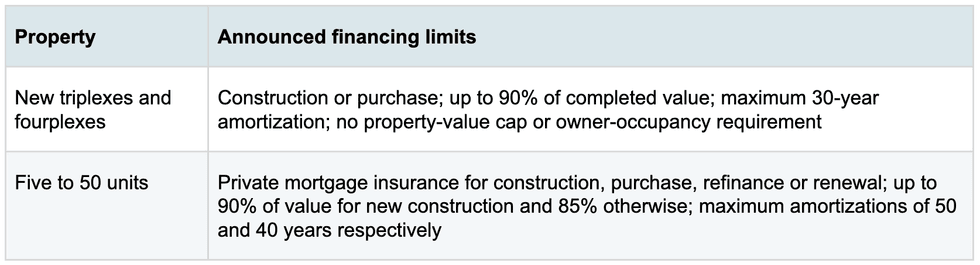
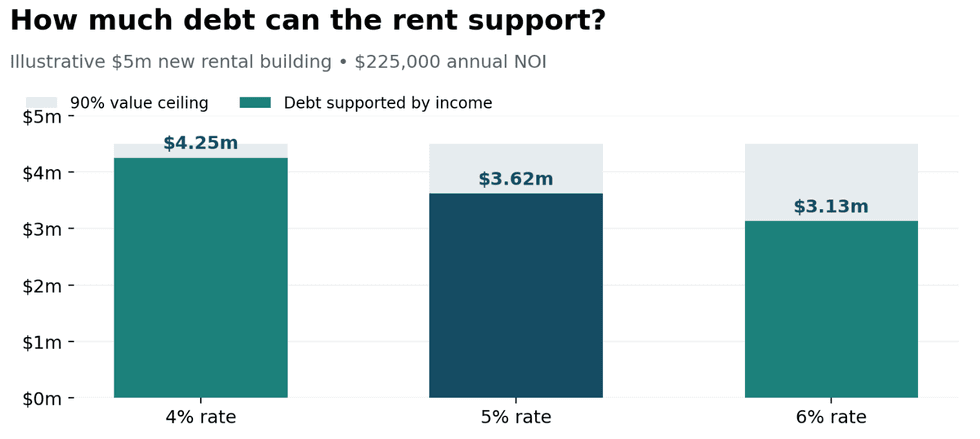 Illustrative calculation: a $4.5-million value ceiling versus income-based capacity of about $4.25 million at 4%, $3.62 million at 5% and $3.13 million at 6%. Assumes 50-year amortization and 1.15 debt coverage.
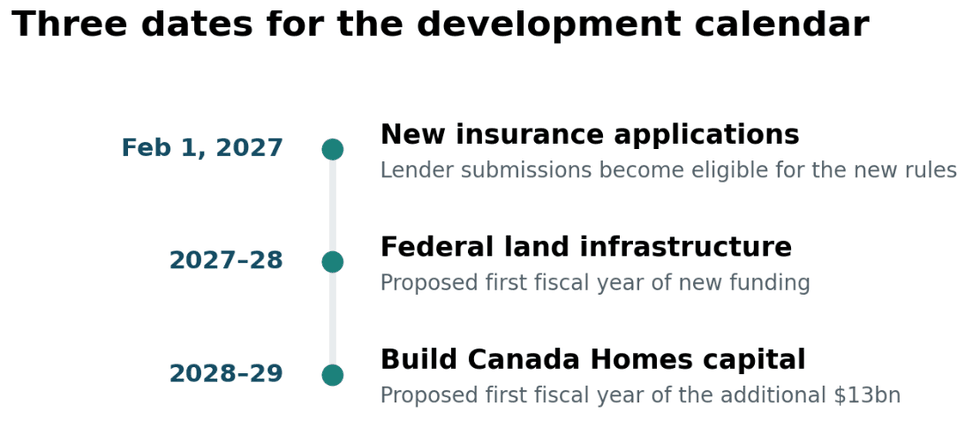 Source: Department of Finance missing-middle backgrounder and Budget 2026 Chapter 3, November 5, 2026. Fiscal-year funding starts are not home-completion dates.