Path of Growth Investing
Path of growth investing involves buying properties in areas expected to urbanize, aiming for long-term appreciation.

September 30, 2025
What is Path of Growth Investing?
Path of growth investing is a real estate strategy that involves purchasing properties in areas expected to experience significant future development or urban expansion. Investors aim to benefit from long-term appreciation as demand grows.
Why Path of Growth Investing Matters in Real Estate
It matters in real estate because anticipating urban growth can yield high returns. However, it involves risks if projected growth does not materialize or timelines extend beyond investor expectations.
Example of Path of Growth Investing in Action
An investor buys land on the outskirts of Calgary, expecting urban expansion from population growth and new transit infrastructure to drive future value.
Key Takeaways
- Investment strategy targeting future growth areas.
- Seeks long-term appreciation from urban expansion.
- Requires knowledge of planning and infrastructure trends.
- Carries risk if growth projections fail.
- Common strategy in suburban and edge-city areas.
Related Terms
- Speculative Investment
- Land Banking
- Urban Planning
- Market Trends
- Future Development Land

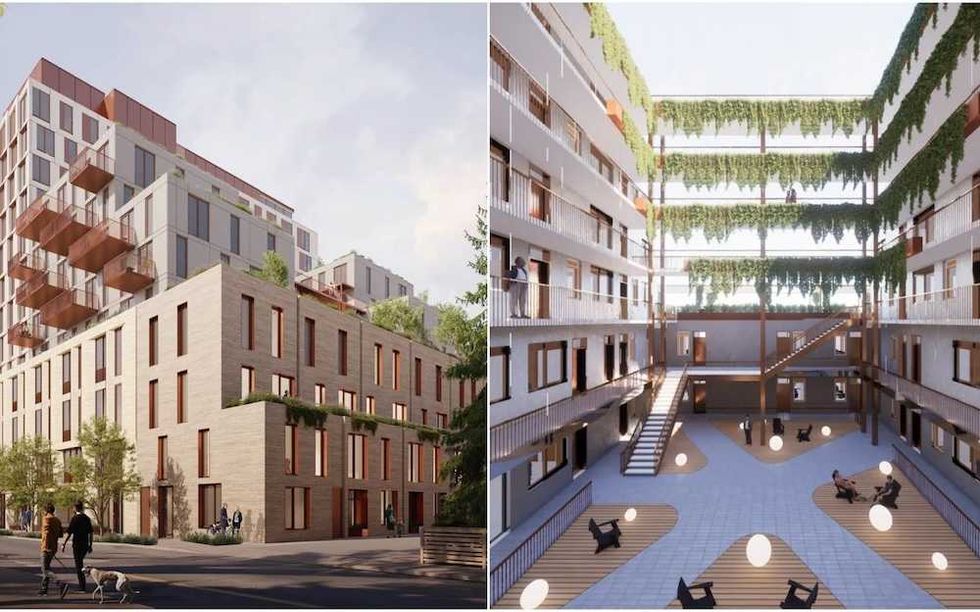 The project approved for 880 Eastern Avenue and 80 Knox Avenue. (SvN Architects, TAS)






 Rendering of 86 and 100-108 Lombard St and 103 Richmond St E/WZMH Architects
 Rendering of 60 Overlea Blvd/Sweeny&Co Architects
 Rendering of 7 Labatt Ave and 77 River St/Giannone Petricone Associates
 Rendering of 4632-4648 Yonge St and 16-18 Cameron Ave/Arcadis
 Rendering of 1234 Islington Ave/Sweeny&Co Architects
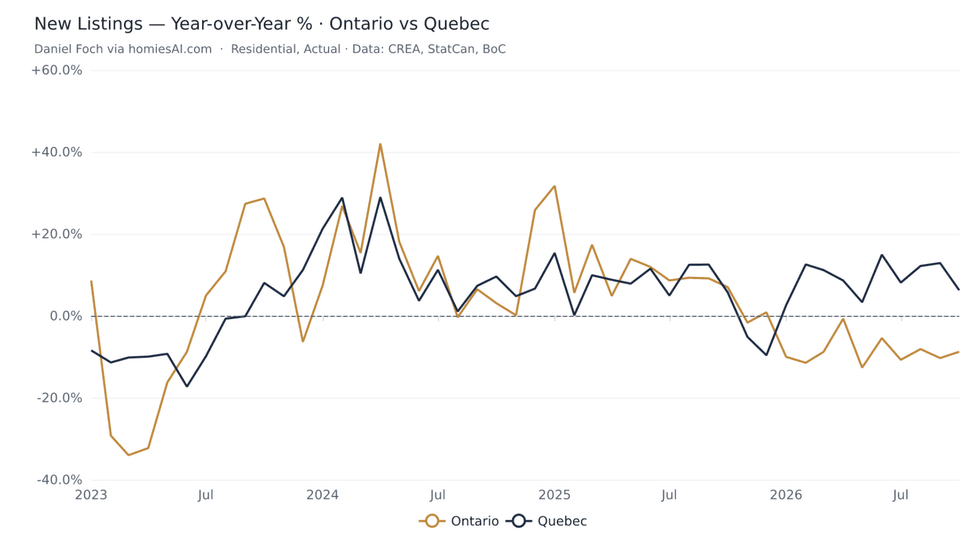 Chart: New listings, year-over-year %, Ontario vs Quebec. Daniel Foch via homiesai.com/stats. Data:
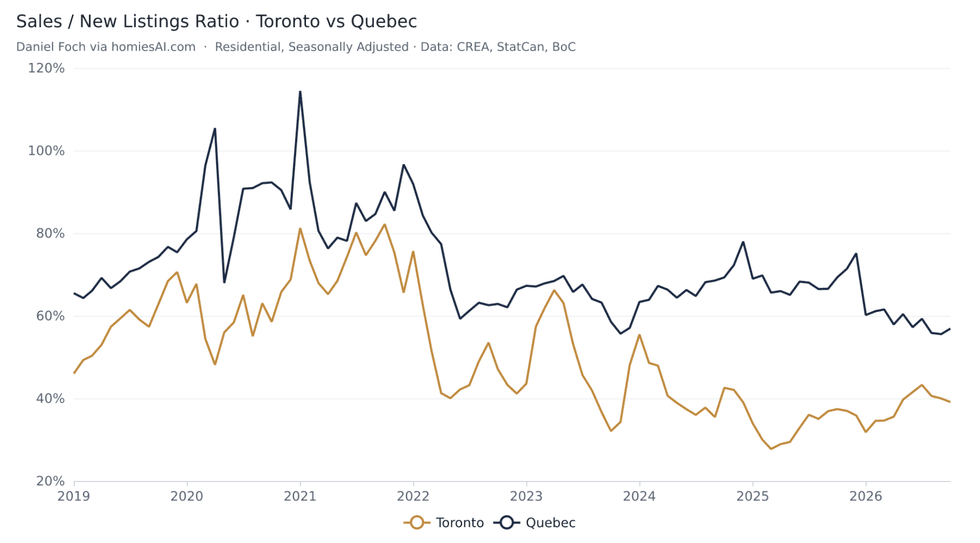 Chart: Sales-to-new-listings ratio, seasonally adjusted. Toronto vs Quebec. Daniel Foch via homiesai.com/stats. Data: CREA.
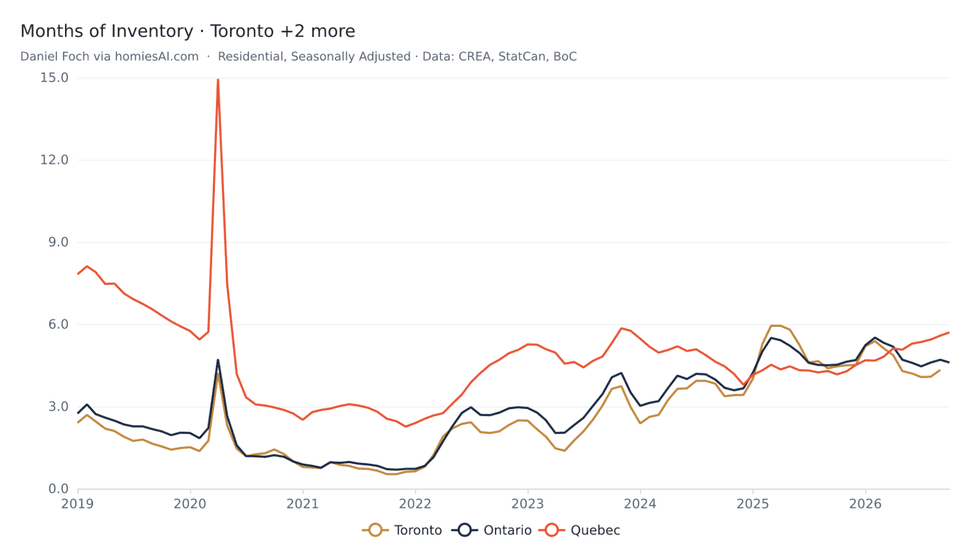 Chart: Months of inventory, seasonally adjusted. Daniel Foch via homiesai.com/stats. Data: CREA.
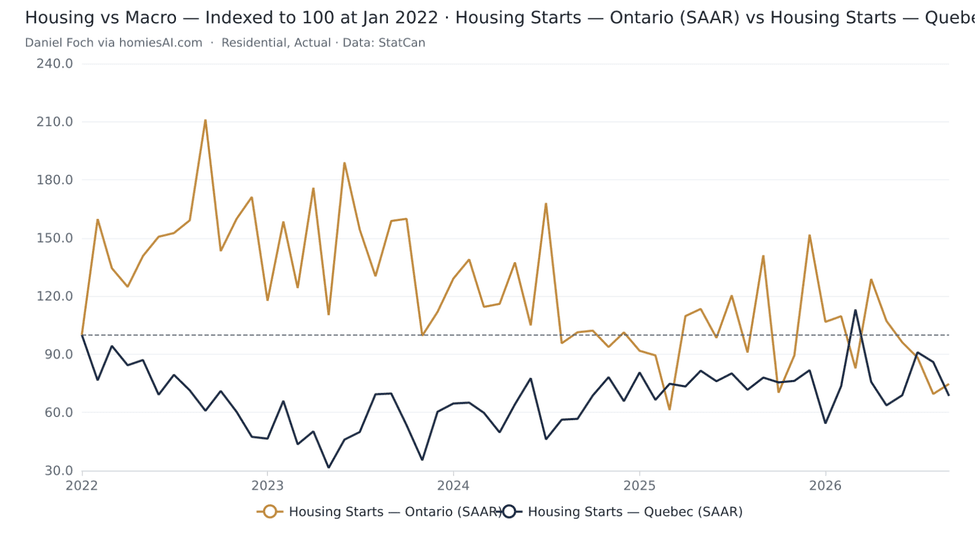 Chart: Housing starts, seasonally adjusted annual rate, Ontario vs Quebec, indexed to January 2022. Daniel Foch via homiesai.com/stats. Data: CMHC via Statistics Canada.
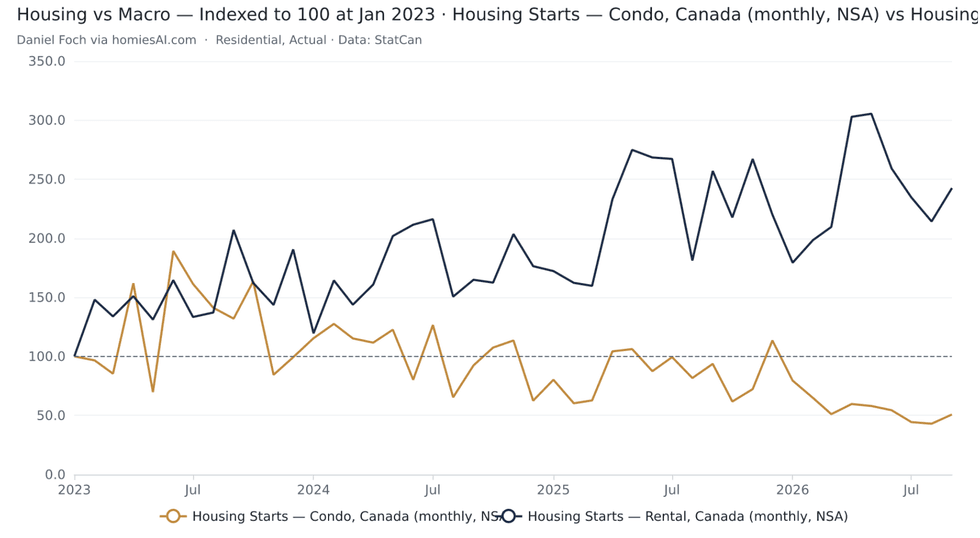 Chart: Condo vs rental housing starts, Canada, indexed to January 2023. Daniel Foch via homiesai.com/stats. Data: CMHC via Statistics Canada.
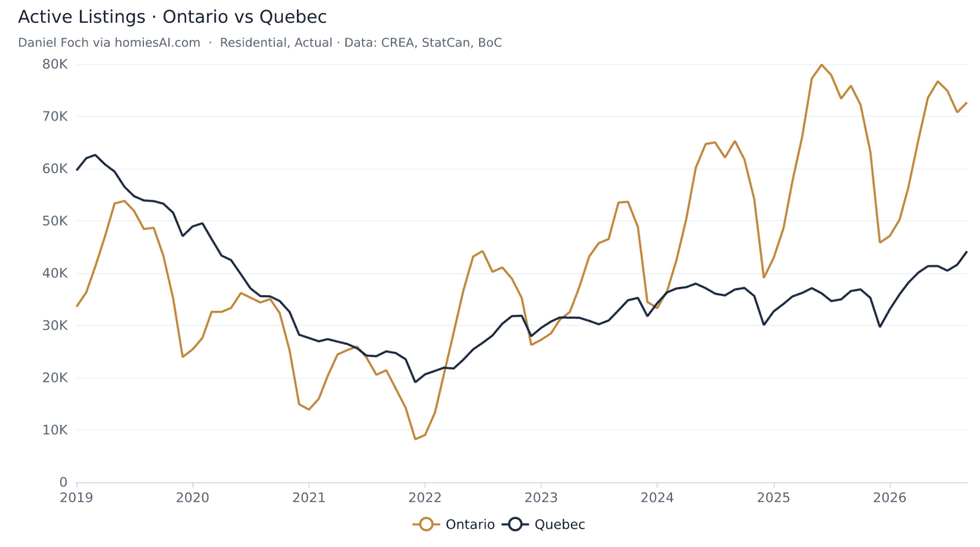 Chart: Active residential listings, Ontario vs Quebec. Daniel Foch via homiesai.com/stats. Data: CREA.

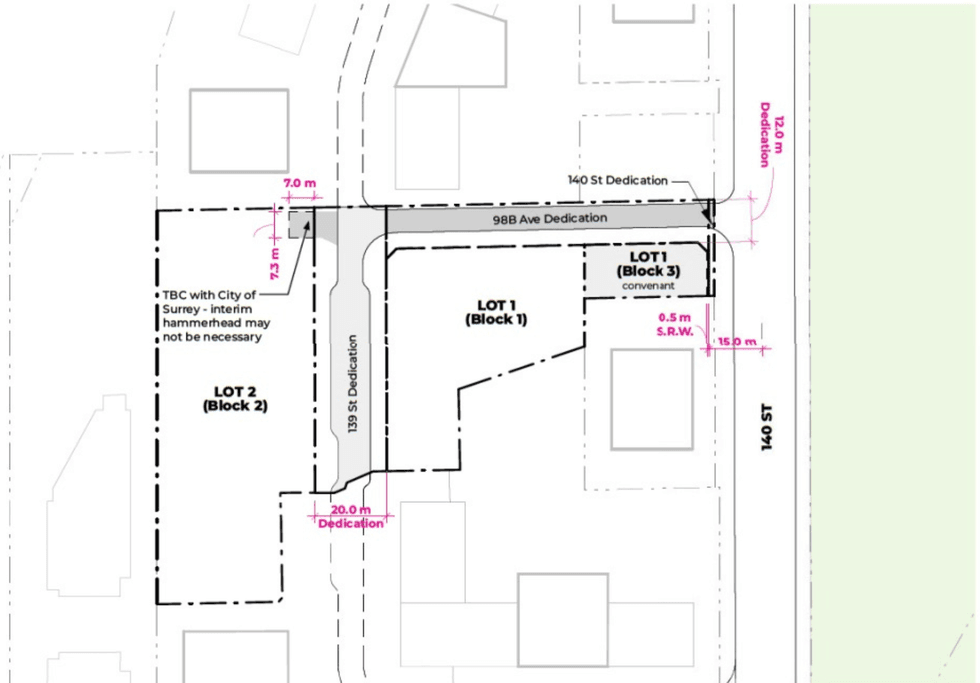 9883 140 Street and the proposed road dedications. (WW+P Architects, Entre Nous Femmes Housing Society)
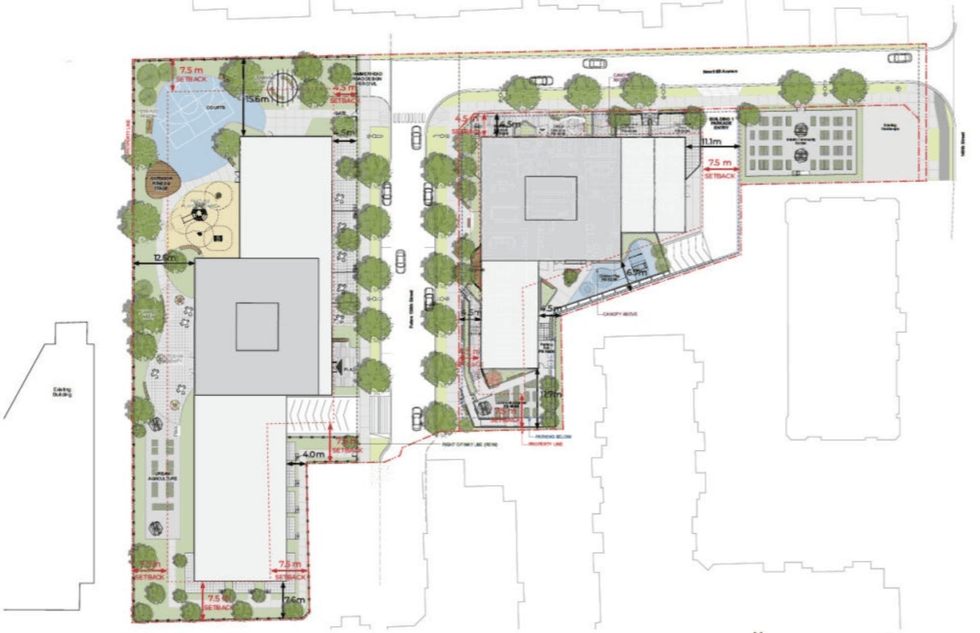 The
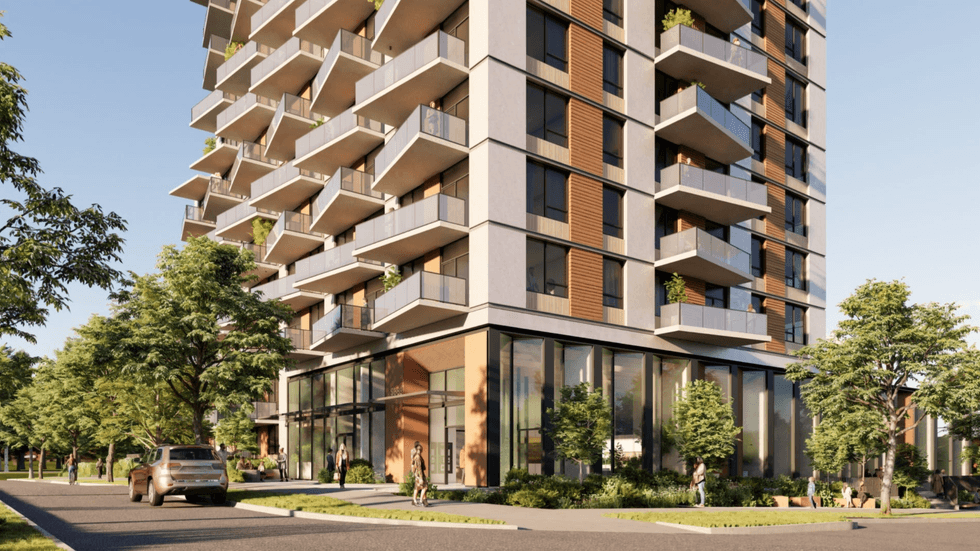 One of the towers proposed for 9883 140 Street. (Entres Nous Femmes Housing Society)

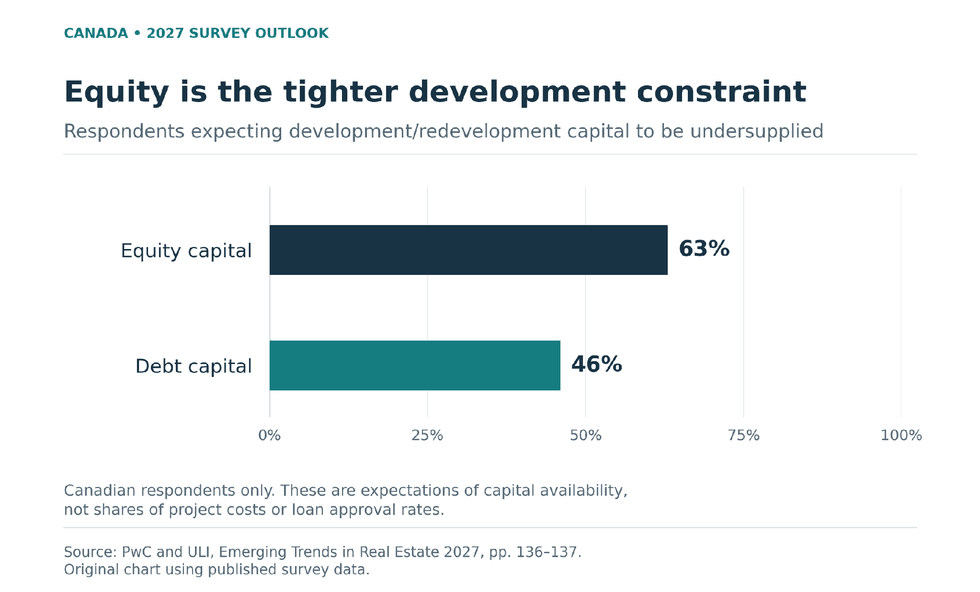 Canadian respondents were more likely to expect an undersupply of development/redevelopment equity capital (63%) than debt capital (46%) in 2027. These are survey expectations, not measured financing volumes. Source: PwC and ULI, Emerging Trends in Real Estate 2027, pp. 136–137. Original chart.
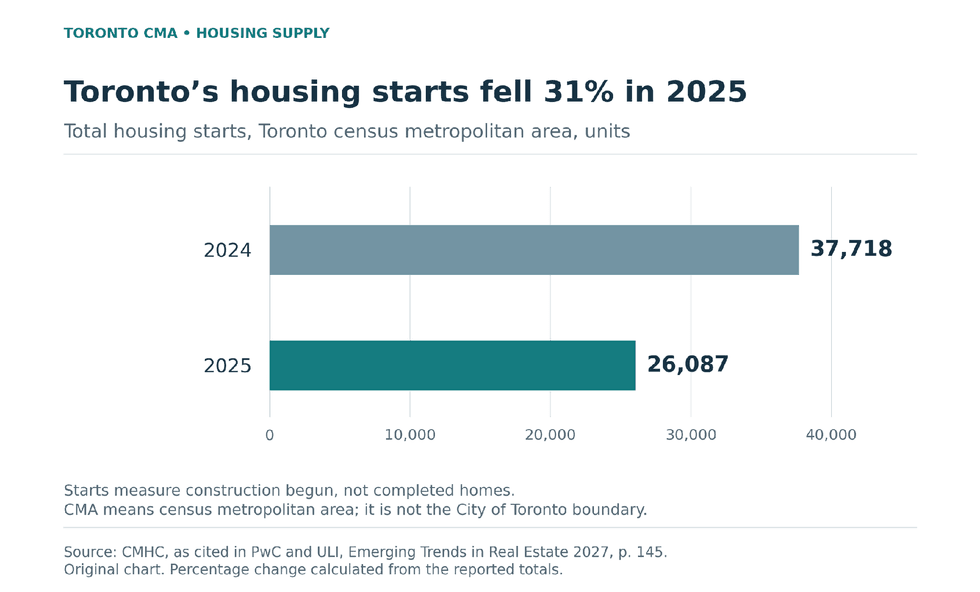 Toronto census metropolitan area housing starts fell from 37,718 units in 2024 to 26,087 in 2025, a 30.8% decline (rounded to 31%). Starts measure construction begun, not completed homes. Source: CMHC, as cited in PwC and ULI, Emerging Trends in Real Estate 2027, p. 145. Original chart.