Vendor Take-Back Mortgage
A vendor take-back mortgage is seller financing where the property seller provides a loan to the buyer, secured against the property.

September 30, 2025
What is a Vendor Take-Back Mortgage?
A vendor take-back mortgage (VTB) is a financing arrangement where the seller of a property provides a loan to the buyer, secured against the property being sold. Instead of—or in addition to—traditional bank financing, the buyer makes mortgage payments directly to the seller under agreed terms.
Why Vendor Take-Back Mortgages Matter in Real Estate
VTBs matter in real estate because they create financing opportunities when traditional lenders are unwilling or unable to finance a purchase. They can help sellers close deals faster, potentially at higher prices, while offering buyers more flexible terms. However, sellers take on risk if the buyer defaults, requiring careful structuring and legal documentation.
Example of Vendor Take-Back Mortgage in Action
A seller agrees to provide a $200,000 VTB for a buyer who cannot secure full bank financing. The buyer obtains $400,000 from a bank and pays the seller monthly installments for the $200,000 balance.
Key Takeaways
- A VTB is when the seller acts as the lender for part of the purchase price.
- Helps buyers with limited access to traditional financing.
- Sellers may secure faster deals or higher prices.
- Carries risk for sellers if buyers default.
- Requires legal documentation and registration on title.
Related Terms
- Seller Financing
- Private Mortgage
- Purchase Agreement
- Second Mortgage
- Promissory Note

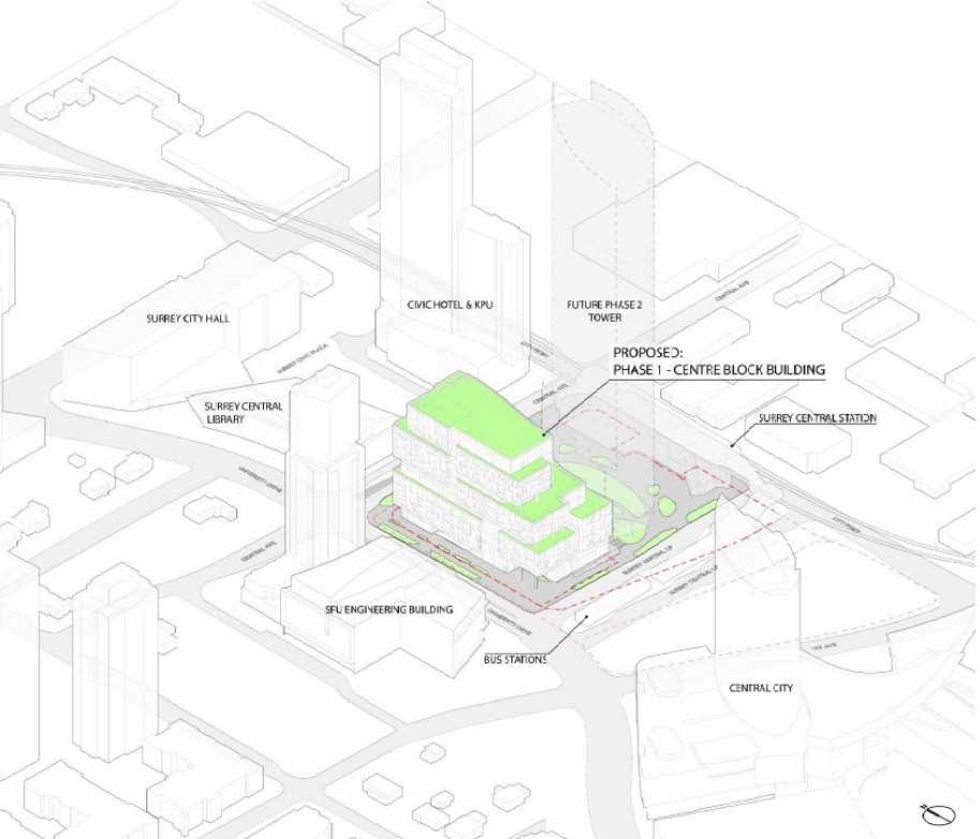 Centre Block and its surrounding context. (Stantec-Revery, SCDC)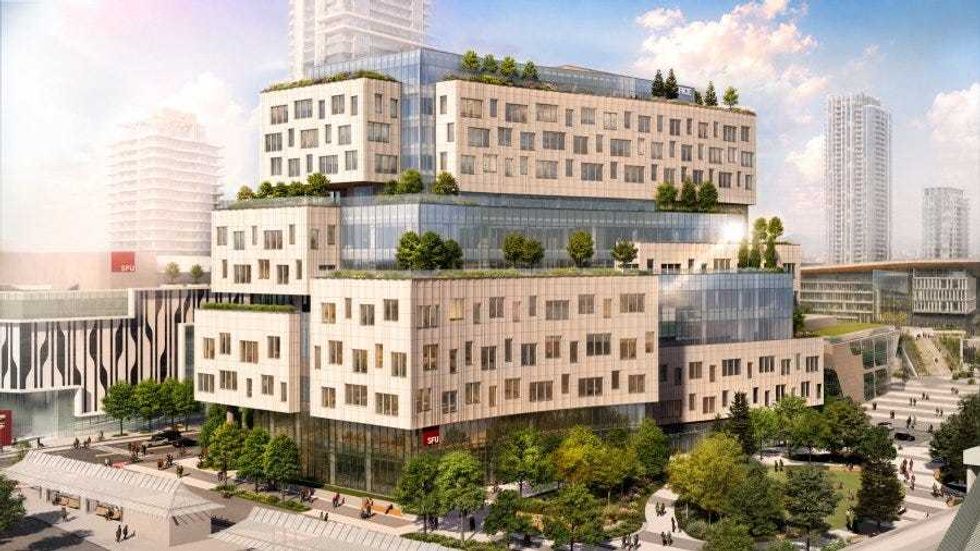
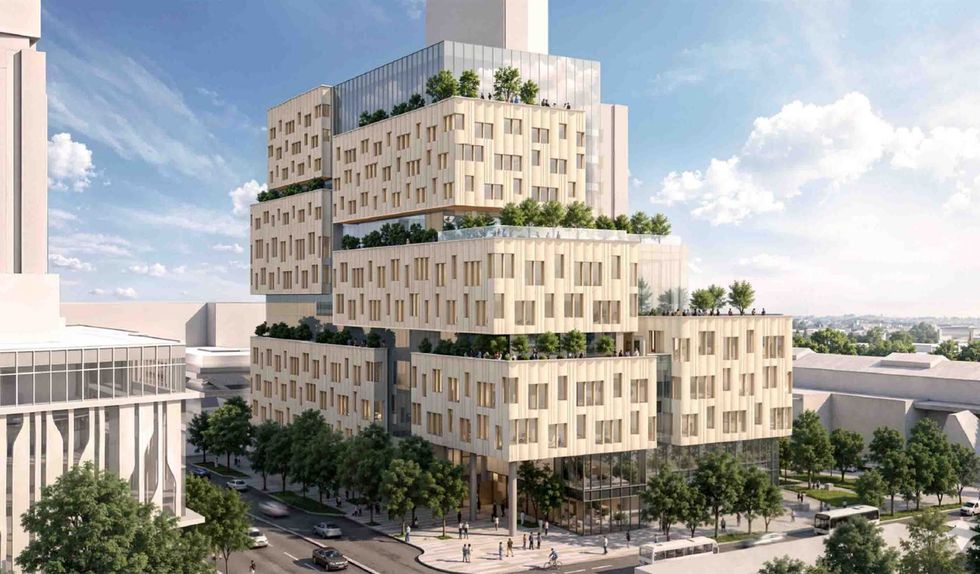 The 12-storey Phase One of Centre Block. (Stantec-Revery, SCDC)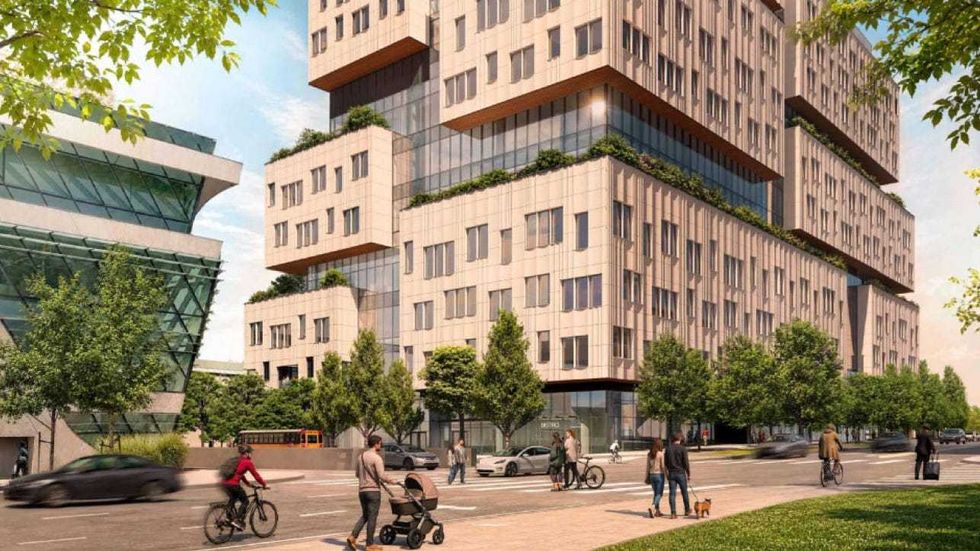
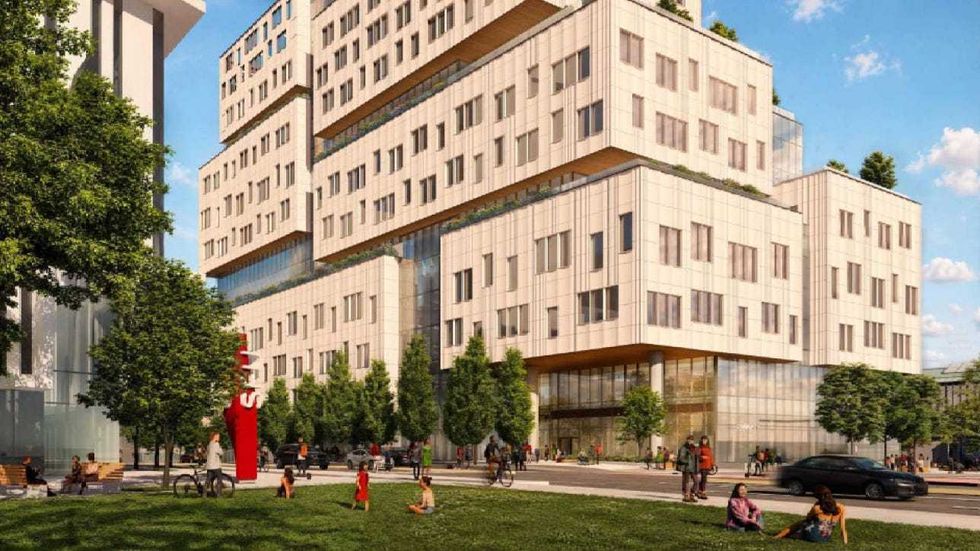 The 12-storey Phase One of Centre Block. (Stantec-Revery, SCDC)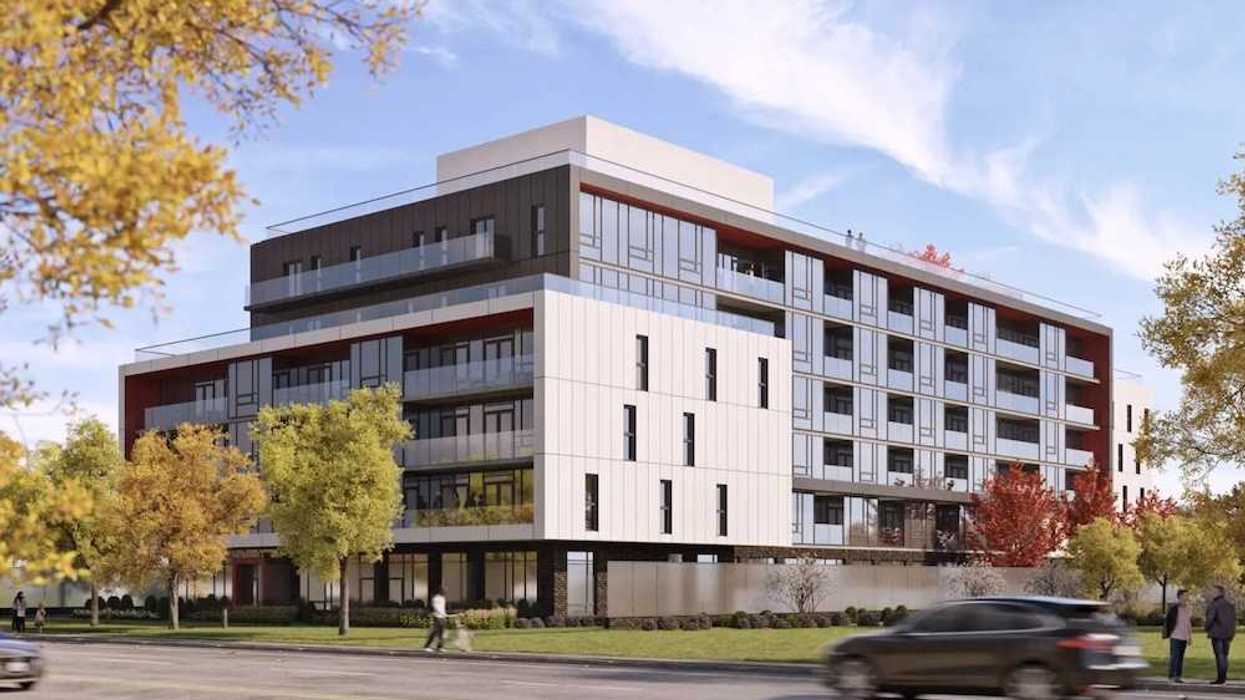
 Mondria One, set for 1607 King Street East in Clarington, Ontario. (ICON Architects Inc., Monde Development Group)






 Via STOREYS Editorial team
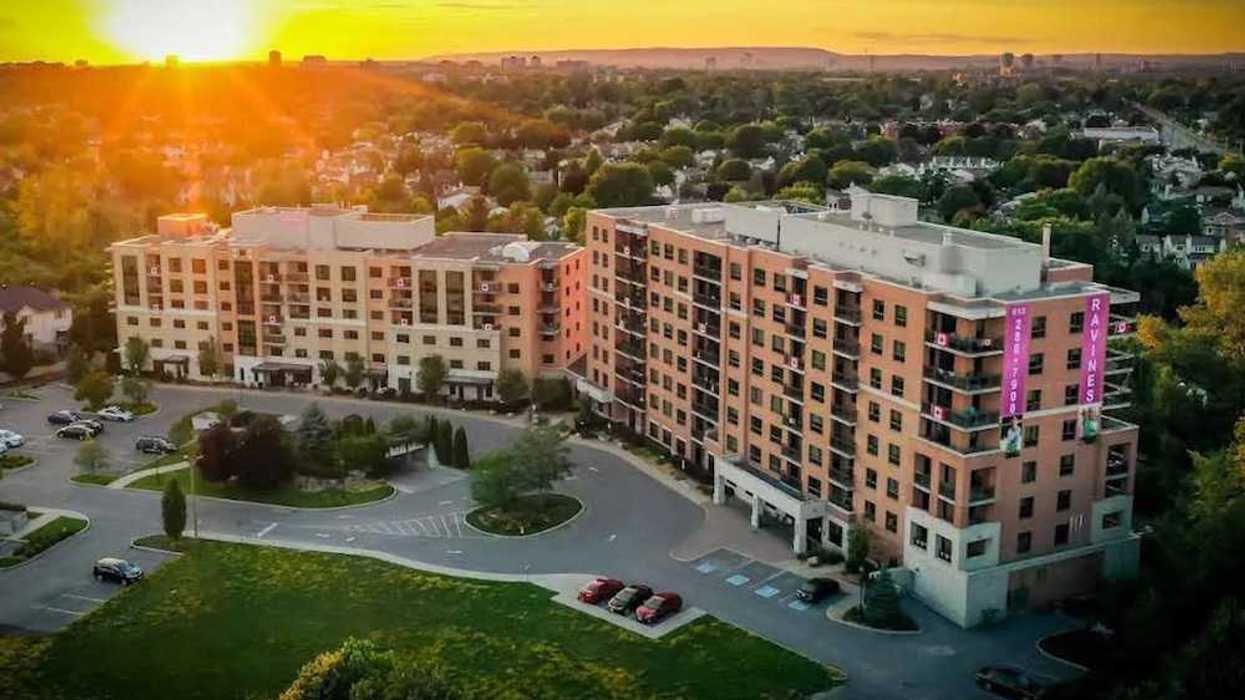
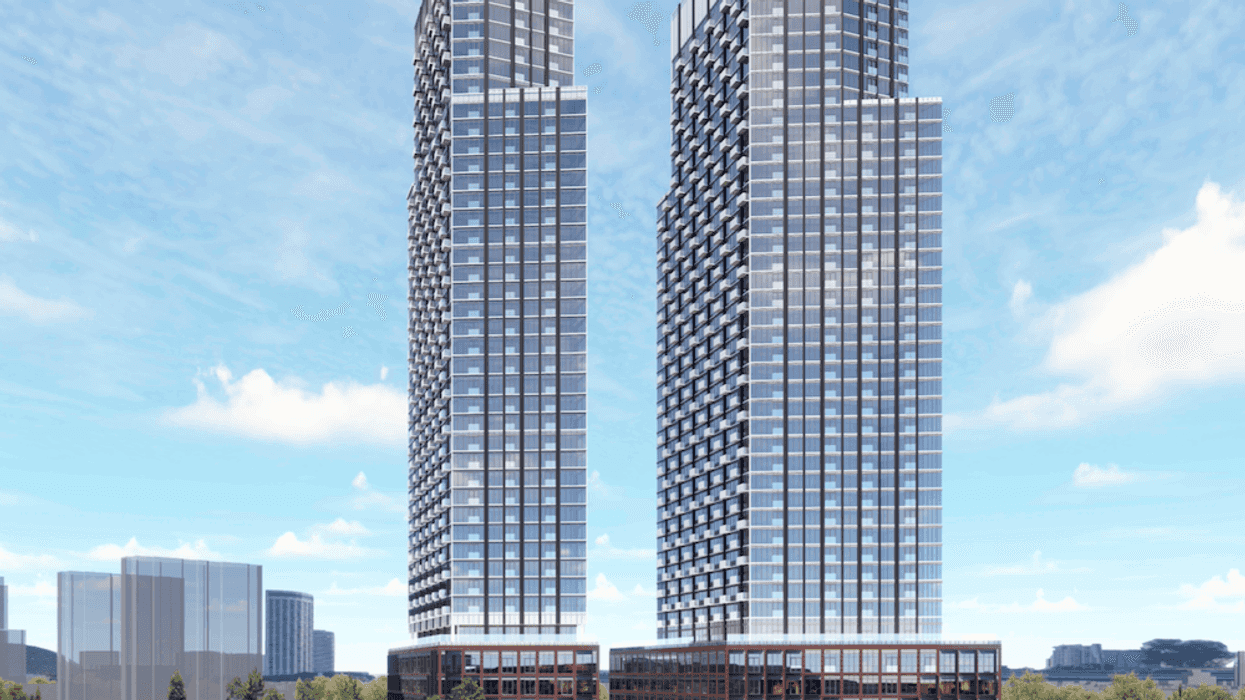
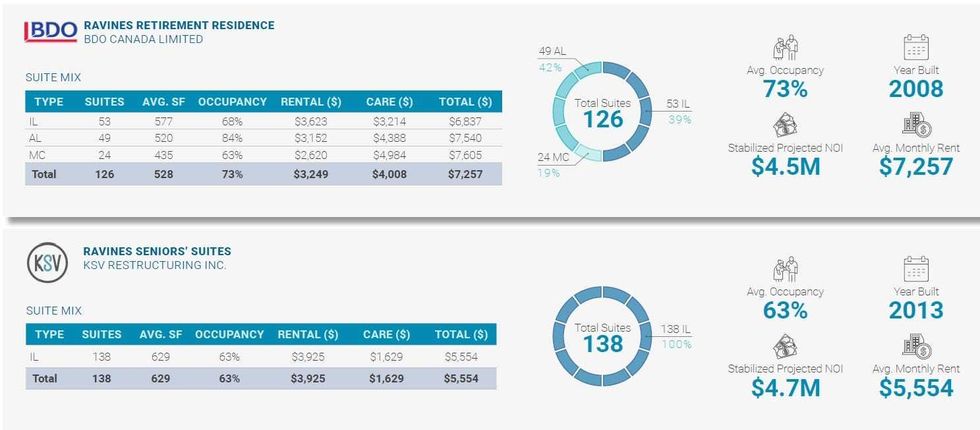 An overview of the two Ravine buildings. (Newmark)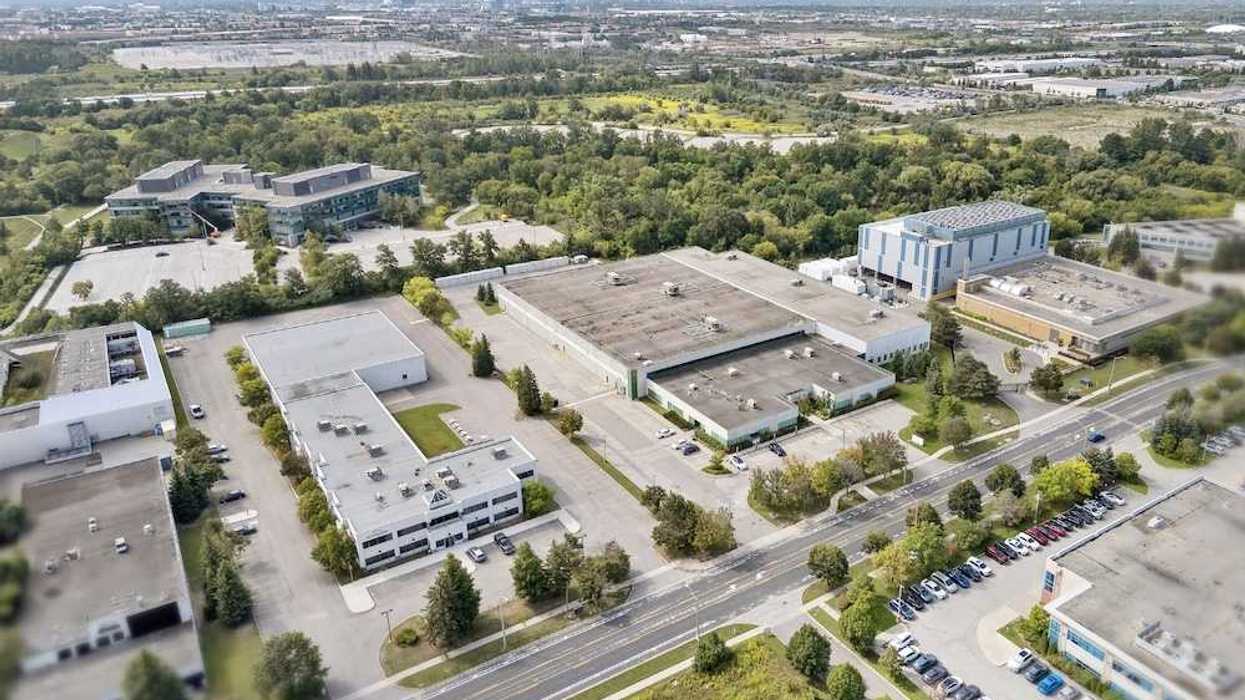
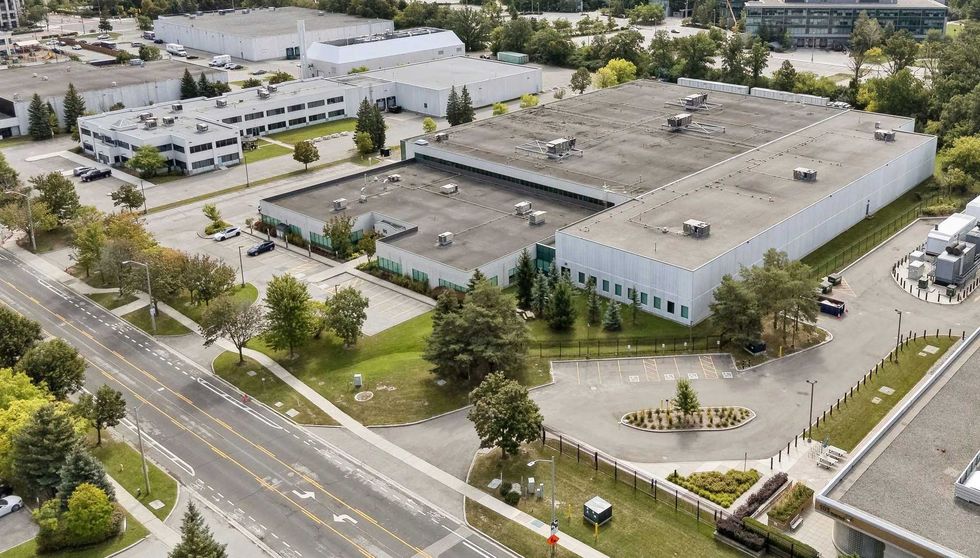 95 Clegg Road in Markham, Ontario. (Colliers)
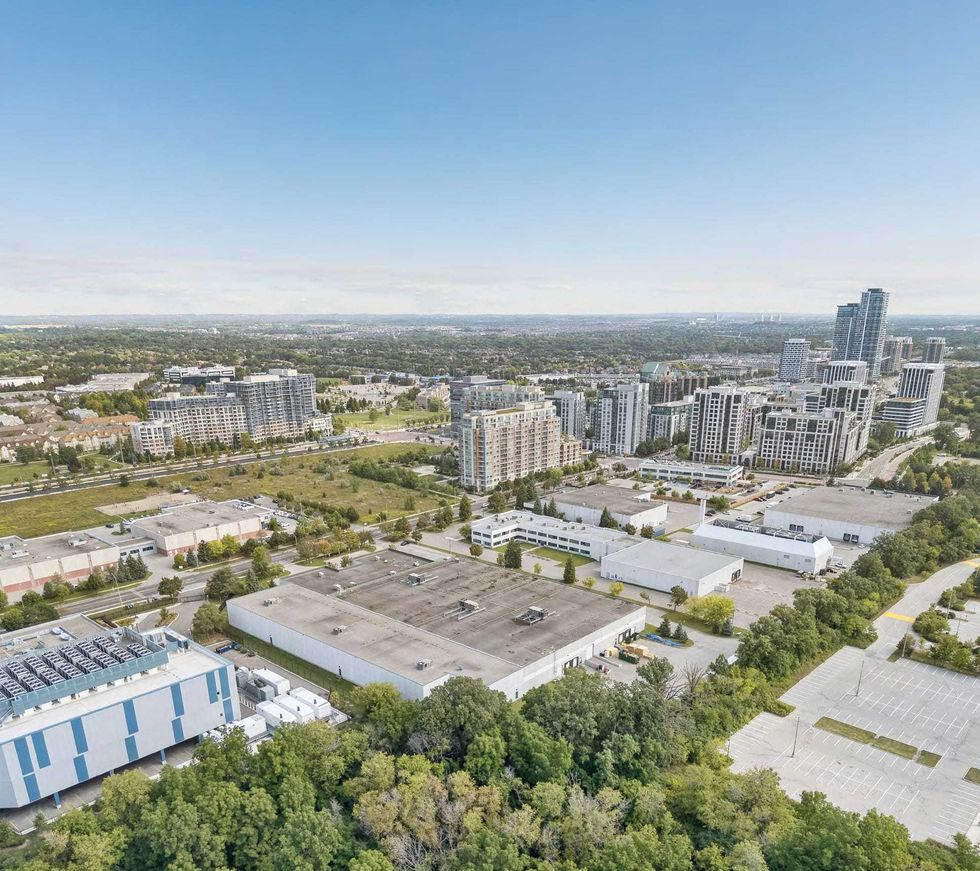 95 Clegg Road (centre) in Markham, Ontario. (Colliers)