Guarantor
Understand what a guarantor is in Canadian mortgage financing, how it differs from a co-signer, and what legal and financial responsibilities are involved.

May 22, 2025
What is a Guarantor?
A guarantor is someone who agrees to be legally responsible for a mortgage or loan if the primary borrower fails to meet repayment obligations.
Why Guarantors Matter in Real Estate
In Canadian real estate, guarantors help strengthen a mortgage application without necessarily being added to the property's title. Unlike a co-signer, a guarantor usually acts as a financial backup rather than a joint applicant.
Key points include:- Guarantors are liable for the loan in case of default
- Their income and credit are considered in underwriting
- They are not typically owners of the property
Lenders may require a guarantor when the borrower has limited income, thin credit history, or is self-employed. Legal advice is recommended due to the financial risk involved.
Understanding the role of a guarantor helps families and applicants navigate lending support and legal exposure in high-stakes transactions.
Example of a Guarantor in Action
A parent acts as a guarantor for their child’s mortgage, improving approval odds without being added to the home’s title.
Key Takeaways
- Provides financial backing for a mortgage.
- Not usually listed on property title.
- Increases loan approval chances.
- Liable if borrower defaults.
- Carries legal and credit implications.
Related Terms
- Co-Signer
- Mortgage Qualification
- Credit Score
- Debt Service Ratios
- Legal Liability


























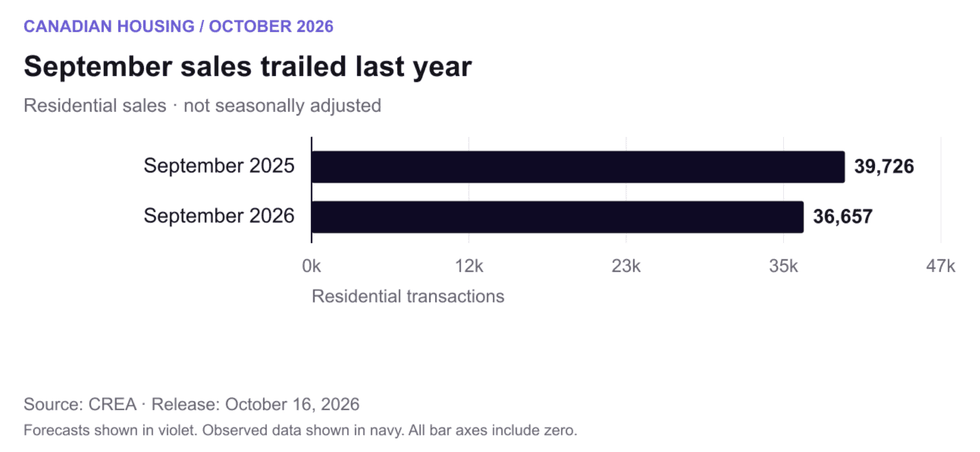 September residential sales, not seasonally adjusted; the annual comparison uses CREA’s revised figures. Chart:
 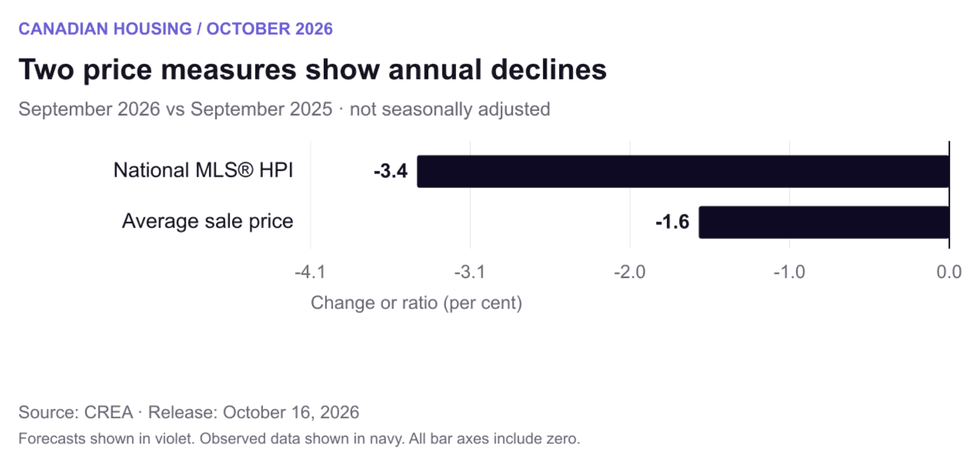 Annual changes in the unadjusted national MLS® HPI and average sale price. The average is affected by the mix of transactions. Chart:
 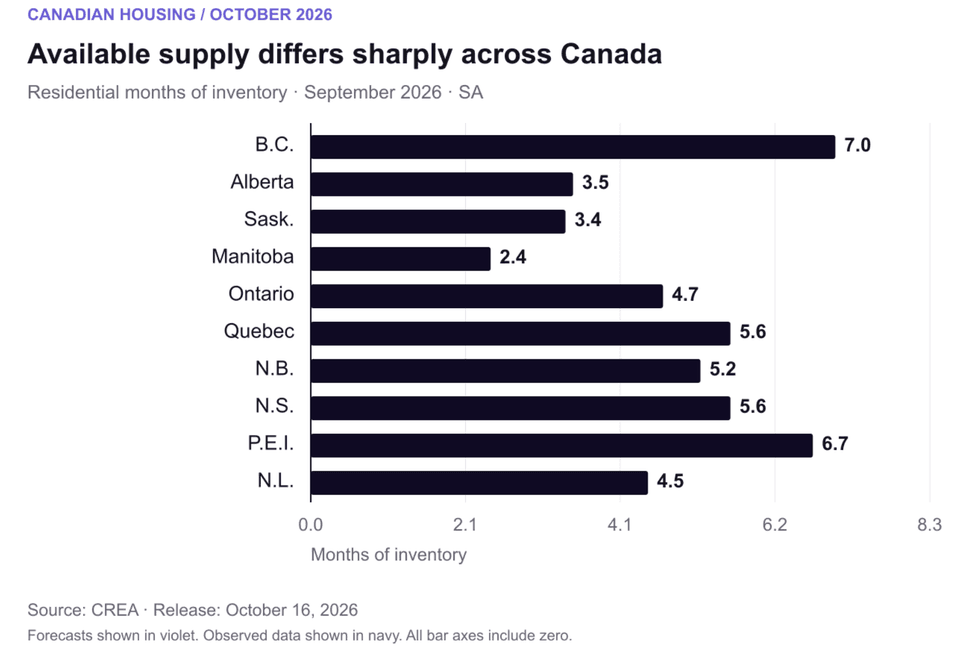 Seasonally adjusted residential months of inventory by province. Local property types can differ substantially. Chart:
 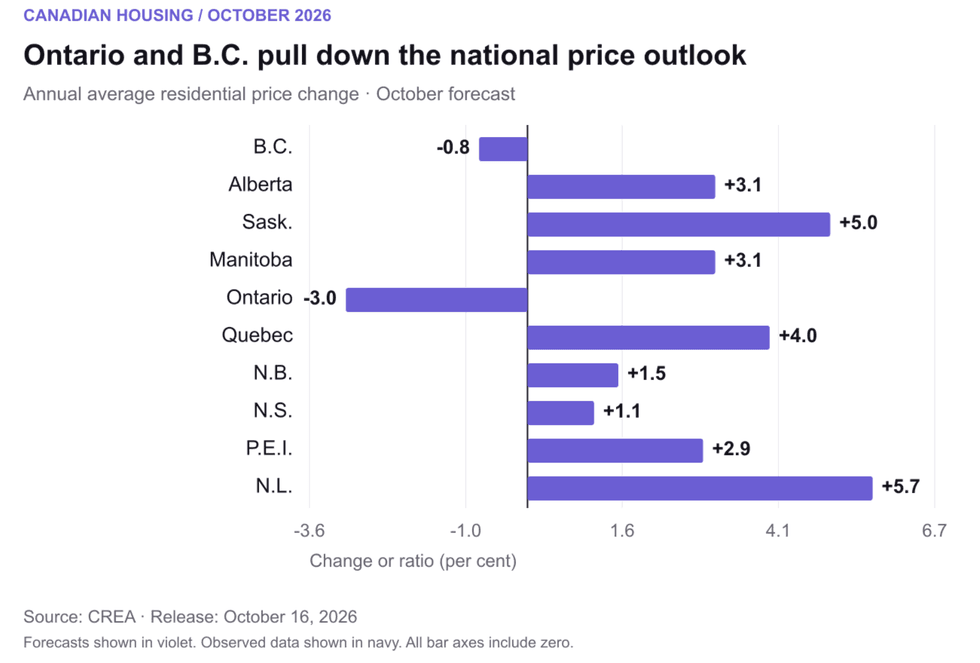 Ontario and B.C. are the two provinces with forecast annual average-price declines in 2026. Chart:
 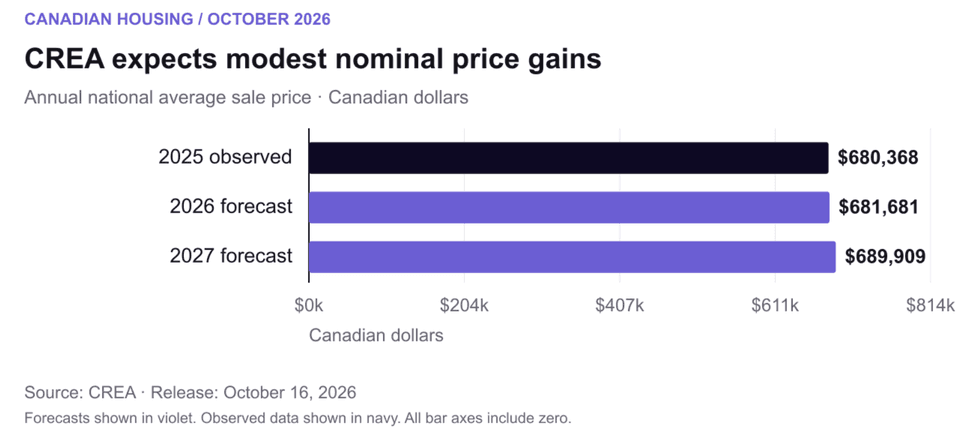 Annual average transaction prices in Canadian dollars. Forecast values are not December price targets. Chart:
 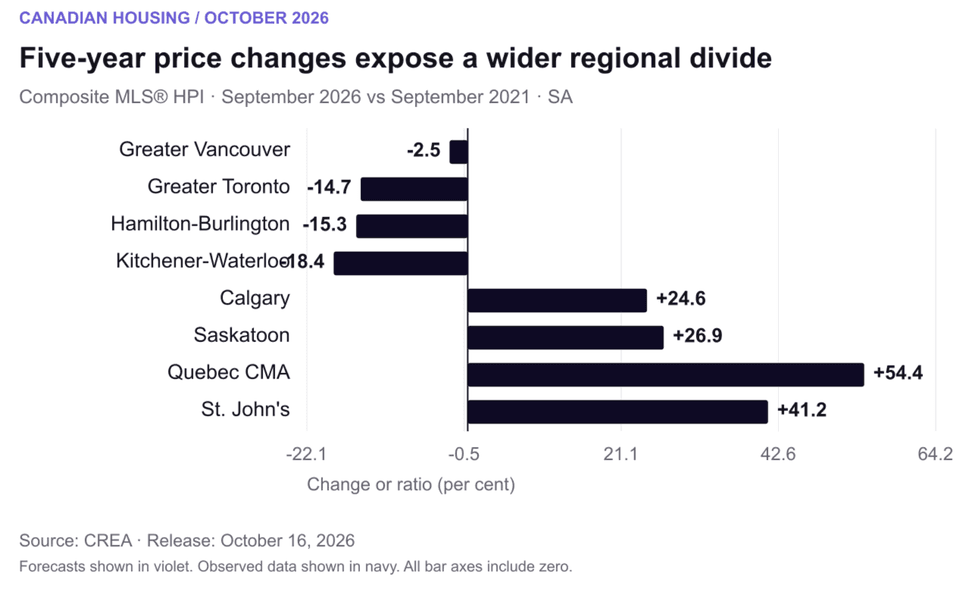 Five-year changes in seasonally adjusted composite MLS® HPI benchmarks, September 2021 to September 2026. Chart: