Future Development Land
Future development land refers to property held for future rezoning or construction, carrying speculative value and long-term opportunity.
September 30, 2025
What is Future Development Land?
Future development land is property acquired or held with the expectation of future entitlement, rezoning, or construction. It typically lacks services, approvals, or immediate cash flow but holds speculative value based on anticipated urban growth or infrastructure expansion.
Why Future Development Land Matters in Real Estate
Future development land matters because its valuation is tied to long-term growth, policy shifts, and infrastructure investment. Carrying costs, holding strategies, and risk of policy delays must be considered. Developers and investors use such land to bank on future opportunities while managing ongoing expenses like taxes and maintenance.
Example of Future Development Land in Action
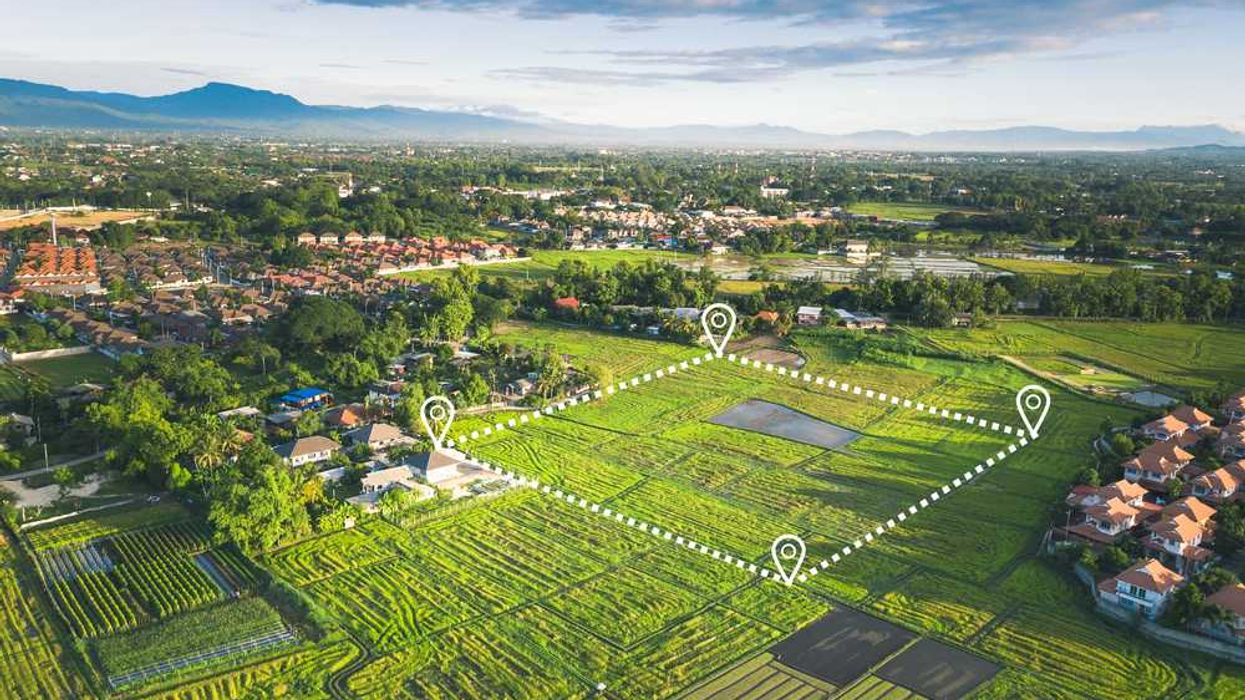
An investor acquires farmland on the edge of a metropolitan area, anticipating that the city’s growth boundary will expand. They hold the property for 10 years, eventually benefiting from rezoning that increases land value dramatically.
Key Takeaways
- Future development land has speculative value.
- Infrastructure timing and policies are critical.
- Carrying costs can be significant during holding.
- Valuation depends on entitlement outcomes.
- Investors use it to secure long-term opportunities.
Related Terms
- Land Banking
- Official Plan
- Servicing
- Entitlement
- Holding Costs
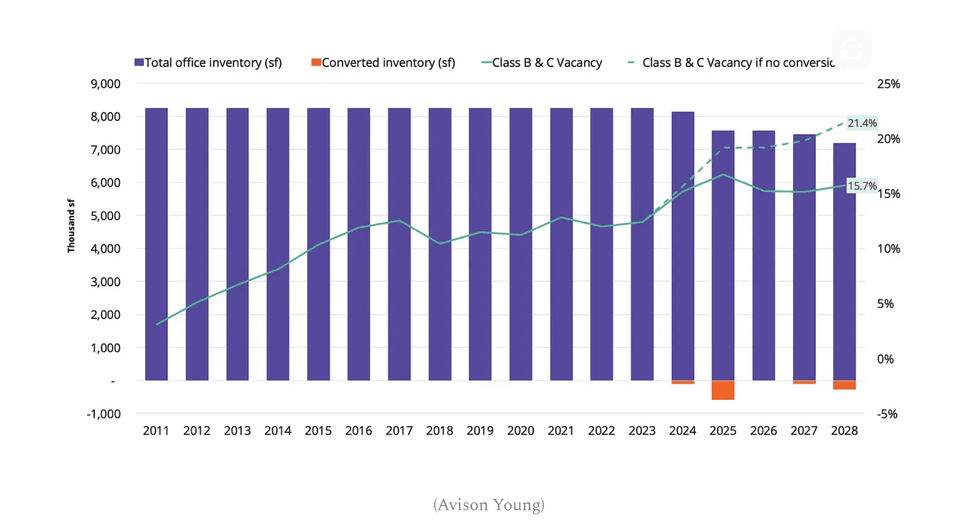 (Avison Young)
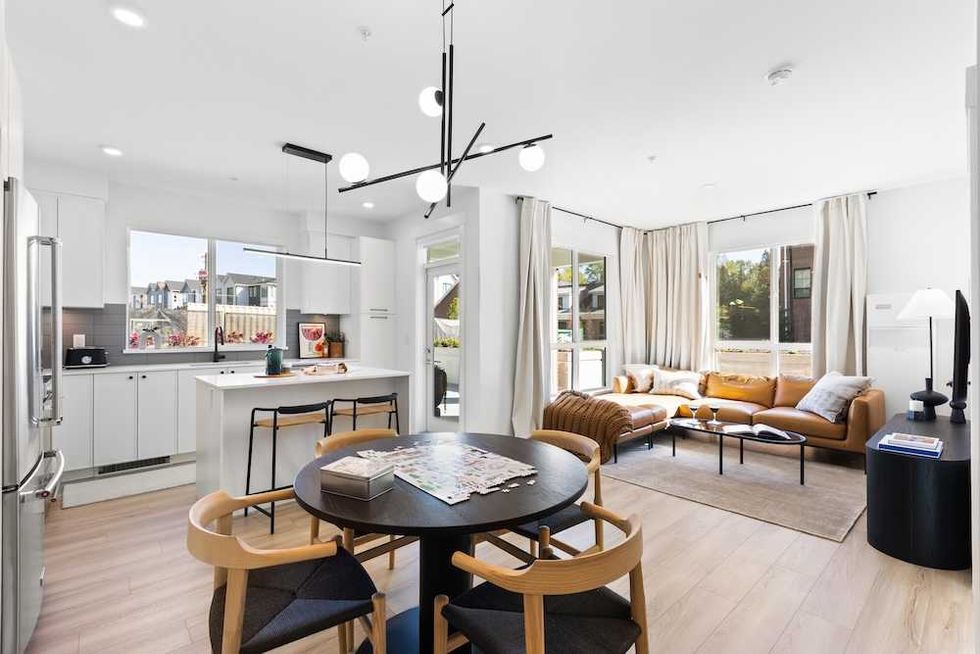 The Mason Suite Interior (Infinity Properties)
 The Mason Suite Interior (Infinity Properties)
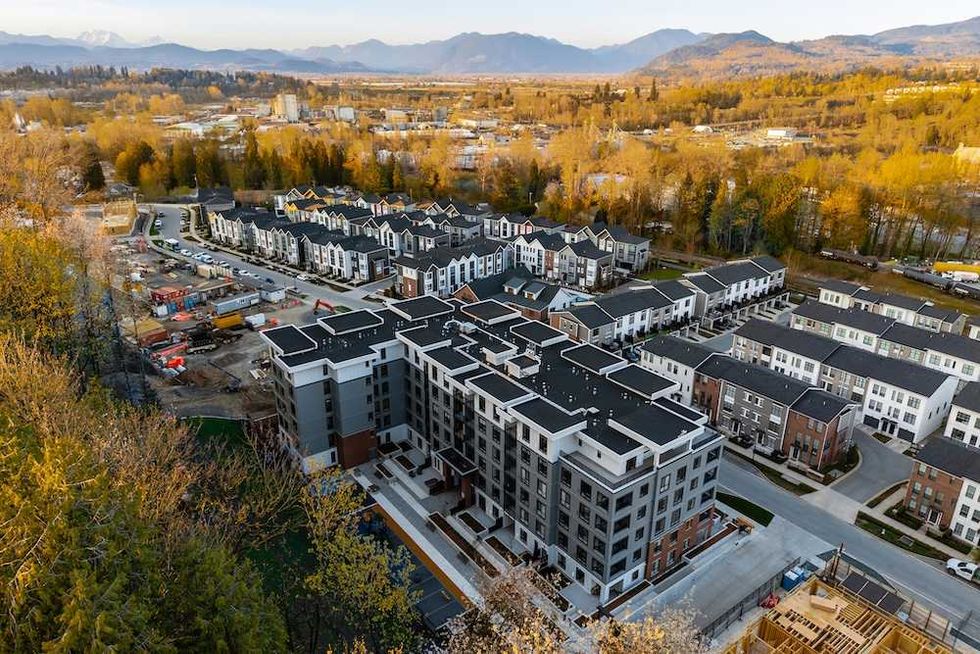 Rail District aerial (Infinity Properties)
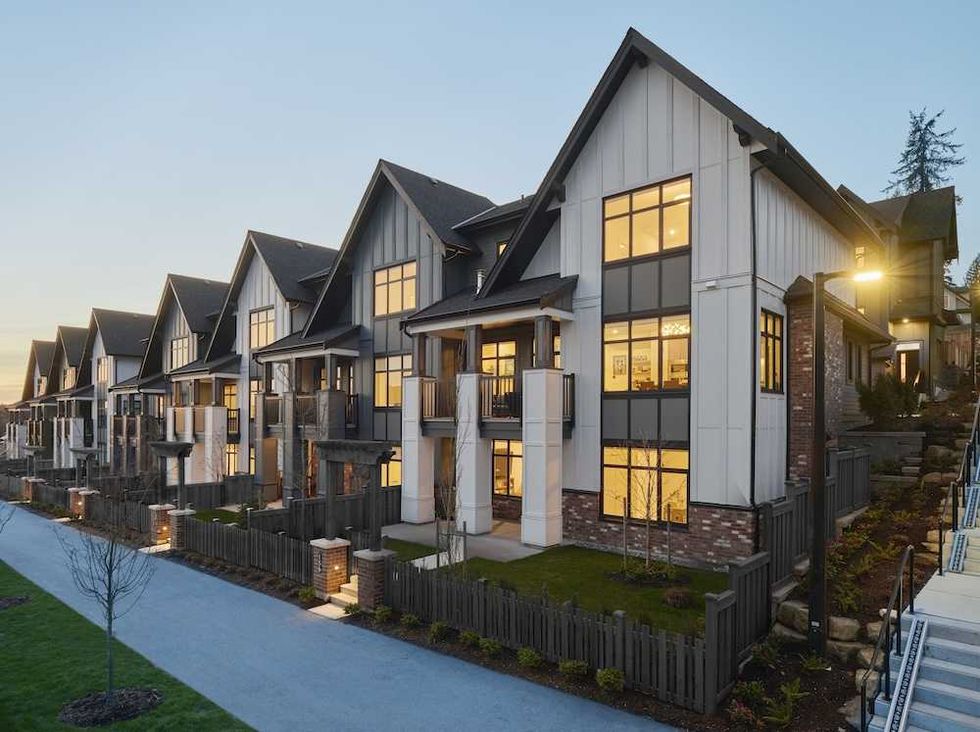 Versant (Infinity Properties)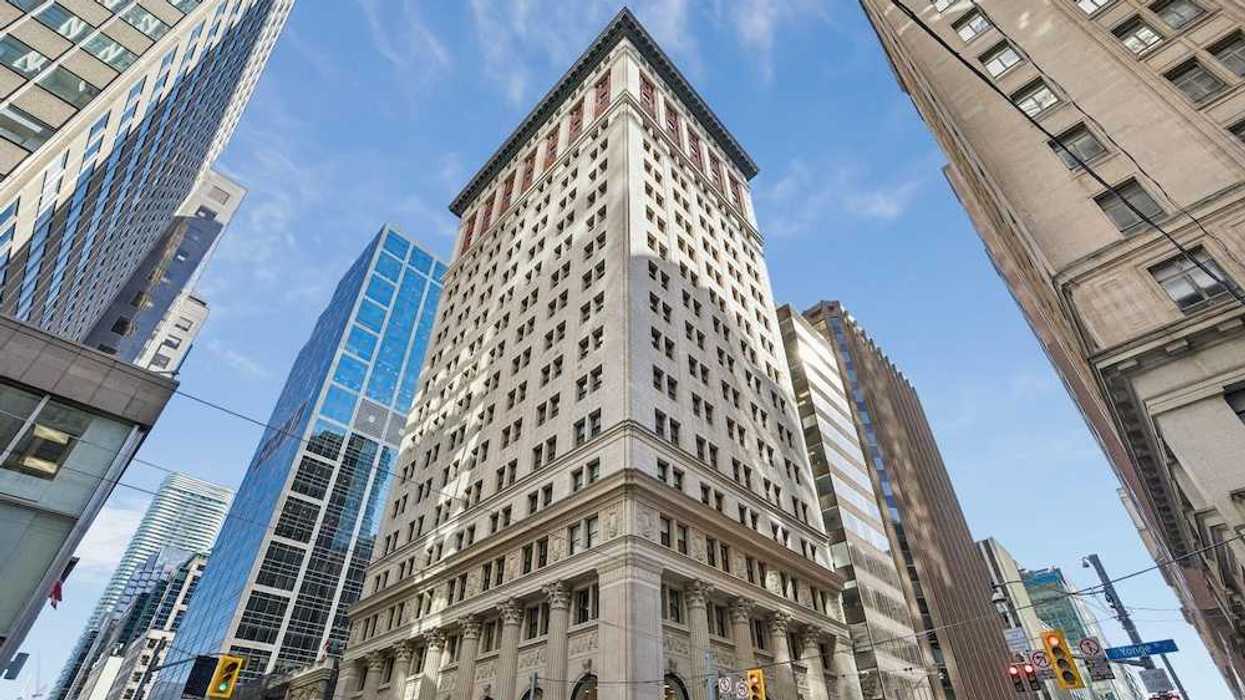



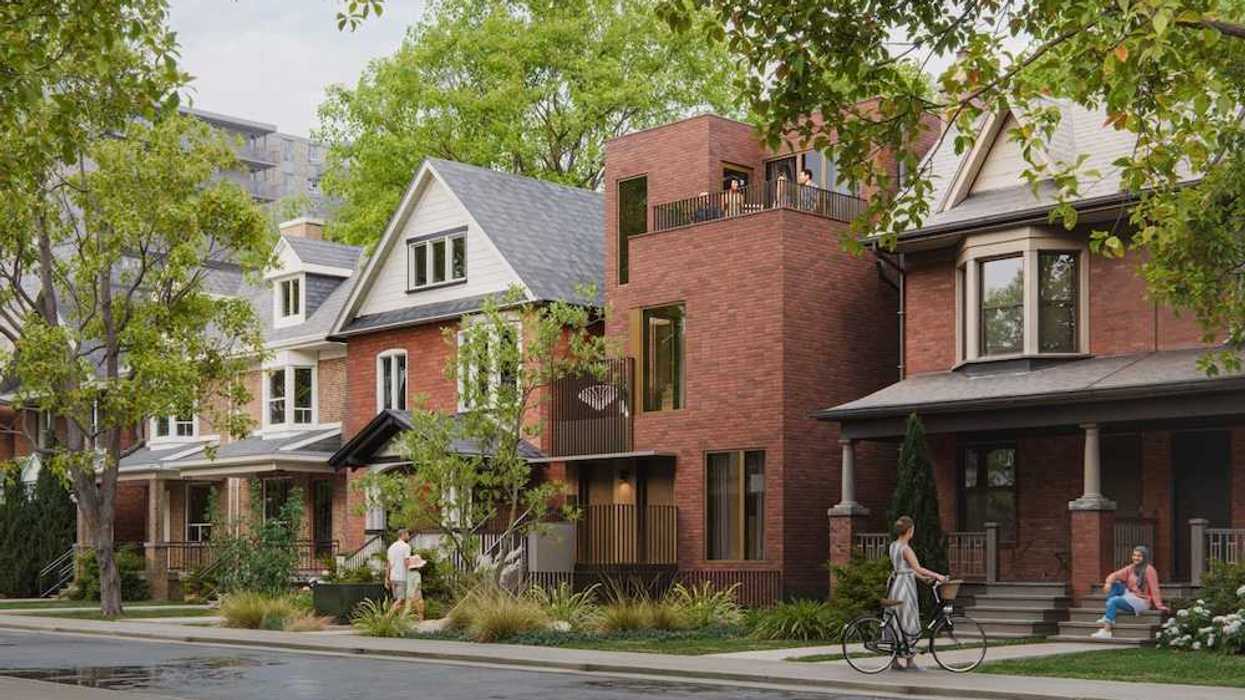
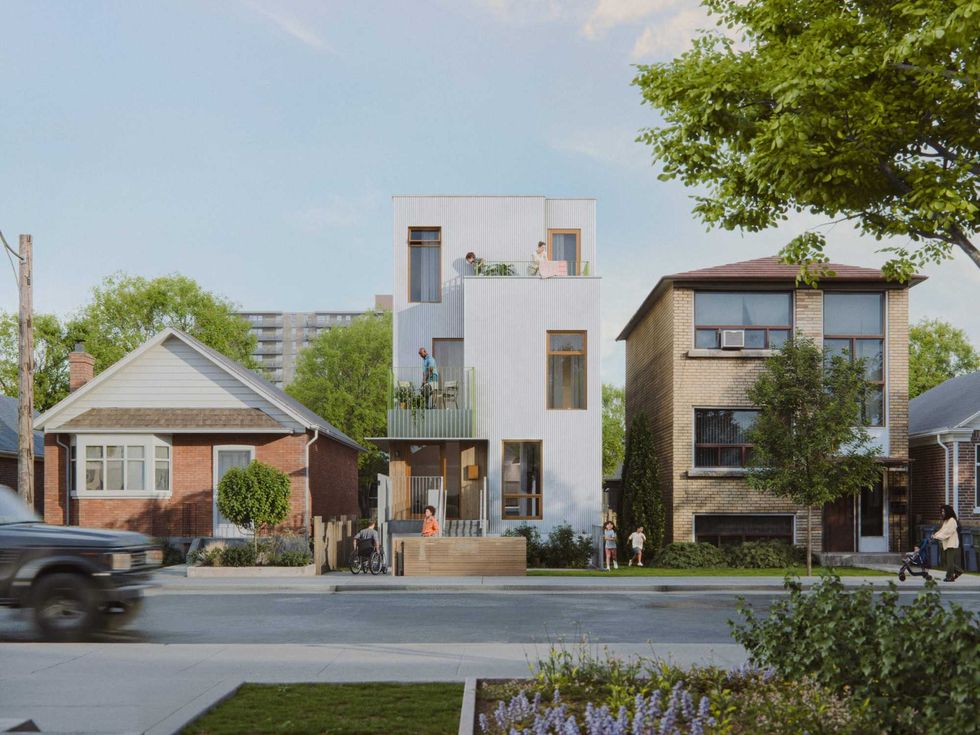 Narrow Fourplex (City of Toronto)
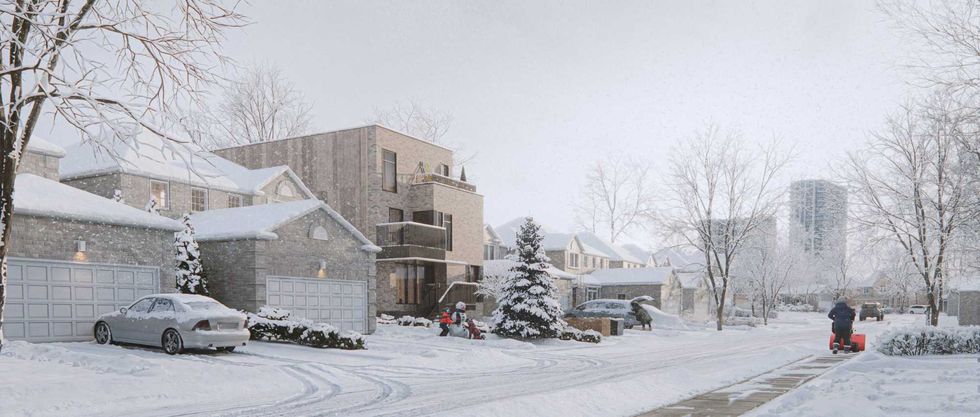 Wide Sixplex - Side View (City of Toronto)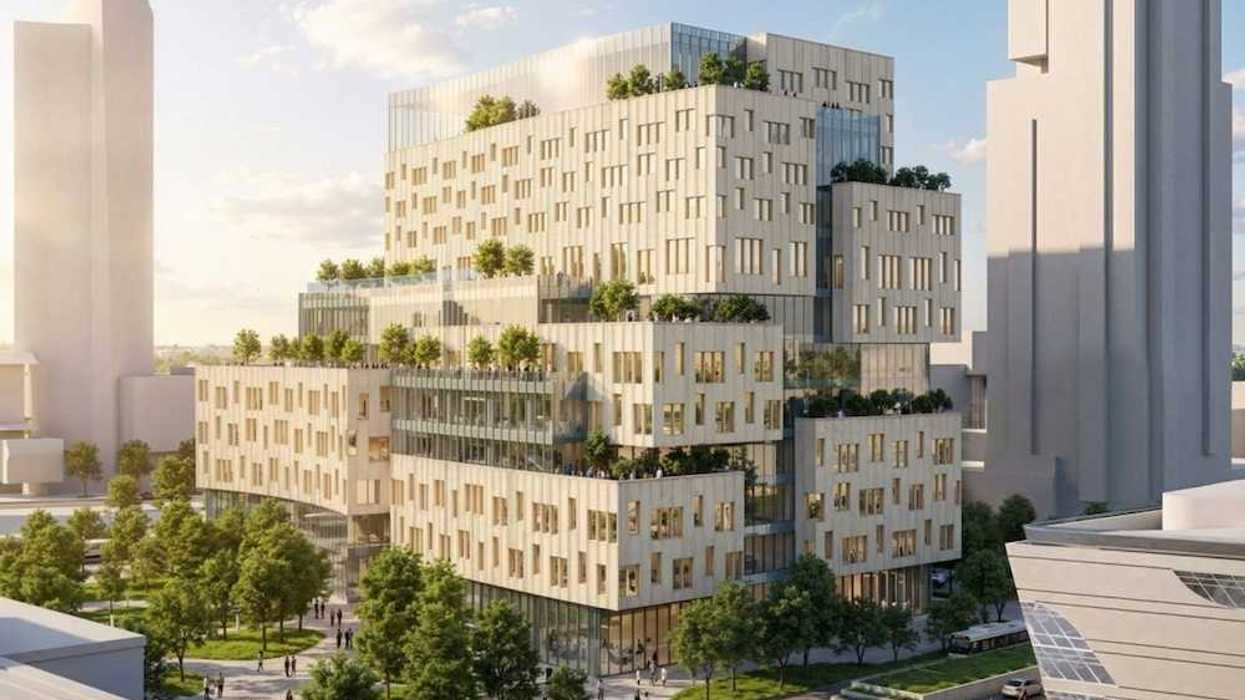
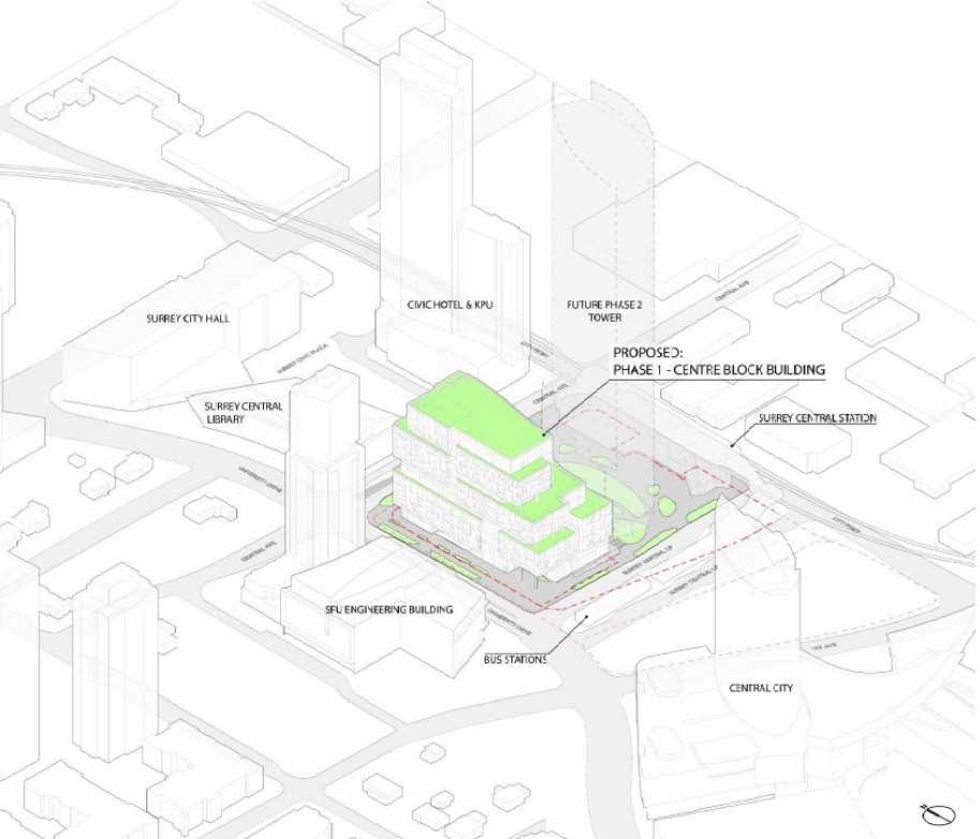 Centre Block and its surrounding context. (Stantec-Revery, SCDC)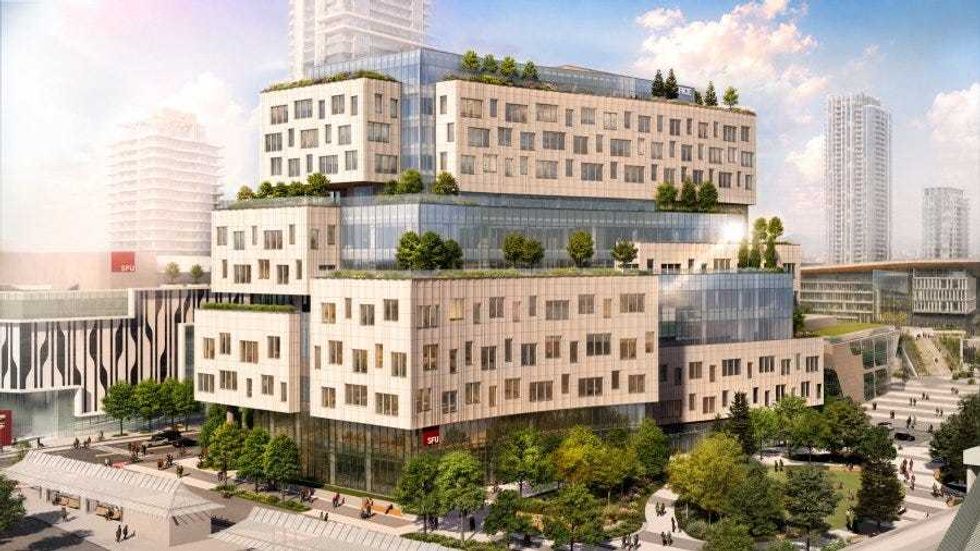
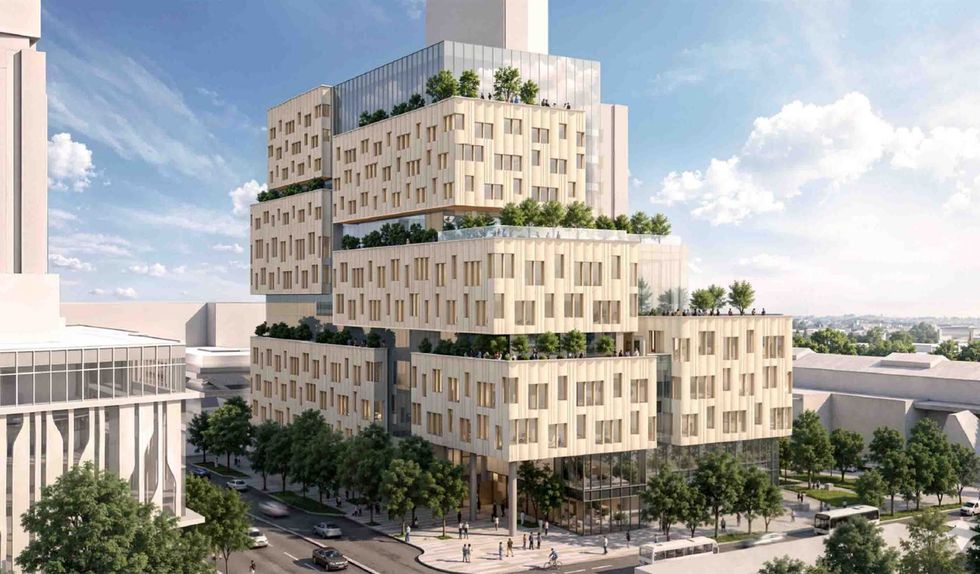 The 12-storey Phase One of Centre Block. (Stantec-Revery, SCDC)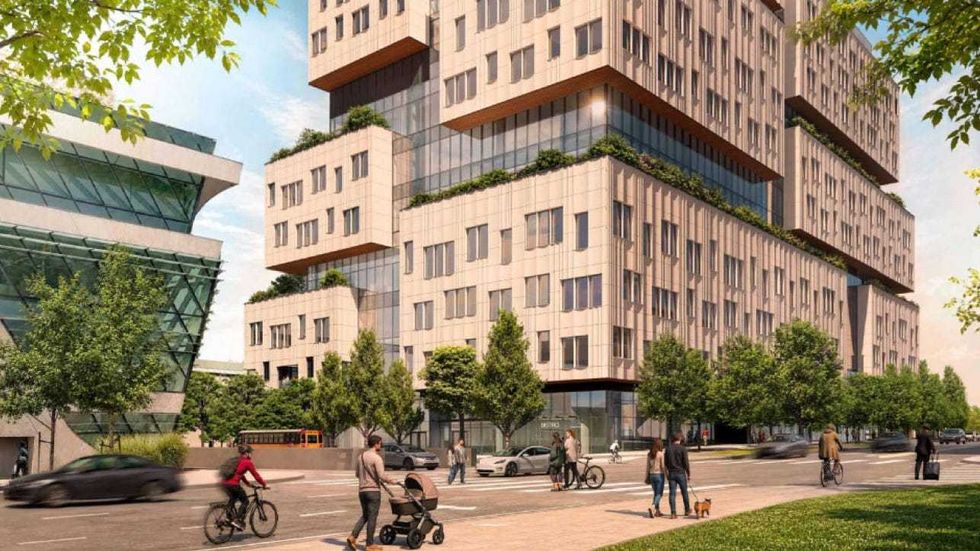
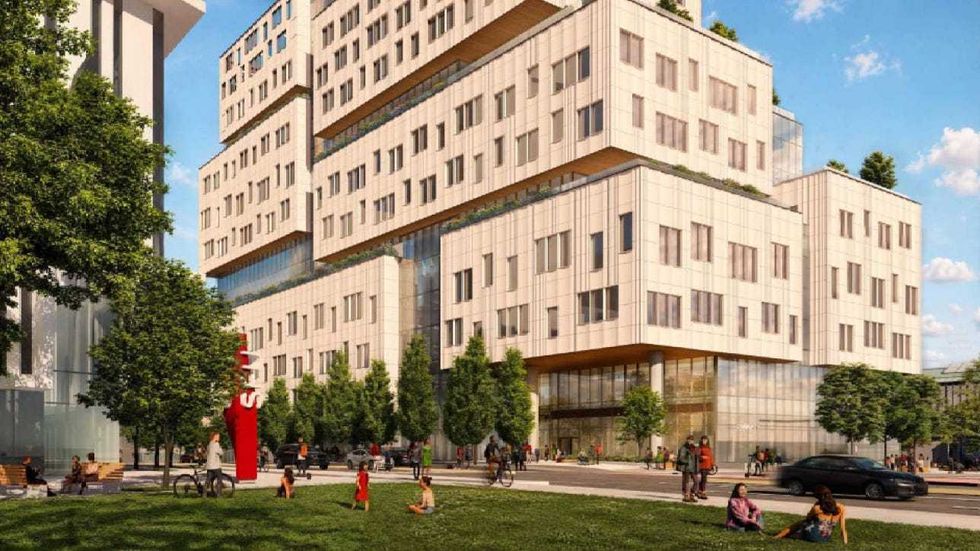 The 12-storey Phase One of Centre Block. (Stantec-Revery, SCDC)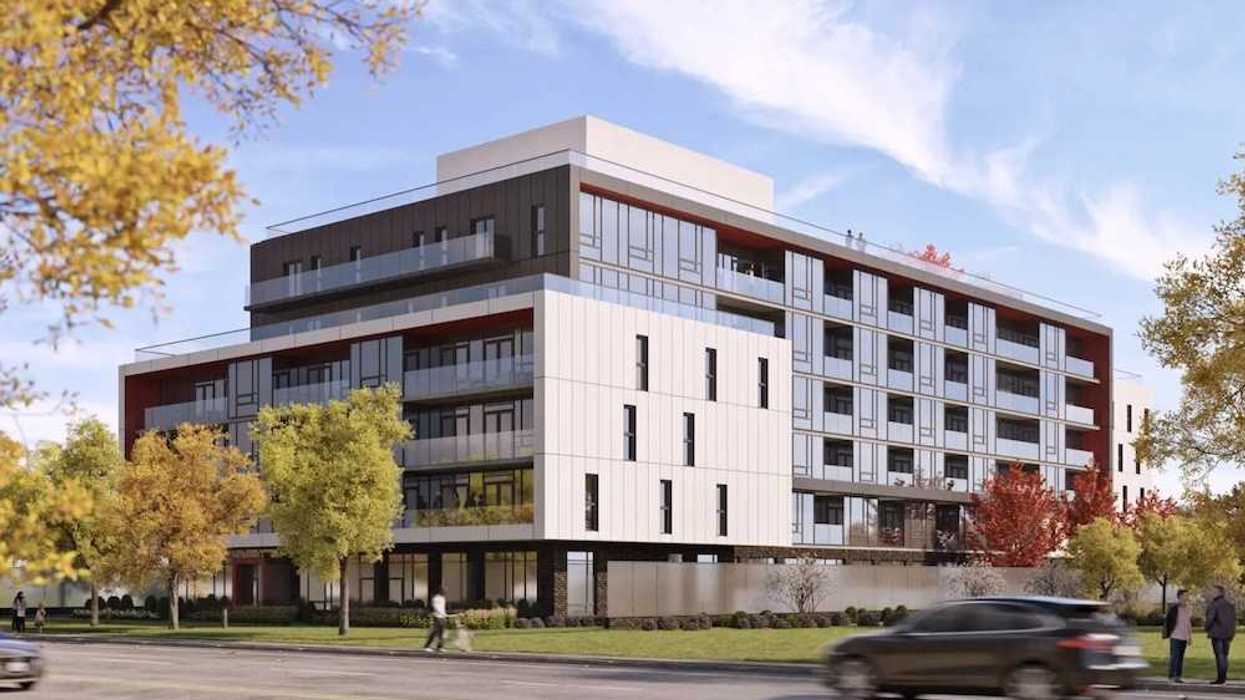
 Mondria One, set for 1607 King Street East in Clarington, Ontario. (ICON Architects Inc., Monde Development Group)