Highest and Best Use

Understand highest and best use in Canadian real estate — what it means, how it's determined, and why it’s key to property value and development.

Highest and Best Use


What is Highest and Best Use?

Highest and best use refers to the reasonably probable use of a property that results in the highest value, provided it is legally permissible, physically possible, financially feasible, and maximally productive.

Why Highest and Best Use Matters in Real Estate

In Canadian real estate appraisal and development, highest and best use analysis guides property valuation, investment decisions, and development planning.


It involves assessing:
  • Zoning and land use permissions
  • Market demand and trends
  • Physical characteristics of the site
  • Financial feasibility of alternatives


Understanding highest and best use ensures properties are utilized or developed in ways that optimize their value.

Example of Highest and Best Use in Action

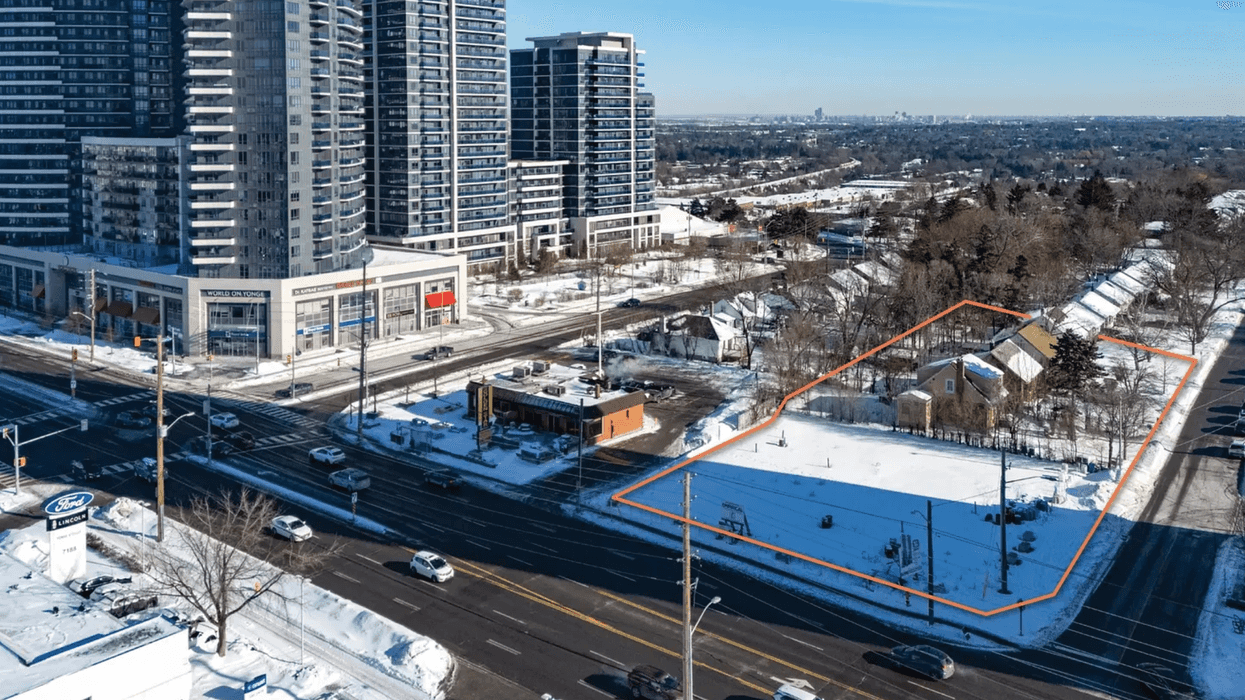
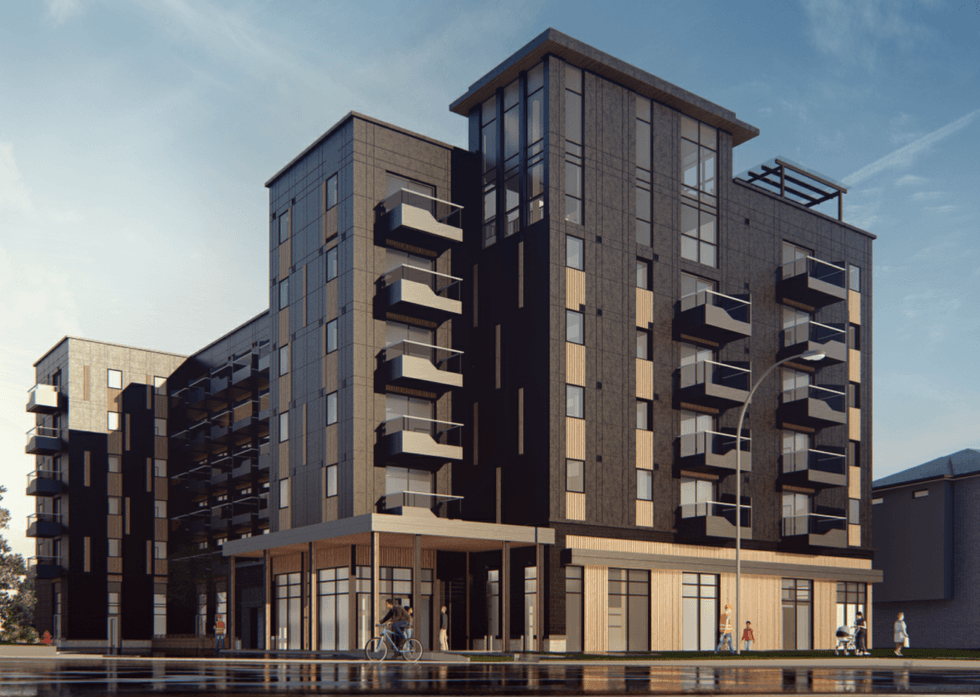
An appraiser determined that redevelopment for a mid-rise residential building represented the property's highest and best use given market demand and zoning.

Key Takeaways

  • Identifies use that maximizes property value
  • Must be legally, physically, and financially viable
  • Guides appraisals and development plans
  • Affects investment and planning approvals
  • Essential in land and property valuation

Related Terms

Additional Terms

Public Realm Improvements

Public realm improvements are enhancements to public spaces such as sidewalks, parks, plazas, and streetscapes, often funded or contributed by. more

Mortgagee in Possession

A mortgagee in possession is a lender who takes control of a property after borrower default, but before foreclosure or power of sale. The lender. more

Lease Surrender Agreement

A lease surrender agreement is a negotiated contract between a landlord and tenant that ends a lease before its scheduled expiration. Terms may. more

Green Infrastructure

Green infrastructure refers to natural or engineered systems that manage stormwater, reduce heat, and improve sustainability in developments.. more

Escrow Holdback

An escrow holdback is a portion of funds withheld at closing and held in escrow until specific conditions are met, such as completion of repairs,. more

Underused Housing Tax

The Underused Housing Tax (UHT) is a federal annual 1% tax on the value of vacant or underused residential property owned by non-resident,. more

More For You

This Leslieville Suite Makes A Solid Case For Loft Living

The i-Zone is one of those Leslieville addresses that people know without needing to look up.

The work/live building that predates the neighbourhood's glow-up by decades, and has never needed to catch up.

Keep ReadingShow less
KingSett Capital, Choice Properties REIT To Buy First Capital REIT In $9.4B Deal

(First Capital REIT)

In a landmark deal, private equity real estate investment firm KingSett Capital and retail-focused Choice Properties REIT (TSX: CHP.UN) announced last week that they had partnered and entered into an agreement to acquire First Capital REIT (TSX: FCR.UN) in a $9.4 billion transaction inclusive of debt.

Unitholders of First Capital will receive $19.24 in cash and 0.3186 units of Choice Properties per First Capital unit, which totals to $24.40 per First Capital unit based on the closing unit price of Choice Properties on April 15, according to a joint press release.

Keep ReadingShow less

The sun will soon rise on another season in Ontario’s premier summertime sanctuary, Muskoka. Those sun-drenched days are so close, we can almost smell the pine, barbecue, and pristine lake water.

This season, Muskoka-goers have new ways to access – and indulge in – this picture-perfect slice of the province.

Keep ReadingShow less
Canadian Housing Starts Lost Steam In March, CMHC Data Shows
Toronto homes/Shutterstock

New data from Canada Mortgage and Housing Corporation shows housing construction continued to lose momentum in March 2026, even as year-over-year comparisons painted a rosier picture.

The six-month trend in housing starts fell 2.9% to 248,378 units, while the total monthly seasonally adjusted annual rate dropped 6% to 235,852 units — down from 250,961 in February. Actual housing starts in centres with a population of 10,000 or greater were up 10% year-over-year, with 16,398 units recorded compared to 14,935 in March 2025. Year-to-date starts sit at 49,206 units, up 9% from the same period last year, led by British Columbia, Ontario, and Quebec.

Keep ReadingShow less

Coady Avenue has a reputation in Leslieville — the kind that gets passed around at farmers' markets and mentioned in the same breath as its annual fall street party.

It's a stretch that people move to and simply don't want to leave. And 30 Coady is a good argument for why.

Keep ReadingShow less

There are very few addresses in Toronto where the word "townhome" doesn't feel like a compromise.

62 Claremont Street is one of them.

Keep ReadingShow less
Zenterra Breaks Ground At Clayton Crest In Surrey

Zenterra Developments

While developers across Metro Vancouver and the Fraser Valley have been pulling back — cancelling projects and stalling timelines as financing tightens and buyer demand softens — Zenterra Developments is moving forward.

The Surrey-based builder has officially broken ground at Clayton Crest, its master-planned community at 18088 72nd Avenue in West Clayton. The milestone follows a successful pre-sales launch for the community's first two buildings, Atlin and Bute, which sold enough homes to green light construction.

Keep ReadingShow less
Canadian Construction's Biggest Event Is Coming To Toronto's Waterfront

George Brown Polytechnic

If you work in construction — or anywhere adjacent to it — SiteSummit 2026 is the event to circle on your calendar.

Presented by STOREYS' sibling publication SiteNews, in partnership with EllisDon, the 2026 rendition of the can't-miss experience will land June 23-24 at George Brown College's waterfront campus in Toronto.

Keep ReadingShow less