From hotel-inspired customer service to digital maintenance requests, the urban rental experience isn’t what it used to be.
In a housing landscape of shiny, new purpose-built rental buildings, Toronto-based developer Capital Developments has joined the rental game with the launch of Address. Founded by Todd Cowan and Jordan Dermer, the new dedicated rental and property management arm marks a major evolution for the company.
Known historically for its high-profile luxury condominiums and master-planned communities across the Greater Toronto Area (GTA) and Montreal, Capital Developments is no stranger to curated city living. The company is one of Toronto’s more design-focused condo developers, especially in transit-heavy neighbourhoods like Yorkville, North York, and the downtown core.
With the launch of Address, Capital Developments isn’t handing off completed projects to third-party managers. Instead, it’s taking direct ownership of the entire resident experience – down to restaurant recommendations – bringing a hospitality-led mindset to urban rental living. In doing so, the brand is zeroing in at the hyper-local level like never before.
A Proactive Play
According to Carlo Timpano, President of Capital Developments, the launch is a proactive long-term play rather than a temporary pivot to ride out today’s market fluctuations – something we’re seeing a lot of in major urban markets.
"It was an acknowledgement that rental demands a different economic and design lens than condominium development," Timpano explains. "Despite all the similarity, internally and externally, we want our employees and our partners to know that we're not taking the condo playbooks and putting it onto a rental asset class. We're building a rental platform, from first principles, leveraging the decades of experience that we have from Capital Developments. It's not a defensive strategy for us. It's proactive."
That doesn’t mean the timing isn’t calculated. Timpano notes that the historical economics of building purpose-built rentals at scale were notoriously difficult, leading to a massive dearth of rental products in Toronto. The turning point came with federal HST rebate policy changes, paired with construction costs pulling back 20% to 25% off their historic peaks and banks offering highly competitive conventional financing terms. For Capital Developments, this intersection of municipal incentives, lower building costs, and a future product shortage created the perfect window to establish a permanent platform.
It’s a structural shift that dramatically alters how projects are financed, designed, and presented to the market for the seasoned developers. While condominiums are typically sold off-plan and via renderings to investors, Address properties are backed by long-term investors with distinct risk profiles, meaning properties are leased only after the physical product is fully constructed.
Furthermore, Timpano says the physical space is engineered for durability and practical functionality, moving away from investor-driven micro-units. Instead of applying a uniform, trend-heavy checklist to every property, the layout, retail mix, and suite sizes of Address properties are dictated entirely by the surrounding neighbourhood. In some areas, this could mean rental units as large as four-bedroom, says Timpano.
Designing for Hyper-Local Demographics
The core philosophy at Address is revealed in its name. "We wanted something upfront which was clear that it's not about our names, it's not about the names of the business or things that we like, but it's about the place that people live," says Timpano. "It really is a good reminder because in the development world, everyone's creative, everyone has their own taste, their own view of what's stylish, their own view of what's cool. And you really need to make an effort to say, look, it's not about us... it's about all the people you plan to serve. It's their address, it's their home, and that's where the name came from."
With a focus on creating highly attentive, community-oriented environments within connected, transit-rich communities, location leads the way at Address. Address’s mandate is to let the local surroundings dictate design, encouraging residents to “live like a local,” so upcoming properties are located in prime, vibrant Toronto neighbourhoods. This includes the Church-Yonge corridor, midtown near Yonge and Eglinton, and the Beaches.
The baseline strategy intentionally bypasses industrial areas or sites chosen merely for highway proximity, prioritizing established walking scores, schools, and parks instead. "Our focus is really on neighbourhoods where, really, the people in the community are the amenity," Timpano notes. "Where the building is part of a neighbourhood, and part of what you experience, but you're not wholly reliant on the building to perform your day-to-day life."
The development pipeline for Address is already advancing through various stages of demolition and active excavation across Toronto's core transit routes. This hyper-localized lens directly shapes the interior blueprints of these buildings.
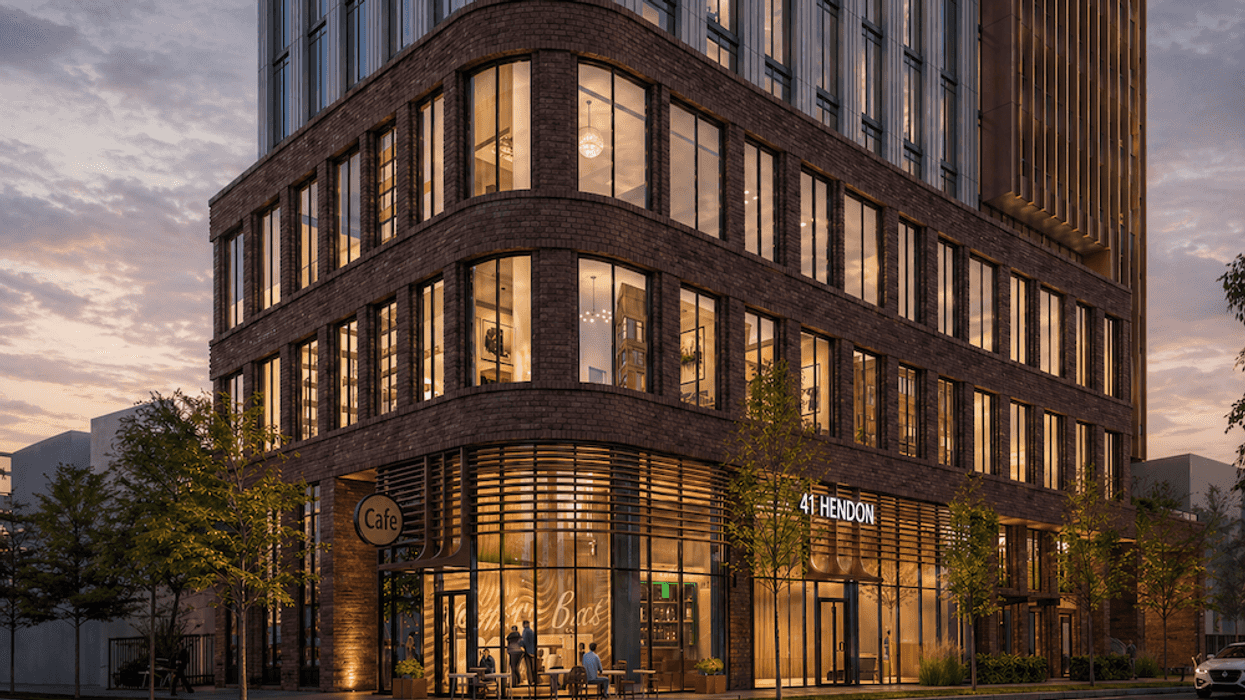
AT 41 Hendon (Yonge & Finch), the team is designing rare four-bedroom suites for multigenerational households; conversely, 88 Isabella in the downtown Village is tailored heavily toward young professionals, singles, and students with a mix of optimized studio layouts and specialized three-bedroom units configured for housemates.
Meanwhile, in the Beaches, the pipeline shifts away from dense urban layouts to explore three-bedroom units that are roughly 20% larger than average, specifically targeted at local downsizers who require ample space for visiting family, says Timpano.
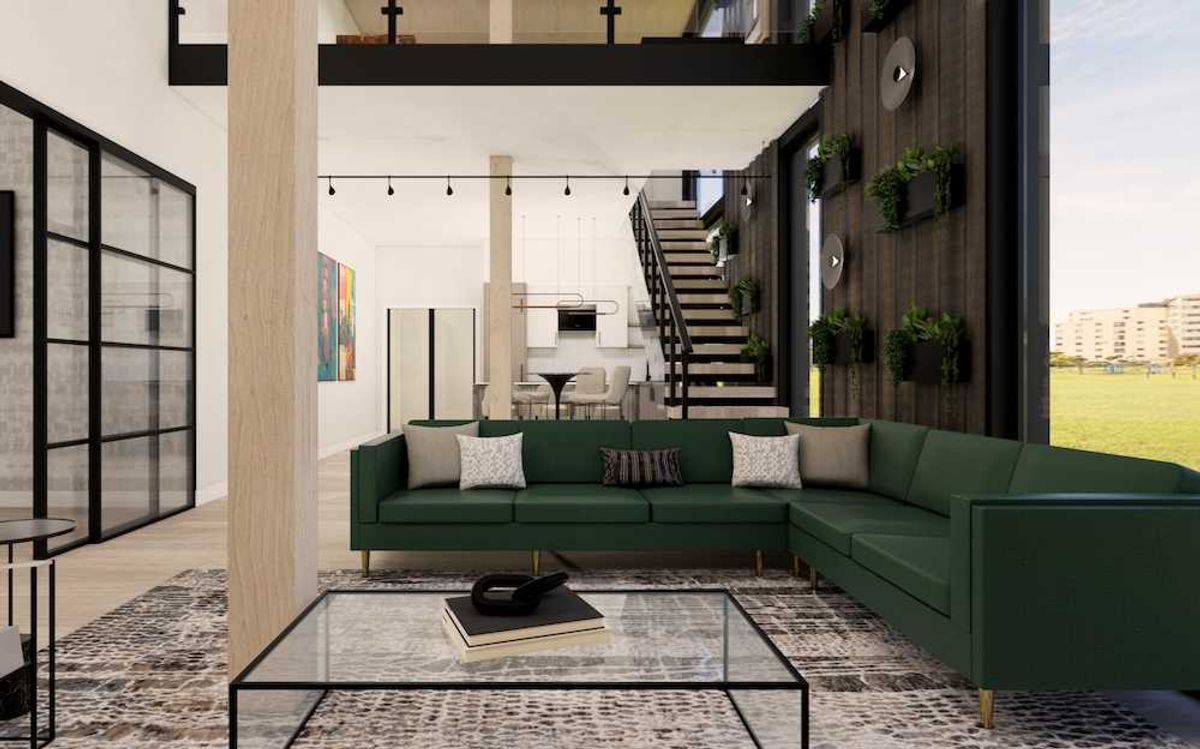
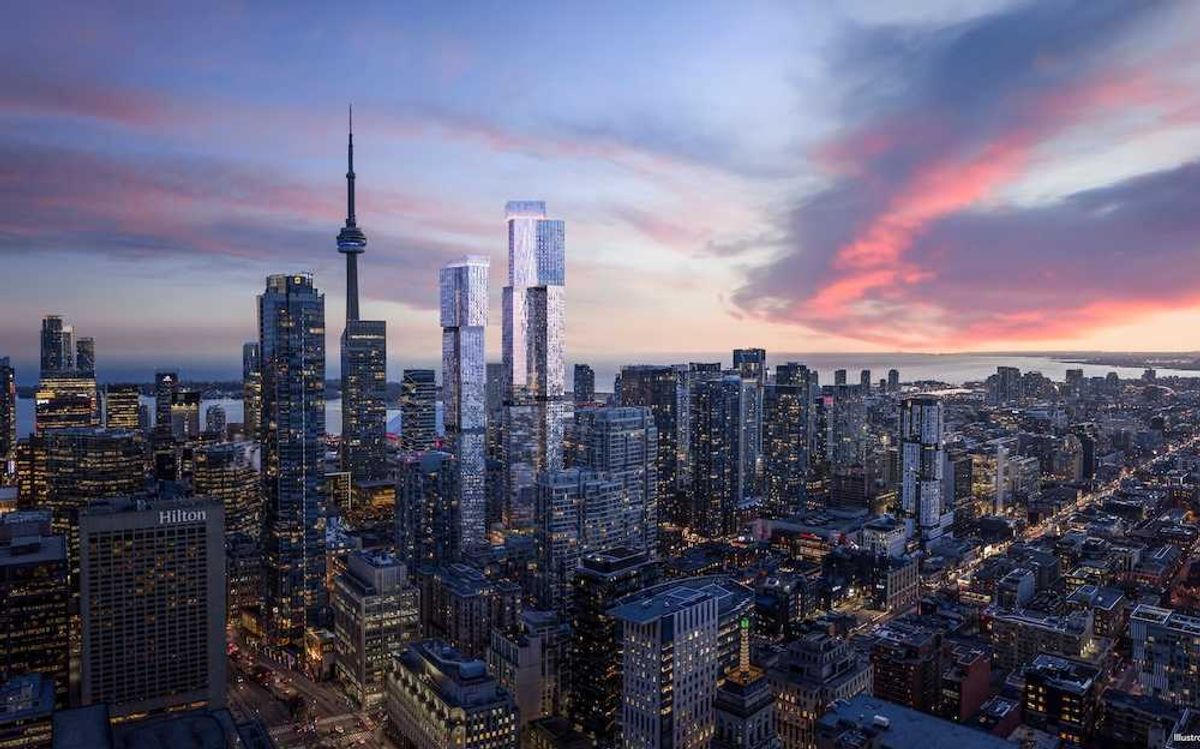
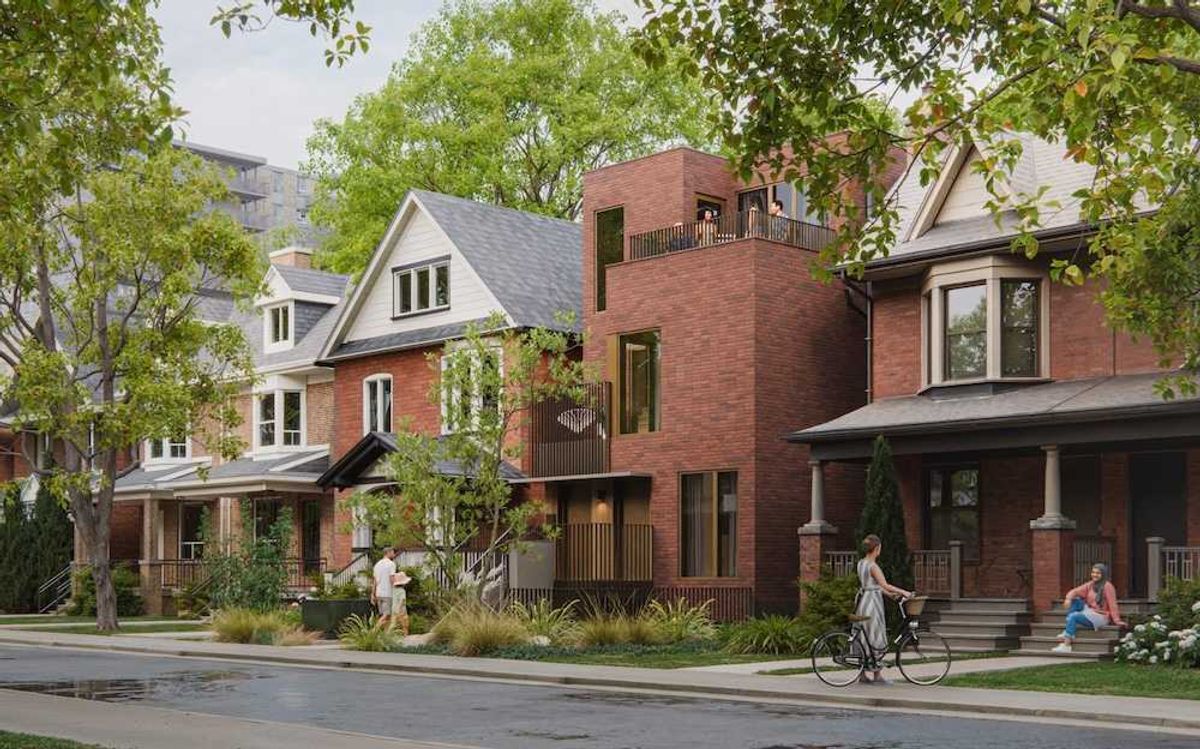
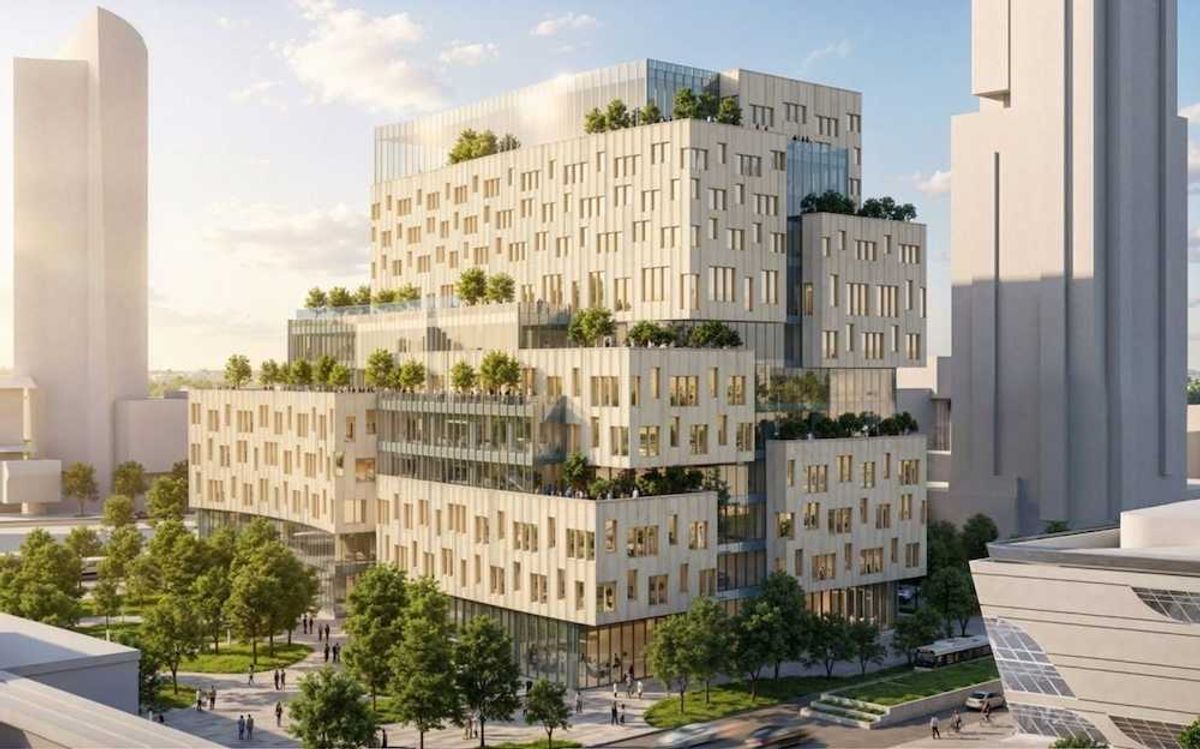
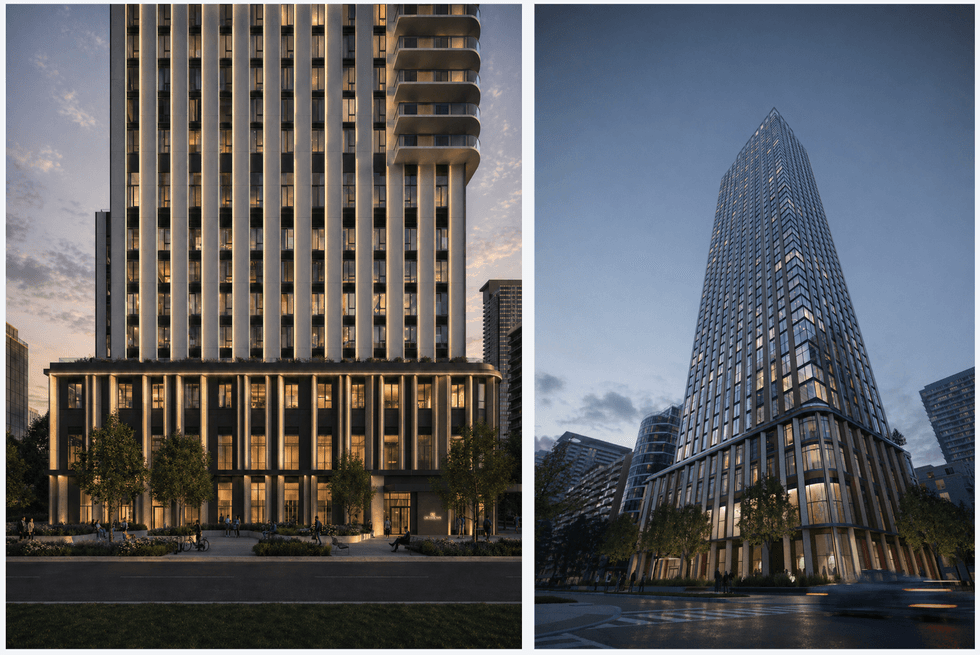 Address Renderings
Beyond the Lease
Address bridges the gap between premium architectural design and everyday property management, acting more like a boutique lifestyle brand that oversees everything from initial building leasing and daily maintenance, to residential events, and dedicated Community Insiders with local intel.
Lifestyle considerations aside, for end-users, purpose-built rental living eliminates interactions with personal landlords. Tenants have the reassurance of not being at the mercy of a landlord who could theoretically sell the unit next year.
But what makes these communities so different from the influx of amenity-packed purpose-built rental buildings to hit Toronto as of late?
"We believe [amenities] should be focused on things which add real value,” says Timpano. “So they're not trends, they're not just interesting from a marketing perspective. Things like high-quality fitness centres, good quality private and combined coworking spaces, and real private dining rooms that people can actually use will be the focus of our amenities, and we will double and triple down on those things to make them as good as possible."
To scale up without locking themselves down, Capital Developments is keeping things nimble. While they manage the full life cycle of a project, they’ve made a firm-wide decision to never self-perform construction – keeping timelines clean and investors happy. They're also tapping heavy-hitting third-party operators like Rhapsody to run day-to-day property operations, leaving the team free to focus on the bigger picture: the people actually moving in.
While the broader Toronto real estate market has seen some developers opportunistically convert struggling condo projects into rentals, Address is built to remain a dedicated rental platform for the next 10 to 15 years, delivering functional, neighbourhood-specific housing infrastructure that matches the city's shifting demographic realities.