Eviction
Understand eviction in Canadian real estate—when it’s allowed, how the legal process works, and what landlords and tenants must do to comply.

May 29, 2025
What is an Eviction?
Eviction is the legal process by which a landlord removes a tenant from a rental property for violating lease terms or provincial tenancy laws.
Why Evictions Matter in Real Estate
In Canadian real estate, eviction rules are governed by provincial laws such as the Residential Tenancies Act (Ontario) or equivalent legislation.
Common legal reasons for eviction include:
- Non-payment of rent
- Property damage or illegal activity
- Owner move-in or sale of the property
Landlords must follow formal procedures, including issuing notice, filing with a landlord-tenant board, and potentially attending a hearing. Illegal evictions—such as changing locks without notice—are prohibited.
Understanding eviction helps landlords act legally and helps tenants know their rights and recourse.
Example of an Eviction
After months of missed rent, a landlord files for eviction through the Landlord and Tenant Board and receives an order to vacate the unit.
Key Takeaways
- Legal process for removing tenants.
- Must follow provincial tenancy laws.
- Requires notice and possible hearings.
- Grounds include non-payment or misuse.
- Tenants have rights and protections.
Related Terms
- Lease Agreement
- Tenant Rights
- Landlord Responsibilities
- Residential Tenancies Act
- Default Judgment

 Mondria One, set for 1607 King Street East in Clarington, Ontario. (ICON Architects Inc., Monde Development Group)








 Via STOREYS Editorial team

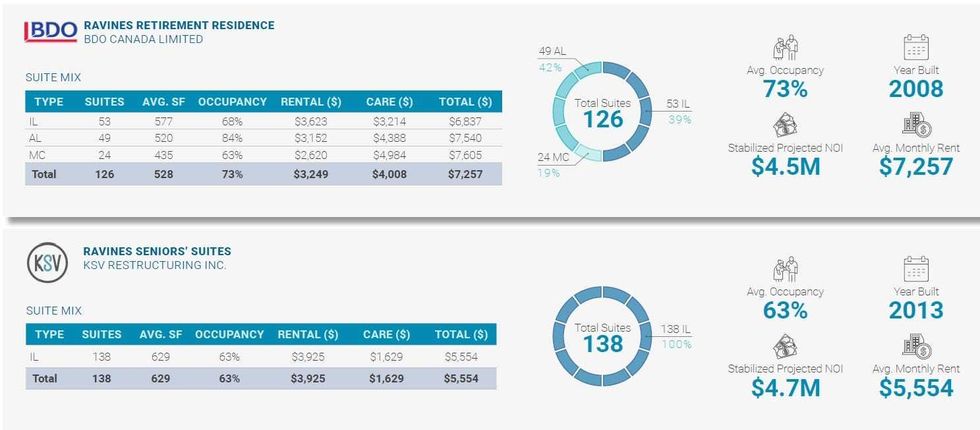 An overview of the two Ravine buildings. (Newmark)
 95 Clegg Road in Markham, Ontario. (Colliers)
 95 Clegg Road (centre) in Markham, Ontario. (Colliers)
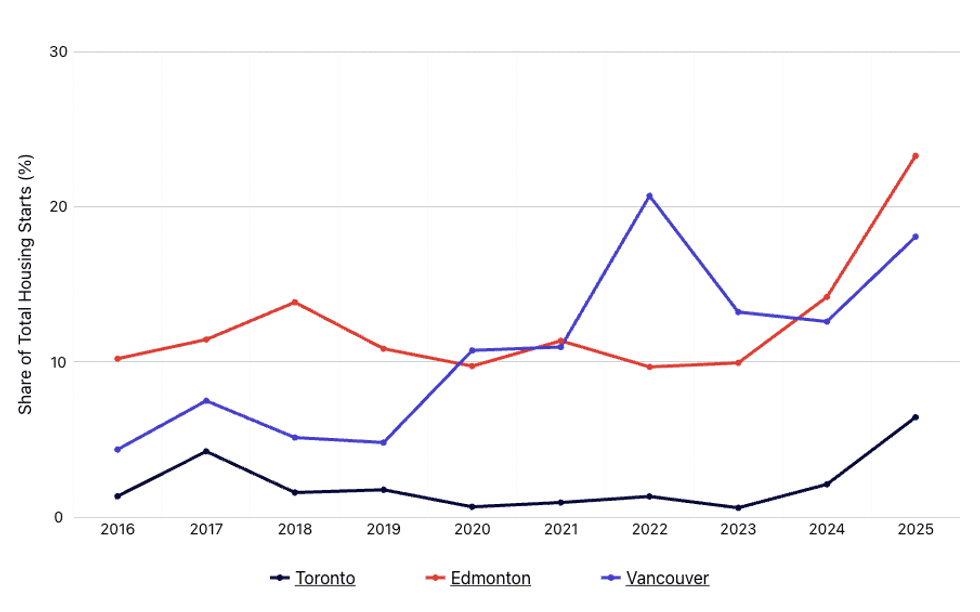 Small-scale infill share of housing starts in Toronto, Vancouver, and Edmonton/CMHC
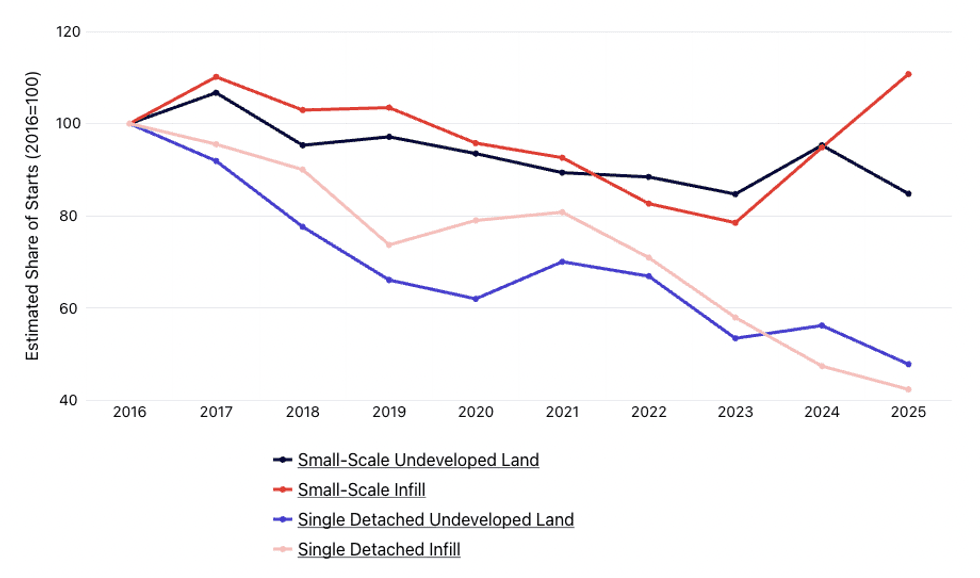 Housing starts for one to eight unit developments/CMHC