Walkthrough Inspection
Learn what a walkthrough inspection is in Canadian real estate, when it happens, and how it protects buyers before taking possession of a new home.

May 22, 2025
What is a Walkthrough Inspection?
A walkthrough inspection is a final viewing of a property by the buyer before closing to ensure that it is in the expected condition and that agreed-upon repairs or inclusions are in place.
Why Walkthrough Inspections Matter in Real Estate
In Canadian real estate, walkthrough inspections usually occur within 24–48 hours before possession. They are not as detailed as a home inspection but serve to confirm:- The home has not been damaged since the offer
- Appliances and systems are still present and functional
- Any negotiated repairs have been completed
If problems are found, buyers may request remedies before closing or have their lawyer negotiate holdbacks.
Understanding walkthrough inspections gives buyers a final chance to confirm that what they agreed to is what they’re receiving before completing the purchase.
Example of a Walkthrough Inspection in Action
During the walkthrough, the buyer notices a missing light fixture that was listed as an inclusion. Their lawyer arranges for a credit at closing.
Key Takeaways
- Final check before closing.
- Confirms property condition.
- Verifies repairs and inclusions.
- Identifies late issues or damage.
- Can affect closing adjustments.
Related Terms
- Home Inspection
- Inclusions
- Agreement of Purchase and Sale
- Closing Date
- Possession Date
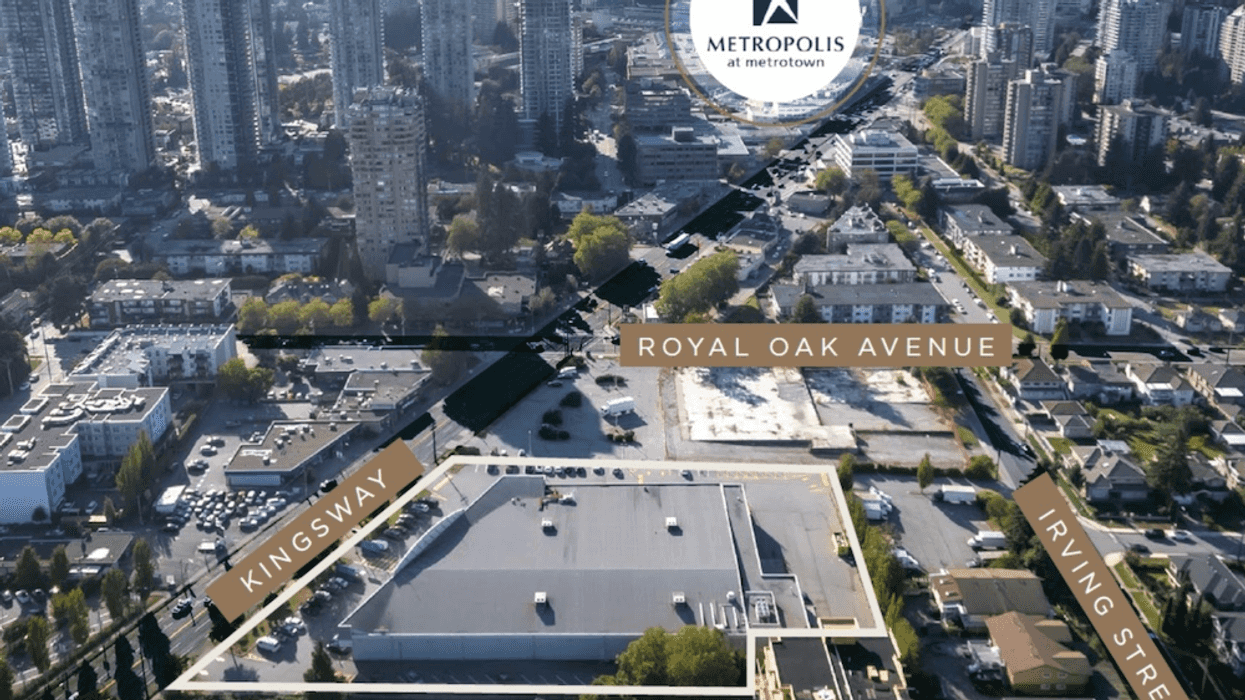
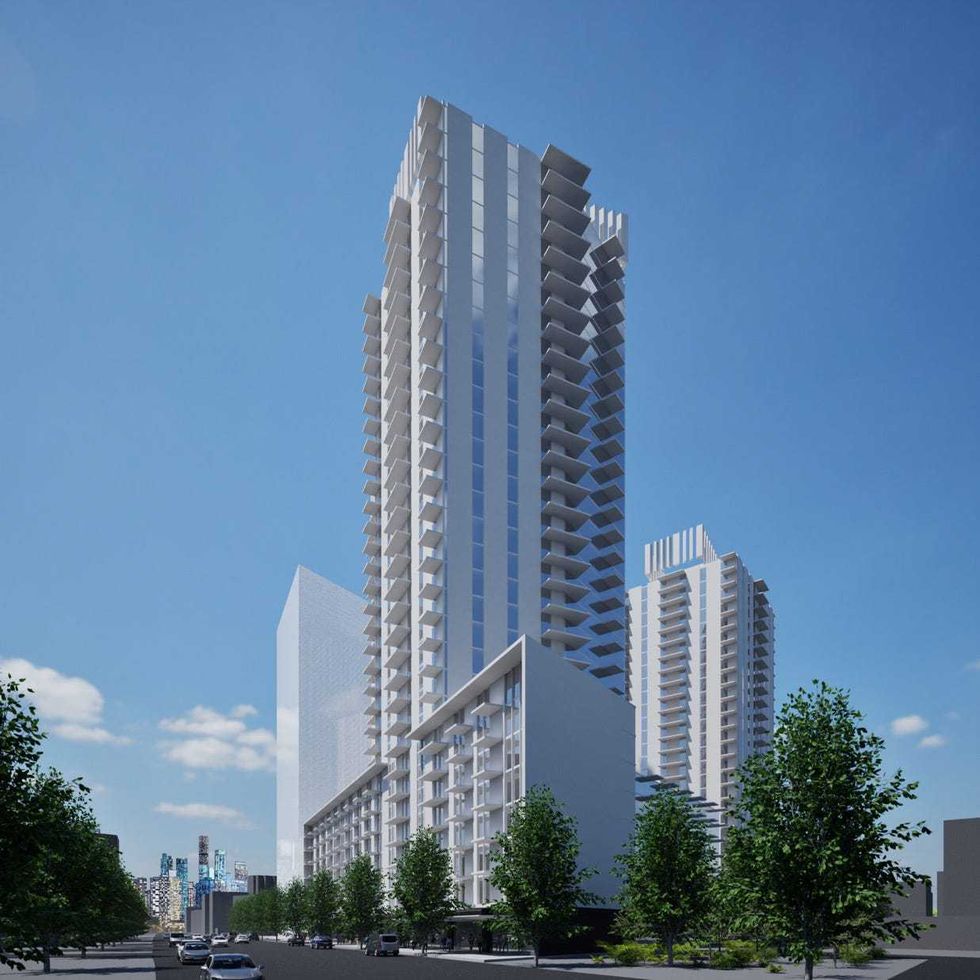 A preliminary conceptual development for 5335 Kingsway in Burnaby. (Arcadis, JLL)





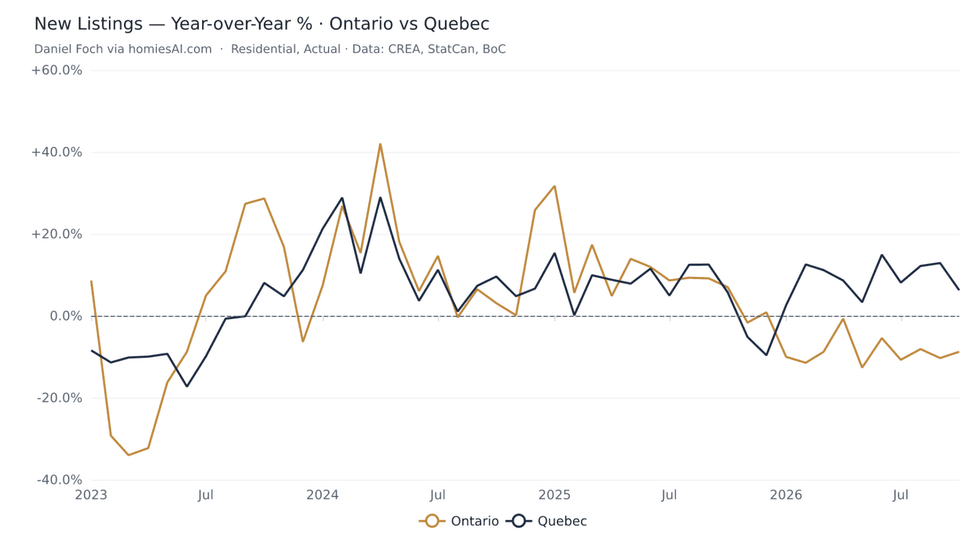 Chart: New listings, year-over-year %, Ontario vs Quebec. Daniel Foch via homiesai.com/stats. Data:
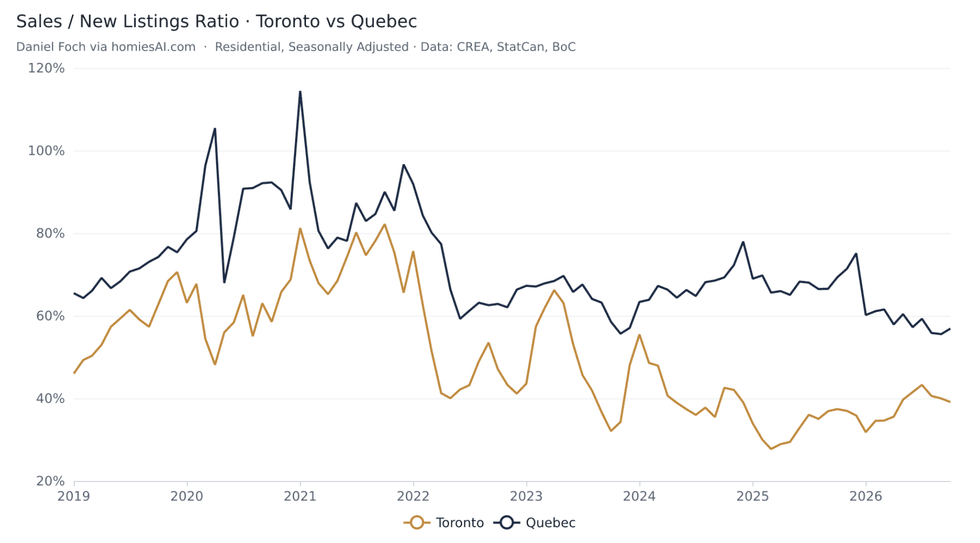 Chart: Sales-to-new-listings ratio, seasonally adjusted. Toronto vs Quebec. Daniel Foch via homiesai.com/stats. Data: CREA.
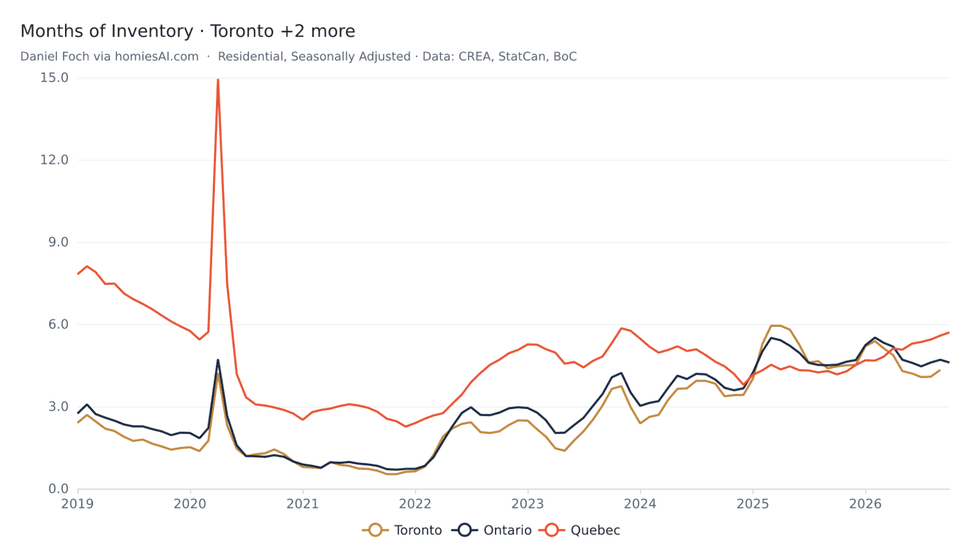 Chart: Months of inventory, seasonally adjusted. Daniel Foch via homiesai.com/stats. Data: CREA.
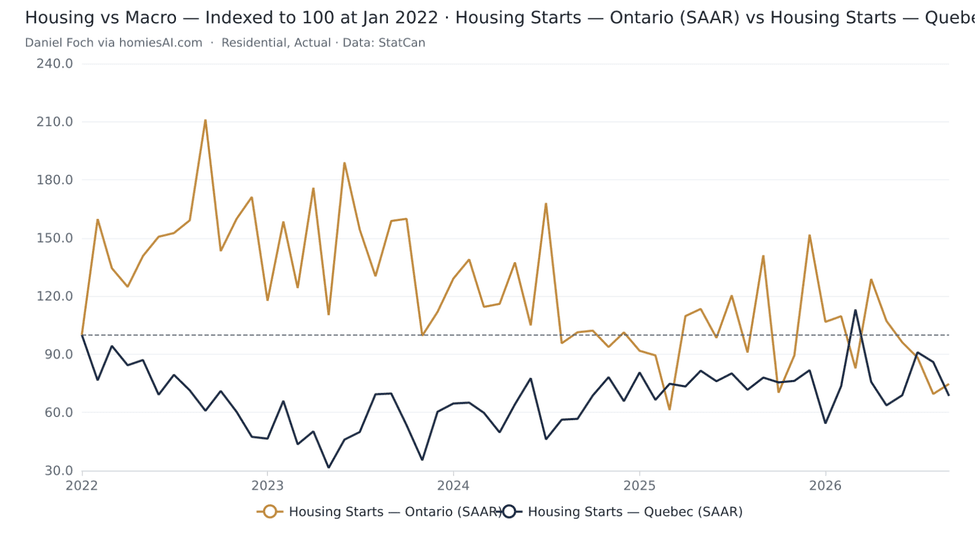 Chart: Housing starts, seasonally adjusted annual rate, Ontario vs Quebec, indexed to January 2022. Daniel Foch via homiesai.com/stats. Data: CMHC via Statistics Canada.
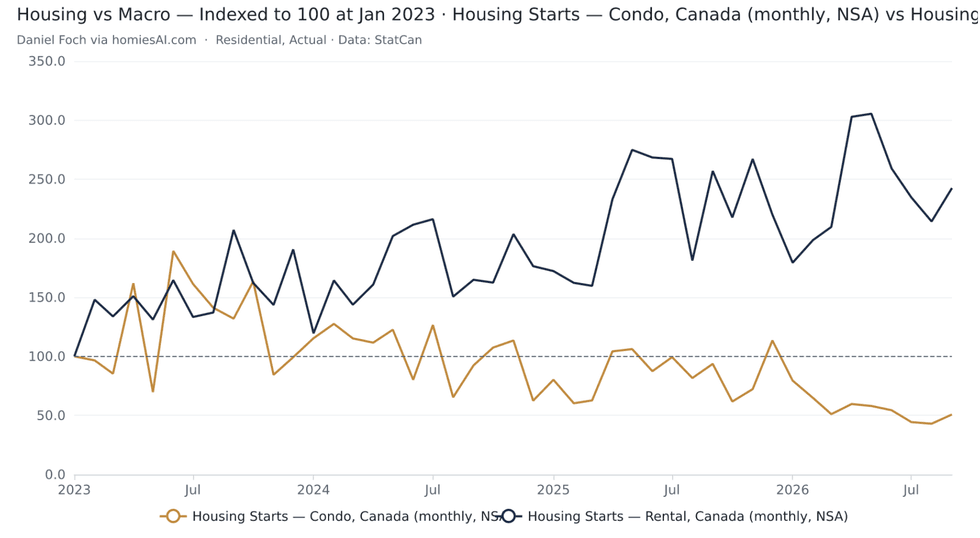 Chart: Condo vs rental housing starts, Canada, indexed to January 2023. Daniel Foch via homiesai.com/stats. Data: CMHC via Statistics Canada.
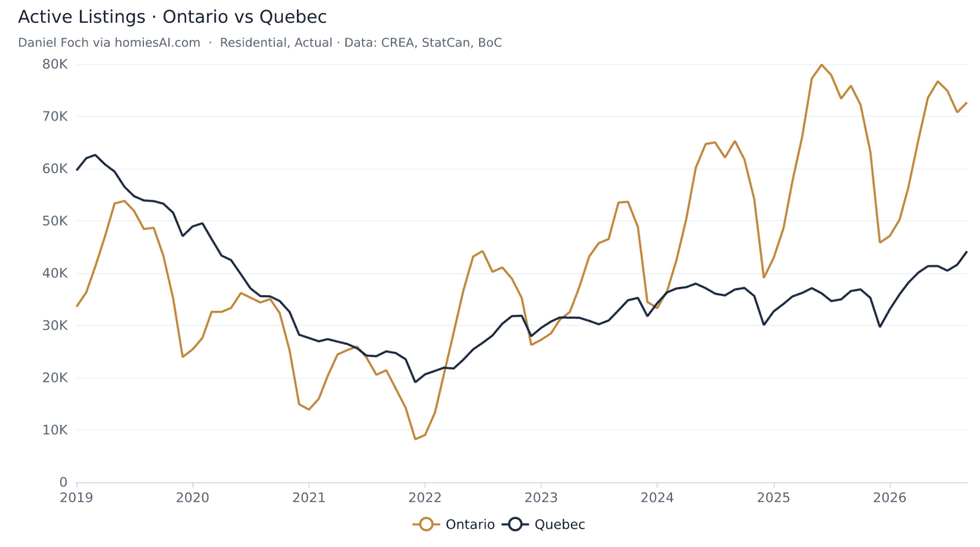 Chart: Active residential listings, Ontario vs Quebec. Daniel Foch via homiesai.com/stats. Data: CREA.
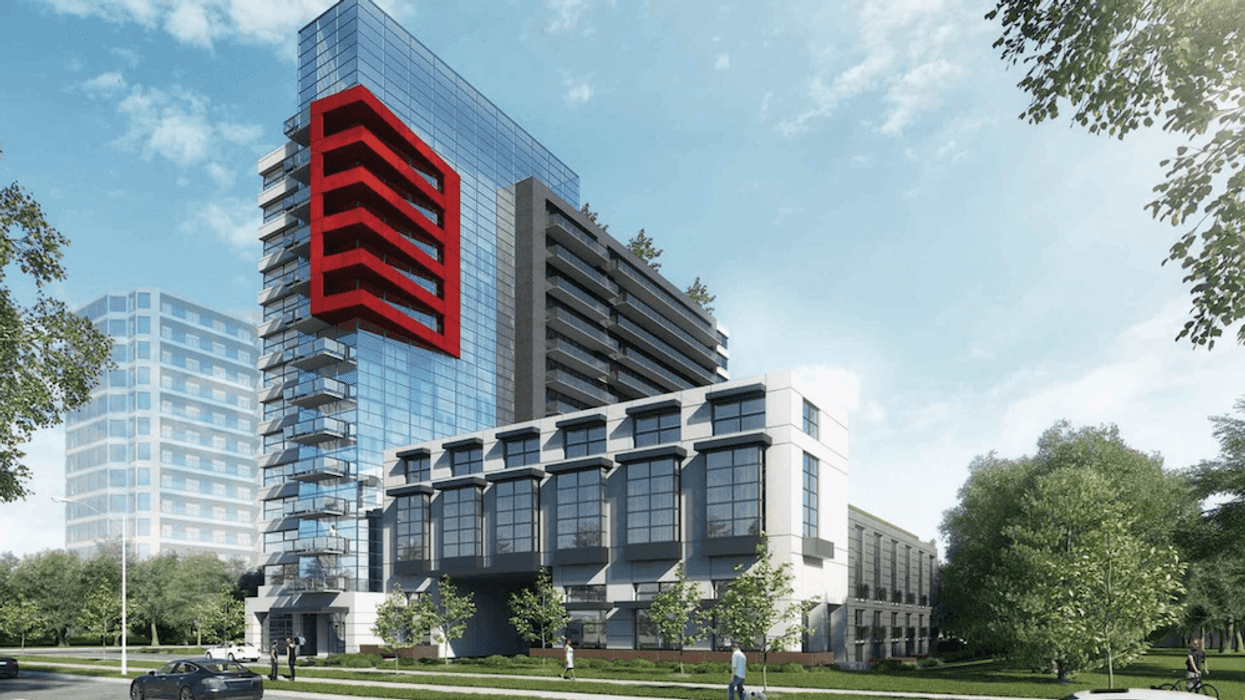
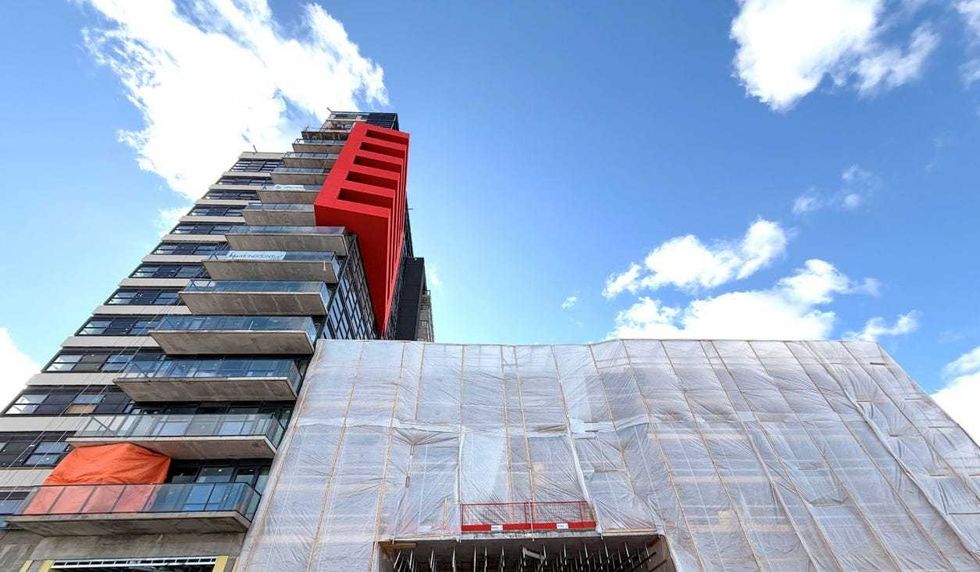 The Highlight of Mississauga as of March 2026. (Grant Thornton)

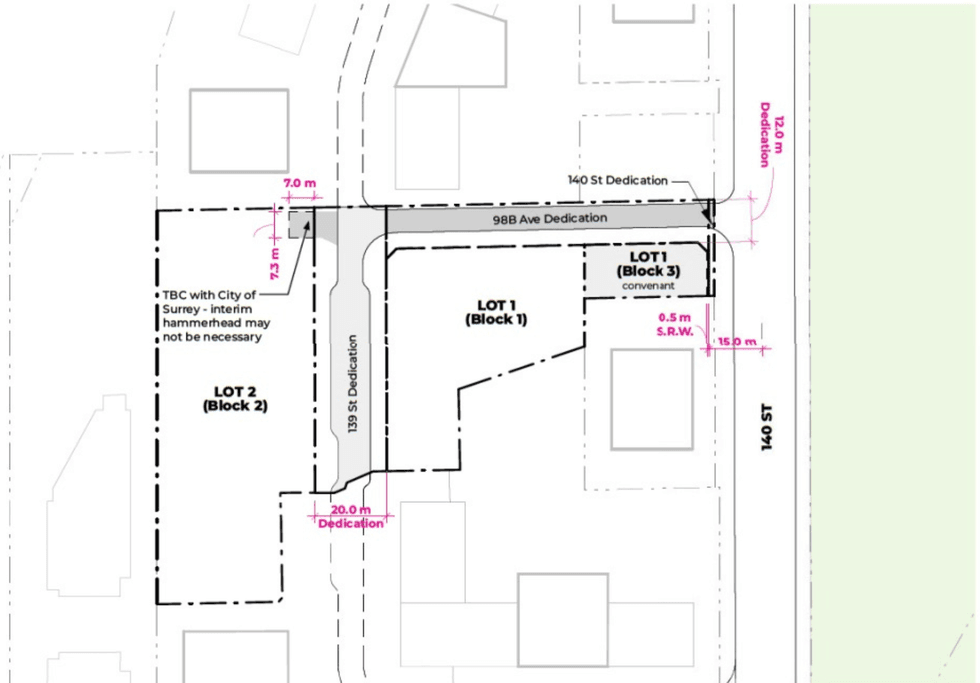 9883 140 Street and the proposed road dedications. (WW+P Architects, Entre Nous Femmes Housing Society)
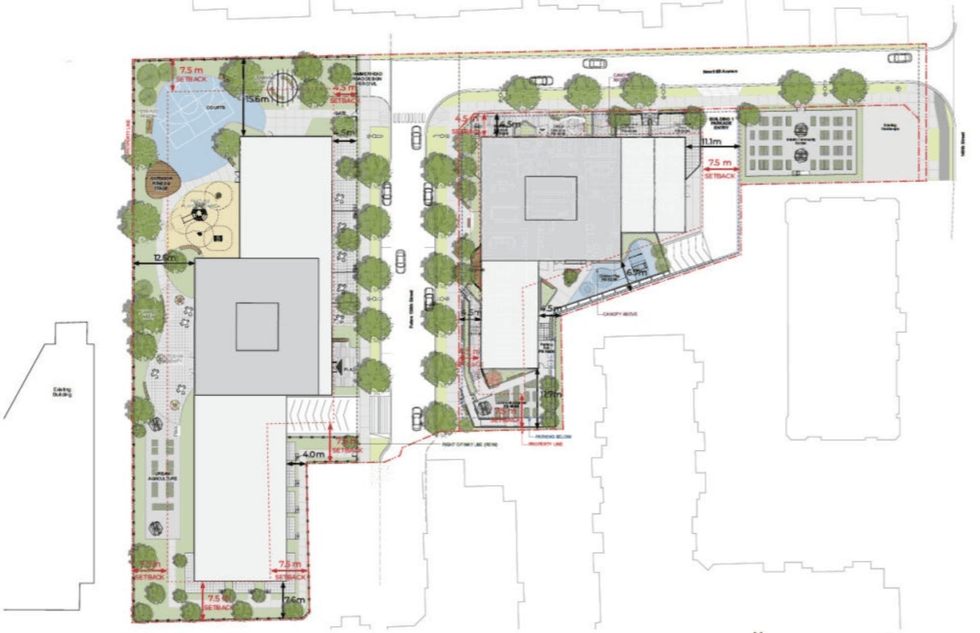 The
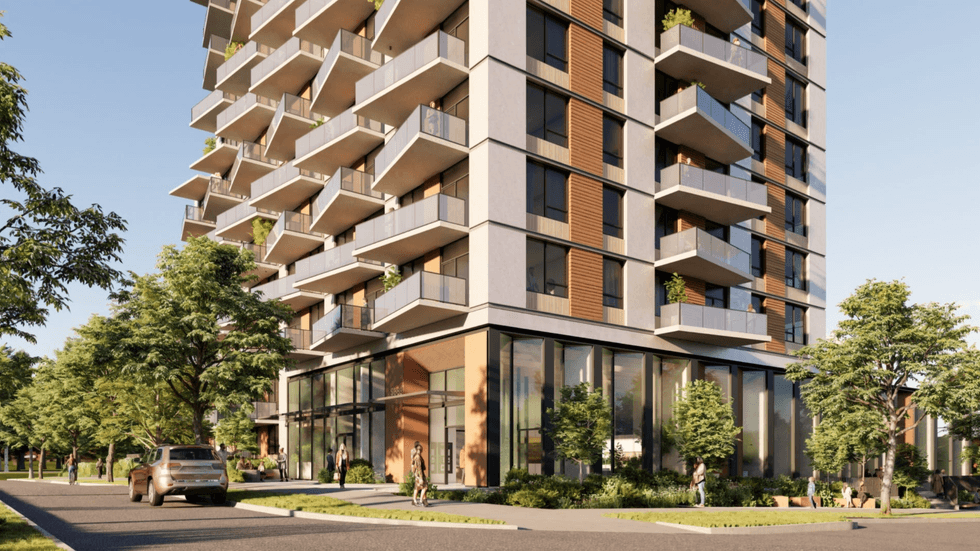 One of the towers proposed for 9883 140 Street. (Entres Nous Femmes Housing Society)

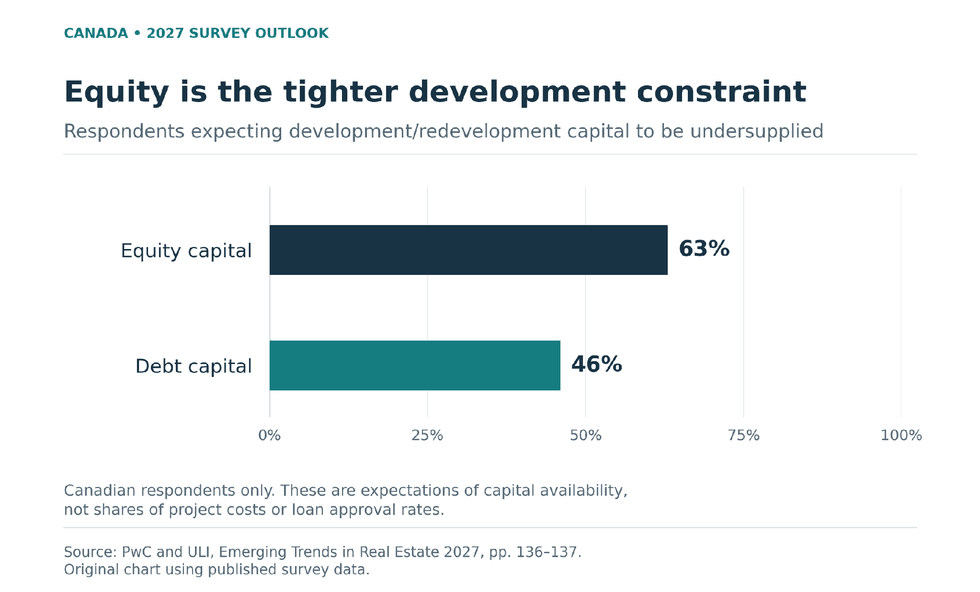 Canadian respondents were more likely to expect an undersupply of development/redevelopment equity capital (63%) than debt capital (46%) in 2027. These are survey expectations, not measured financing volumes. Source: PwC and ULI, Emerging Trends in Real Estate 2027, pp. 136–137. Original chart.
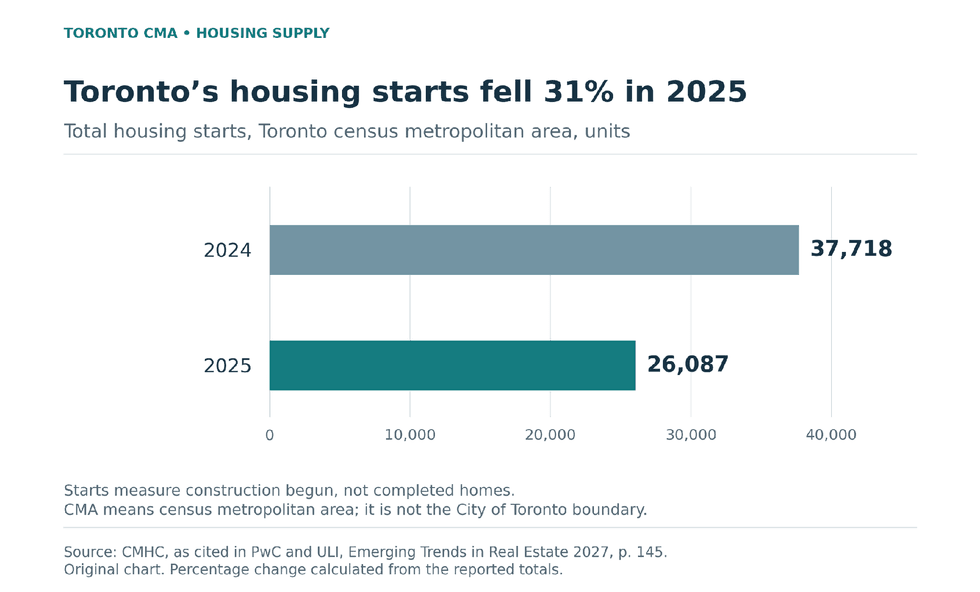 Toronto census metropolitan area housing starts fell from 37,718 units in 2024 to 26,087 in 2025, a 30.8% decline (rounded to 31%). Starts measure construction begun, not completed homes. Source: CMHC, as cited in PwC and ULI, Emerging Trends in Real Estate 2027, p. 145. Original chart.


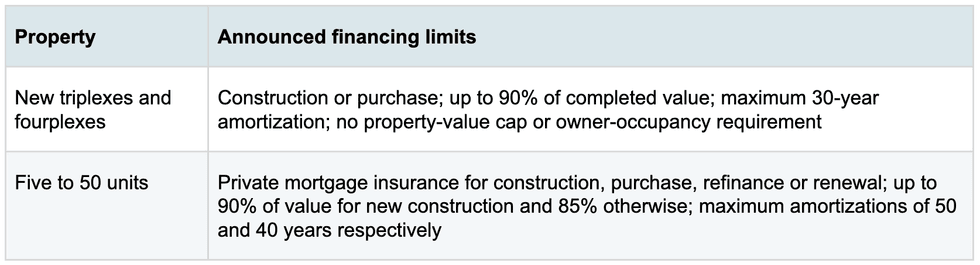
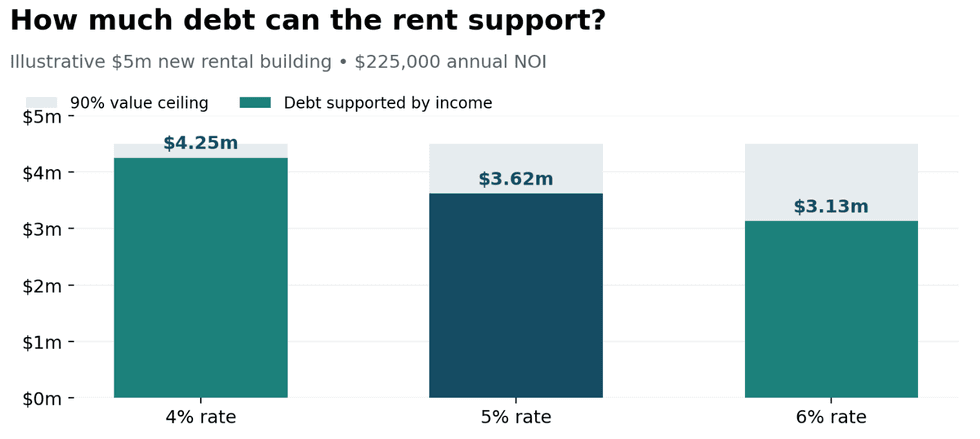 Illustrative calculation: a $4.5-million value ceiling versus income-based capacity of about $4.25 million at 4%, $3.62 million at 5% and $3.13 million at 6%. Assumes 50-year amortization and 1.15 debt coverage.
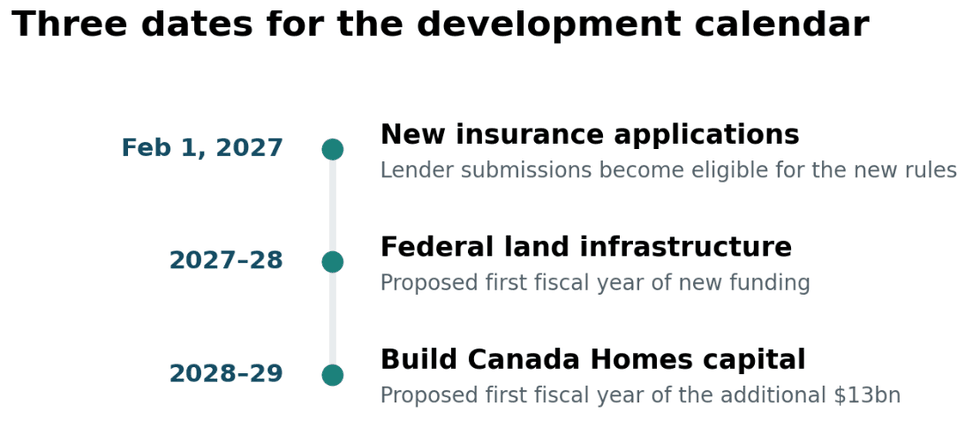 Source: Department of Finance missing-middle backgrounder and Budget 2026 Chapter 3, November 5, 2026. Fiscal-year funding starts are not home-completion dates.