Walkthrough Inspection
Learn what a walkthrough inspection is in Canadian real estate, when it happens, and how it protects buyers before taking possession of a new home.

May 22, 2025
What is a Walkthrough Inspection?
A walkthrough inspection is a final viewing of a property by the buyer before closing to ensure that it is in the expected condition and that agreed-upon repairs or inclusions are in place.
Why Walkthrough Inspections Matter in Real Estate
In Canadian real estate, walkthrough inspections usually occur within 24–48 hours before possession. They are not as detailed as a home inspection but serve to confirm:- The home has not been damaged since the offer
- Appliances and systems are still present and functional
- Any negotiated repairs have been completed
If problems are found, buyers may request remedies before closing or have their lawyer negotiate holdbacks.
Understanding walkthrough inspections gives buyers a final chance to confirm that what they agreed to is what they’re receiving before completing the purchase.
Example of a Walkthrough Inspection in Action
During the walkthrough, the buyer notices a missing light fixture that was listed as an inclusion. Their lawyer arranges for a credit at closing.
Key Takeaways
- Final check before closing.
- Confirms property condition.
- Verifies repairs and inclusions.
- Identifies late issues or damage.
- Can affect closing adjustments.
Related Terms
- Home Inspection
- Inclusions
- Agreement of Purchase and Sale
- Closing Date
- Possession Date

 (Avison Young)

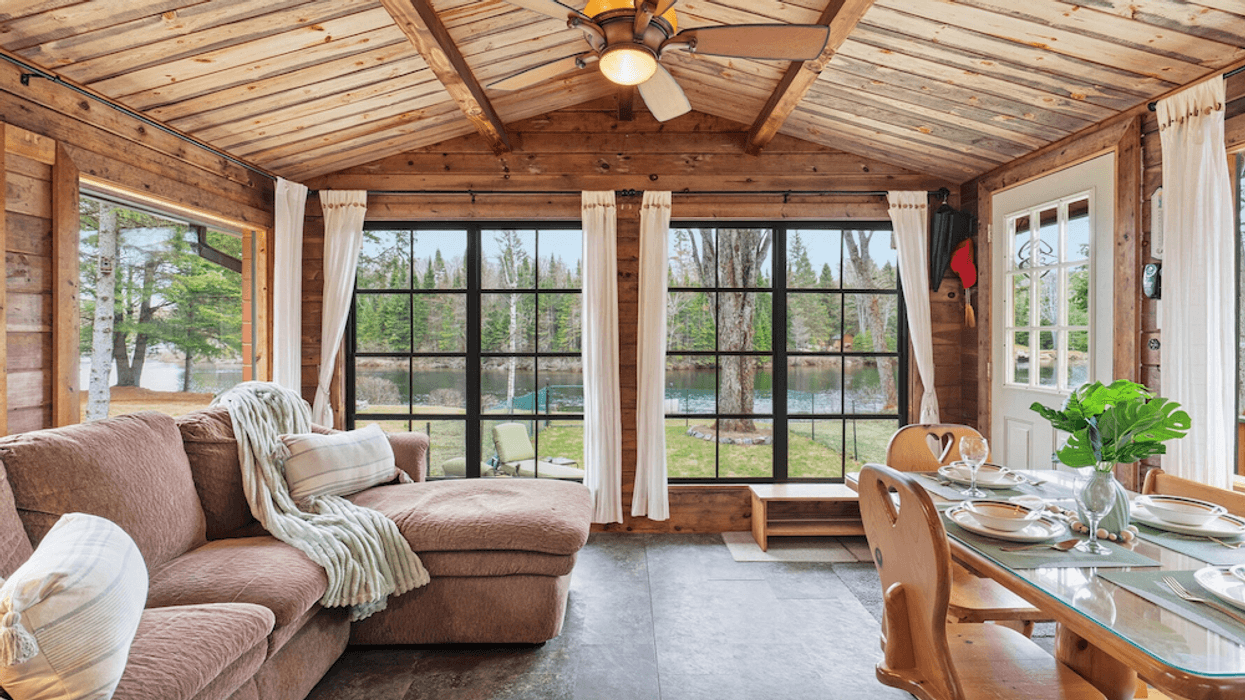



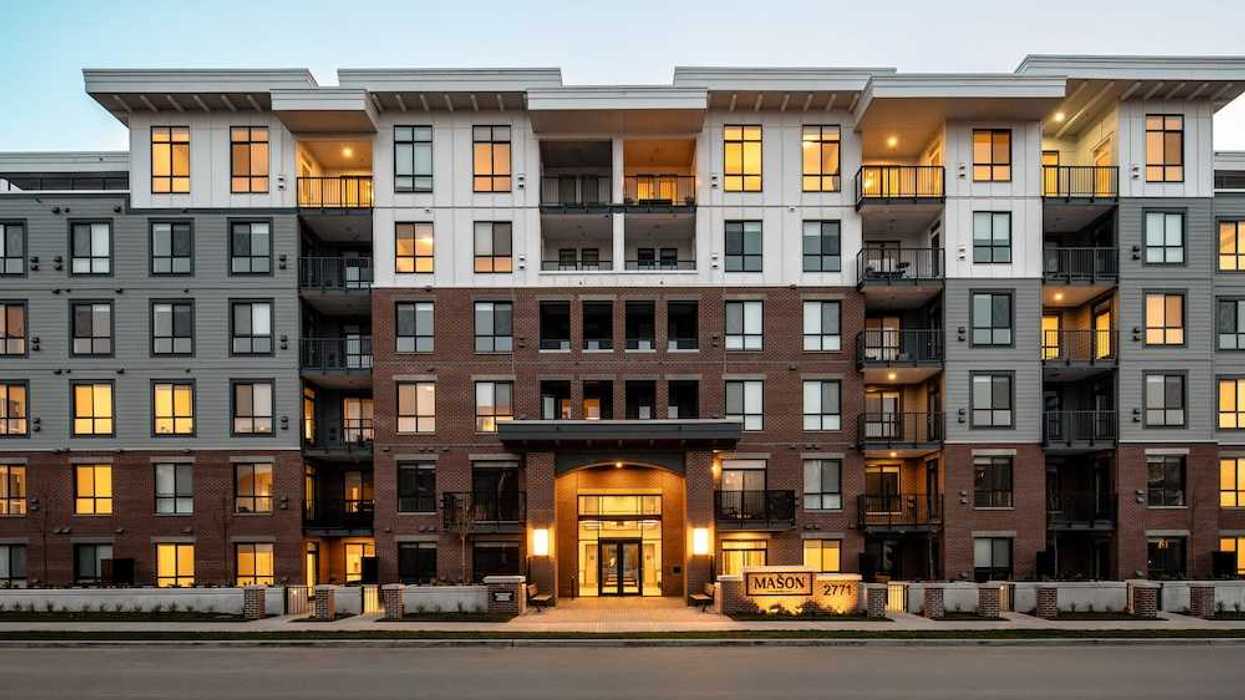
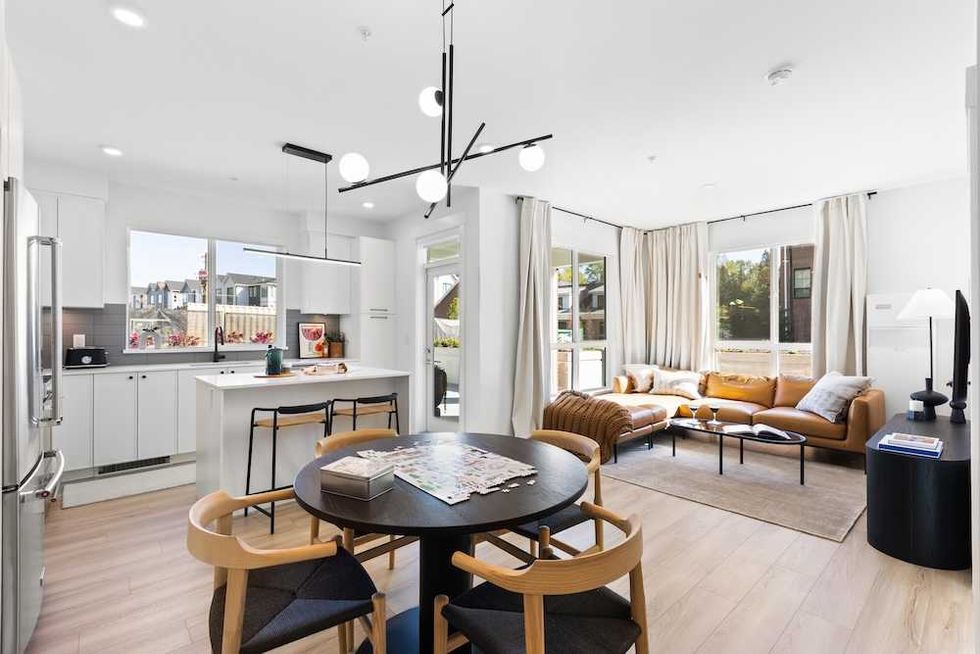 The Mason Suite Interior (Infinity Properties)
 The Mason Suite Interior (Infinity Properties)
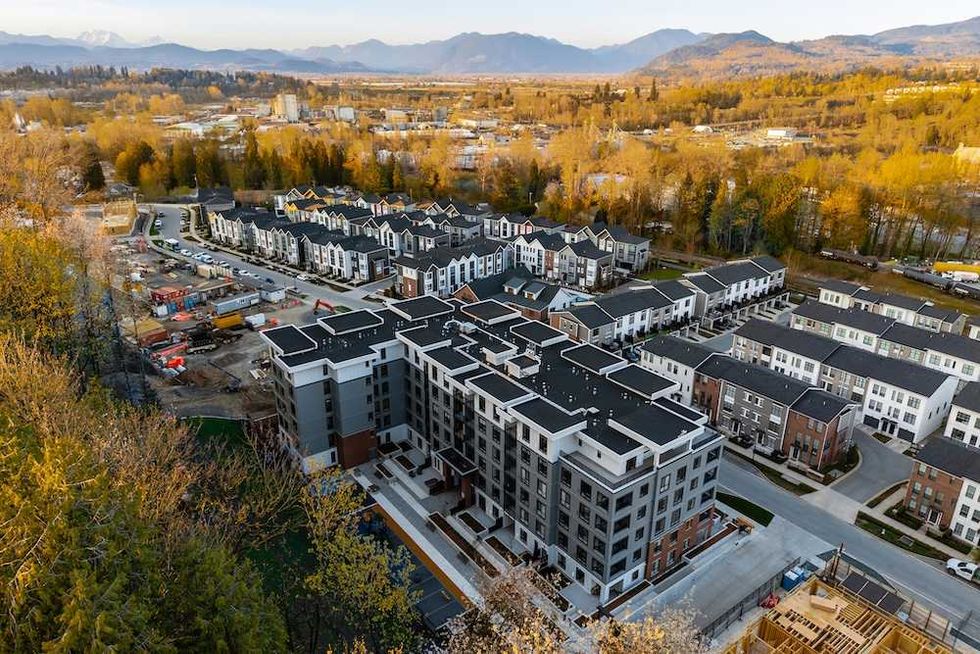 Rail District aerial (Infinity Properties)
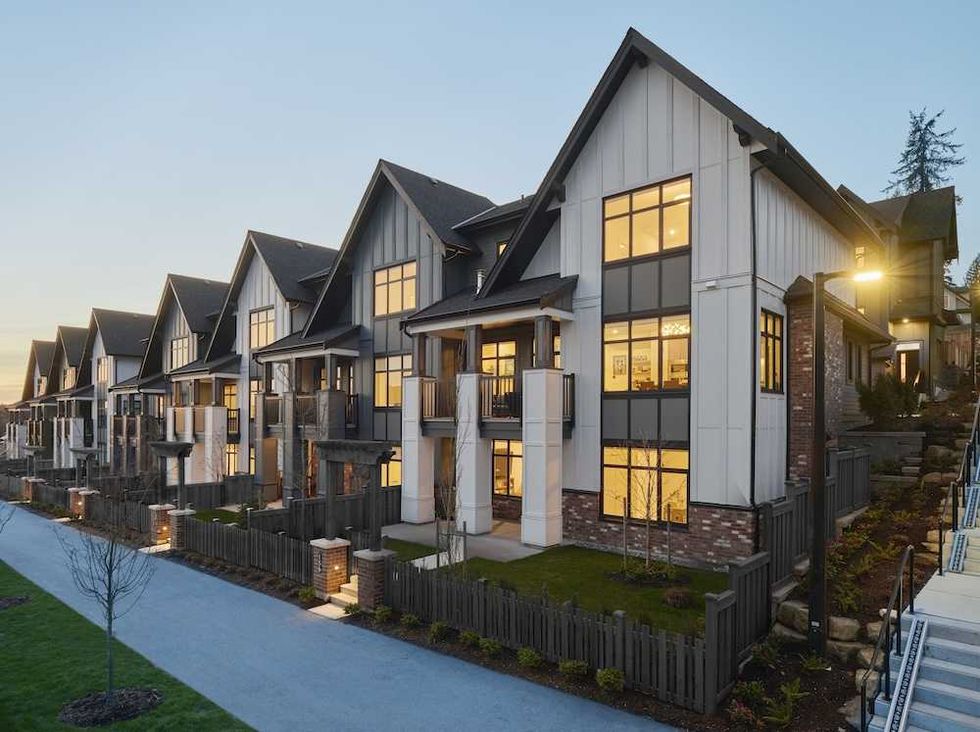 Versant (Infinity Properties)

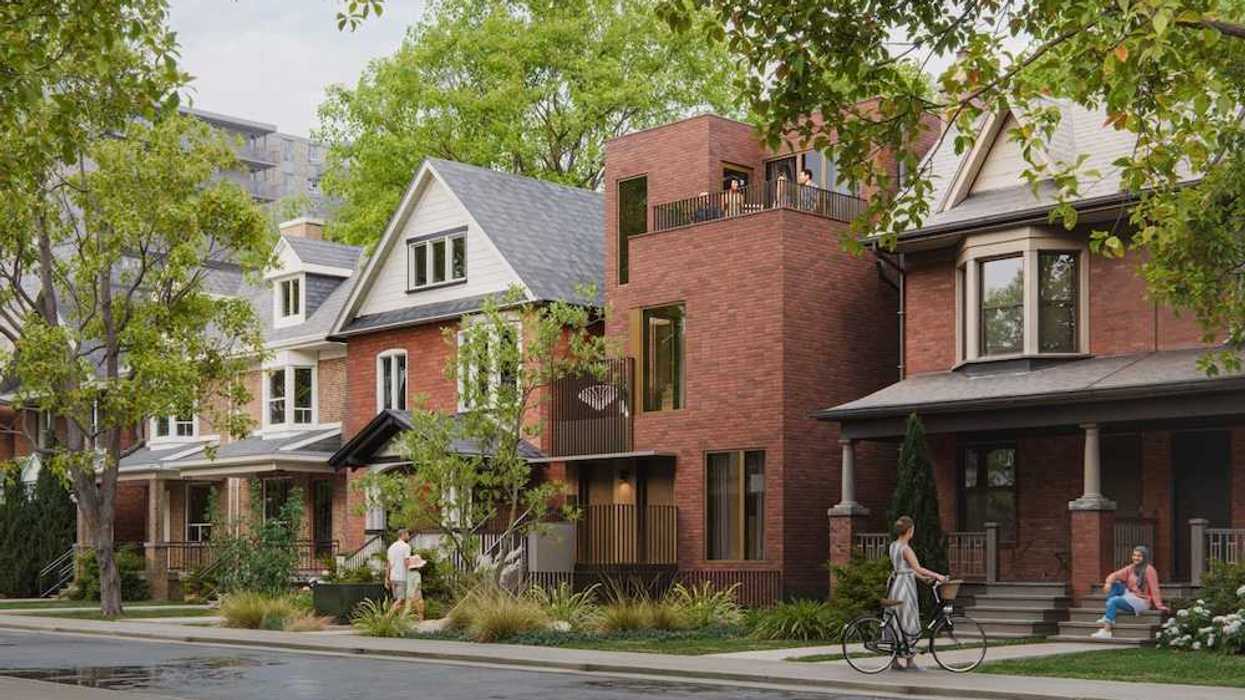
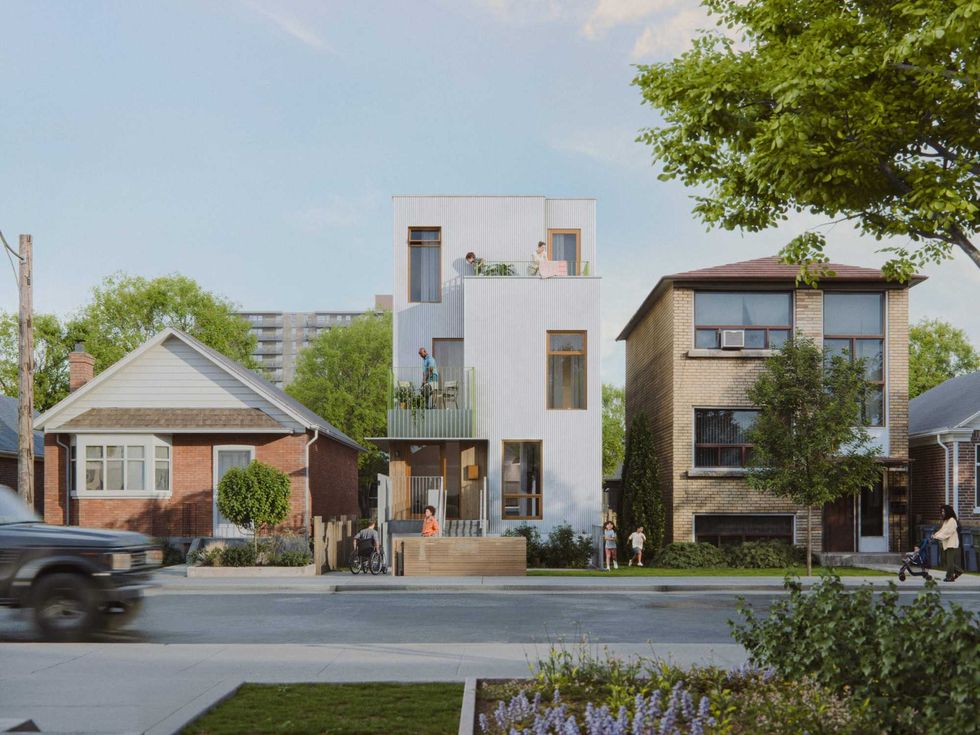 Narrow Fourplex (City of Toronto)
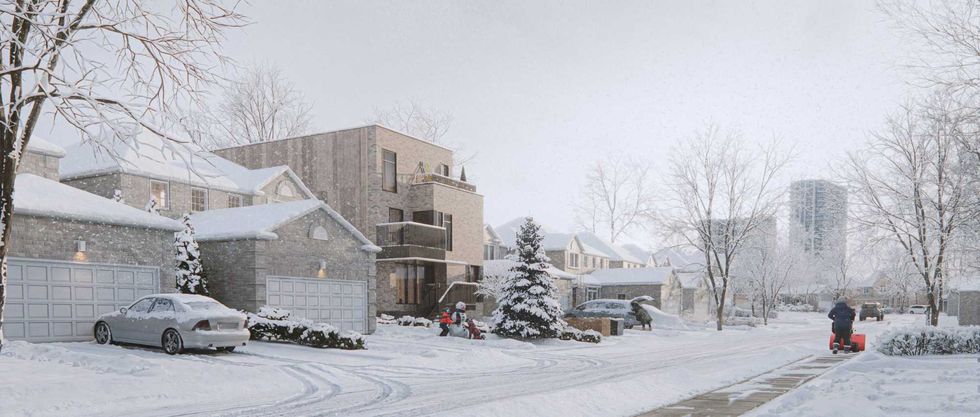 Wide Sixplex - Side View (City of Toronto)
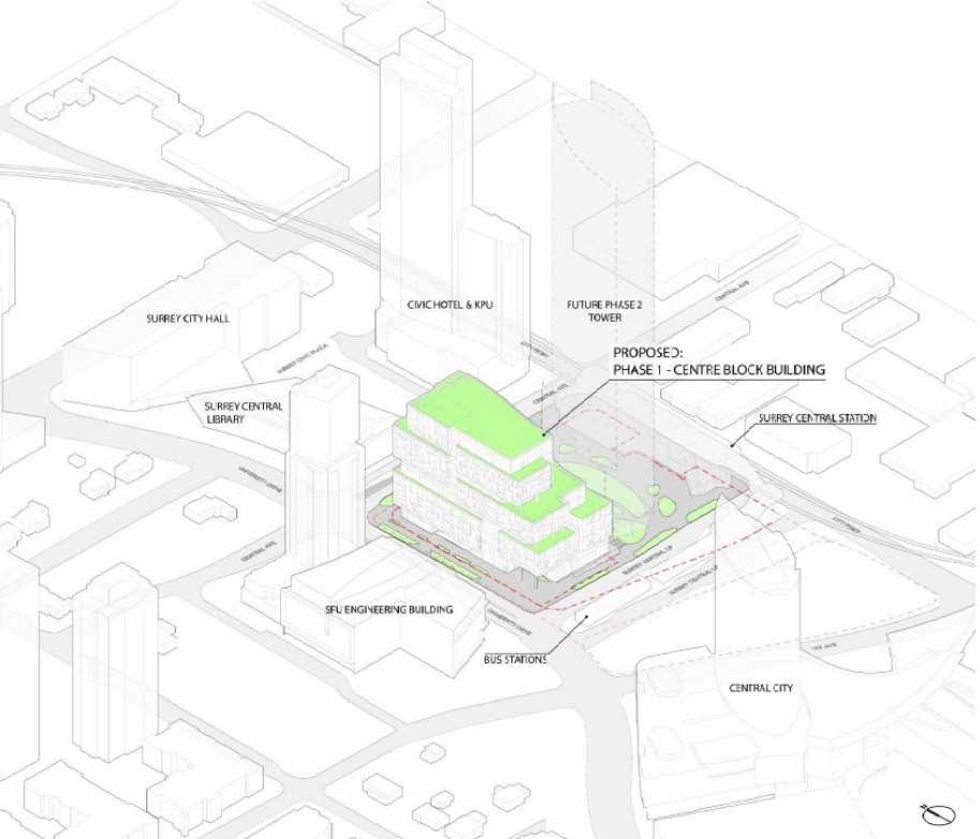 Centre Block and its surrounding context. (Stantec-Revery, SCDC)
 The 12-storey Phase One of Centre Block. (Stantec-Revery, SCDC)
 The 12-storey Phase One of Centre Block. (Stantec-Revery, SCDC)
 Mondria One, set for 1607 King Street East in Clarington, Ontario. (ICON Architects Inc., Monde Development Group)