Possession Date
Learn what the possession date means in Canadian real estate, how it relates to the closing date, and why it's key to a smooth move-in.

May 22, 2025
What is the Possession Date?
The possession date is the day when the buyer officially takes legal ownership and physical possession of the property after closing.
Why the Possession Date Matters in Real Estate
In Canadian real estate, the possession date is typically specified in the Agreement of Purchase and Sale. While often the same as the closing date, they can sometimes differ, especially in commercial or leaseback scenarios.On possession day:
- The buyer receives the keys.
- The seller vacates the property.
- The buyer assumes responsibility for property maintenance and any utilities.
Delays in funding or registration can impact the possession timeline, so legal and financial readiness is essential. In new construction, the possession date may shift depending on project completion.
Understanding the possession date ensures buyers are prepared for ownership transition and protects both parties from logistical or legal misunderstandings.
Example of the Possession Date in Action
A buyer closes on their new home on June 30, and their possession date is also June 30. They receive the keys that afternoon and begin moving in.
Key Takeaways
- Marks the start of buyer’s legal possession.
- Often matches the closing date.
- Buyer takes responsibility for the property.
- Critical for coordinating move-in logistics.
- Must be clearly defined in the sale agreement.
Related Terms
- Closing Date
- Agreement of Purchase and Sale
- Title Transfer
- Occupancy
- Utilities

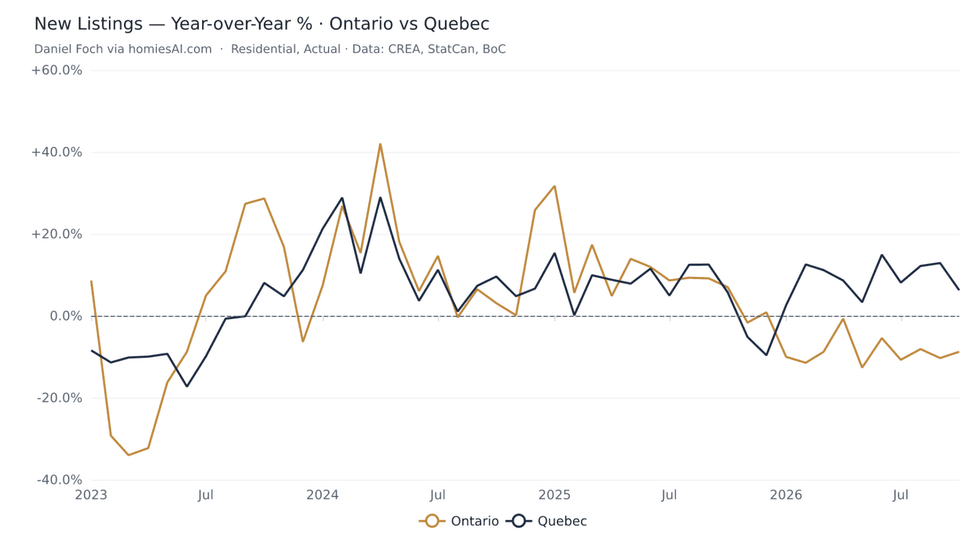 Chart: New listings, year-over-year %, Ontario vs Quebec. Daniel Foch via homiesai.com/stats. Data:
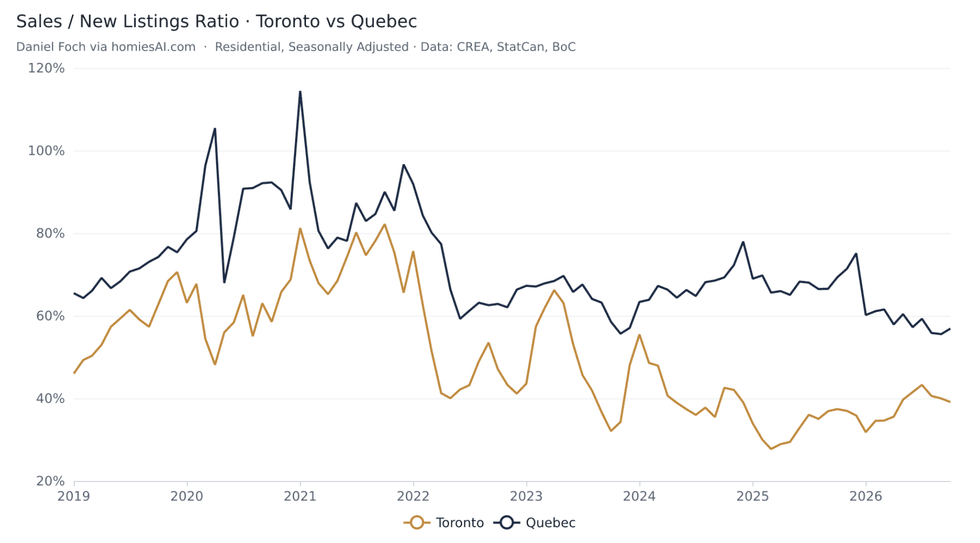 Chart: Sales-to-new-listings ratio, seasonally adjusted. Toronto vs Quebec. Daniel Foch via homiesai.com/stats. Data: CREA.
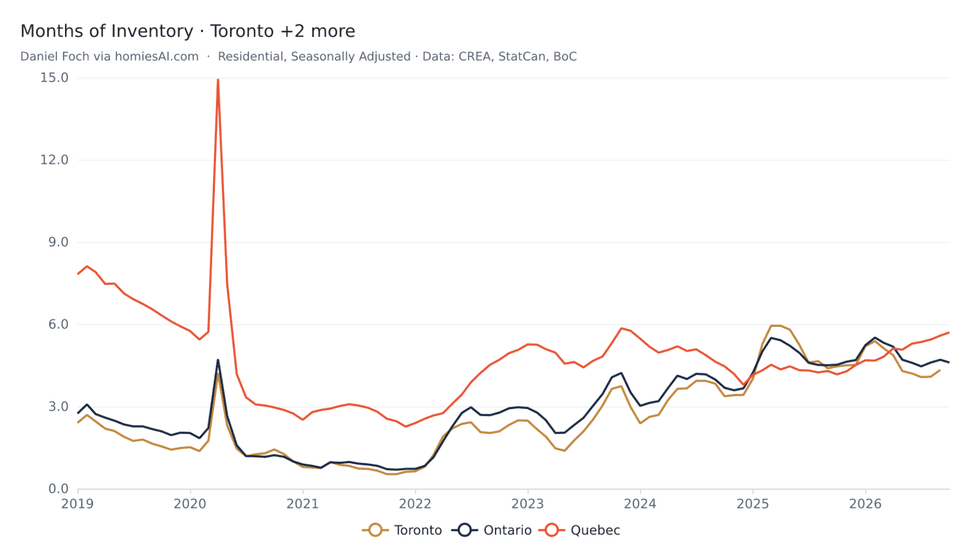 Chart: Months of inventory, seasonally adjusted. Daniel Foch via homiesai.com/stats. Data: CREA.
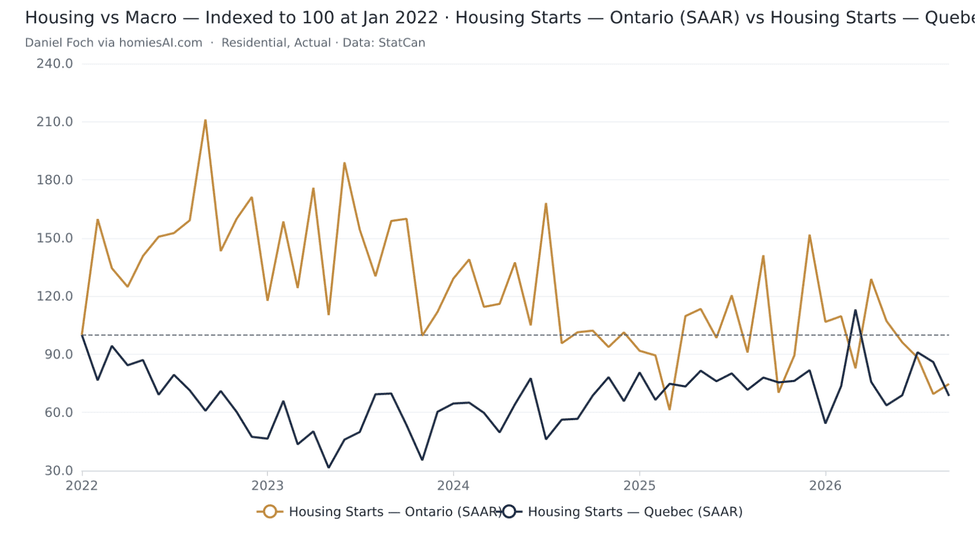 Chart: Housing starts, seasonally adjusted annual rate, Ontario vs Quebec, indexed to January 2022. Daniel Foch via homiesai.com/stats. Data: CMHC via Statistics Canada.
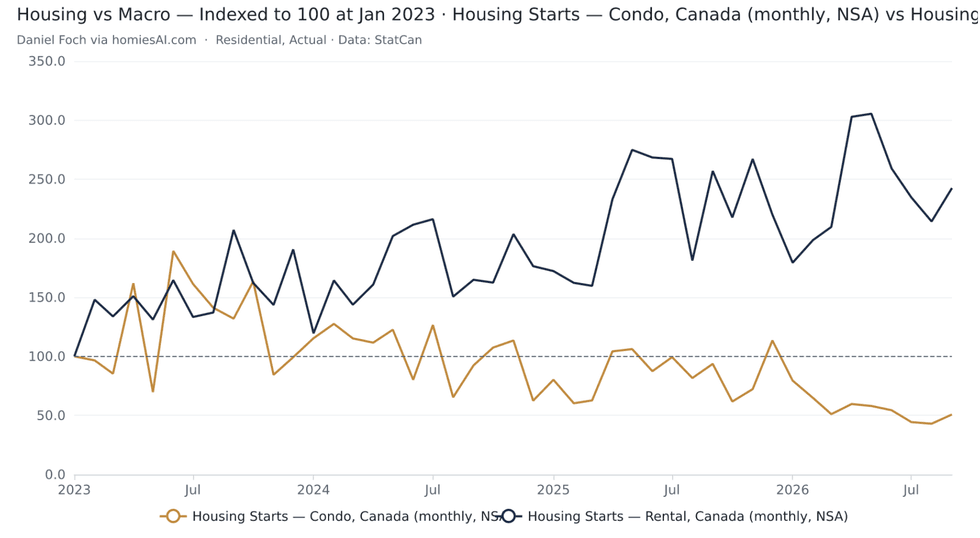 Chart: Condo vs rental housing starts, Canada, indexed to January 2023. Daniel Foch via homiesai.com/stats. Data: CMHC via Statistics Canada.
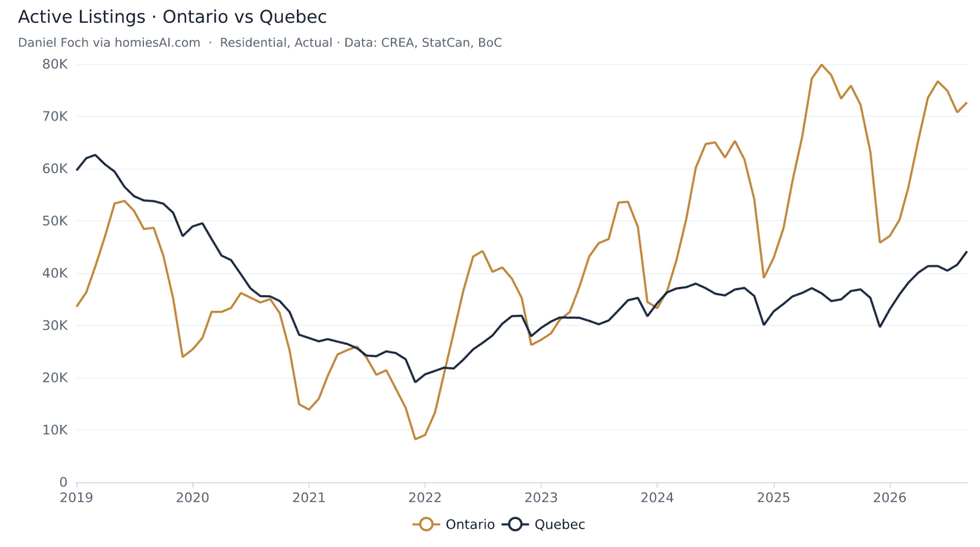 Chart: Active residential listings, Ontario vs Quebec. Daniel Foch via homiesai.com/stats. Data: CREA.







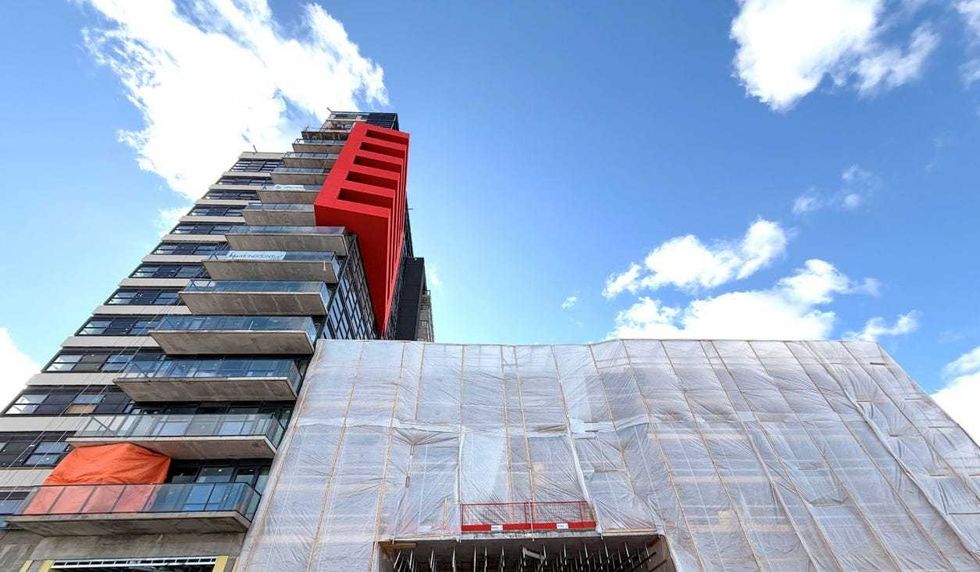 The Highlight of Mississauga as of March 2026. (Grant Thornton)


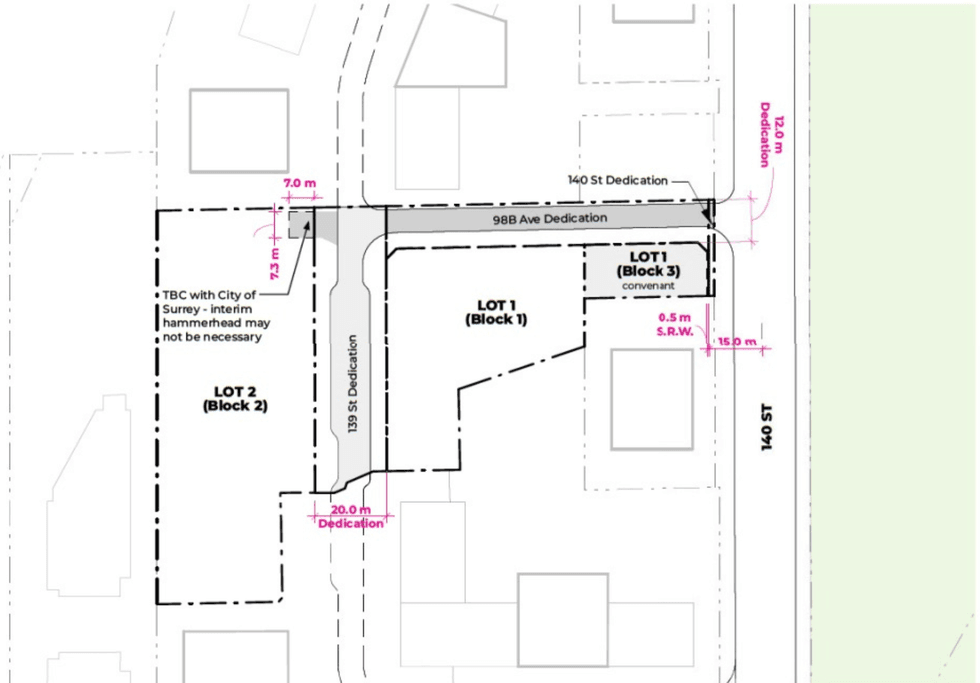 9883 140 Street and the proposed road dedications. (WW+P Architects, Entre Nous Femmes Housing Society)
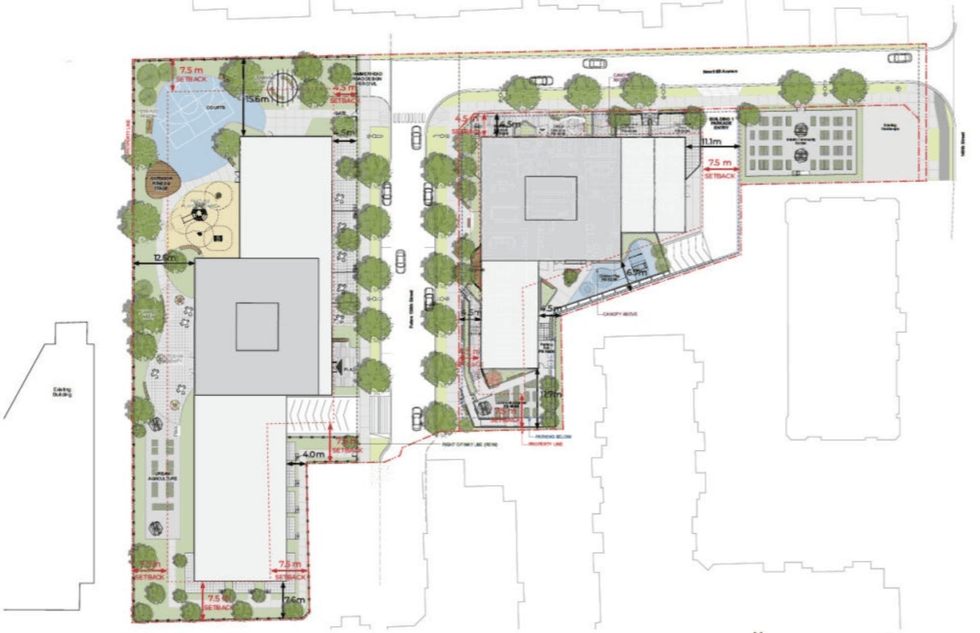 The
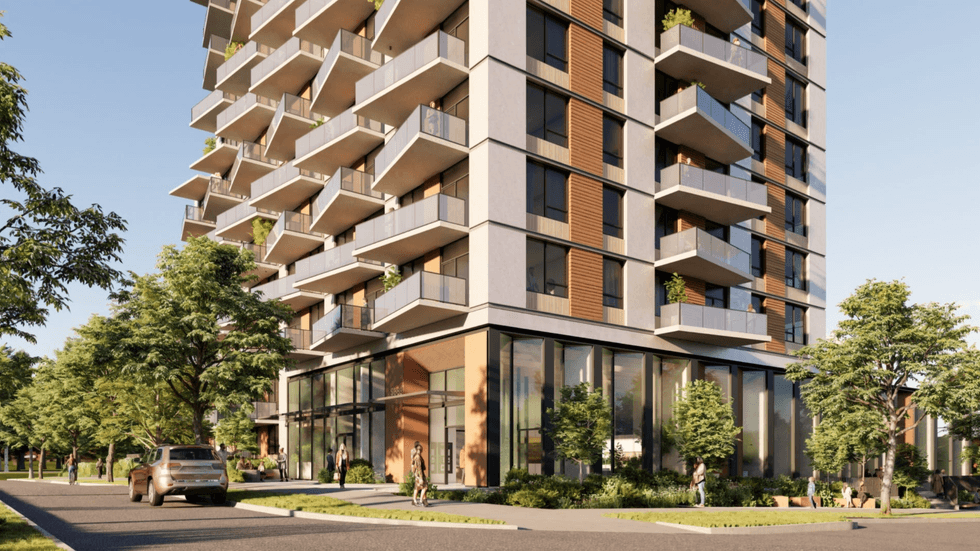 One of the towers proposed for 9883 140 Street. (Entres Nous Femmes Housing Society)

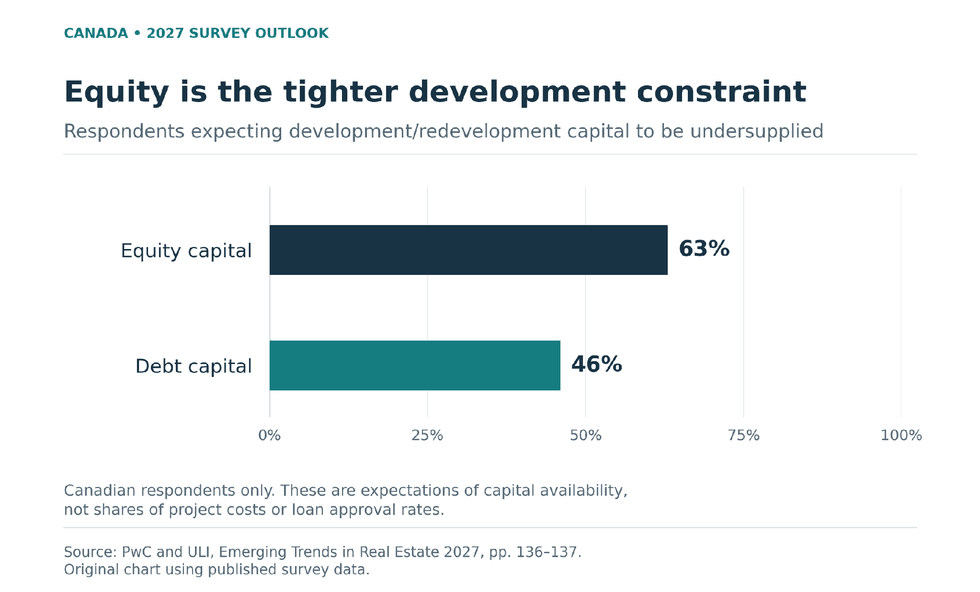 Canadian respondents were more likely to expect an undersupply of development/redevelopment equity capital (63%) than debt capital (46%) in 2027. These are survey expectations, not measured financing volumes. Source: PwC and ULI, Emerging Trends in Real Estate 2027, pp. 136–137. Original chart.
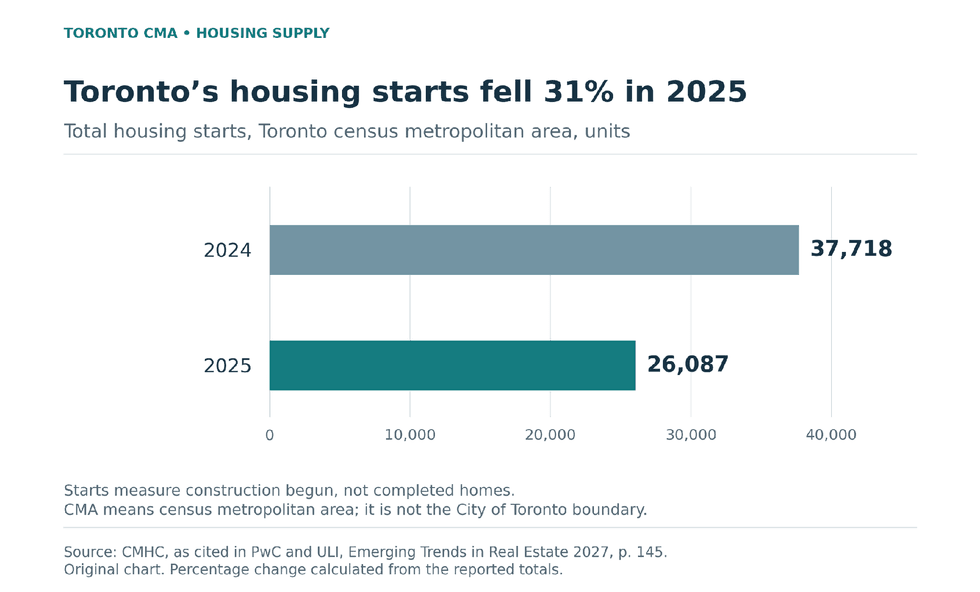 Toronto census metropolitan area housing starts fell from 37,718 units in 2024 to 26,087 in 2025, a 30.8% decline (rounded to 31%). Starts measure construction begun, not completed homes. Source: CMHC, as cited in PwC and ULI, Emerging Trends in Real Estate 2027, p. 145. Original chart.


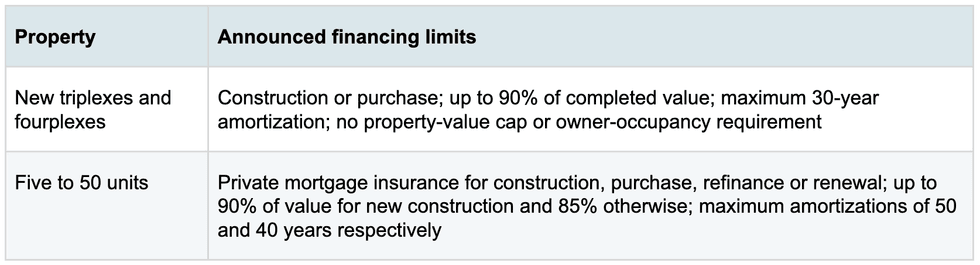
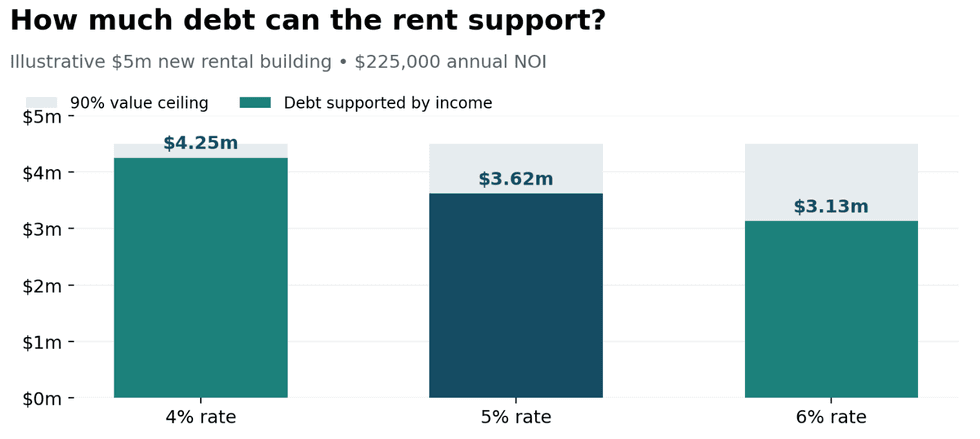 Illustrative calculation: a $4.5-million value ceiling versus income-based capacity of about $4.25 million at 4%, $3.62 million at 5% and $3.13 million at 6%. Assumes 50-year amortization and 1.15 debt coverage.
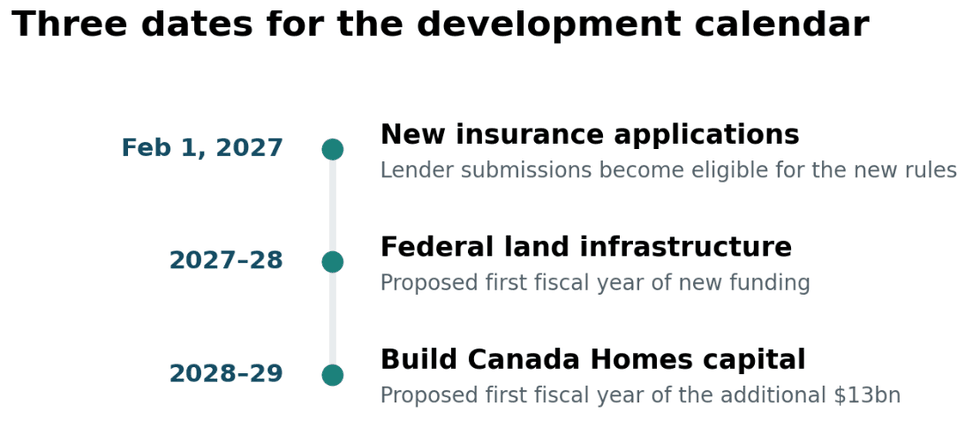 Source: Department of Finance missing-middle backgrounder and Budget 2026 Chapter 3, November 5, 2026. Fiscal-year funding starts are not home-completion dates.