Sublet
A sublet is when a tenant rents their unit to another person temporarily while retaining legal responsibility under the lease.
September 30, 2025
What is a Sublet?
A sublet is a rental arrangement where a tenant rents out their unit to another person (the subtenant) for a set period, while retaining legal responsibility under the original lease. Sublets usually require landlord consent under provincial laws.
Why Subletting Matters in Real Estate
Sublets matter in real estate because they provide tenants flexibility when temporarily leaving a unit while ensuring lease obligations continue. For landlords, sublets involve risk if subtenants fail to comply with lease terms.
Example of Subletting in Action
A tenant in Toronto takes a temporary job abroad and sublets their apartment to a friend for six months, with landlord approval. The original tenant remains liable for rent and damages.
Key Takeaways
- Tenant rents out unit to a subtenant temporarily.
- Original tenant remains legally responsible under lease.
- Sublets usually require landlord approval.
- Provides flexibility for tenants needing temporary absence.
- Risks include subtenant non-compliance or damages.
Related Terms
- Assignment
- Lease Agreement
- Tenant Rights
- Residential Tenancies Act
- Landlord Consent

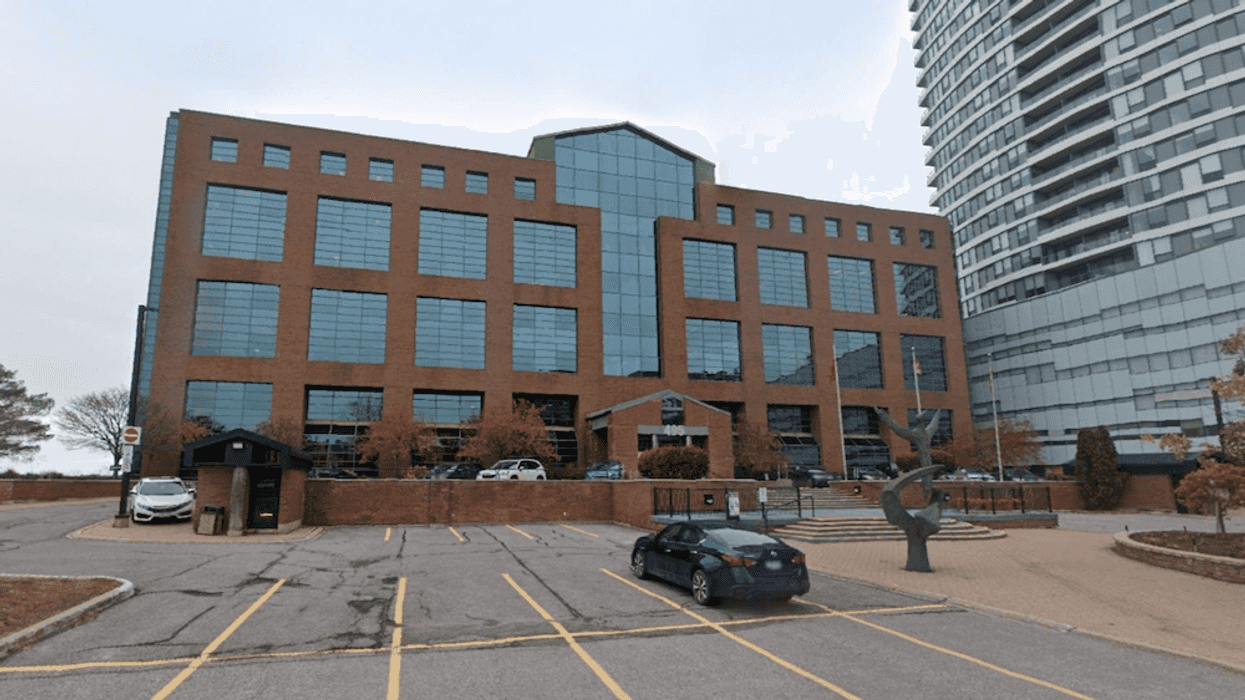
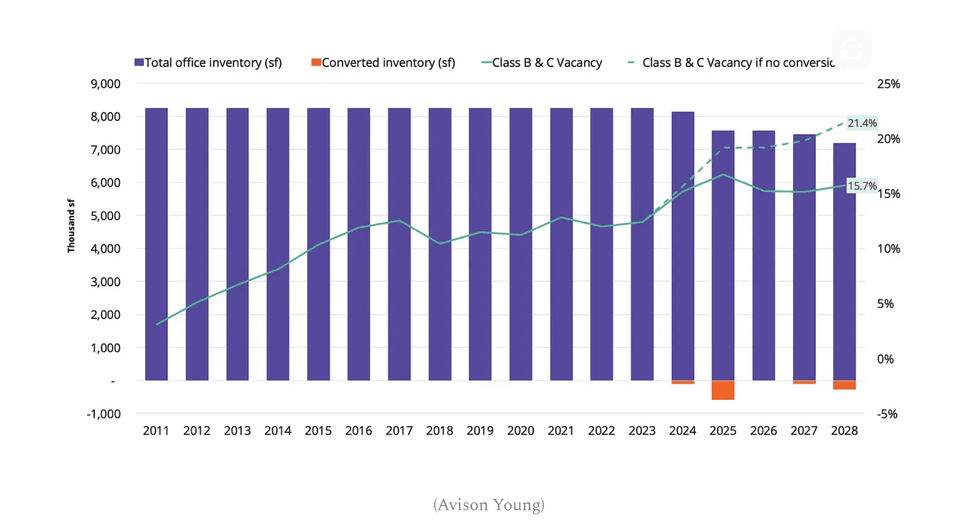 (Avison Young)





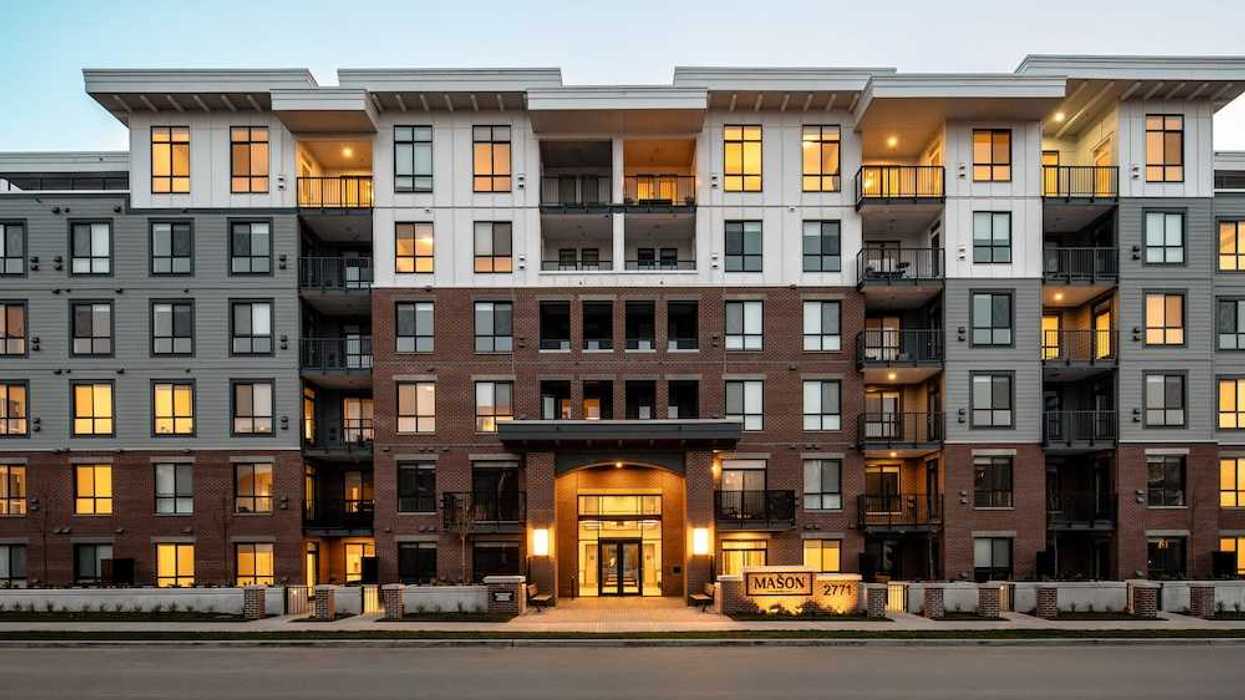
 The Mason Suite Interior (Infinity Properties)
 The Mason Suite Interior (Infinity Properties)
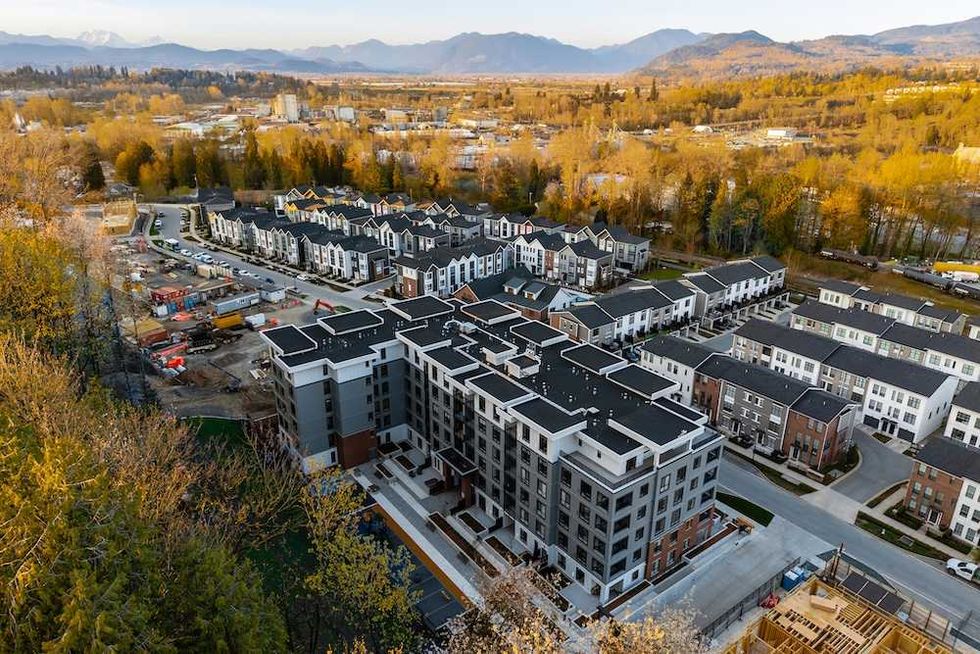 Rail District aerial (Infinity Properties)
 Versant (Infinity Properties)


 Narrow Fourplex (City of Toronto)
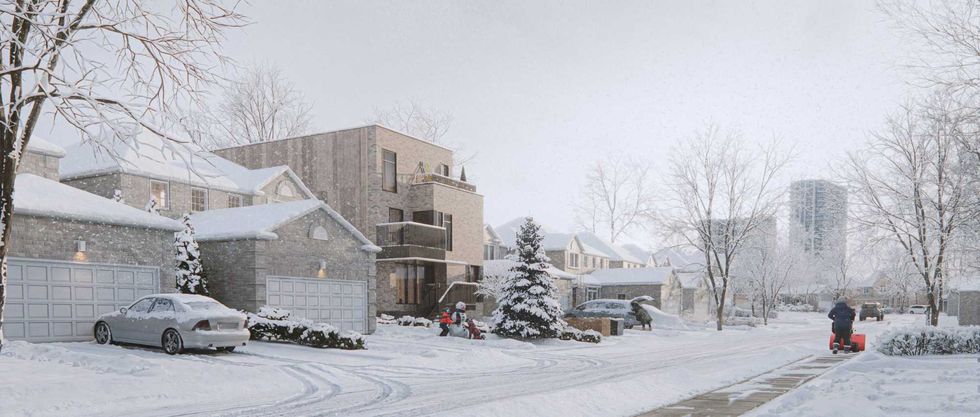 Wide Sixplex - Side View (City of Toronto)
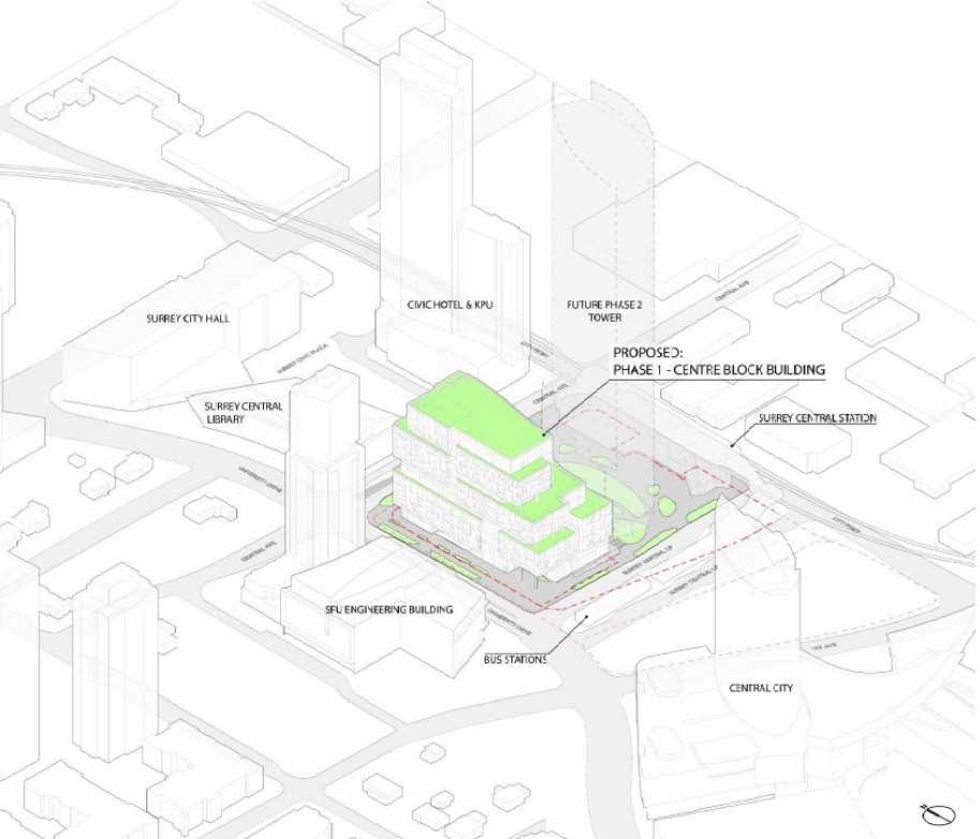 Centre Block and its surrounding context. (Stantec-Revery, SCDC)
 The 12-storey Phase One of Centre Block. (Stantec-Revery, SCDC)
 The 12-storey Phase One of Centre Block. (Stantec-Revery, SCDC)
 Mondria One, set for 1607 King Street East in Clarington, Ontario. (ICON Architects Inc., Monde Development Group)