Principal Residence
Learn what qualifies as a principal residence in Canadian real estate, how it affects taxes, and why proper designation is key to maximizing exemptions.

May 22, 2025
What is a Principal Residence?
A principal residence is the main home a person regularly inhabits and is eligible for certain tax exemptions under Canadian law.
Why Principal Residences Matter in Real Estate
In Canadian real estate, designating a property as your principal residence has significant tax implications. Most notably, it allows homeowners to claim the Principal Residence Exemption, which exempts capital gains from taxation when the home is sold.
To qualify as a principal residence:- The owner must live in the home regularly (even part of the year).
- It can be a house, condo, cottage, or mobile home.
- The property must be owned (not rented) and not primarily used to generate income.
Only one property per family unit (you, your spouse or common-law partner, and minor children) can be designated per year. Designations are reported to the Canada Revenue Agency (CRA) when the home is sold.
Understanding how principal residence rules work is crucial for tax planning, especially for owners of multiple properties. Incorrect or missed designations may result in unnecessary tax liabilities.
Professional advice can help homeowners optimize exemptions, especially when selling investment or vacation properties.
Example of a Principal Residence
A family sells their Toronto home for a $250,000 profit. Because it was their principal residence for the entire ownership period, they pay no capital gains tax.
Key Takeaways
- Your primary, regularly inhabited home.
- Eligible for capital gains tax exemption upon sale.
- Only one property per family can be designated each year.
- Must be reported to the CRA when sold.
- Important for tax and estate planning.
Related Terms
- Capital Gains Tax
- Primary Residence
- Investment Property
- CRA Designation
- Residential Property
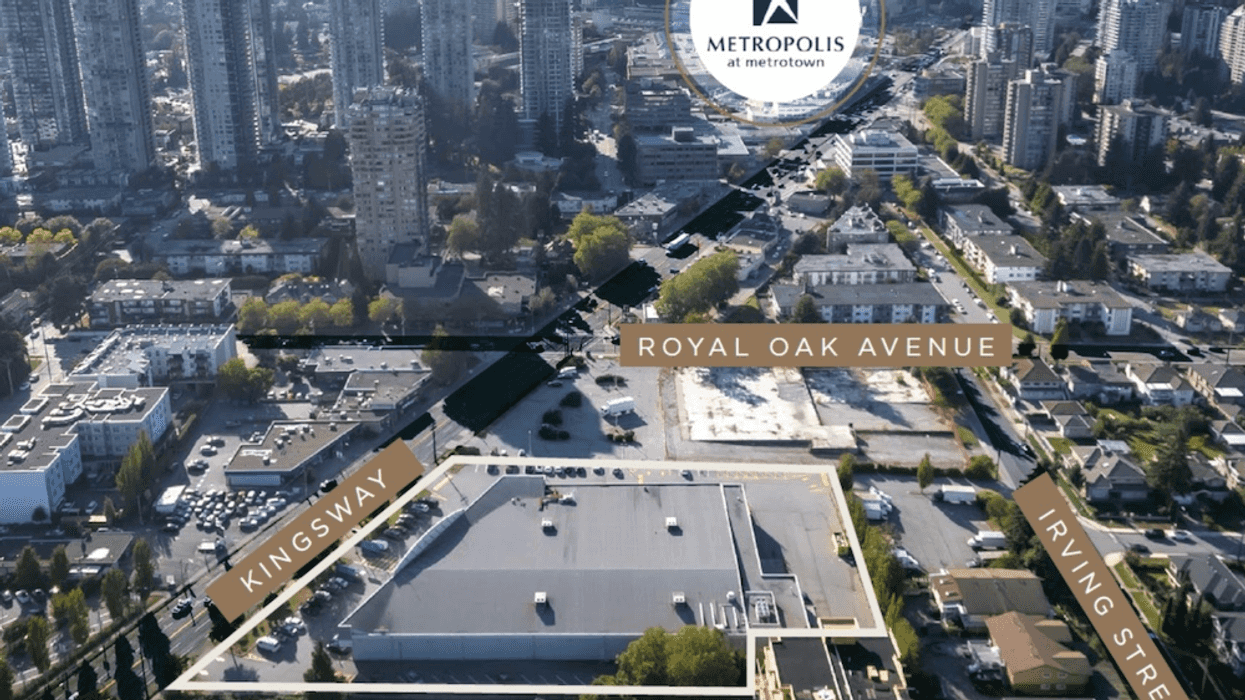
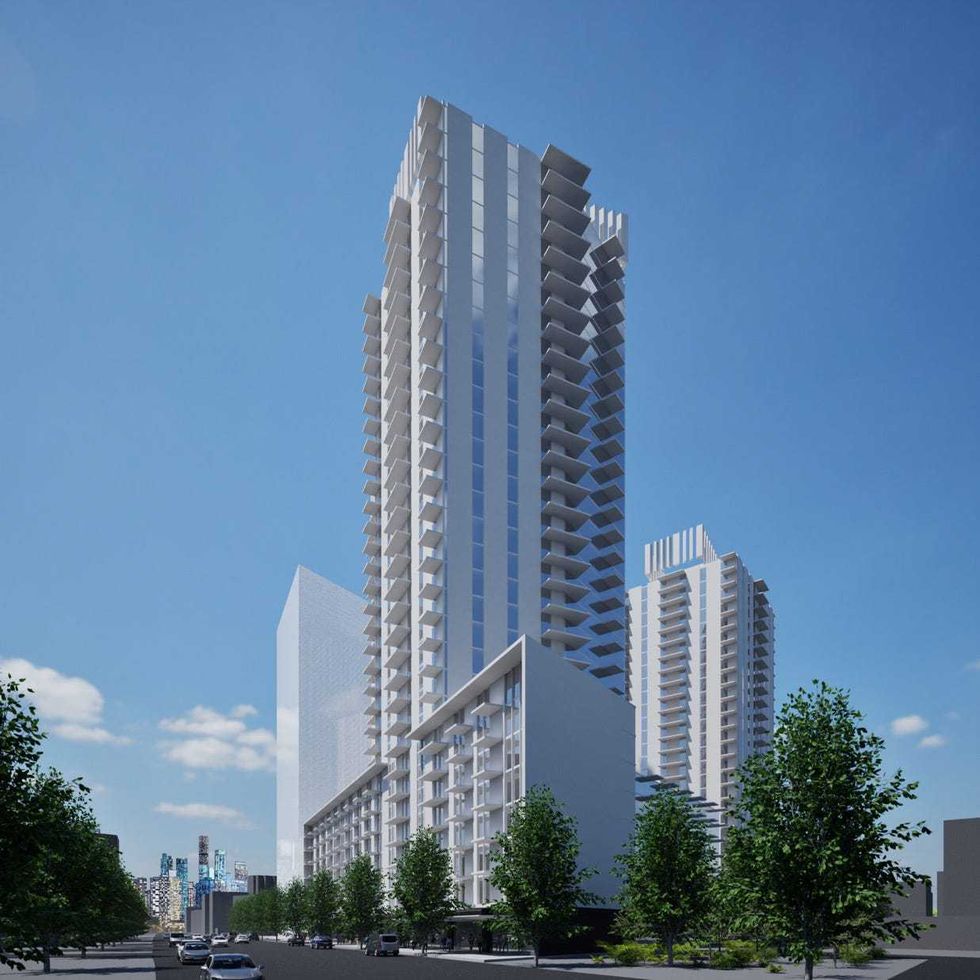 A preliminary conceptual development for 5335 Kingsway in Burnaby. (Arcadis, JLL)



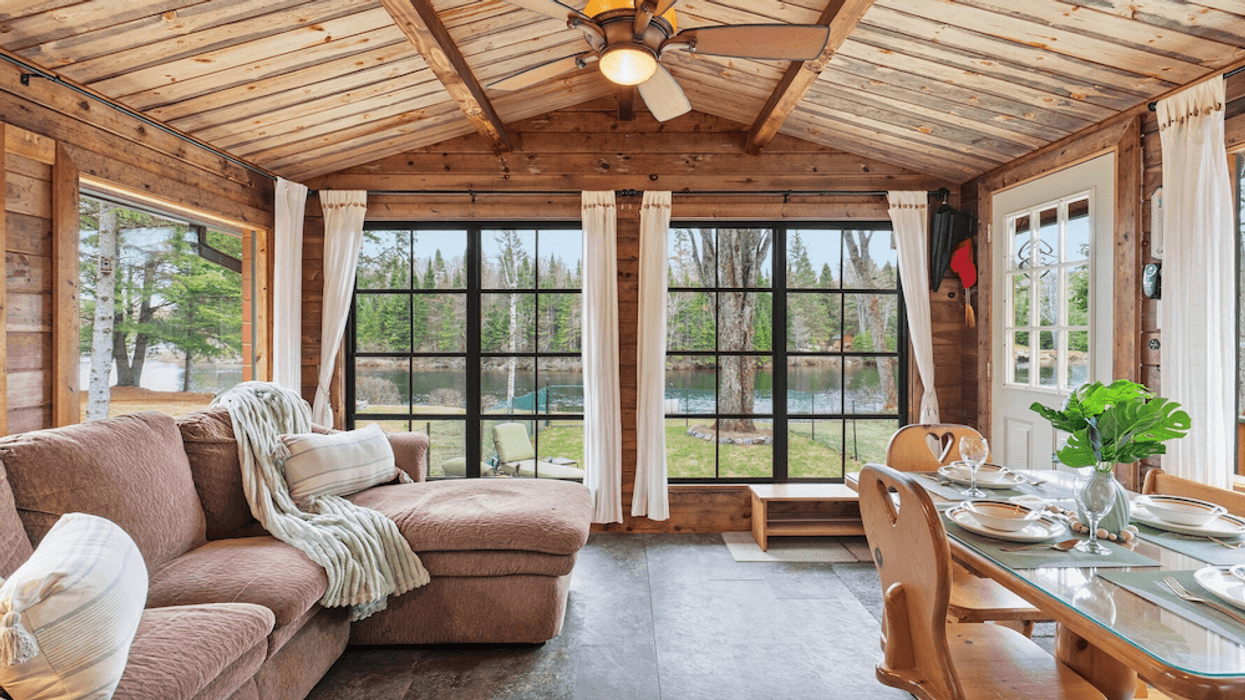



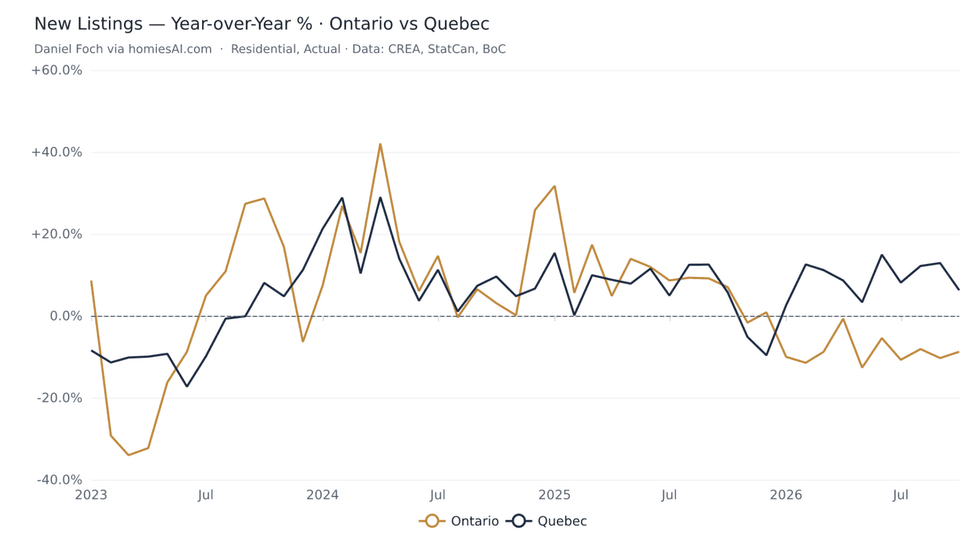 Chart: New listings, year-over-year %, Ontario vs Quebec. Daniel Foch via homiesai.com/stats. Data:
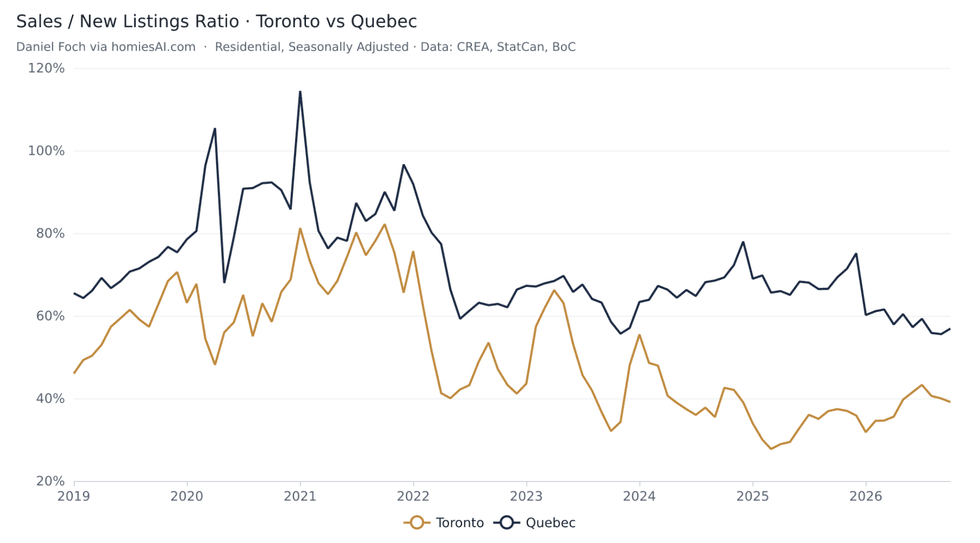 Chart: Sales-to-new-listings ratio, seasonally adjusted. Toronto vs Quebec. Daniel Foch via homiesai.com/stats. Data: CREA.
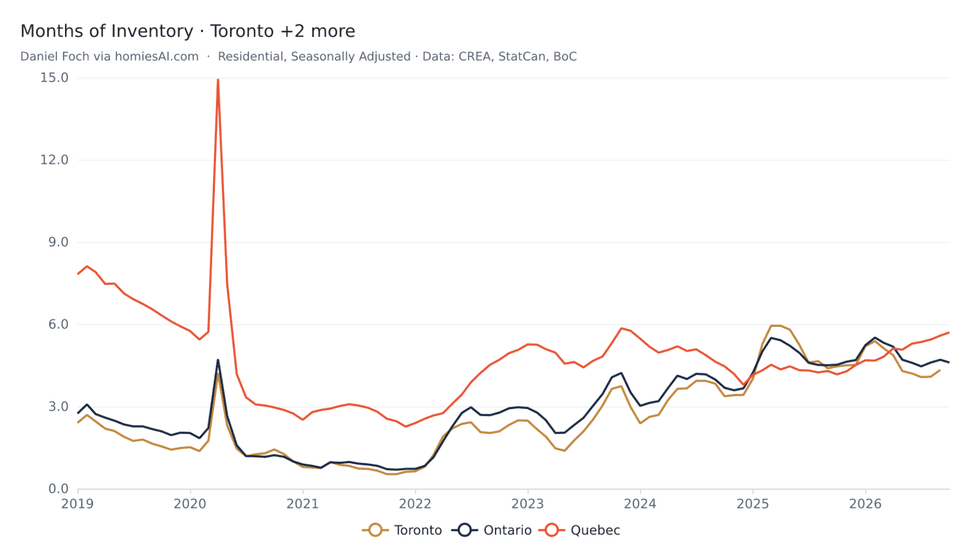 Chart: Months of inventory, seasonally adjusted. Daniel Foch via homiesai.com/stats. Data: CREA.
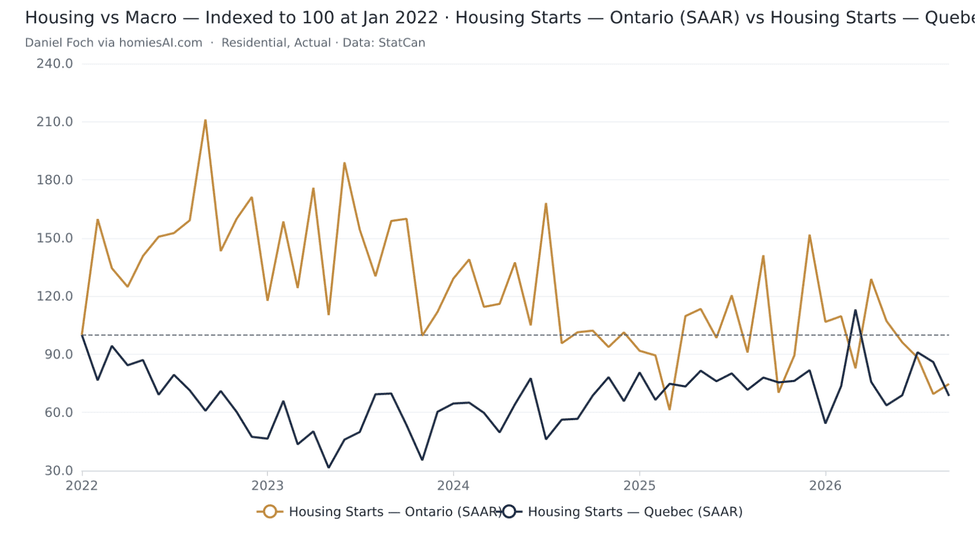 Chart: Housing starts, seasonally adjusted annual rate, Ontario vs Quebec, indexed to January 2022. Daniel Foch via homiesai.com/stats. Data: CMHC via Statistics Canada.
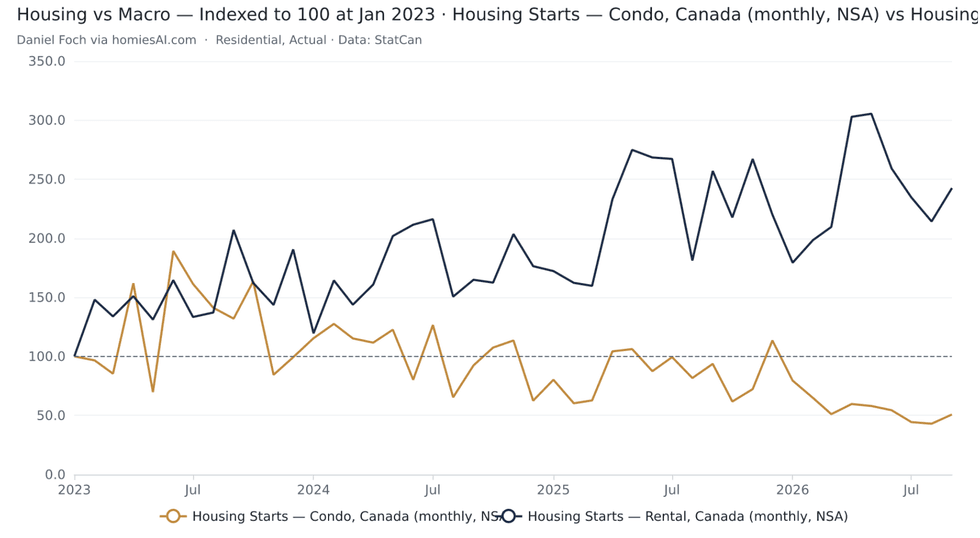 Chart: Condo vs rental housing starts, Canada, indexed to January 2023. Daniel Foch via homiesai.com/stats. Data: CMHC via Statistics Canada.
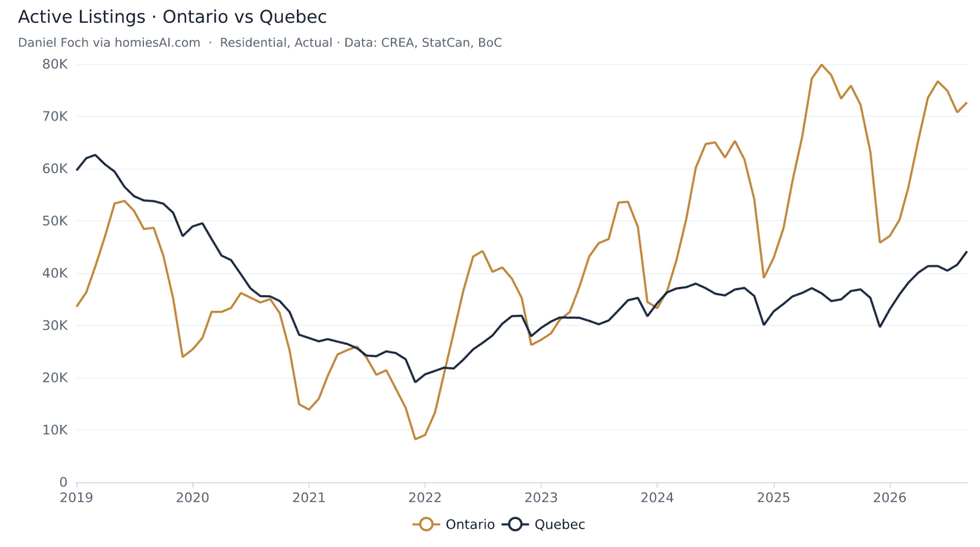 Chart: Active residential listings, Ontario vs Quebec. Daniel Foch via homiesai.com/stats. Data: CREA.

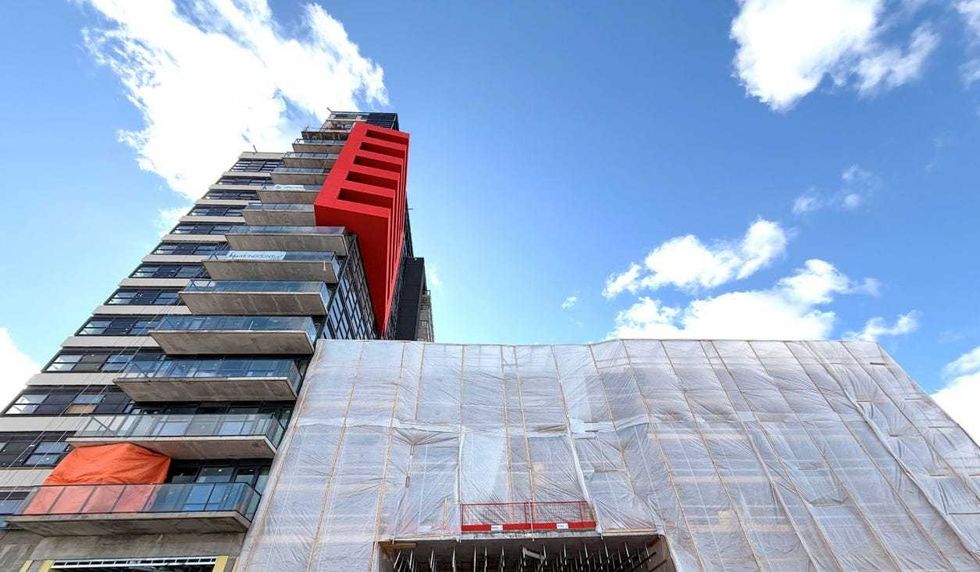 The Highlight of Mississauga as of March 2026. (Grant Thornton)

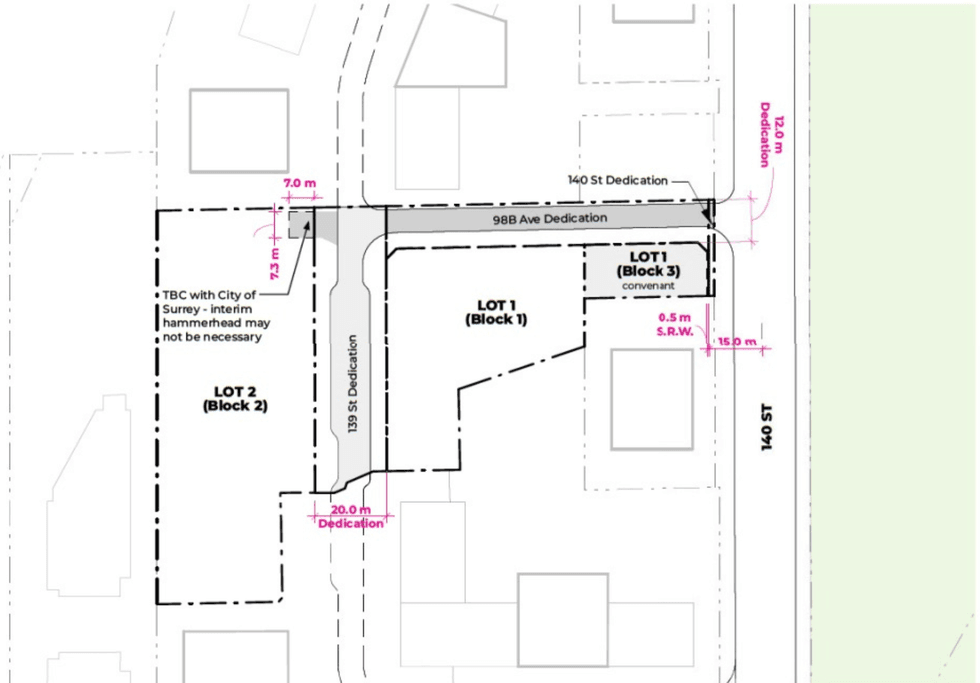 9883 140 Street and the proposed road dedications. (WW+P Architects, Entre Nous Femmes Housing Society)
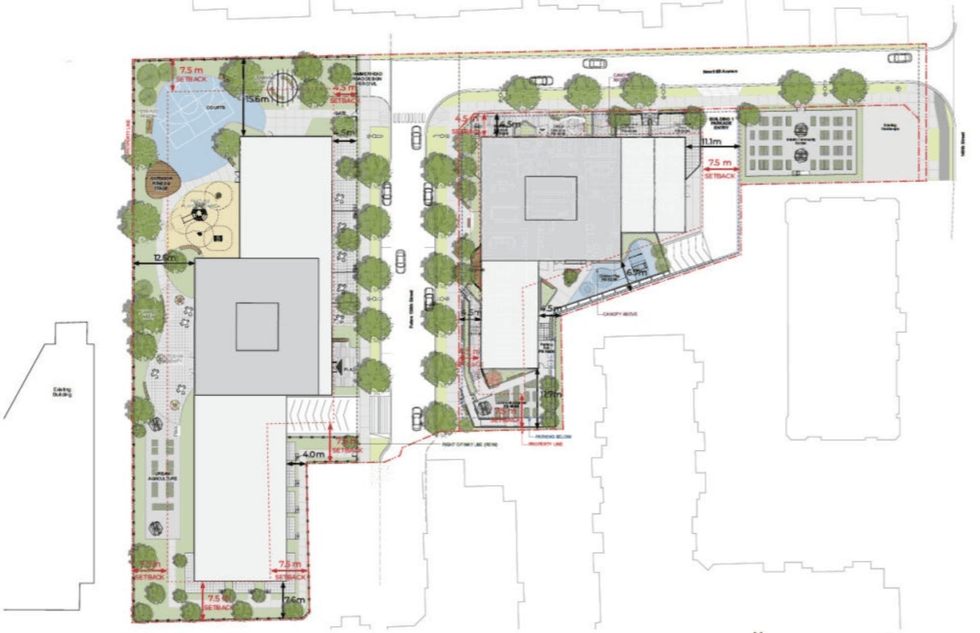 The
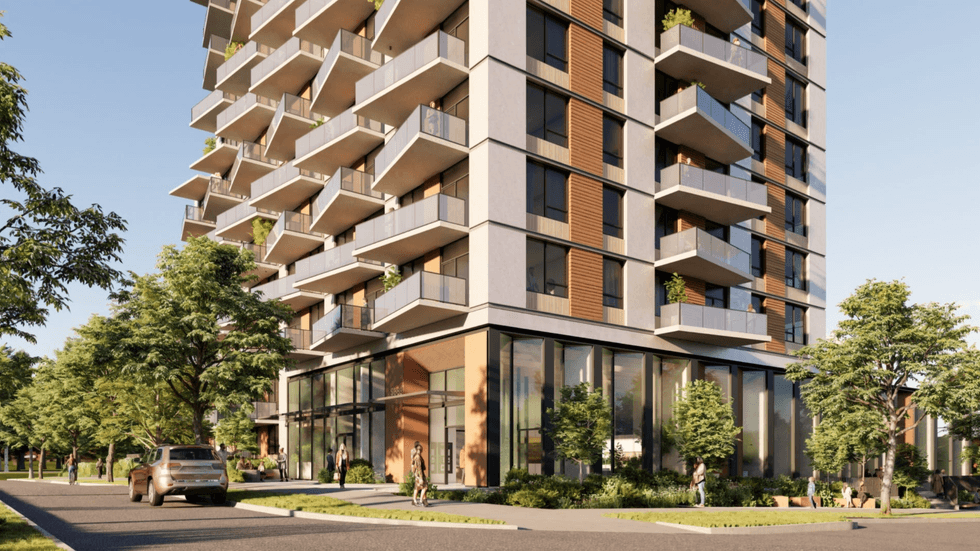 One of the towers proposed for 9883 140 Street. (Entres Nous Femmes Housing Society)

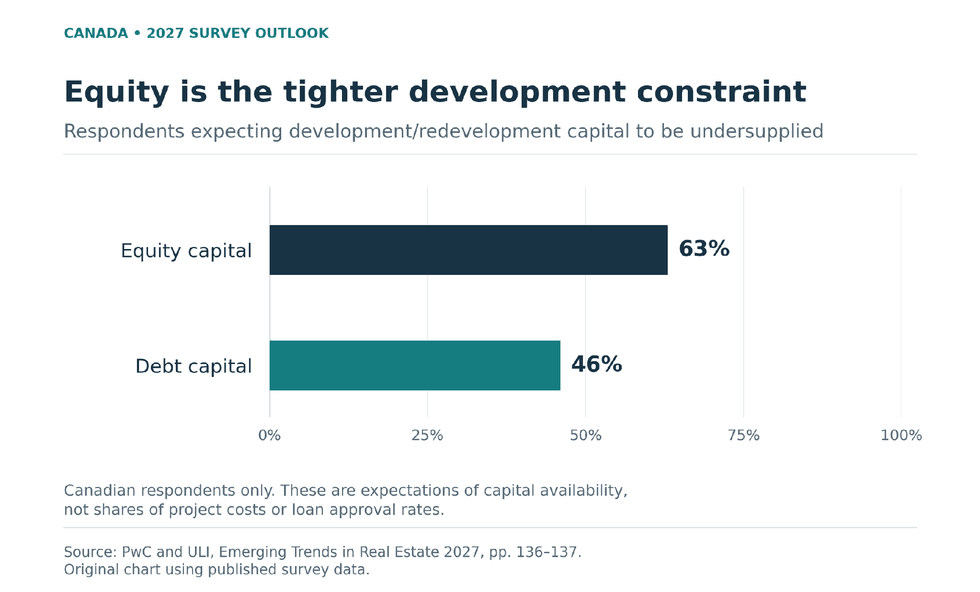 Canadian respondents were more likely to expect an undersupply of development/redevelopment equity capital (63%) than debt capital (46%) in 2027. These are survey expectations, not measured financing volumes. Source: PwC and ULI, Emerging Trends in Real Estate 2027, pp. 136–137. Original chart.
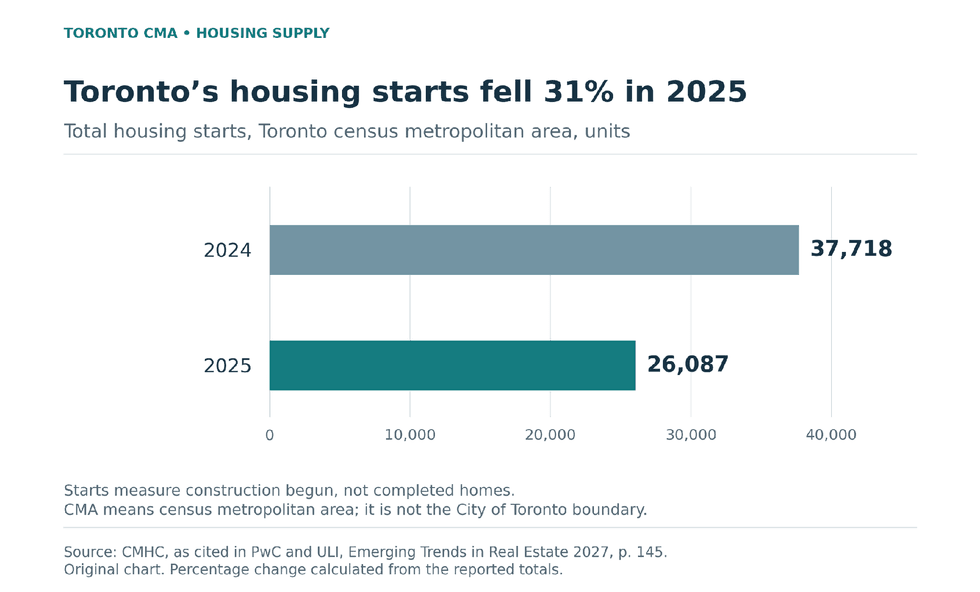 Toronto census metropolitan area housing starts fell from 37,718 units in 2024 to 26,087 in 2025, a 30.8% decline (rounded to 31%). Starts measure construction begun, not completed homes. Source: CMHC, as cited in PwC and ULI, Emerging Trends in Real Estate 2027, p. 145. Original chart.


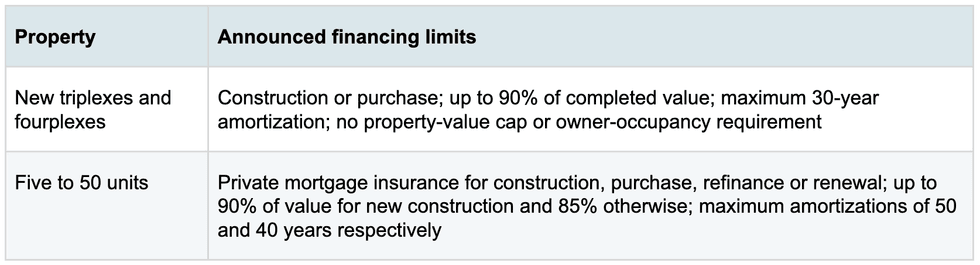
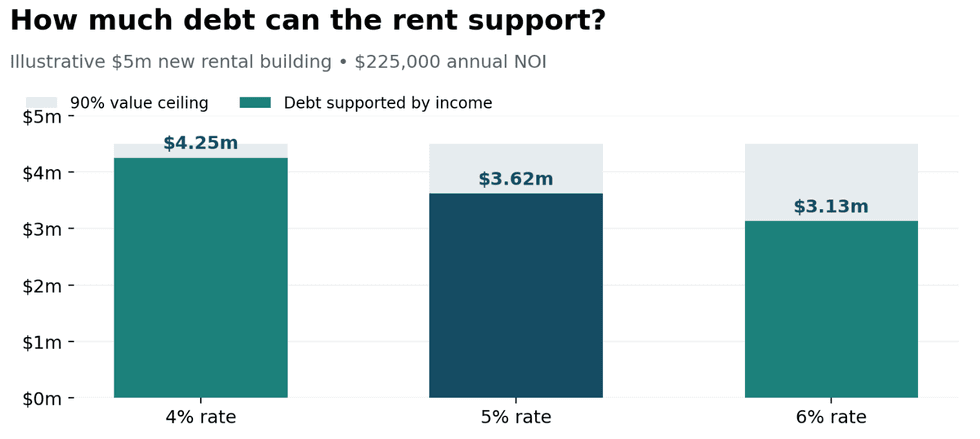 Illustrative calculation: a $4.5-million value ceiling versus income-based capacity of about $4.25 million at 4%, $3.62 million at 5% and $3.13 million at 6%. Assumes 50-year amortization and 1.15 debt coverage.
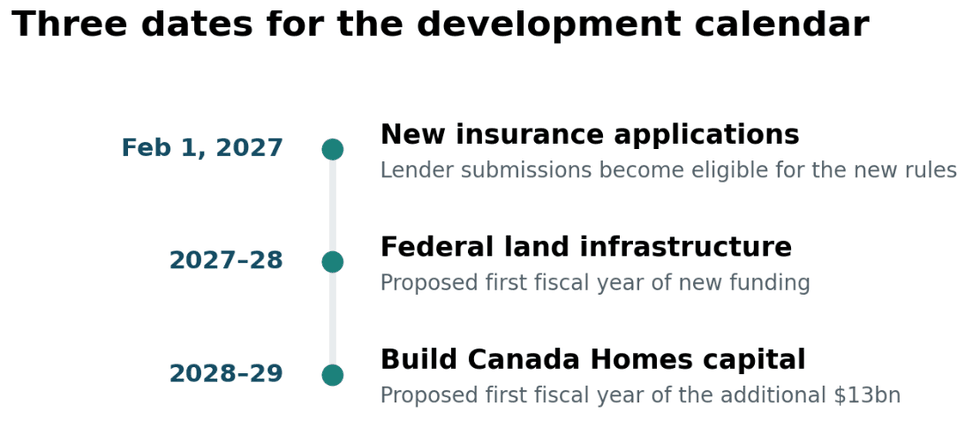 Source: Department of Finance missing-middle backgrounder and Budget 2026 Chapter 3, November 5, 2026. Fiscal-year funding starts are not home-completion dates.