Mortgage Syndication
Mortgage syndication pools funds from multiple lenders to finance large projects, spreading risk and enabling development.

September 30, 2025
What is Mortgage Syndication?
Mortgage syndication is when multiple lenders pool funds to finance a single large mortgage loan. It spreads risk across participants and enables financing for large-scale developments.
Why Mortgage Syndication Matters in Real Estate
It matters in real estate because syndicated mortgages provide funding for projects that exceed the capacity of individual lenders. However, they require regulatory oversight and can carry investor risks if projects fail.
Example of Mortgage Syndication in Action
A developer secures a $50 million syndicated mortgage from a group of lenders to finance a new office tower.
Key Takeaways
- Involves multiple lenders financing a single mortgage.
- Enables large-scale project financing.
- Spreads risk among participating lenders.
- Common in commercial and development projects.
- Requires careful regulation and investor protection.
Related Terms
- Construction Loan
- Commercial Mortgage
- Private Lending
- Joint Venture
- Real Estate Investment Trust (REIT)

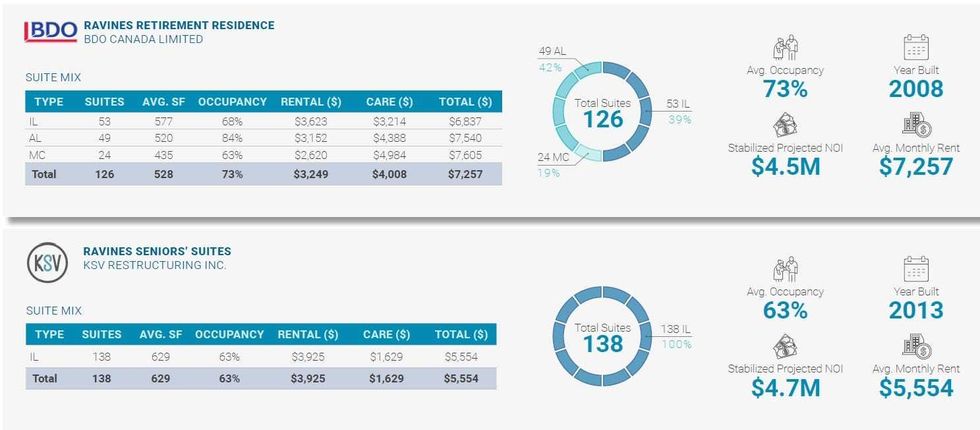 An overview of the two Ravine buildings. (Newmark)
 95 Clegg Road in Markham, Ontario. (Colliers)
 95 Clegg Road (centre) in Markham, Ontario. (Colliers)







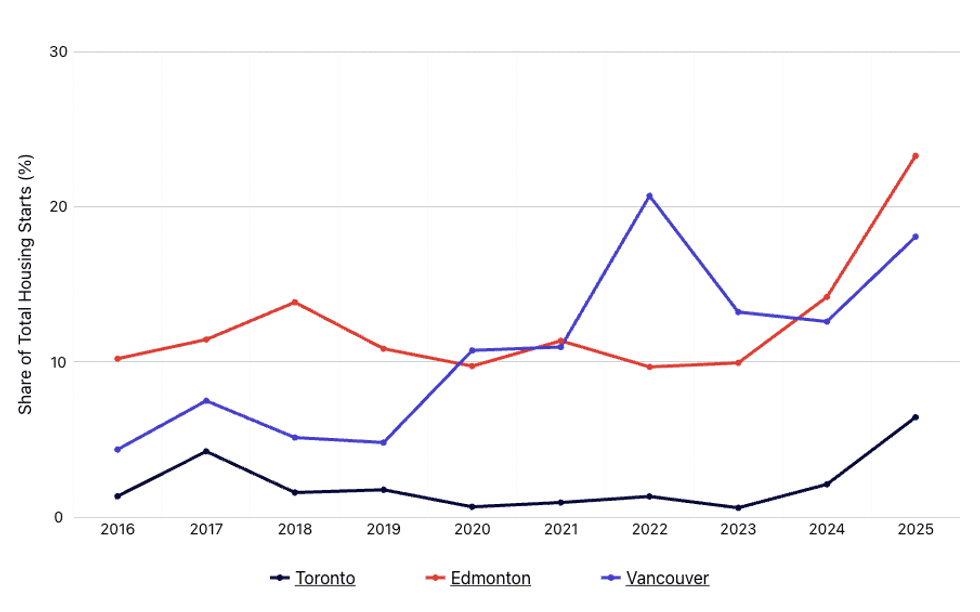 Small-scale infill share of housing starts in Toronto, Vancouver, and Edmonton/CMHC
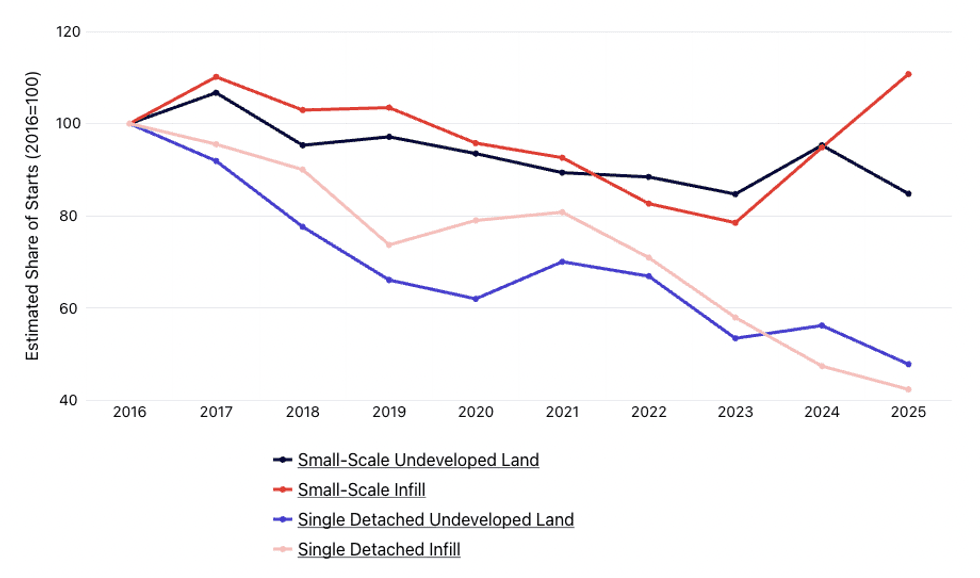 Housing starts for one to eight unit developments/CMHC

 An overview of Hedge Road Landing. (Alliance Homes)
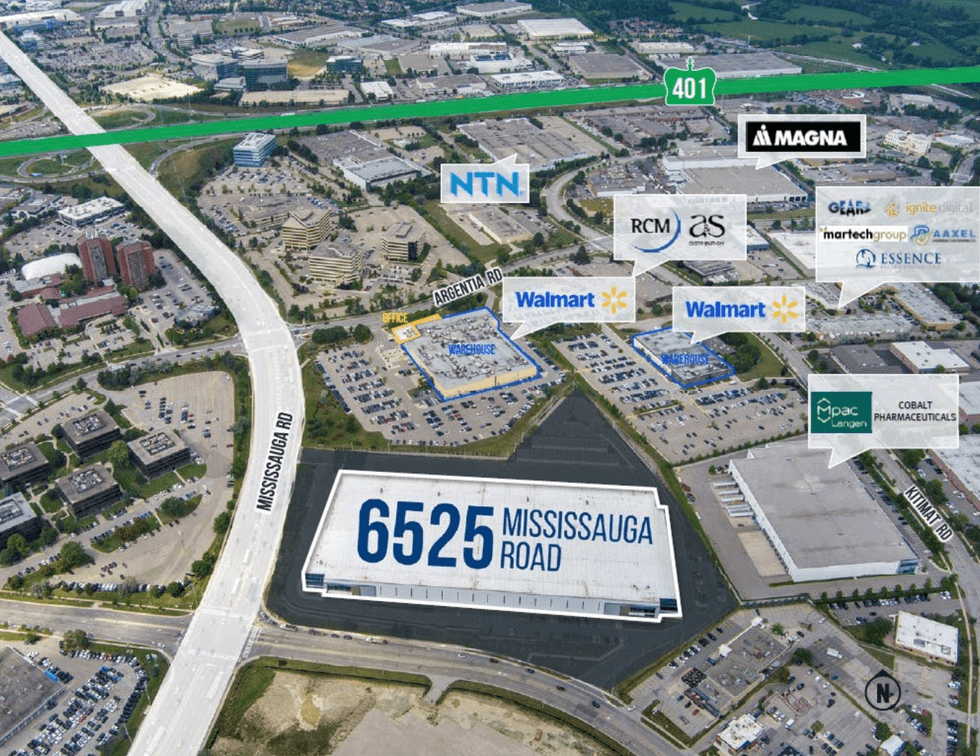 6525 Mississauga Road and its surrounding context. (RBC Capital Markets & CBRE)
 Property details for 6525 Mississauga Road. (RBC Capital Markets & CBRE)
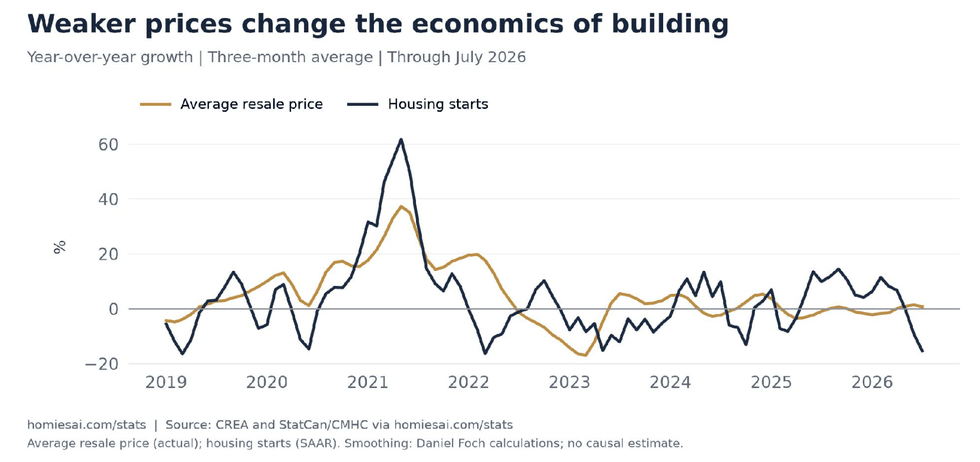 National average resale-price growth and housing-starts growth, smoothed over three months. The comparison illustrates the cycle; it does not establish how much a price change causes construction to change.
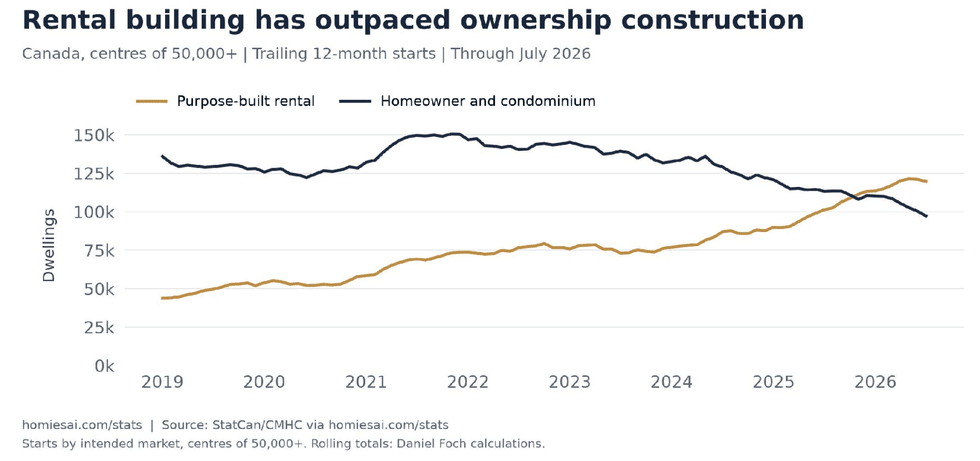 Trailing 12-month starts in centres of 50,000 or more remove the usual monthly seasonality. Ownership combines the homeowner and condominium categories; rental is shown separately.
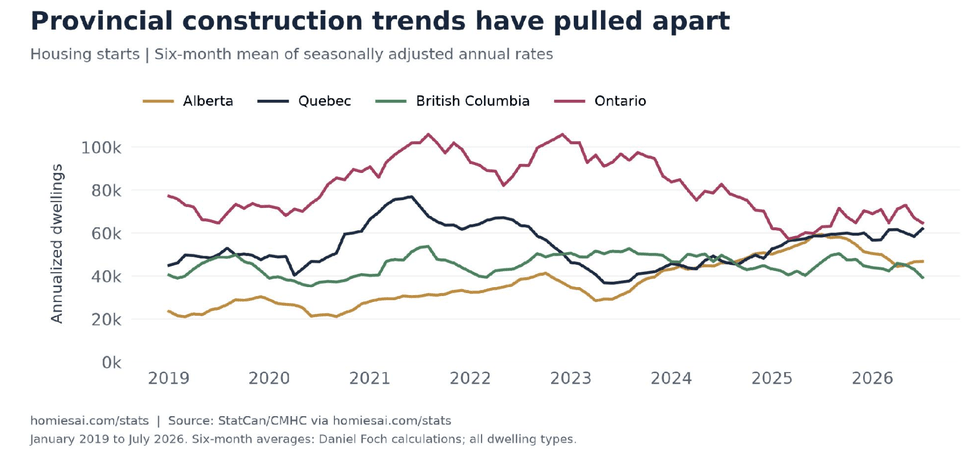 Six-month averages of provincial starts, expressed at annual rates. The smoothing reduces the influence of individual apartment projects.
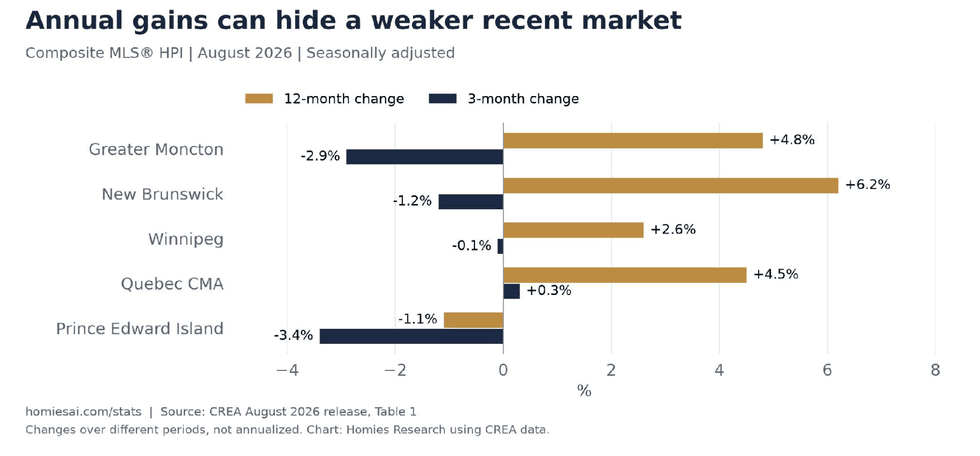 The same August benchmark compared with two different starting points. Three-month changes are not annualized.
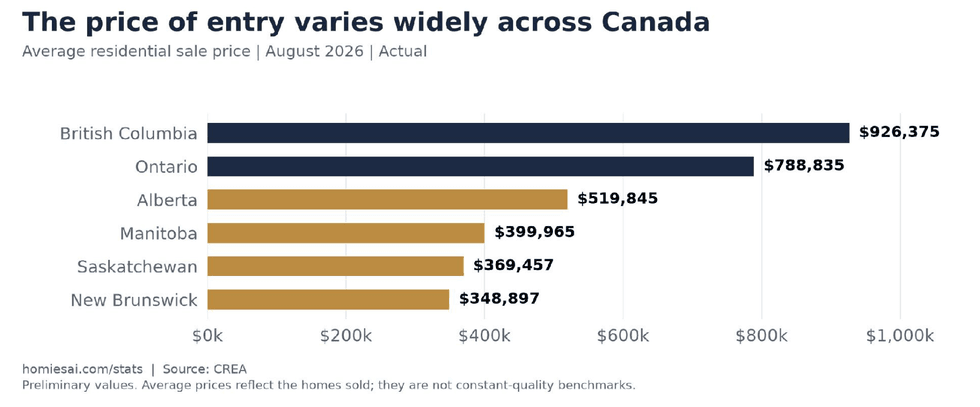 Average sale prices show the difference in purchase costs across markets. They do not measure affordability relative to local incomes or construction costs.
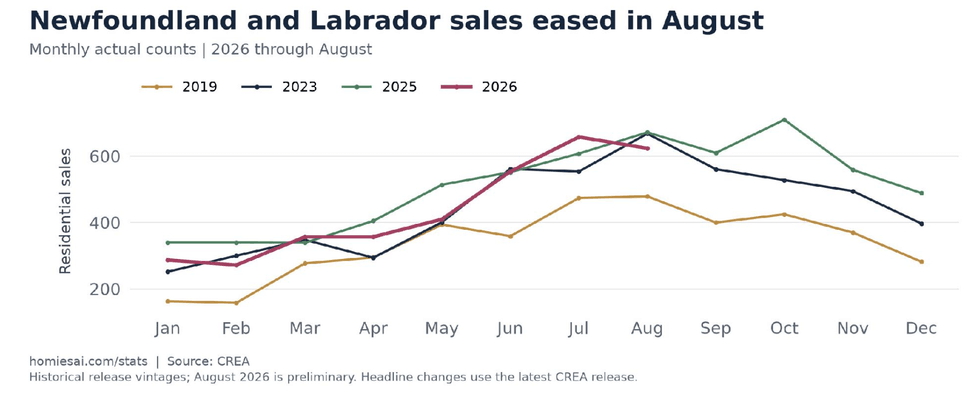 Newfoundland and Labrador remains above its pre-pandemic sales pattern, but August activity was below last year. Historical lines retain their original release vintages.