Real Estate Investment Trust (REIT)
Explore how Real Estate Investment Trusts (REITs) work in Canada, and how they offer accessible, diversified, and income-generating exposure to real estate markets.

May 22, 2025
What is a Real Estate Investment Trust (REIT)?
A Real Estate Investment Trust (REIT) is a company that owns, manages, or finances income-producing real estate and allows investors to buy shares in its portfolio.
Why Do Real Estate Investment Trusts (REITs) Matter in Real Estate
In Canada, REITs are traded on major stock exchanges and provide investors with a way to earn income from real estate without owning property directly.
Key features of REITs include:
- Diversification across properties and sectors (residential, commercial, industrial)
- Regular income via dividends
- Liquidity through publicly traded shares
- Passive real estate exposure without landlord duties
REITs are attractive to investors seeking steady income and portfolio diversification. They must distribute a significant portion of their taxable income as dividends, making them popular among income-focused investors.
Understanding REITs is essential for those looking to invest in real estate markets indirectly, whether for long-term growth or cash flow.
Example of a Real Estate Investment Trust (REIT) in Action
An investor purchases shares in a Canadian REIT that owns shopping centers and receives quarterly dividend payments based on rental income.
Key Takeaways
- Own shares in income-generating real estate.
- Offers diversification and liquidity.
- Generates income through dividends.
- Good for passive investors.
- Traded on stock exchanges like TSX.
Related Terms
- Real Estate Investing
- Dividend Stocks
- Publicly Traded Funds
- Passive Income
- Property Portfolio

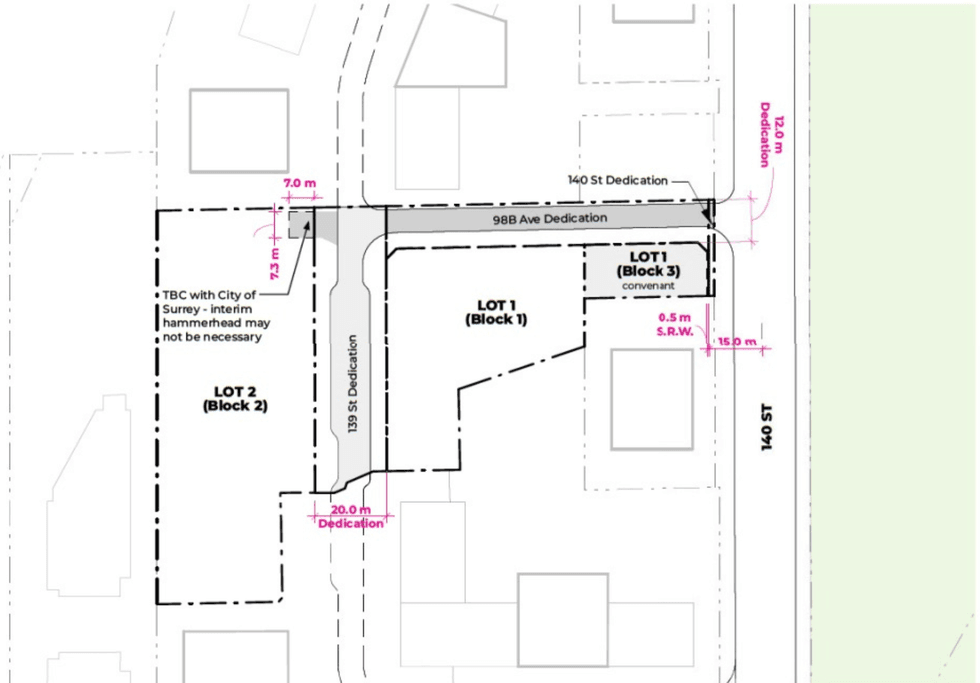 9883 140 Street and the proposed road dedications. (WW+P Architects, Entre Nous Femmes Housing Society)
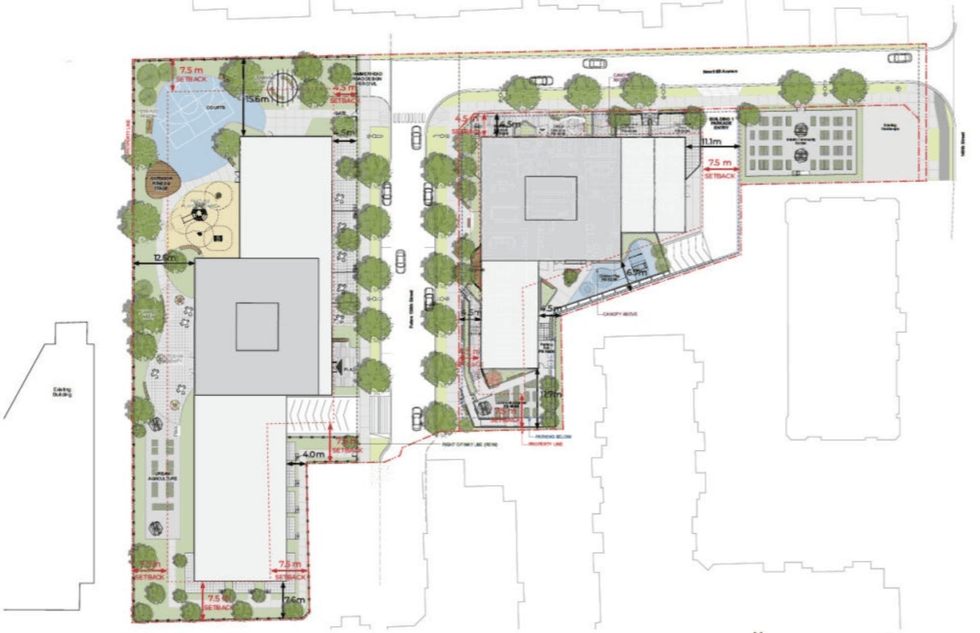 The
 One of the towers proposed for 9883 140 Street. (Entres Nous Femmes Housing Society)

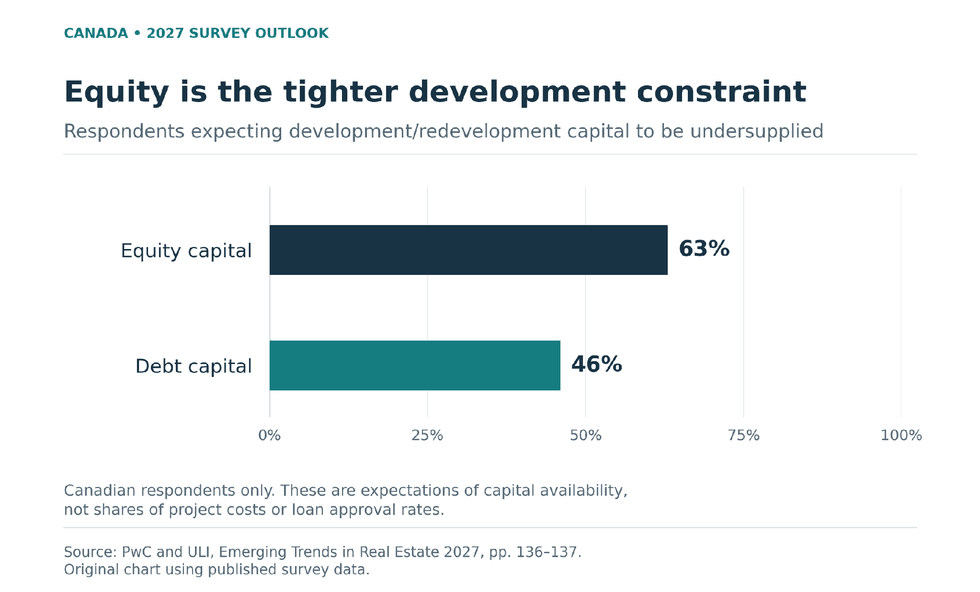 Canadian respondents were more likely to expect an undersupply of development/redevelopment equity capital (63%) than debt capital (46%) in 2027. These are survey expectations, not measured financing volumes. Source: PwC and ULI, Emerging Trends in Real Estate 2027, pp. 136–137. Original chart.
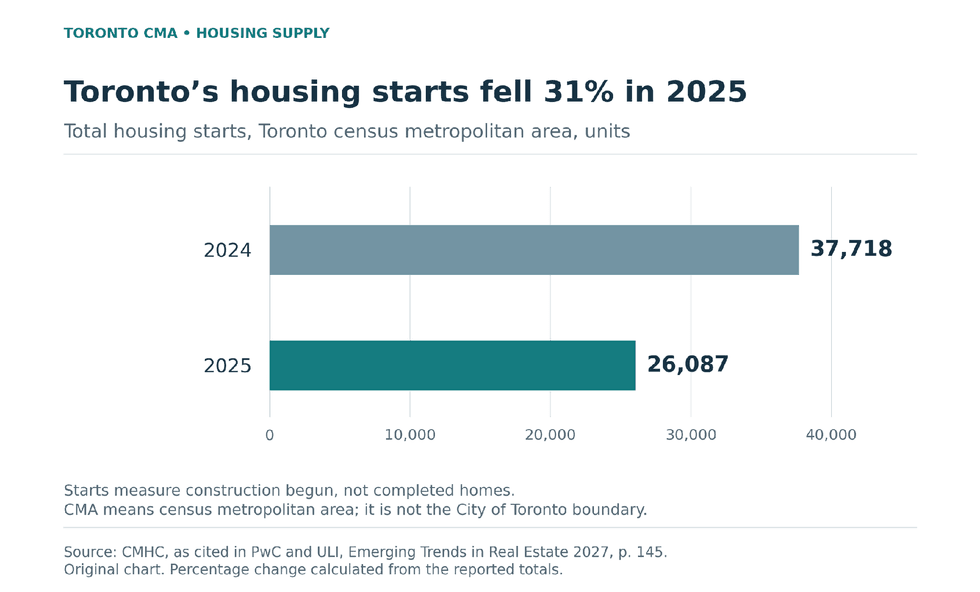 Toronto census metropolitan area housing starts fell from 37,718 units in 2024 to 26,087 in 2025, a 30.8% decline (rounded to 31%). Starts measure construction begun, not completed homes. Source: CMHC, as cited in PwC and ULI, Emerging Trends in Real Estate 2027, p. 145. Original chart.









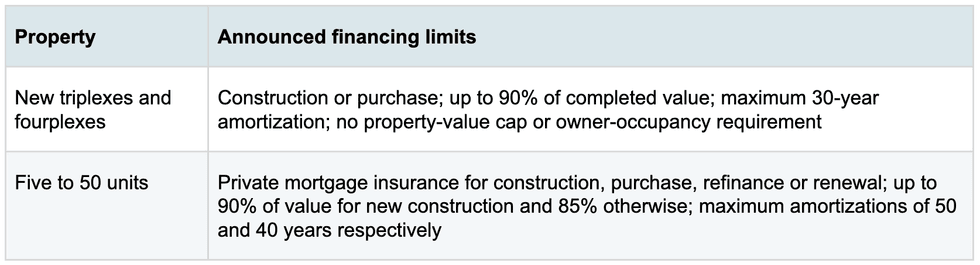
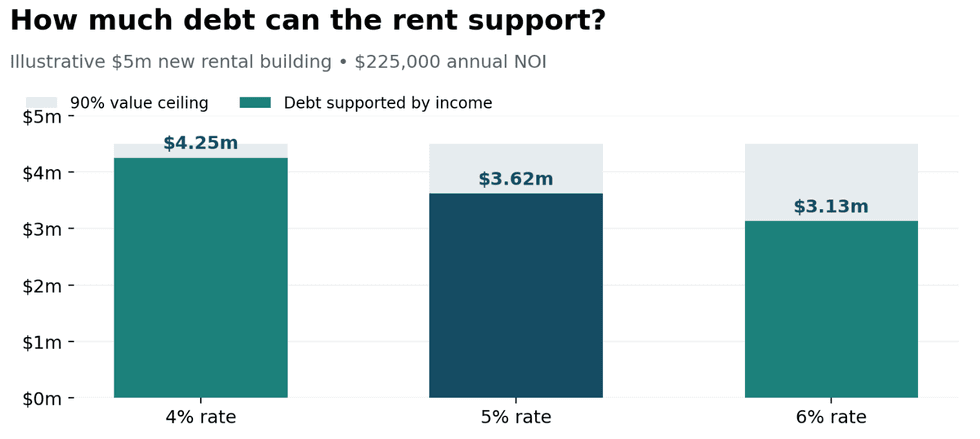 Illustrative calculation: a $4.5-million value ceiling versus income-based capacity of about $4.25 million at 4%, $3.62 million at 5% and $3.13 million at 6%. Assumes 50-year amortization and 1.15 debt coverage.
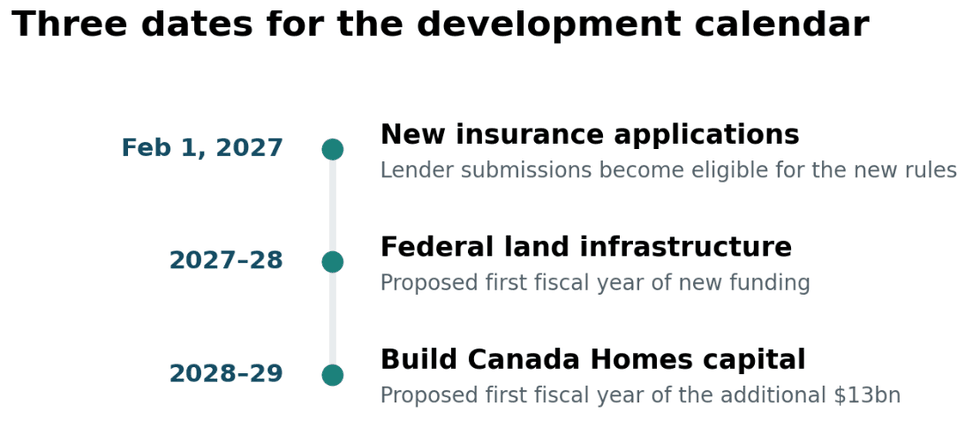 Source: Department of Finance missing-middle backgrounder and Budget 2026 Chapter 3, November 5, 2026. Fiscal-year funding starts are not home-completion dates.