Liability Coverage
Discover what liability coverage is in Canadian real estate, what it protects against, and why it’s essential in home insurance policies.

May 22, 2025
What is Liability Coverage?
Liability coverage is a component of home insurance that protects homeowners against financial loss if someone is injured on their property or if the homeowner is found legally responsible for damages to others.
Why Liability Coverage Matters in Real Estate
In Canadian real estate, liability coverage is essential for protecting against personal injury claims or accidental property damage. It is included in standard home insurance policies and may also be relevant in rental property or commercial ownership contexts.
Liability insurance typically covers:- Legal fees and court costs
- Medical expenses for injured parties
- Settlements or judgments awarded to claimants
Typical policies include $1 million to $2 million in coverage, with options for higher limits depending on the property and exposure to risk.
Understanding liability coverage ensures homeowners are protected from lawsuits and unexpected financial loss due to incidents occurring on or because of their property.
Example of Liability Coverage in Action
A delivery driver slips on an icy walkway and breaks their arm. The homeowner’s liability coverage pays for medical costs and legal fees after a lawsuit is filed.
Key Takeaways
- Covers injury or damage caused by the property owner.
- Included in standard home insurance.
- Pays for legal and medical expenses.
- Helps mitigate legal risks.
- Essential for homeowners and landlords.
Related Terms
- Home Insurance
- Legal Liability
- Personal Injury
- Property Protection
- Risk Management
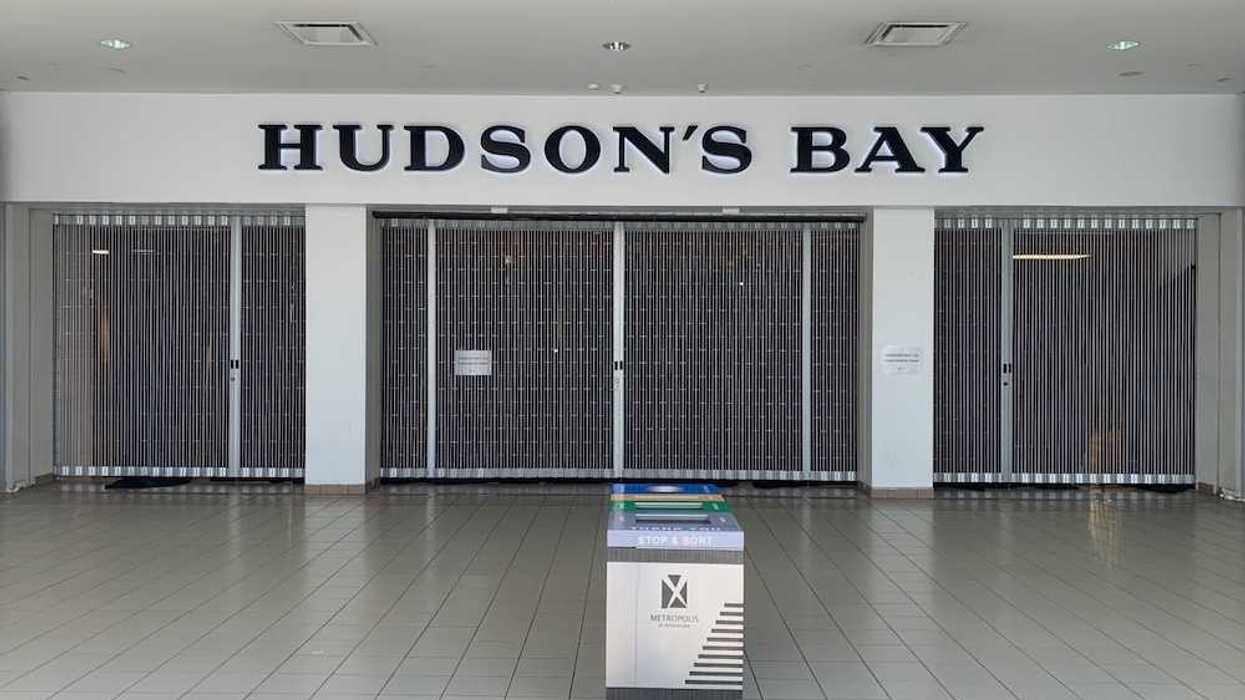
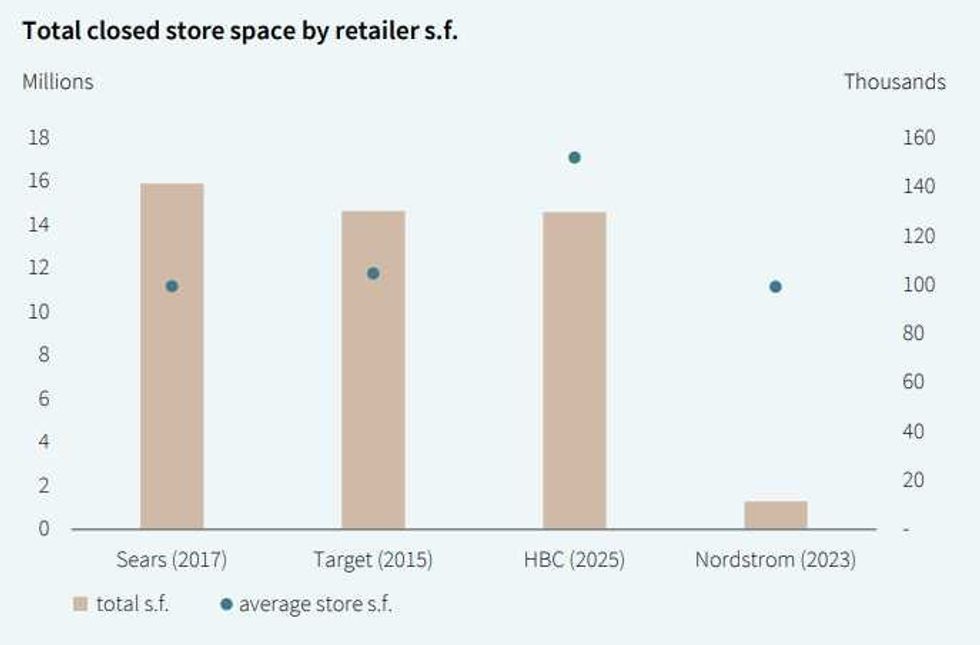 Hudson’s Bay vacated about as much space as Target did in 2015. (JLL)
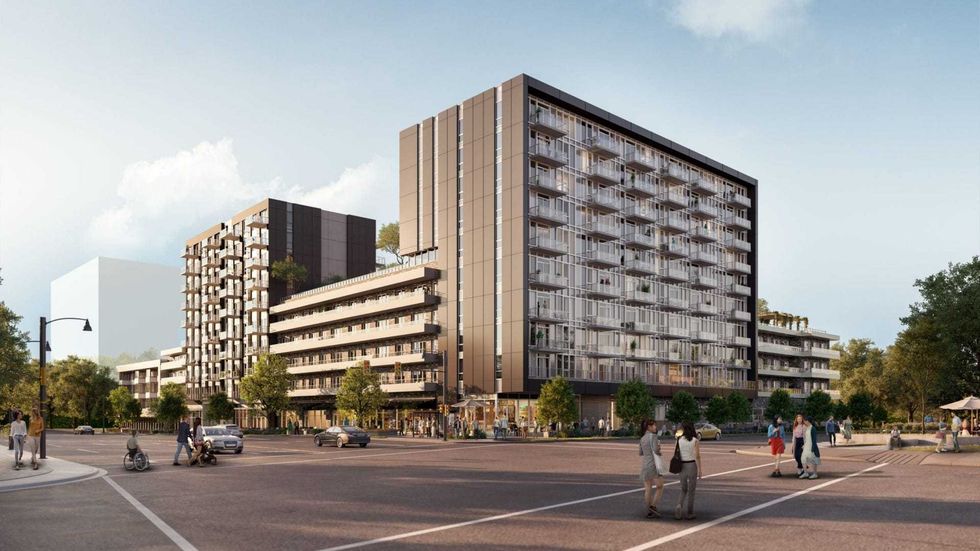 A rendering of Frame in East Vancouver. (Peterson)
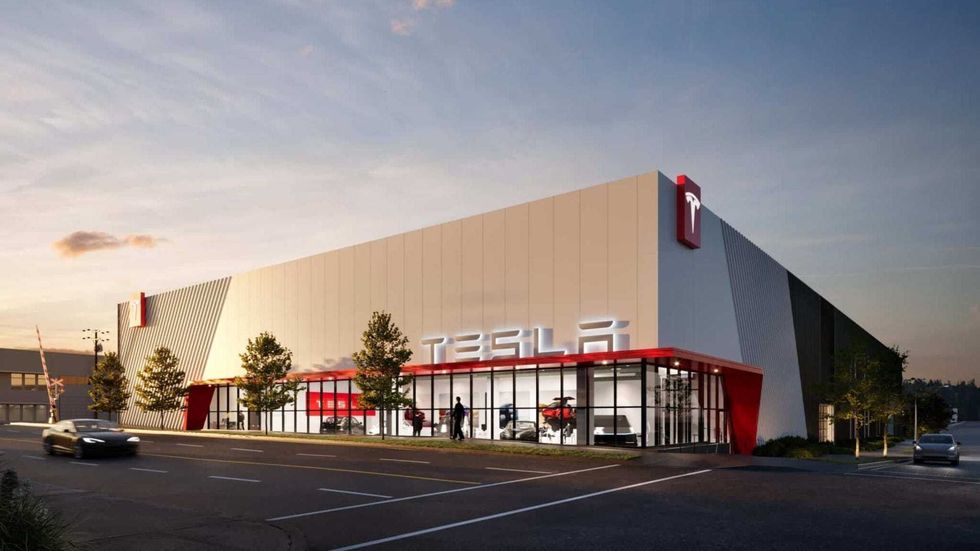 The Tesla facility set for 908 Raymur Avenue in Vancouver. (Beedie)
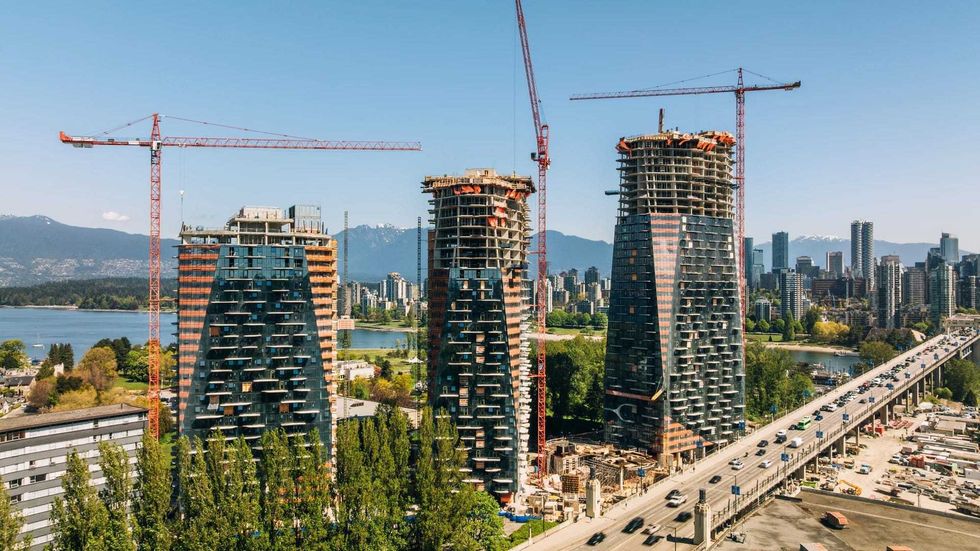 Phase One of Sen̓áḵw in Summer 2025. (OPTrust, Nch’ḵay̓)
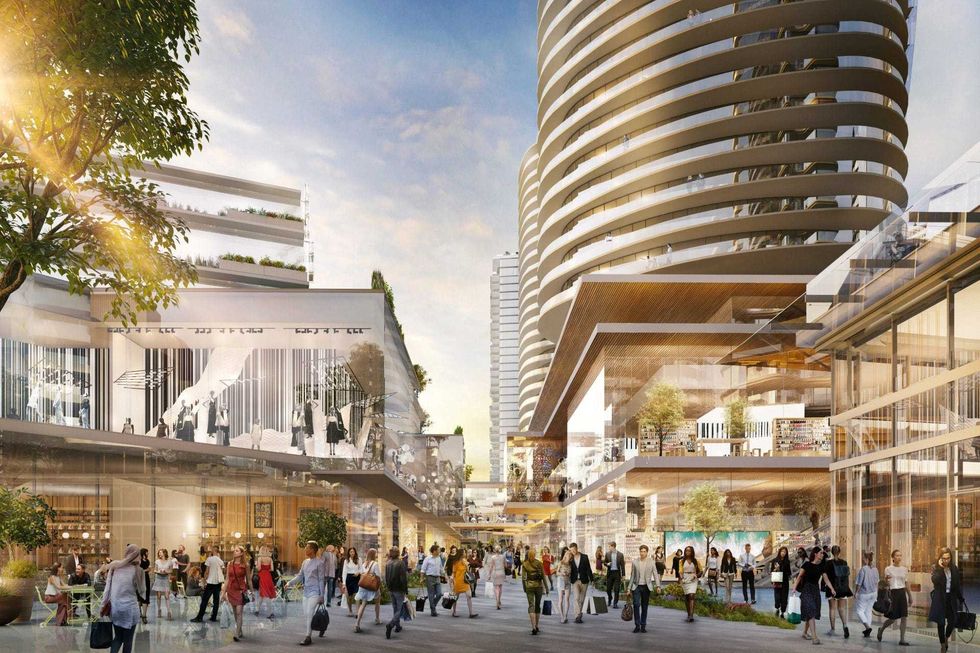 (QuadReal Property Group, Westbank)
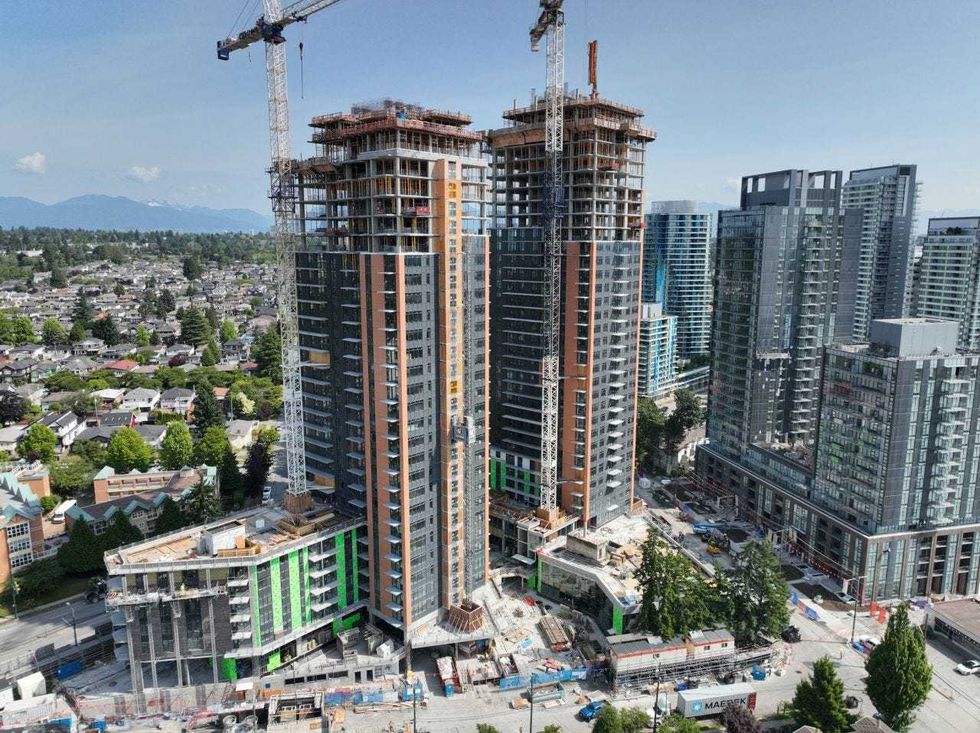 The two-tower Cascades project under construction in mid-2025. (Ledcor)
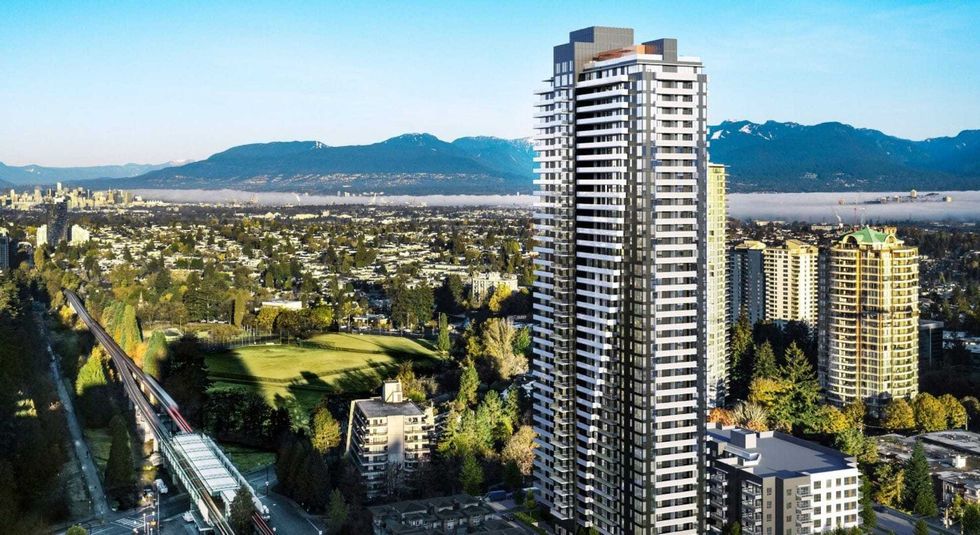 A rendering of Perla near Central Park. (Polygon Homes)
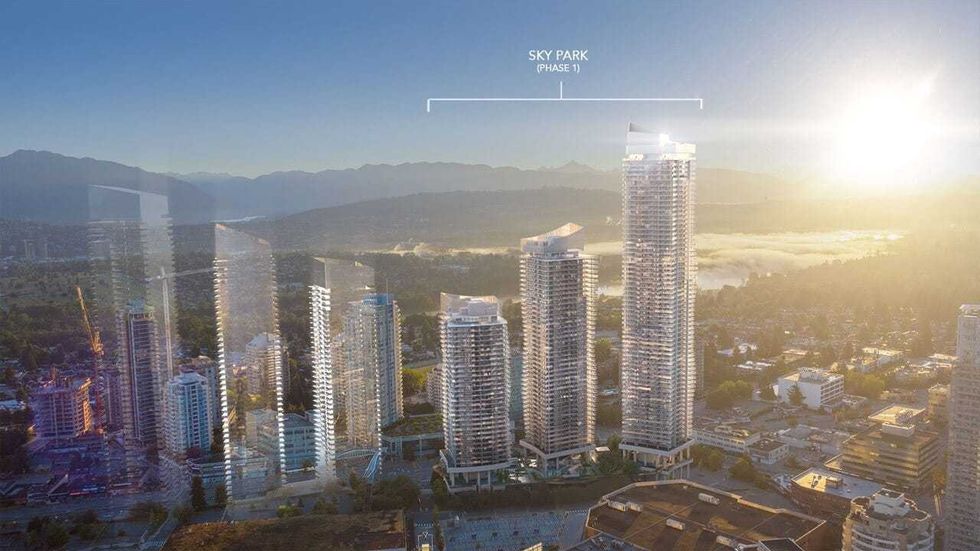 Phase One of Concord Metrotown is located at the corner of Kingsway and Nelson Avenue in Burnaby. (Concord Pacific)
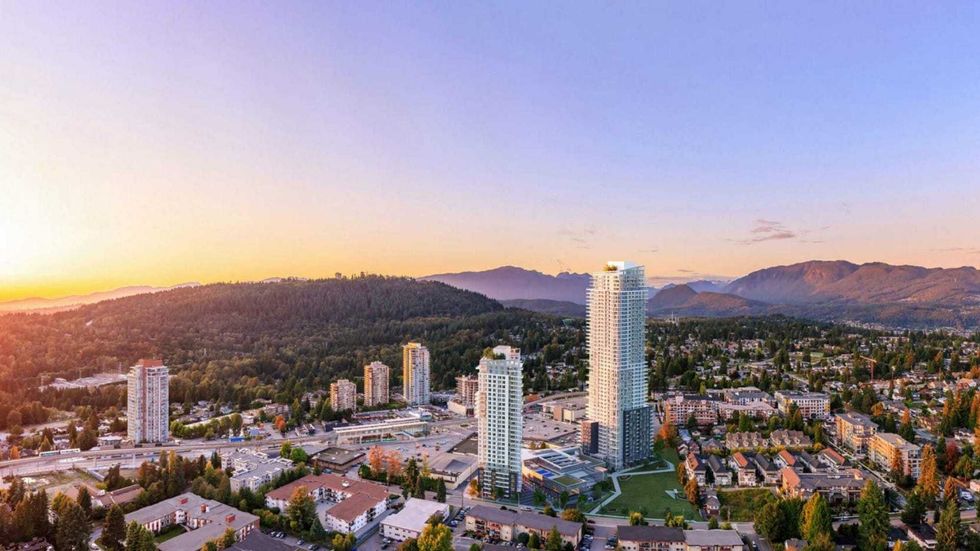 Myriad will complete Concert Properties’ Heart of Burquitlam community. (Concert Properties)
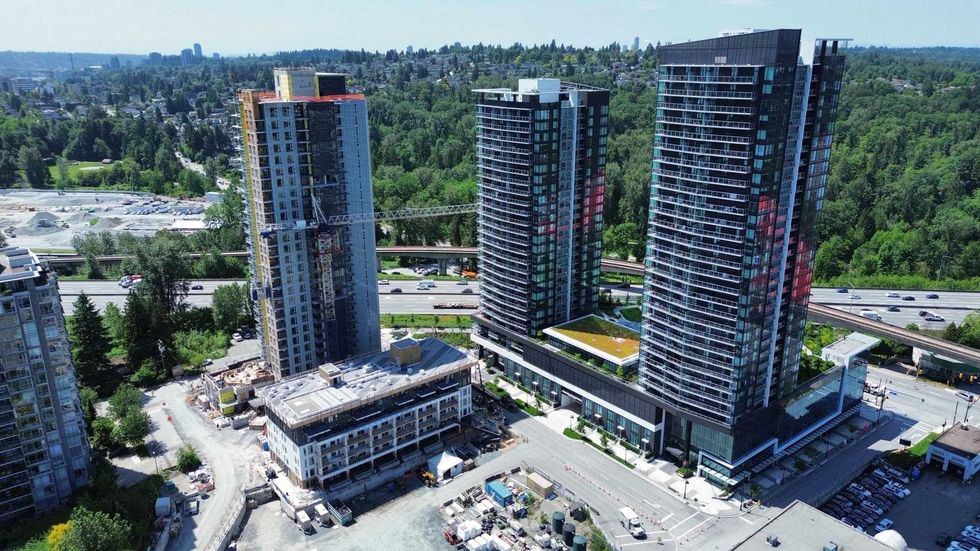 SOCO 2 (left) in Coquitlam. (Drew Powell, LinkedIn)
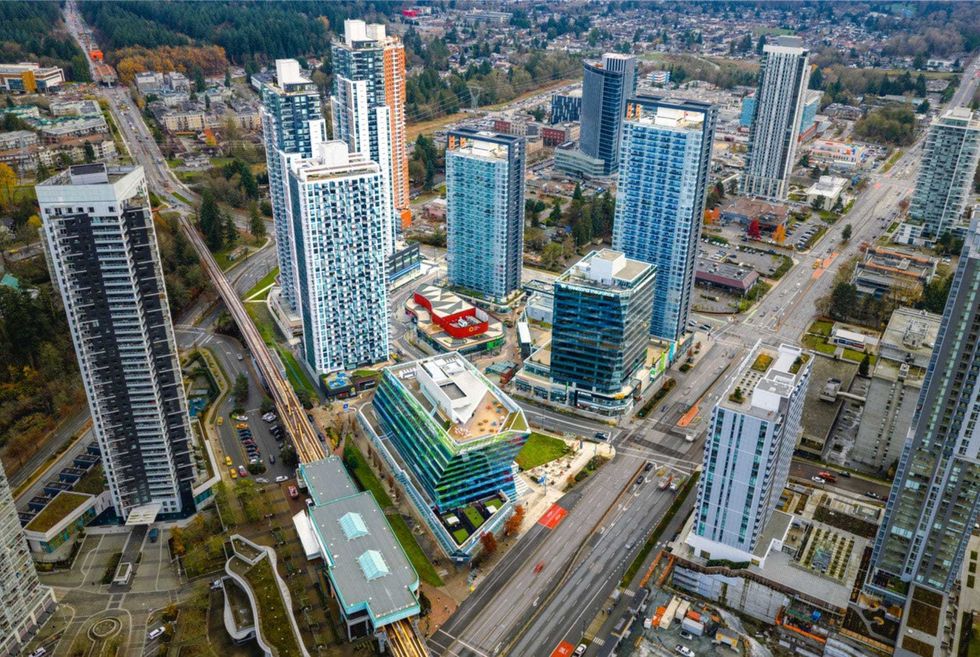 King George Hub in Surrey. (Submitted by PCI Developments)

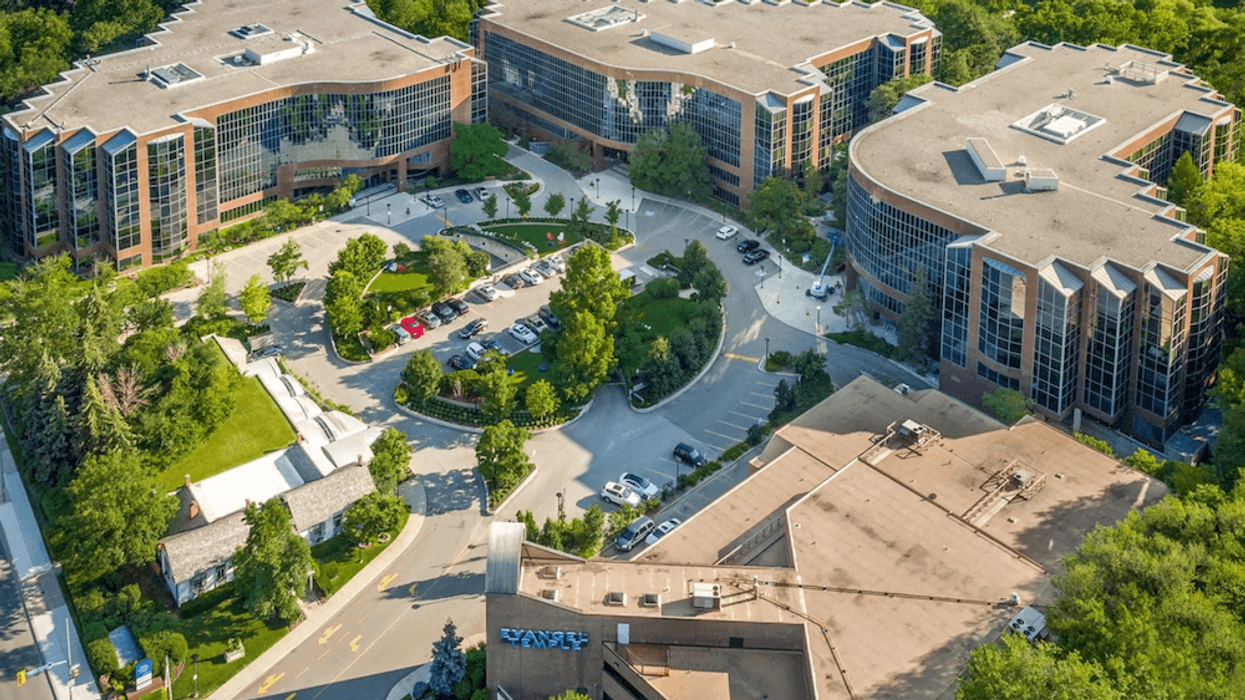
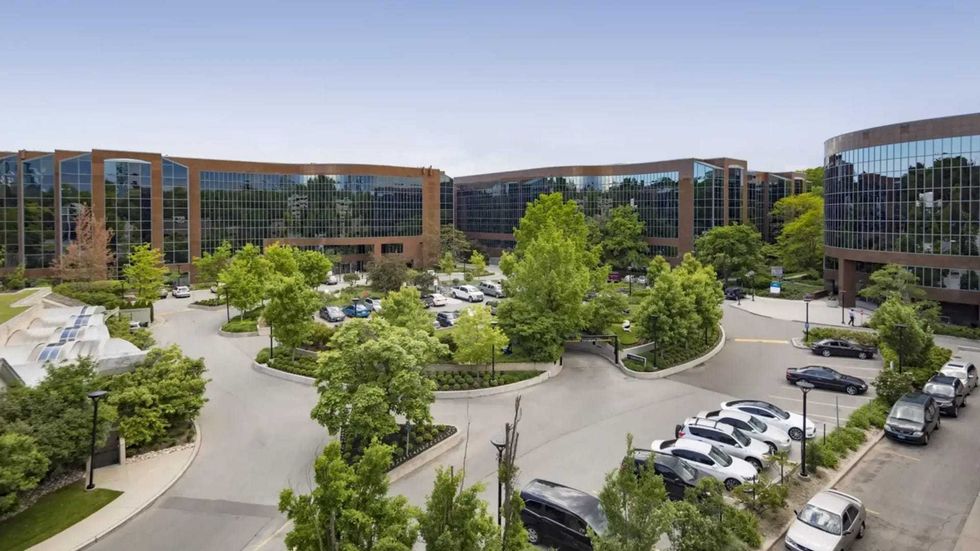 The Yonge Corporate Centre at 4100-4150 Yonge Street. (Europro)

 Jon Sailer

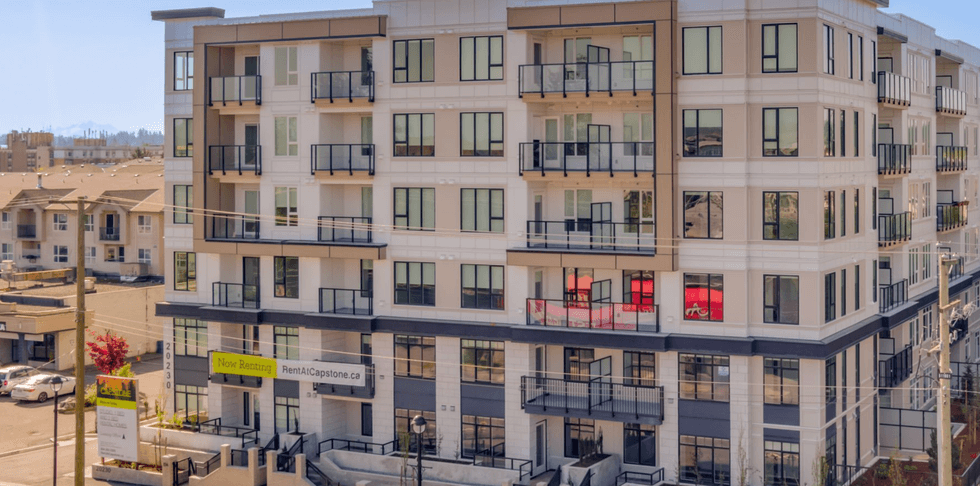 Pennyfarthing's The Capstone, Langley (pennyfarthinghomes.ca)
 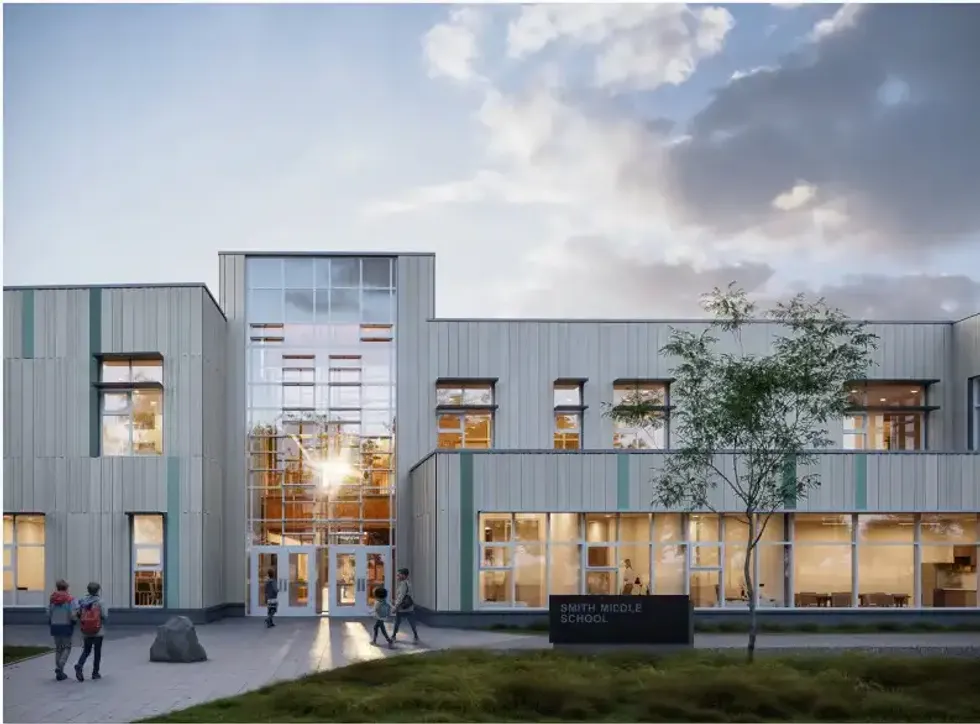 Rendering for MAKE Projects' Smith Campus Middle and Secondary School (makeprojects.ca)
 Rendering for STRYKE's Innovation District