Personal Injury
Understand personal injury in Canadian real estate — what it includes, how to protect against liability, and the role of insurance in managing risks.

May 22, 2025
What is Personal Injury?
Personal injury in real estate refers to bodily harm sustained by a visitor, tenant, or service provider on or because of a property.
Why Personal Injury Matters in Real Estate
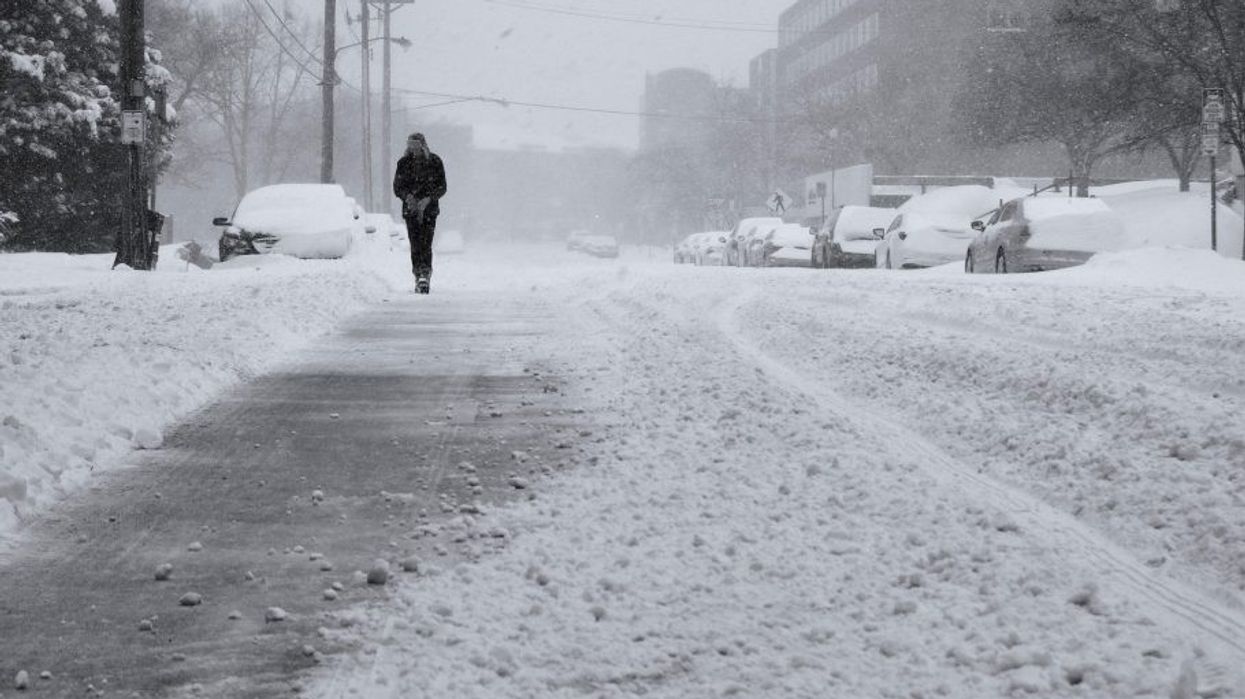
In Canadian real estate, personal injury claims can arise from unsafe conditions such as icy walkways, loose handrails, or poor lighting. Property owners may be held legally liable if negligence is proven.
Examples of personal injury incidents include:
- Slip and falls on unshoveled sidewalks
- Trips on broken steps or walkways
- Injuries from falling debris or unsecured fixtures
Liability coverage within home insurance helps protect homeowners against legal costs and damages from such claims. Landlords and property managers also carry liability insurance to protect against tenant or visitor injury lawsuits.
Understanding personal injury risks allows homeowners and landlords to mitigate liability and ensure safe living conditions.
Example of Personal Injury in Action
A tenant’s guest breaks their ankle after slipping on an icy stairwell. The property owner is found liable and the insurance policy covers the settlement.
Key Takeaways
- Involves injury occurring on property grounds.
- Can lead to lawsuits and financial liability.
- Covered by liability insurance.
- Landlords must maintain safe conditions.
- Risk increases with negligence.
Related Terms
- Liability Coverage
- Home Insurance
- Legal Liability
- Property Protection
- Risk Management






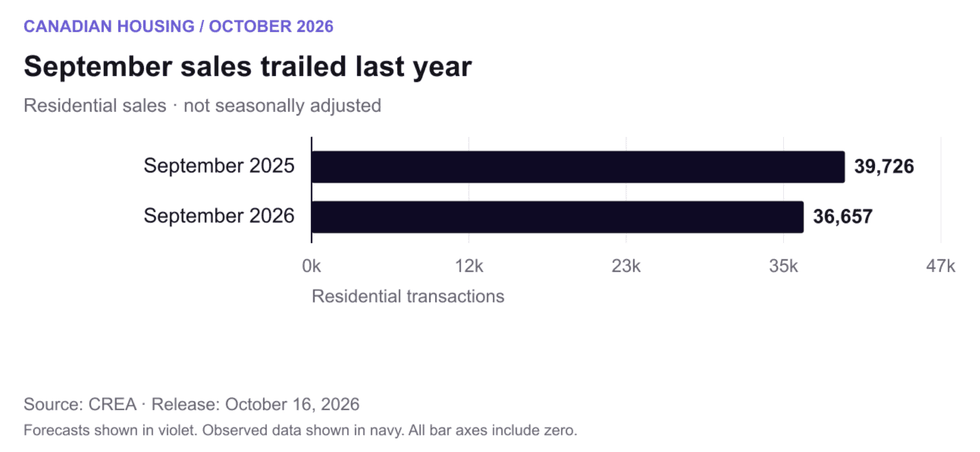 September residential sales, not seasonally adjusted; the annual comparison uses CREA’s revised figures. Chart:
 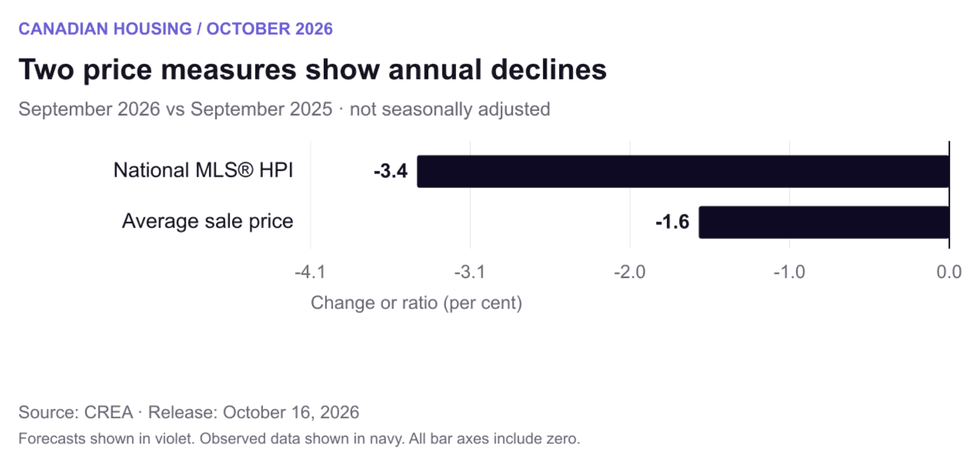 Annual changes in the unadjusted national MLS® HPI and average sale price. The average is affected by the mix of transactions. Chart:
 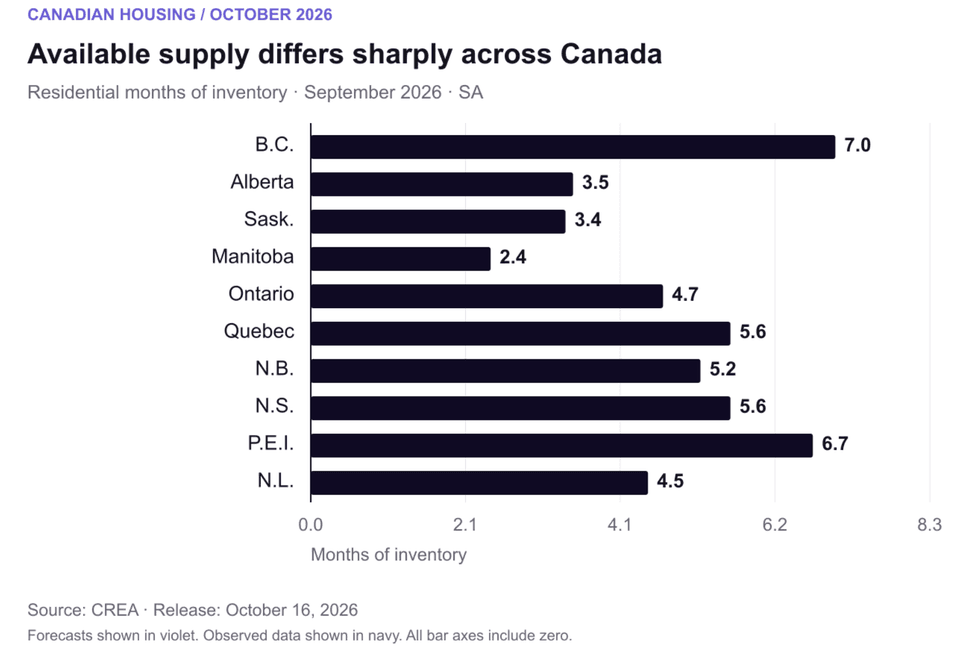 Seasonally adjusted residential months of inventory by province. Local property types can differ substantially. Chart:
 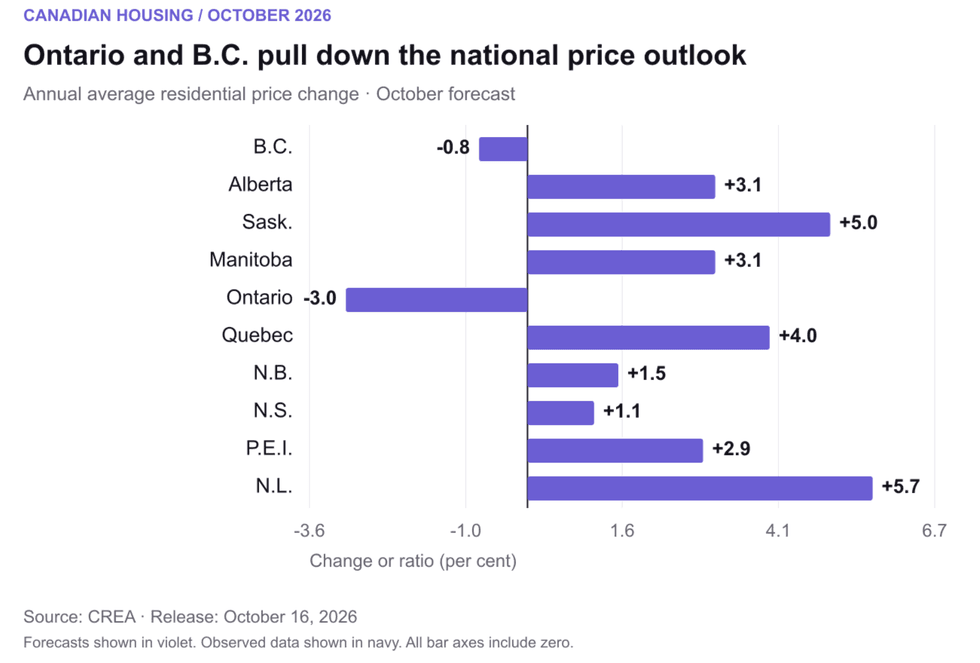 Ontario and B.C. are the two provinces with forecast annual average-price declines in 2026. Chart:
 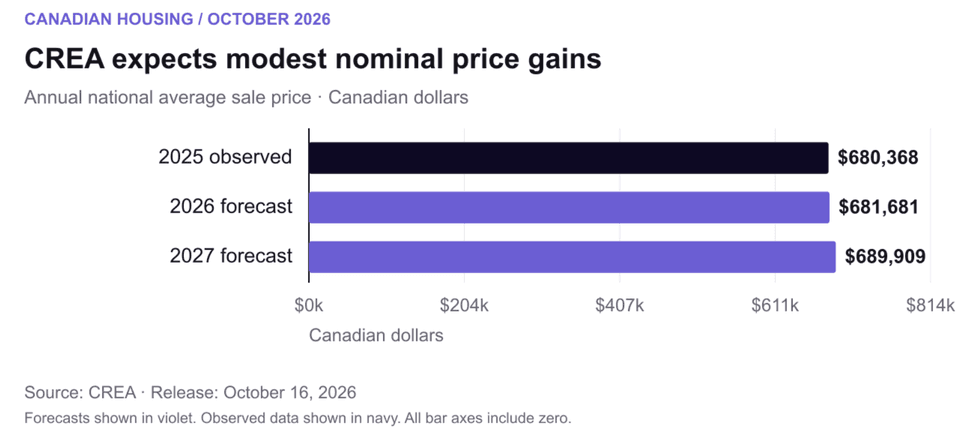 Annual average transaction prices in Canadian dollars. Forecast values are not December price targets. Chart:
 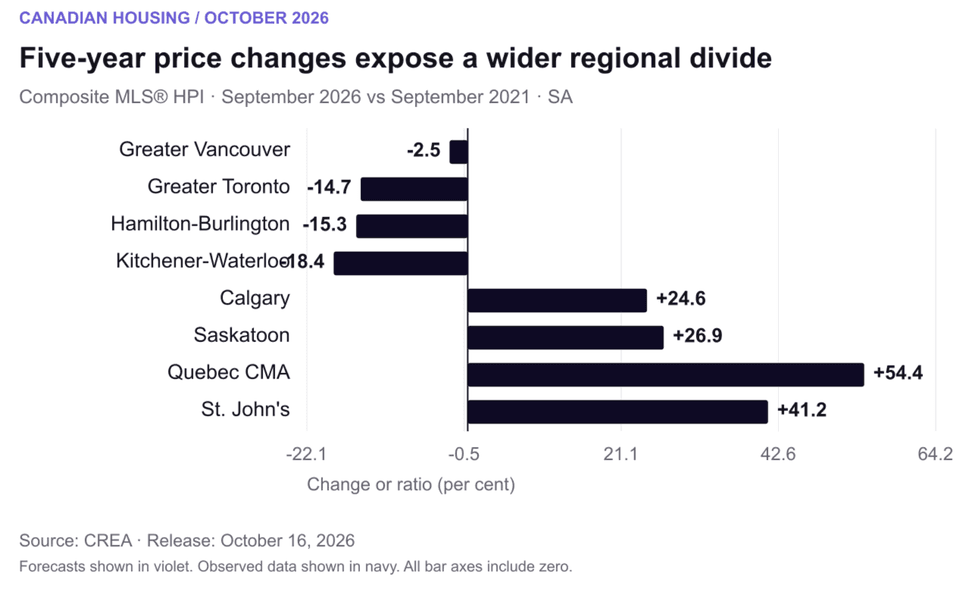 Five-year changes in seasonally adjusted composite MLS® HPI benchmarks, September 2021 to September 2026. Chart: