Commercial Property
Explore commercial property in Canadian real estate — what it includes, how it differs from residential, and what to know as an investor or tenant.

June 09, 2025
What is Commercial Property?
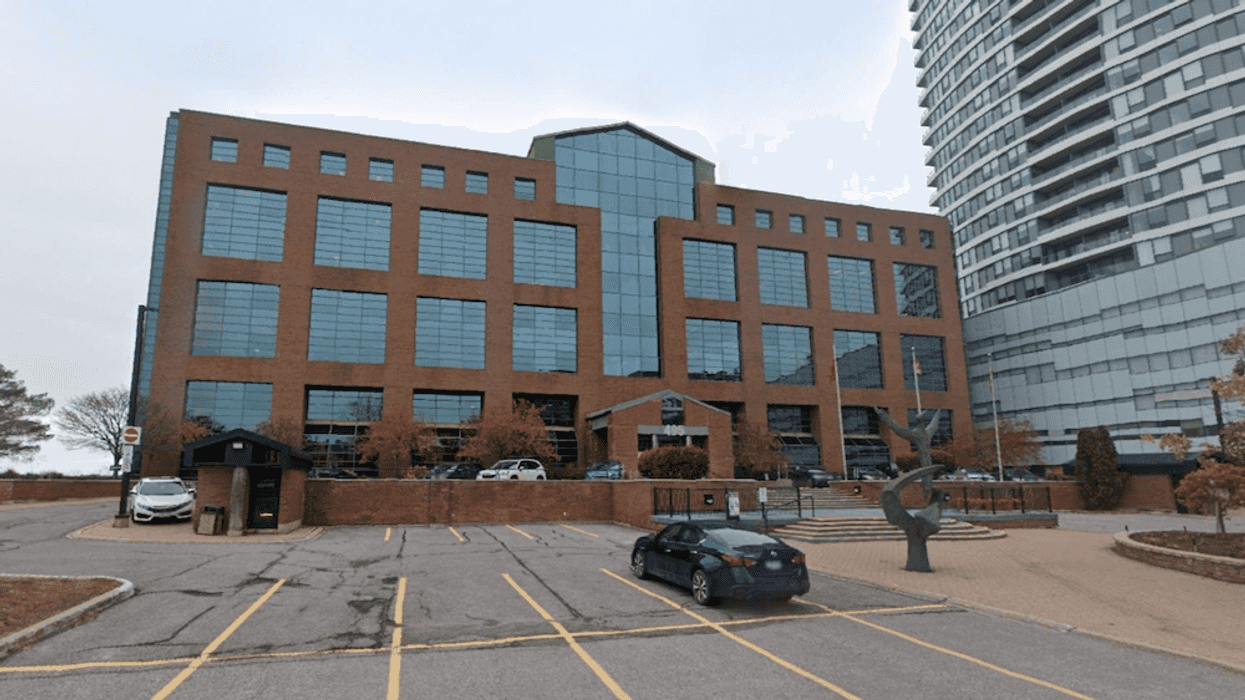
Commercial property refers to real estate used for business purposes, including office buildings, retail centres, industrial warehouses, and multi-unit residential buildings with more than four units.
Why Commercial Property Matters in Real Estate
In Canadian real estate, commercial properties are governed by different zoning laws, financing rules, and tax treatments compared to residential properties.
Types of commercial property include:
- Office space
- Retail plazas and malls
- Industrial and logistics facilities
- Mixed-use and multi-residential (5+ units)
These properties are typically income-producing and require commercial leases, property management, and compliance with fire and accessibility codes.
Understanding commercial property is essential for investors, developers, and businesses seeking space for operations or rental income.
Example of Commercial Property in Action
An investor purchases a small industrial building to lease to logistics tenants, classifying it as a commercial property under municipal zoning.
Key Takeaways
- Used for business, retail, or industrial purposes
- Zoning and tax rules differ from residential
- Often income-generating
- Requires specialized leases and management
- Includes office, retail, and warehouse space
Related Terms
- Zoning
- Commercial Lease
- Property Management
- Triple Net Lease
- Building Code

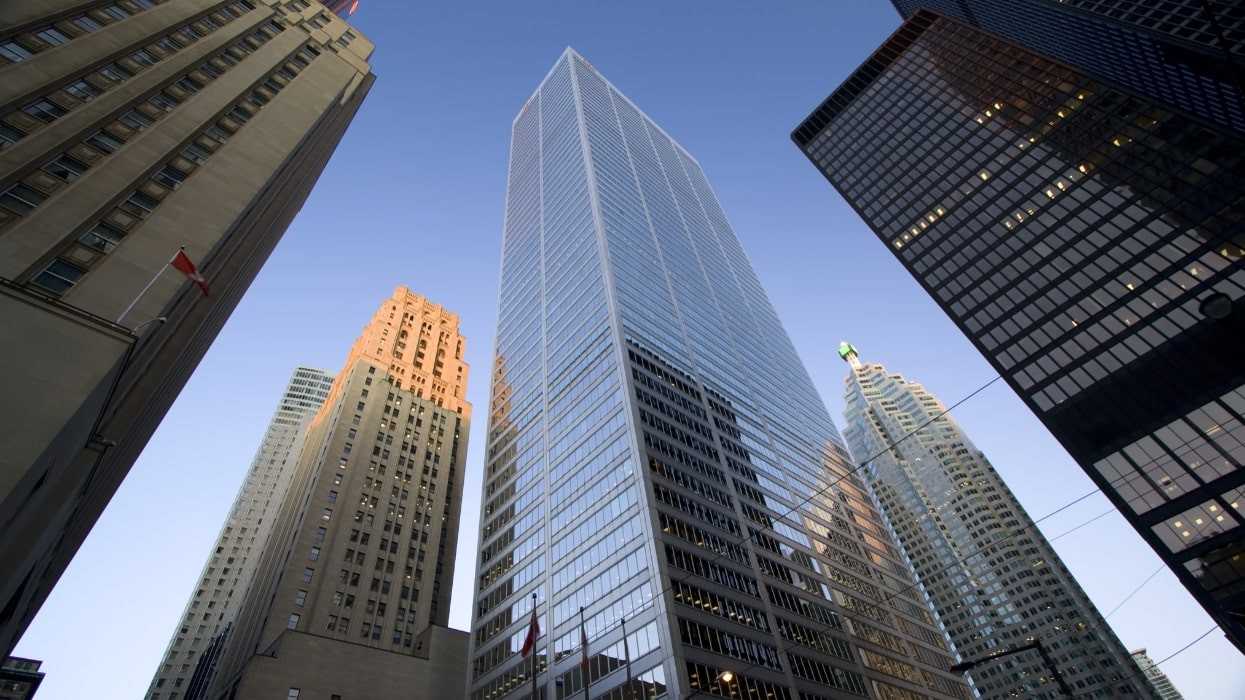
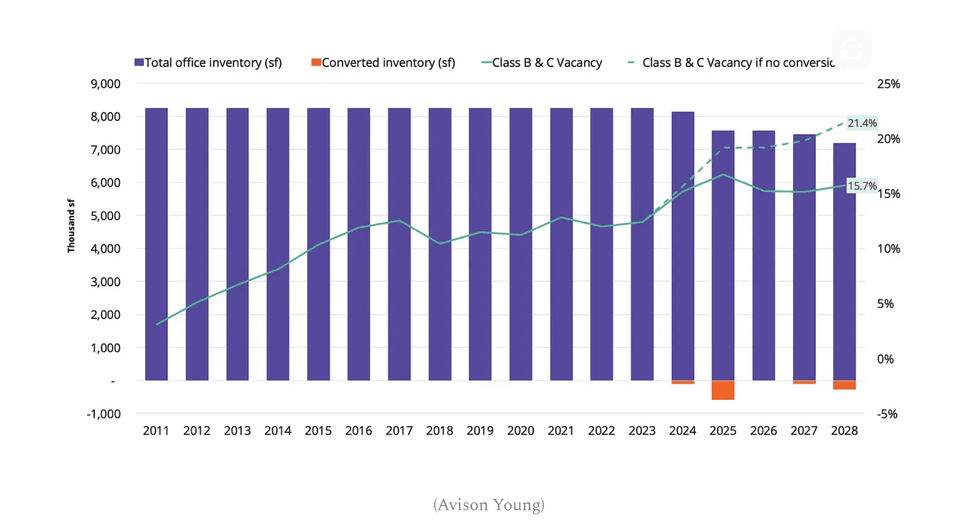 (Avison Young)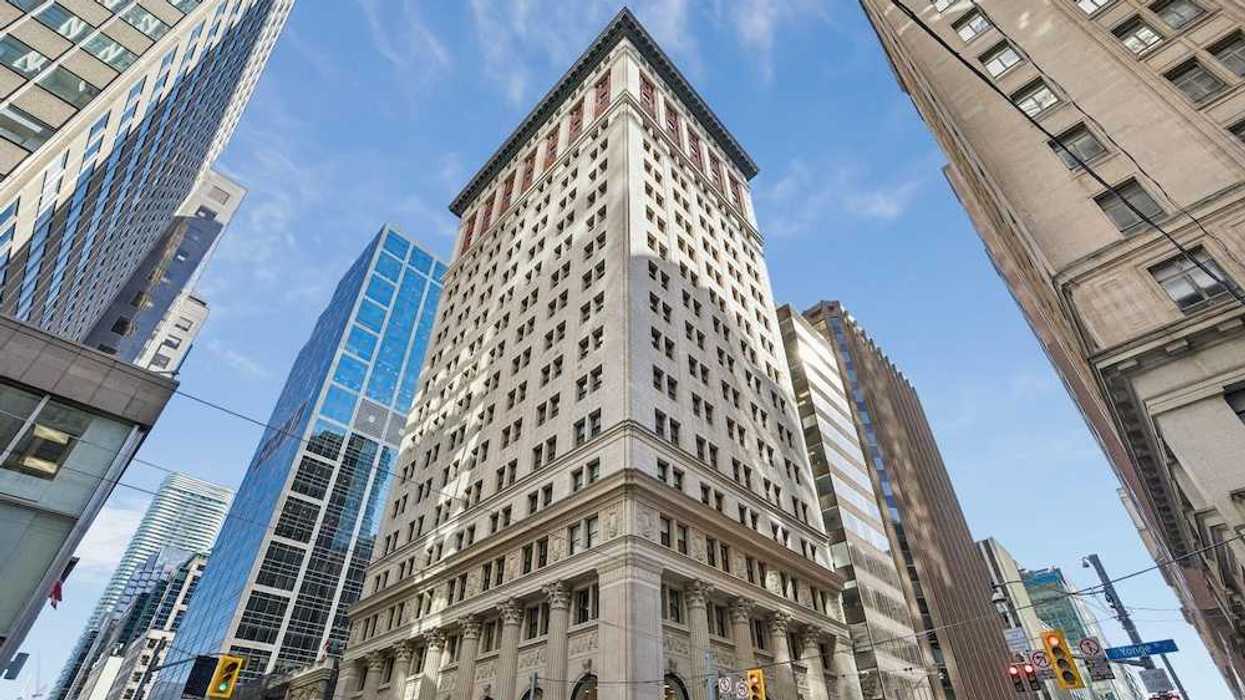


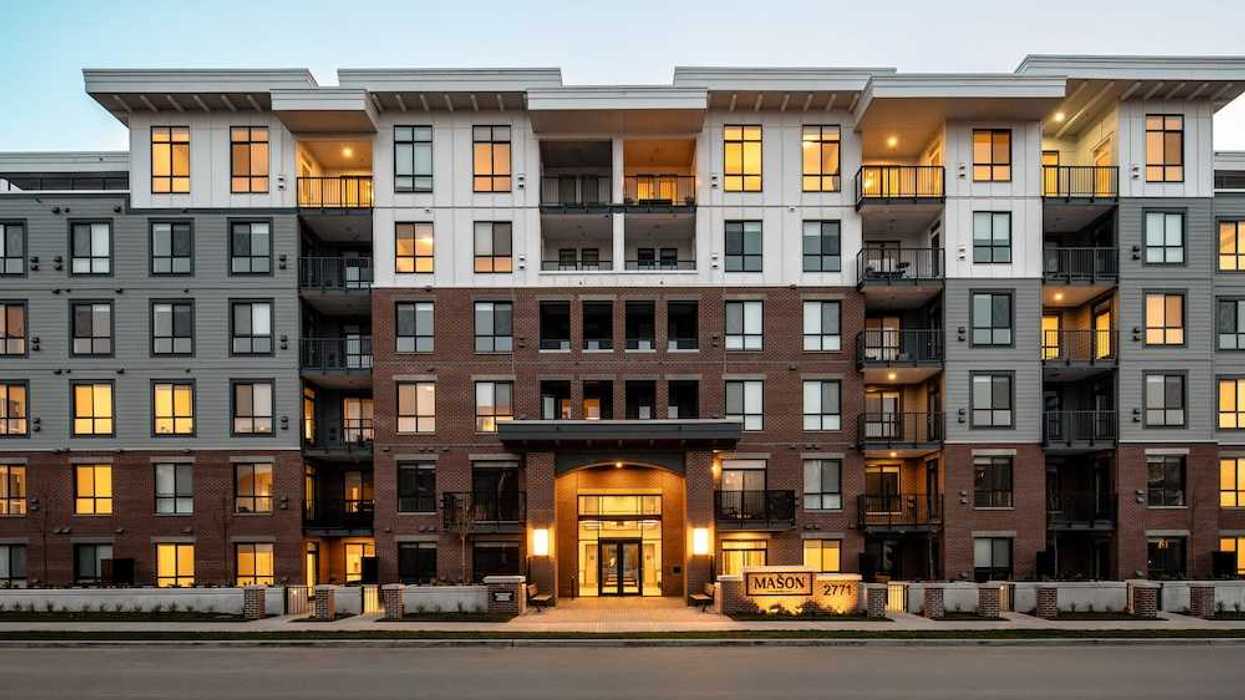
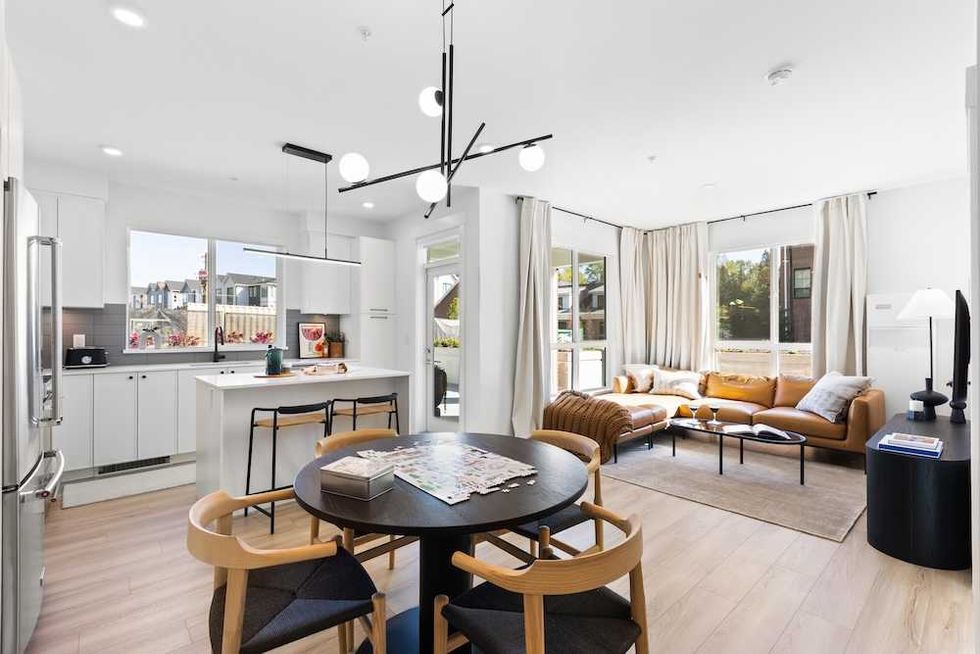 The Mason Suite Interior (Infinity Properties)
 The Mason Suite Interior (Infinity Properties)
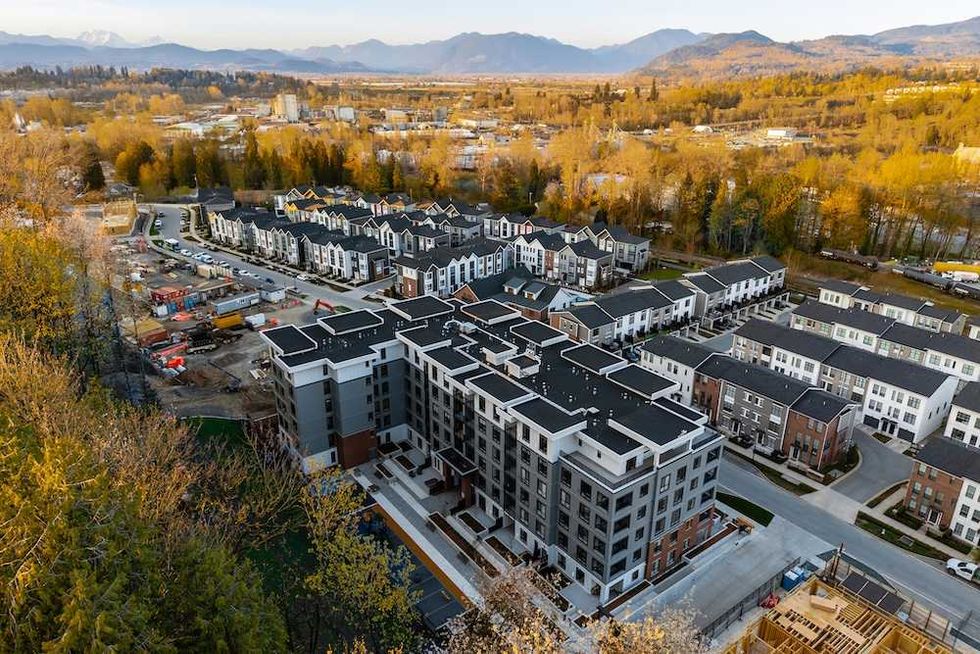 Rail District aerial (Infinity Properties)
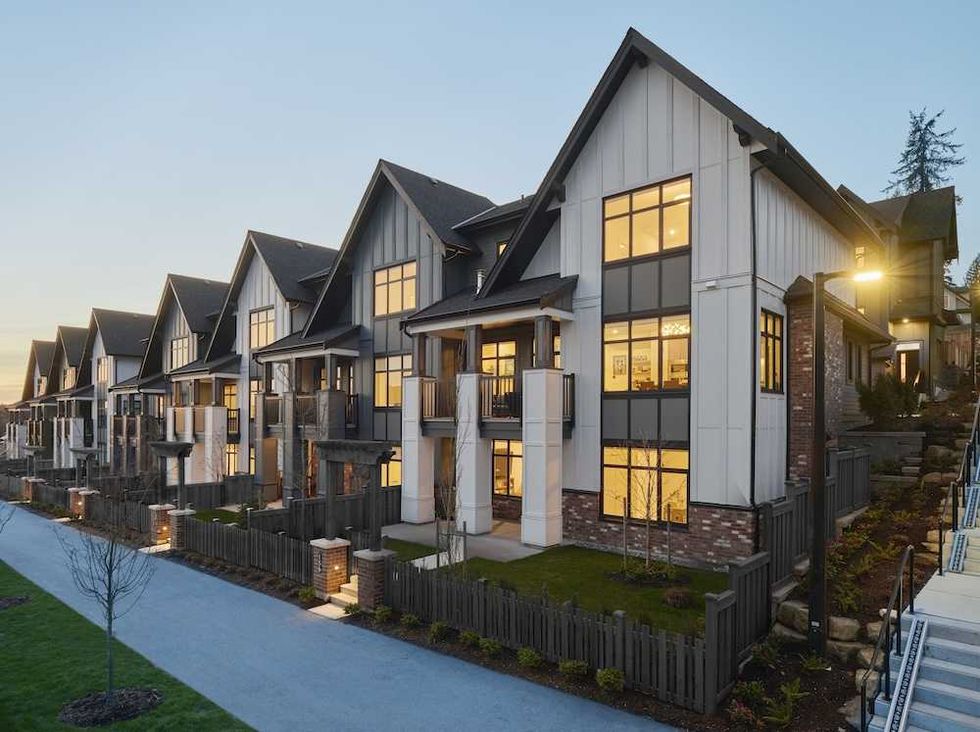 Versant (Infinity Properties)

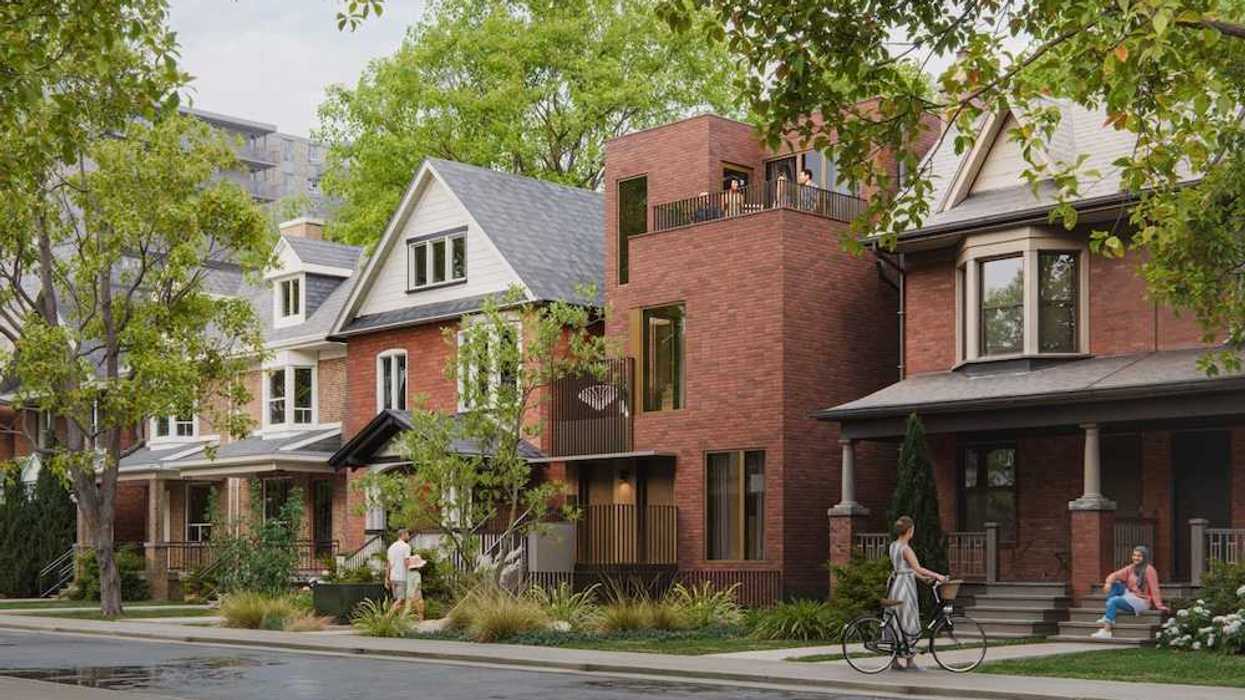
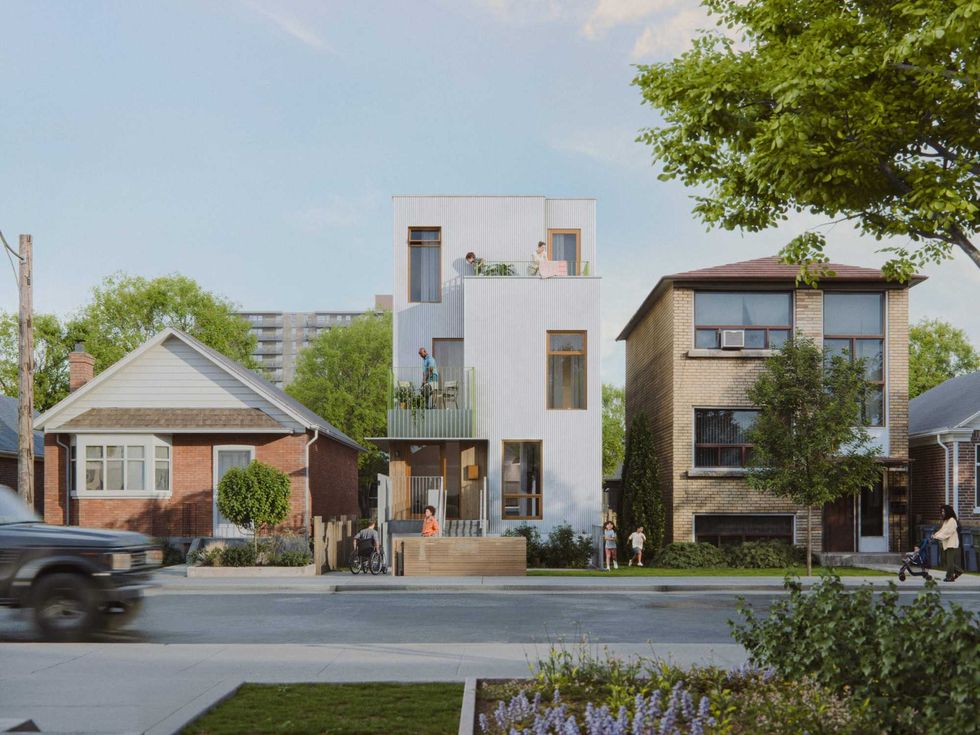 Narrow Fourplex (City of Toronto)
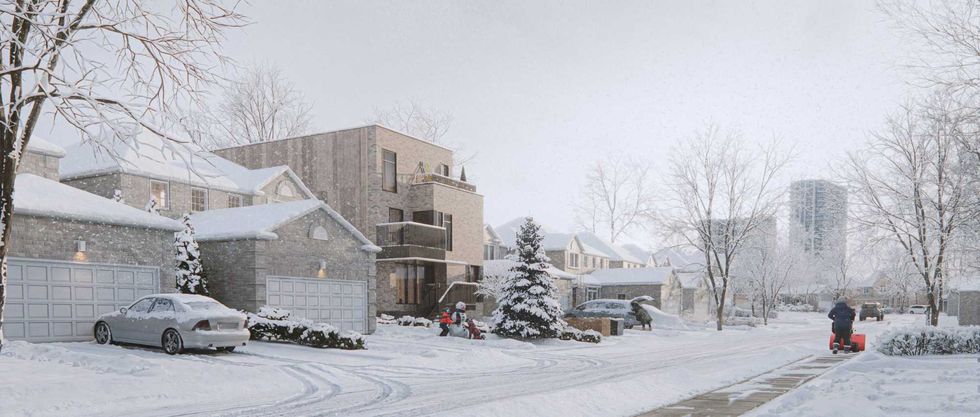 Wide Sixplex - Side View (City of Toronto)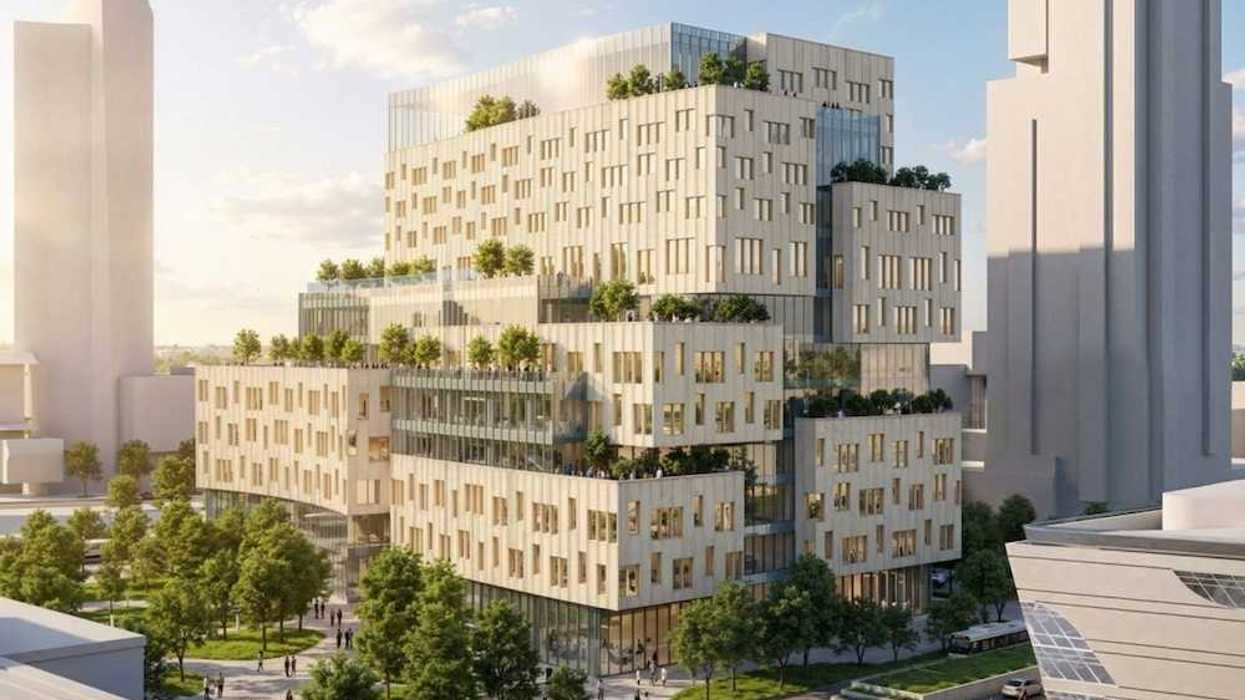
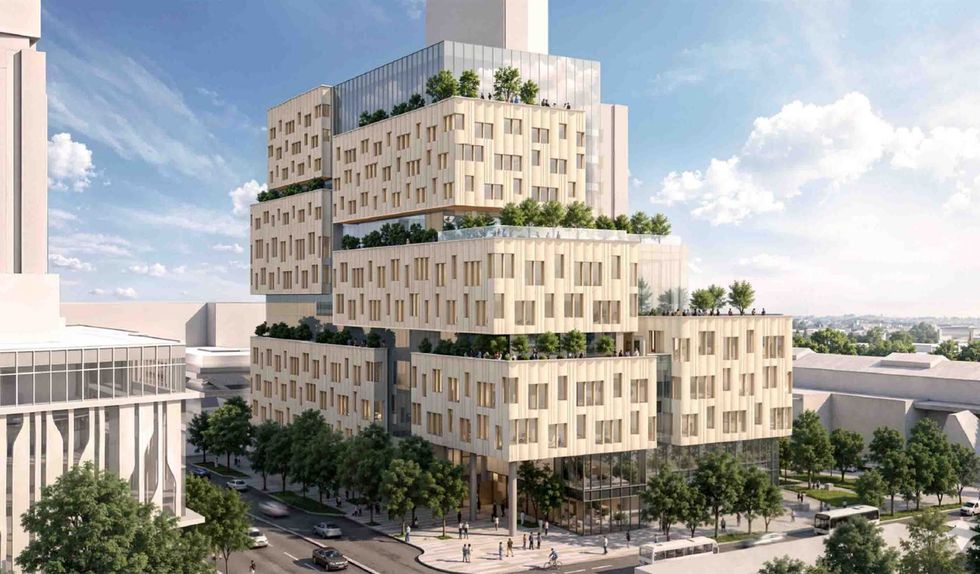
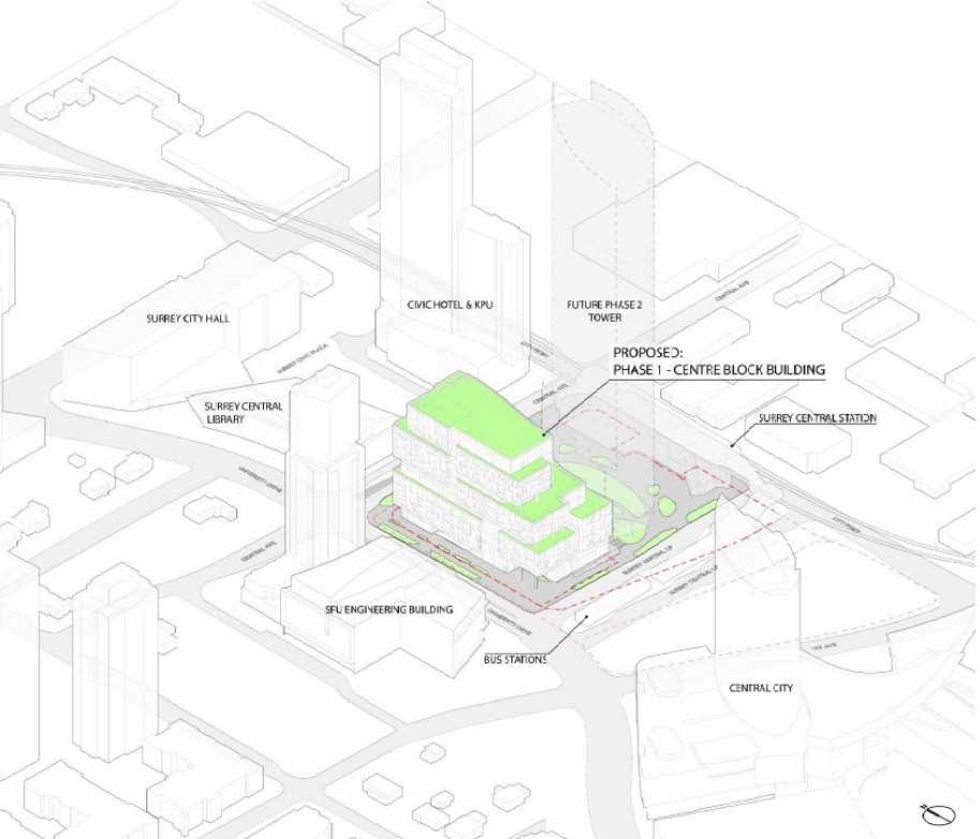 Centre Block and its surrounding context. (Stantec-Revery, SCDC)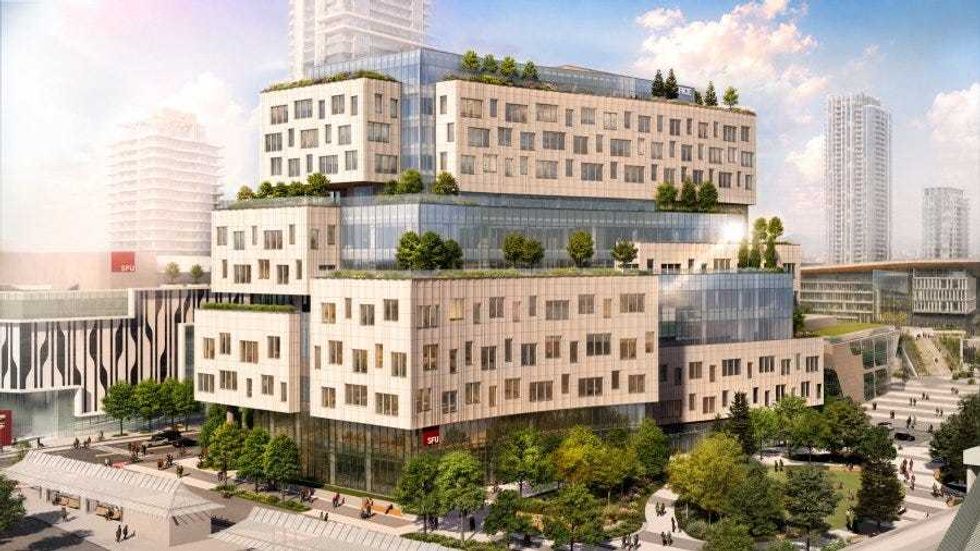
 The 12-storey Phase One of Centre Block. (Stantec-Revery, SCDC)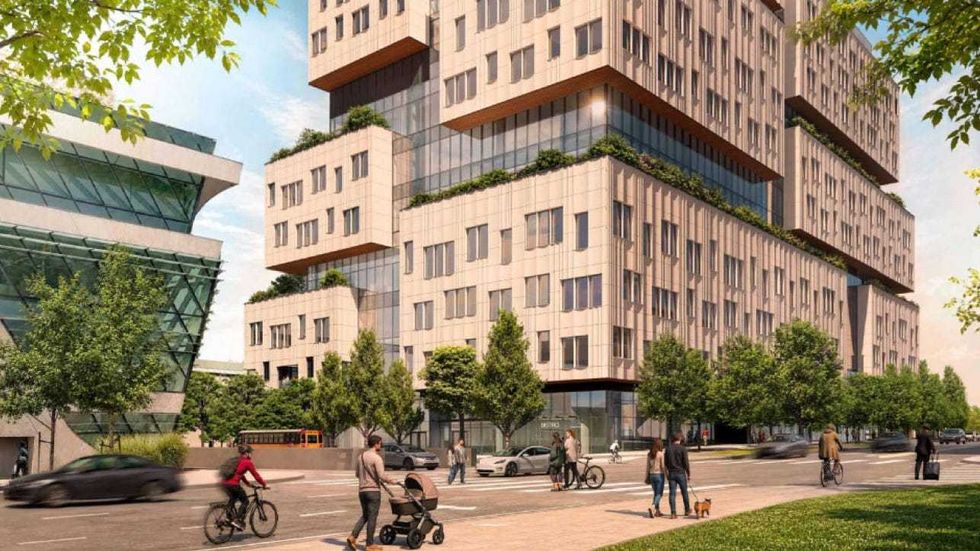
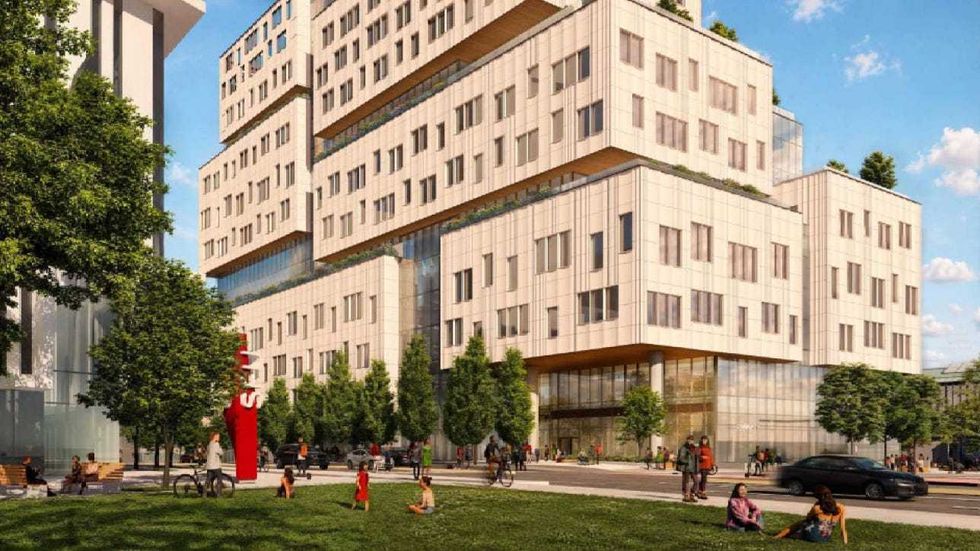 The 12-storey Phase One of Centre Block. (Stantec-Revery, SCDC)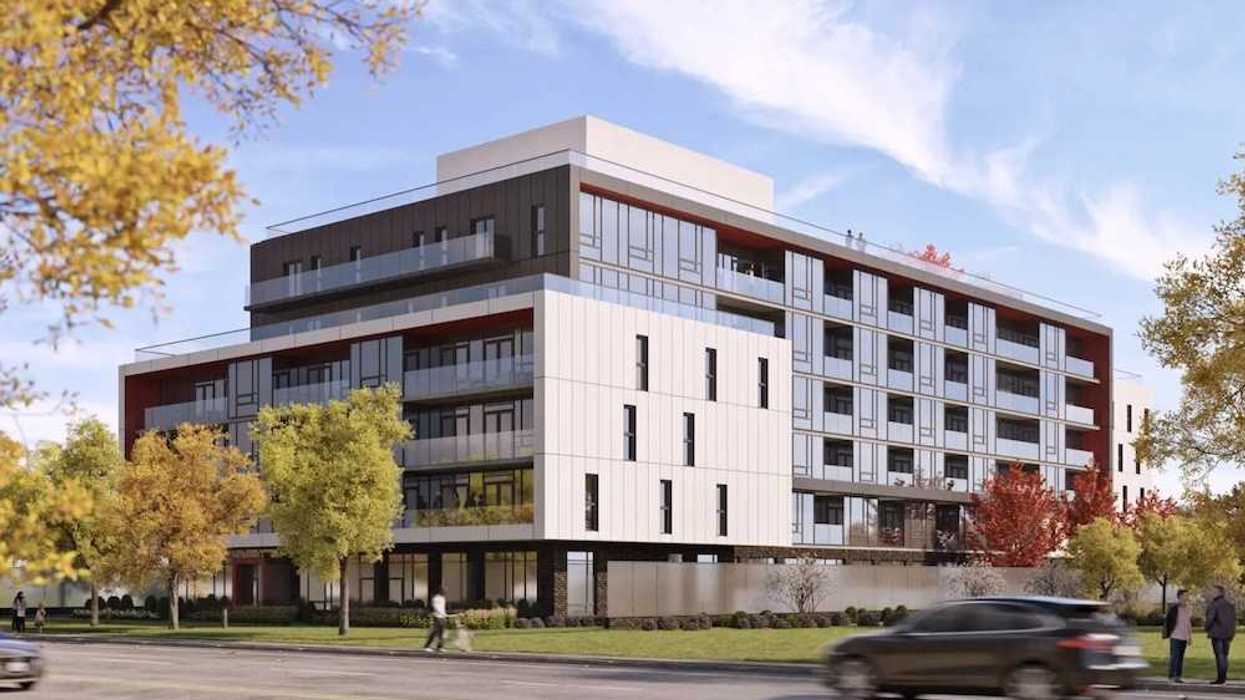
 Mondria One, set for 1607 King Street East in Clarington, Ontario. (ICON Architects Inc., Monde Development Group)