Tenant Mix
Explore tenant mix in Canadian commercial real estate — how tenant selection influences traffic, synergy, and investment performance.

June 23, 2025
What is a Tenant Mix?
Tenant mix refers to the variety and composition of tenants within a commercial or mixed-use property, strategically curated to enhance customer traffic and overall profitability.
Why a Tenant Mix Matters in Real Estate
In Canadian commercial real estate, a balanced tenant mix supports stable rental income, reduces vacancy risk, and strengthens a property’s competitive advantage.
Tenant mix strategies include:
- Combining anchor tenants with small businesses
- Grouping complementary retailers (e.g., food + fitness)
- Avoiding tenant redundancy or direct competition
- Ensuring tenant types match target demographics
A successful tenant mix improves customer experience and increases foot traffic, particularly in retail plazas, malls, and mixed-use developments.
Understanding tenant mix is vital for property managers and investors optimizing asset performance.
Example of Tenant Mix in Action
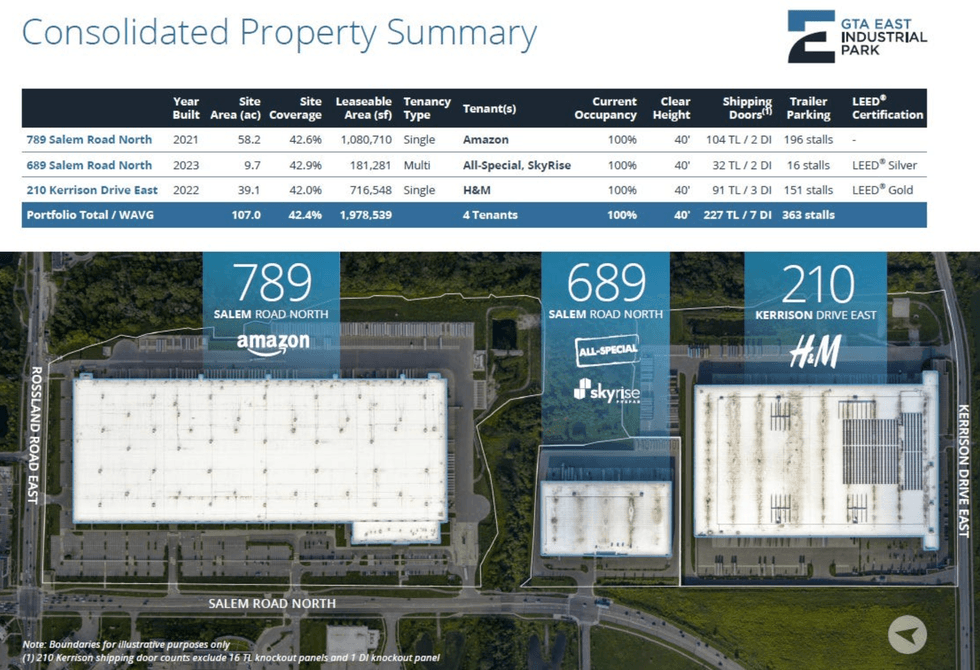
The retail developer selects a grocery anchor, a pharmacy, and a café to create a well-balanced tenant mix that supports all-day customer visits.
Key Takeaways
- Refers to the mix of tenants in a property
- Affects customer traffic and sales synergy
- Strategic mix reduces vacancy and boosts retention
- Essential in commercial property planning
- Impacts leasing and marketing success
























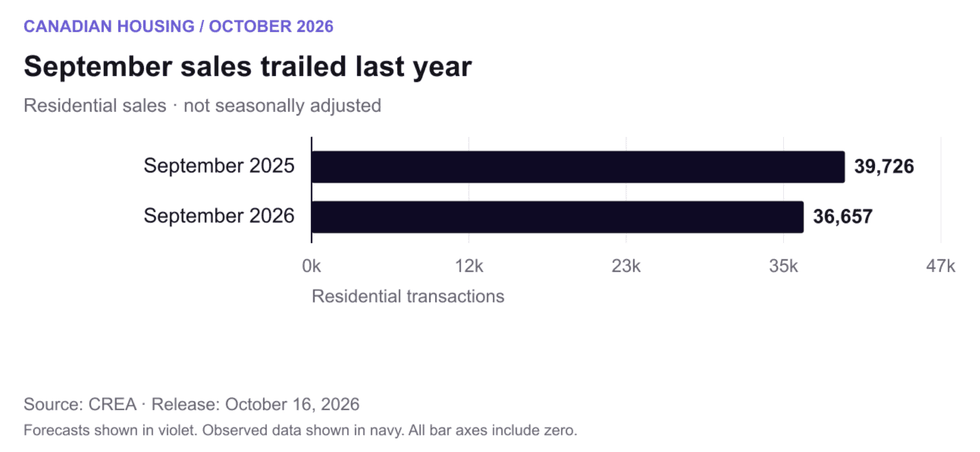 September residential sales, not seasonally adjusted; the annual comparison uses CREA’s revised figures. Chart:
 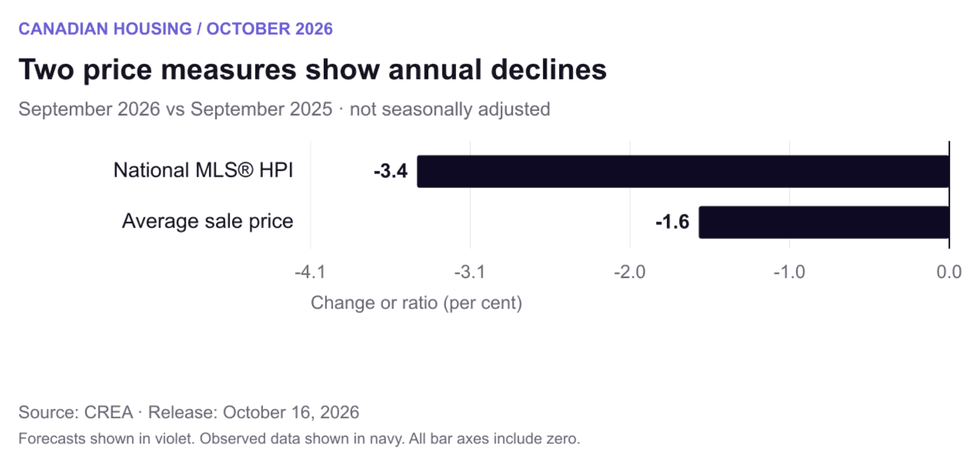 Annual changes in the unadjusted national MLS® HPI and average sale price. The average is affected by the mix of transactions. Chart:
 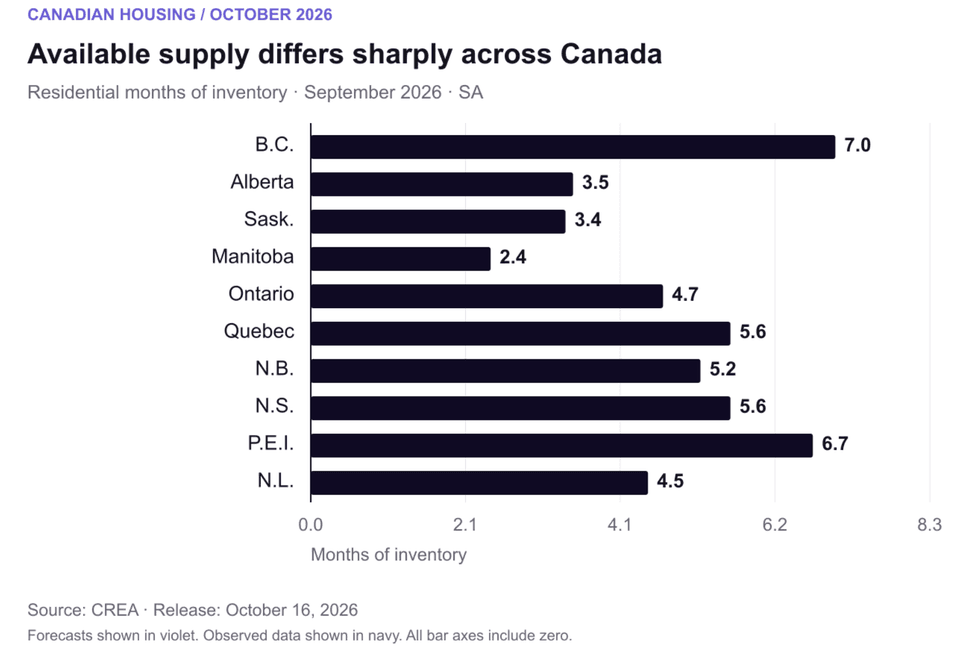 Seasonally adjusted residential months of inventory by province. Local property types can differ substantially. Chart:
 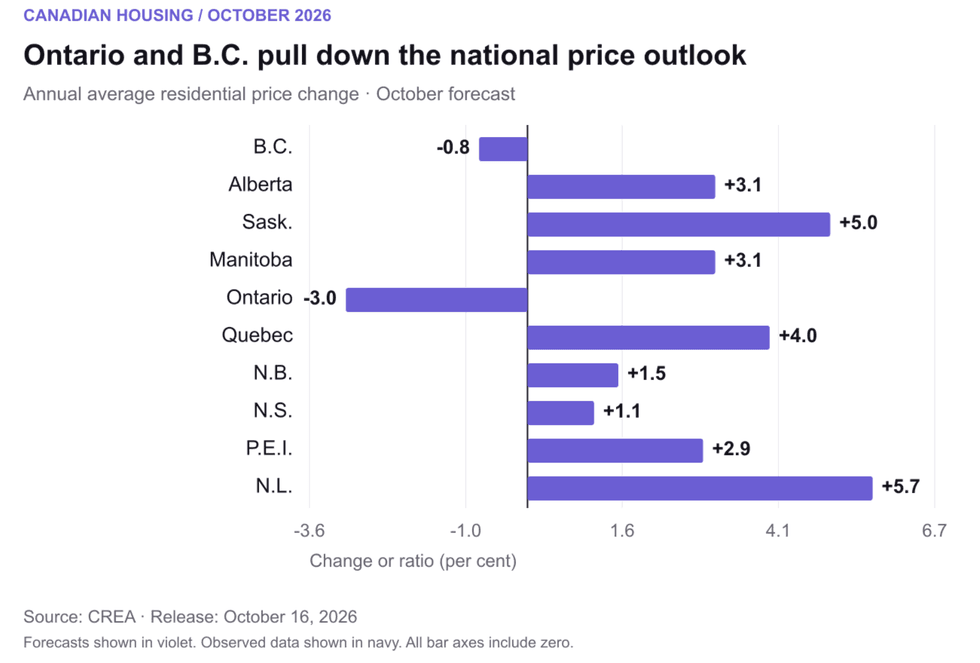 Ontario and B.C. are the two provinces with forecast annual average-price declines in 2026. Chart:
 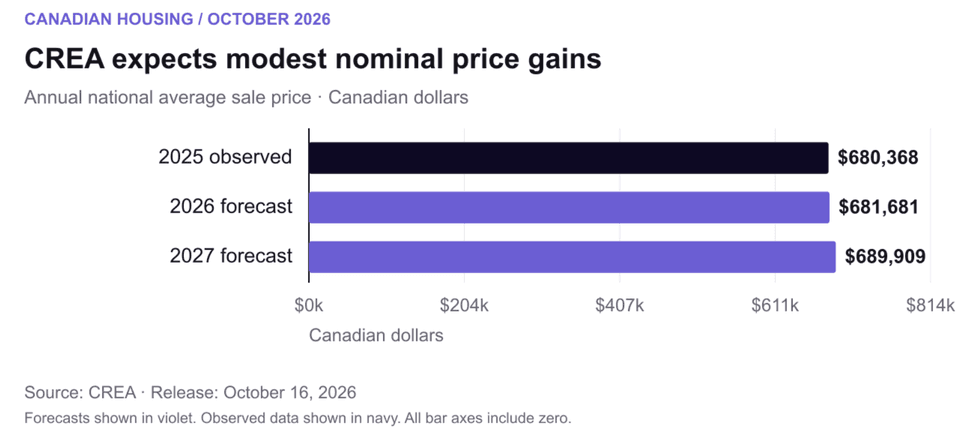 Annual average transaction prices in Canadian dollars. Forecast values are not December price targets. Chart:
 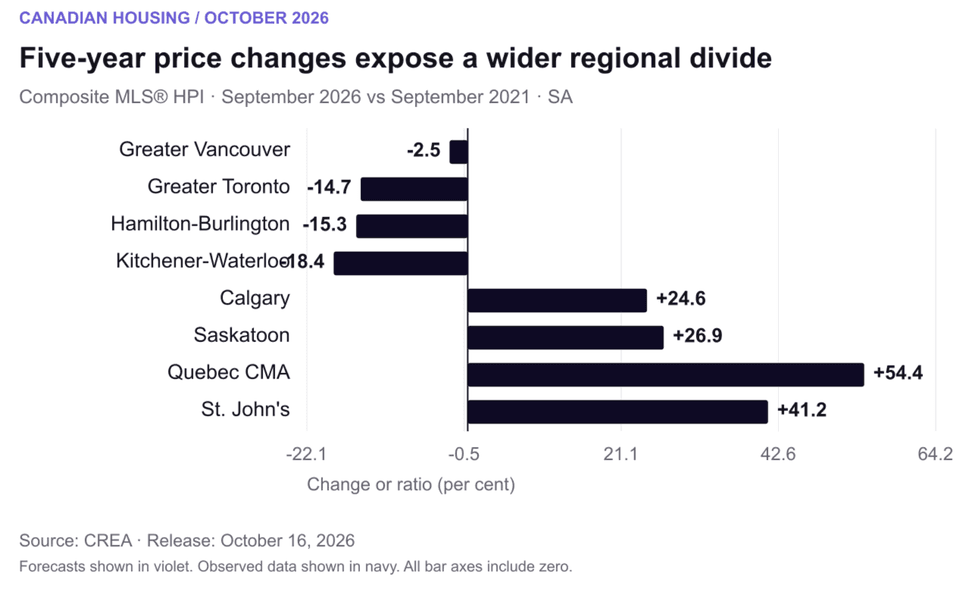 Five-year changes in seasonally adjusted composite MLS® HPI benchmarks, September 2021 to September 2026. Chart: