Legal Title
Understand legal title in Canadian real estate—how it confirms ownership, differs from equitable title, and supports secure property transactions.

May 29, 2025
What is Legal Title?
Legal title is the formal ownership of property recognized by law, granting the holder the right to transfer, sell, or mortgage the asset.
Why Legal Title Matters in Real Estate
In Canadian real estate, legal title is recorded in the provincial land registry or land titles system. It represents official ownership and is required for property transactions, mortgage registration, and estate planning.
Legal title holders can:
Transfer or sell the property
Register mortgages or liens
Appear on title documents and tax records
Legal title is distinct from equitable title, which refers to a buyer’s interest under a purchase agreement before closing. Ensuring legal title is clear and undisputed is a key step in any transaction.
Example of Legal Title
After closing, the buyer’s lawyer registers the deed, transferring legal title from the seller and making the buyer the official owner.
Key Takeaways
- Grants full legal ownership of property.
- Required for transfer and registration.
- Distinct from equitable title.
- Verified through the land registry.
- Essential for all real estate transactions.
Related Terms
- Title Transfer
- Deed
- Equitable Title
- Ownership Rights
- Encumbrance Certificate

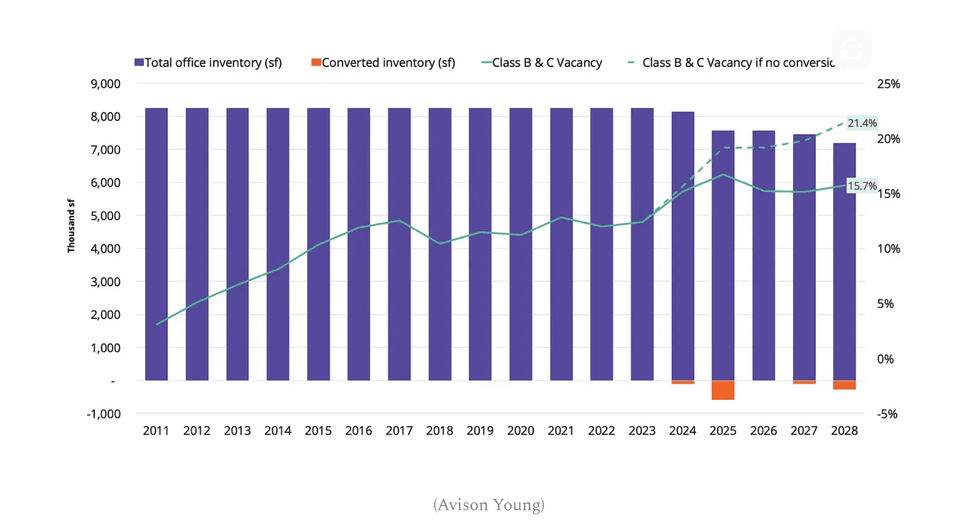 (Avison Young)






 The Mason Suite Interior (Infinity Properties)
 The Mason Suite Interior (Infinity Properties)
 Rail District aerial (Infinity Properties)
 Versant (Infinity Properties)


 Narrow Fourplex (City of Toronto)
 Wide Sixplex - Side View (City of Toronto)
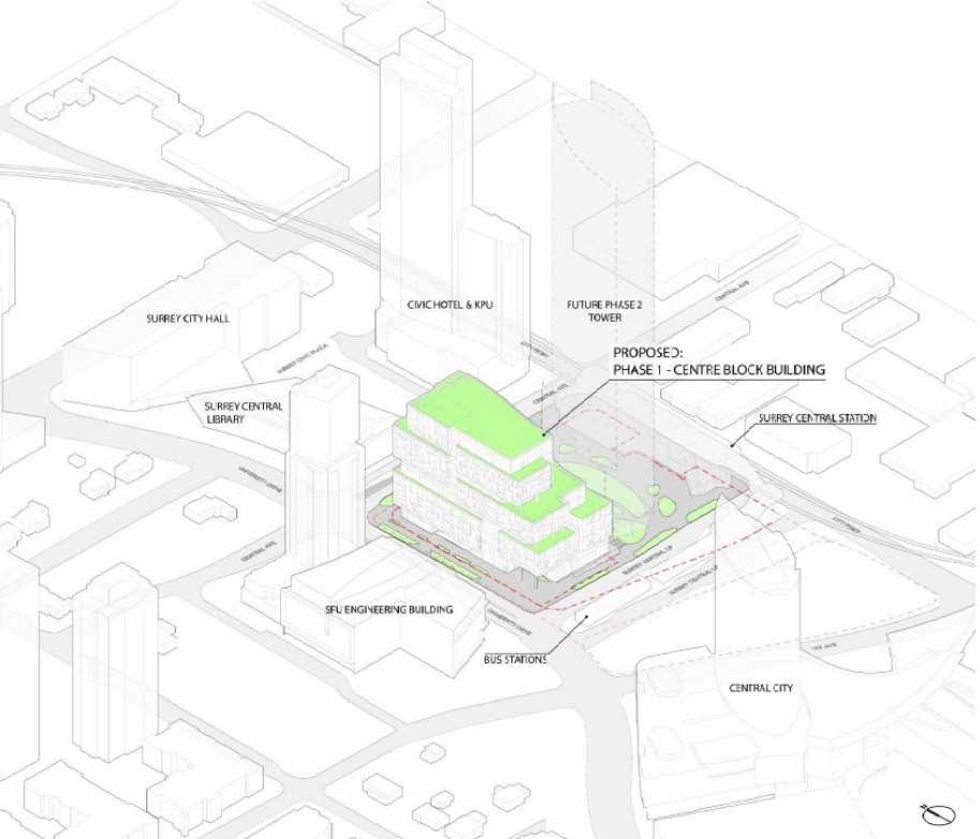 Centre Block and its surrounding context. (Stantec-Revery, SCDC)
 The 12-storey Phase One of Centre Block. (Stantec-Revery, SCDC)
 The 12-storey Phase One of Centre Block. (Stantec-Revery, SCDC)
 Mondria One, set for 1607 King Street East in Clarington, Ontario. (ICON Architects Inc., Monde Development Group)