Home Purchase Agreement
Learn what a Home Purchase Agreement includes in Canadian real estate, why it's critical, and how it protects both buyer and seller.

May 22, 2025
What is a Home Purchase Agreement?
A Home Purchase Agreement, also known as an Agreement of Purchase and Sale (APS), is a legally binding contract that outlines the terms and conditions of a property sale between a buyer and a seller.
Why Home Purchase Agreements Matter in Real Estate
In Canadian real estate, the Home Purchase Agreement serves as the central document that governs the transaction. It defines each party's responsibilities and details such as:- Purchase price and deposit amount
- Closing date and possession date
- Included fixtures and chattels
- Conditions (e.g., financing, inspection, sale of buyer’s home)
Once signed by both parties, the agreement is legally enforceable. Buyers typically include conditions for financing approval or a satisfactory home inspection. Sellers may accept, reject, or counter the offer.
Real estate professionals and lawyers ensure that the agreement reflects the parties’ intentions and protects their legal interests. Any modifications must be made in writing and signed by both parties.
Understanding the Home Purchase Agreement is essential for avoiding disputes, managing timelines, and ensuring a successful closing.
Example of a Home Purchase Agreement
A buyer submits a Home Purchase Agreement offering $925,000 with a financing condition and a proposed closing date of 60 days later. The seller accepts with minor changes.
Key Takeaways
- Outlines all terms of a property transaction.
- Becomes binding once signed by both parties.
- Includes conditions, price, and timelines.
- Modifications require written consent.
- Reviewed and finalized with legal help.
Related Terms
- Agreement of Purchase and Sale
- Conditional Offer
- Deposit
- Closing Date
- Real Estate Lawyer
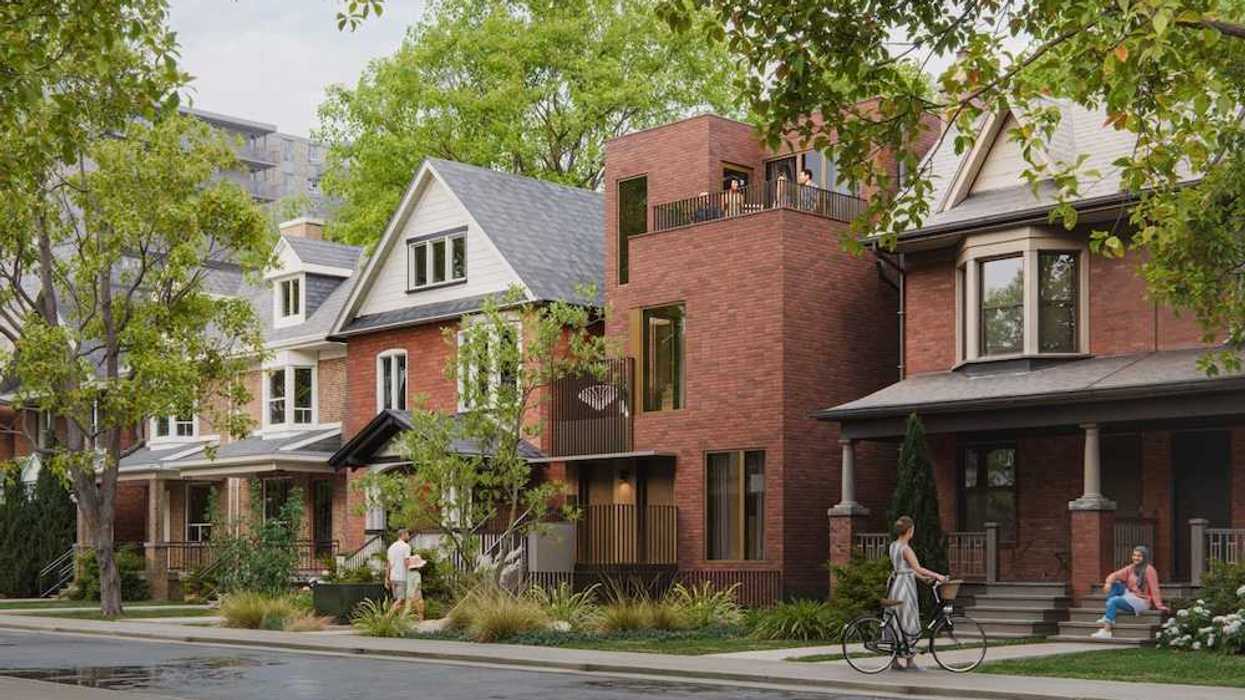
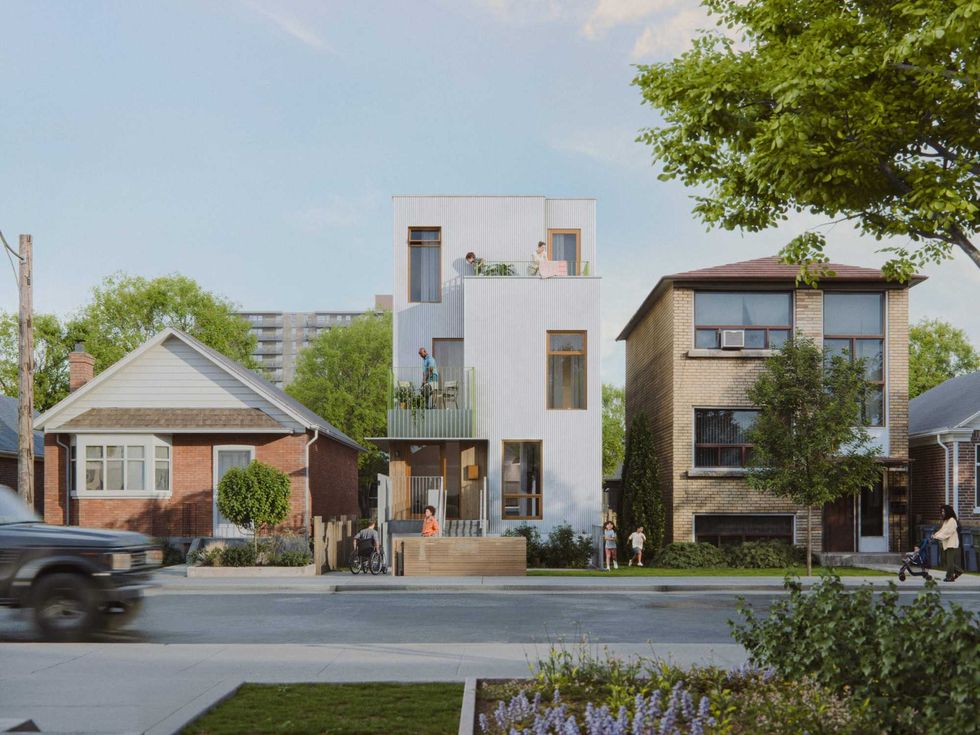 Narrow Fourplex (City of Toronto)
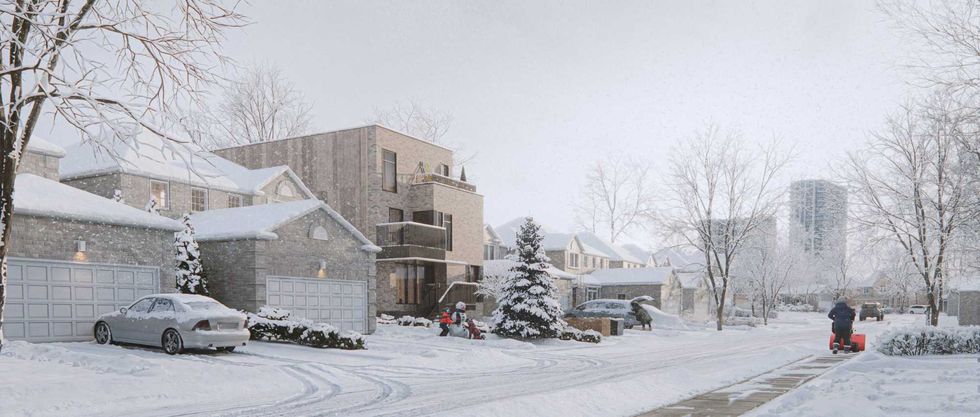 Wide Sixplex - Side View (City of Toronto)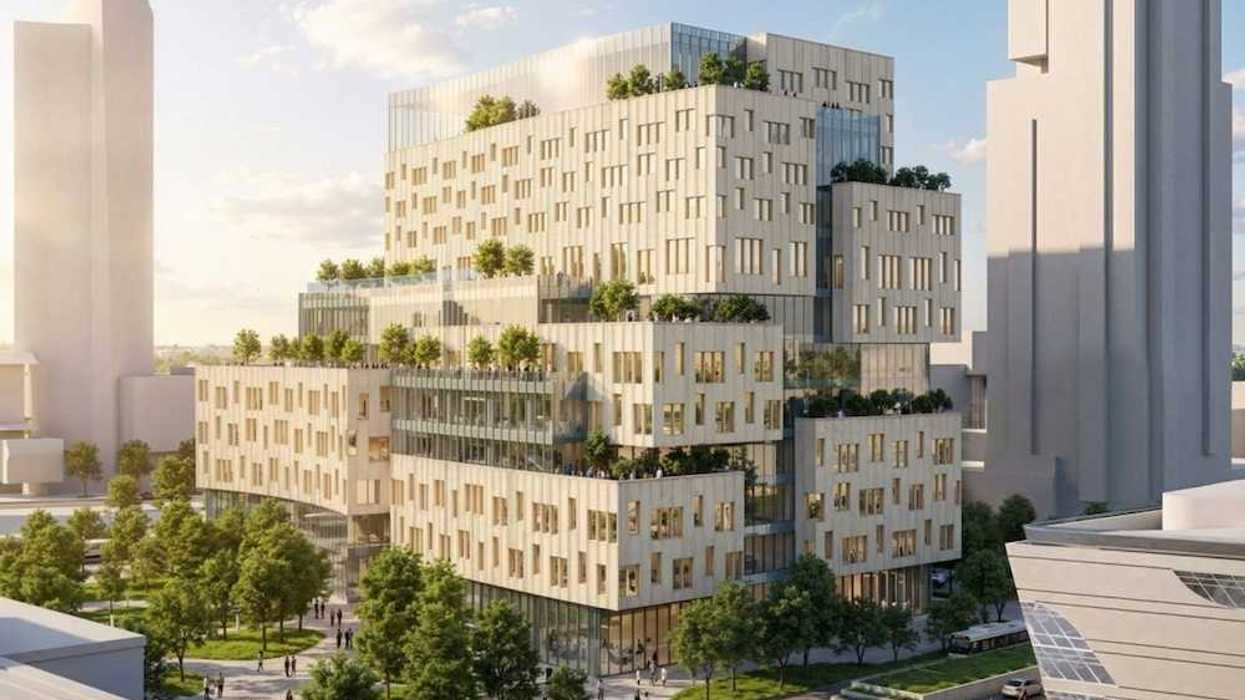
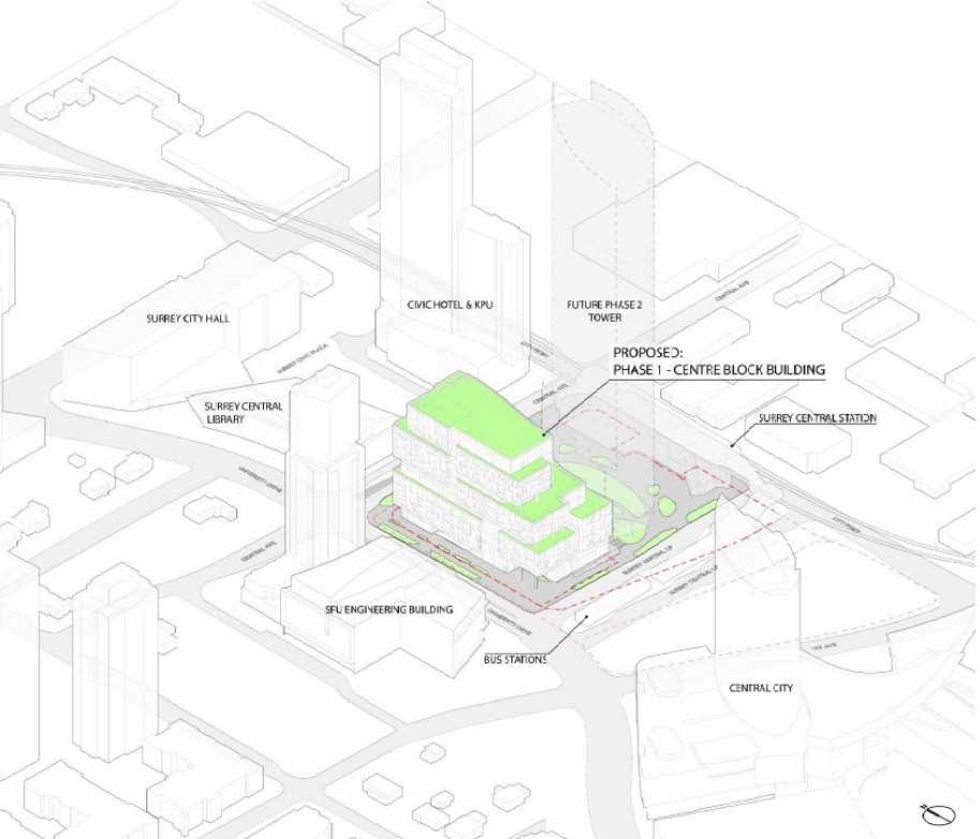 Centre Block and its surrounding context. (Stantec-Revery, SCDC)
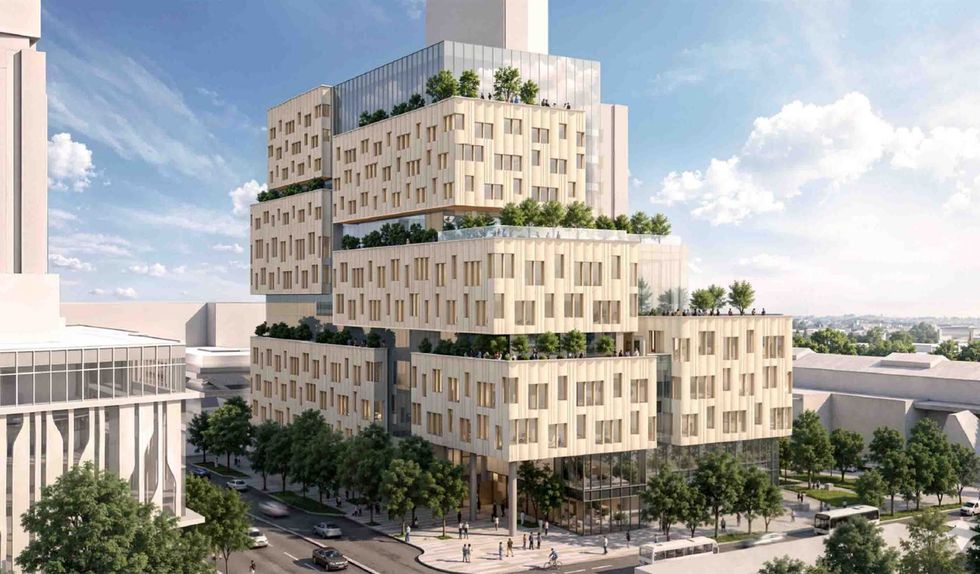 The 12-storey Phase One of Centre Block. (Stantec-Revery, SCDC)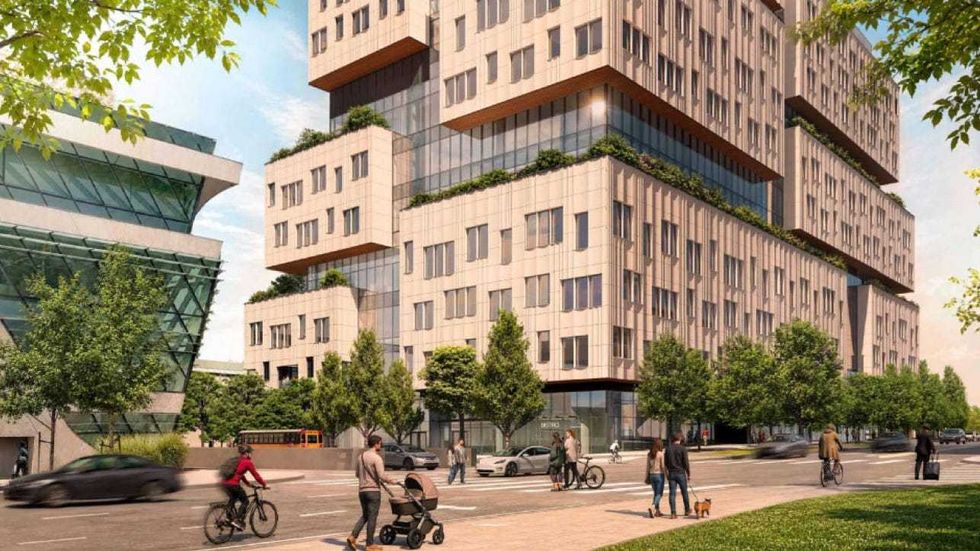
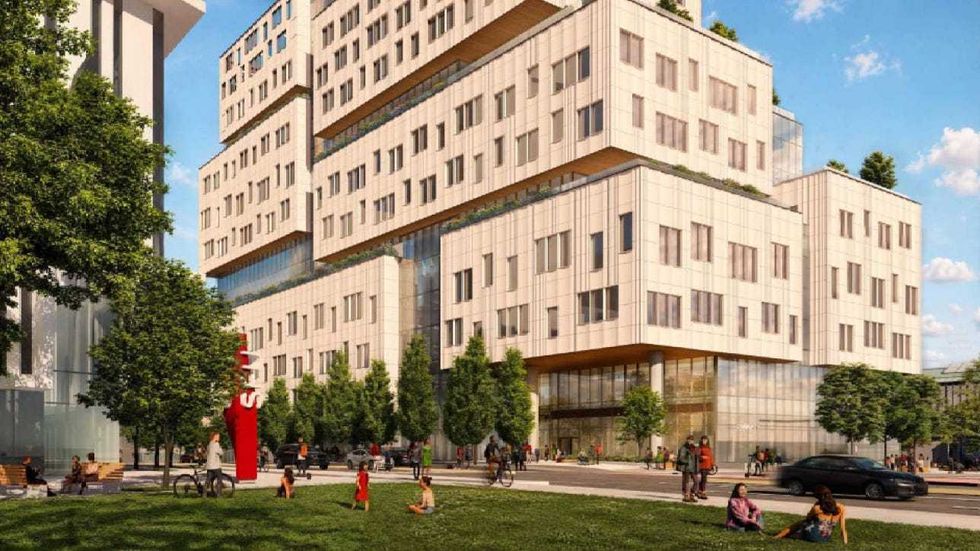 The 12-storey Phase One of Centre Block. (Stantec-Revery, SCDC)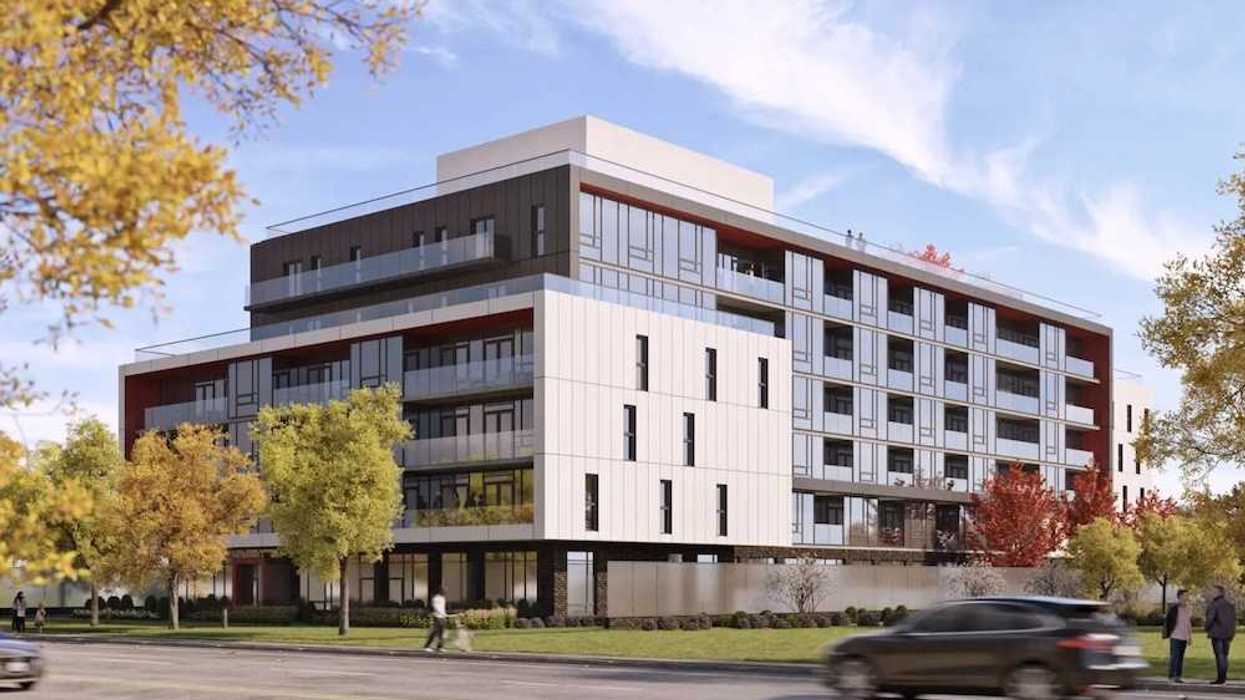






 Via STOREYS Editorial team
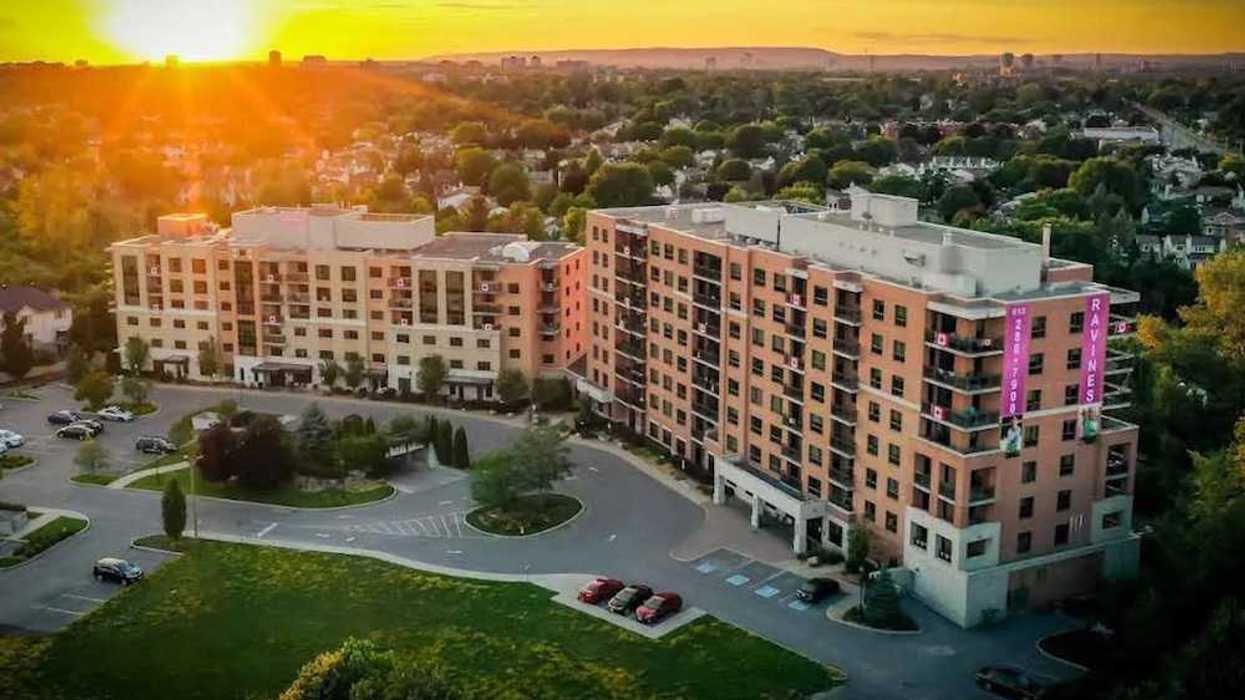
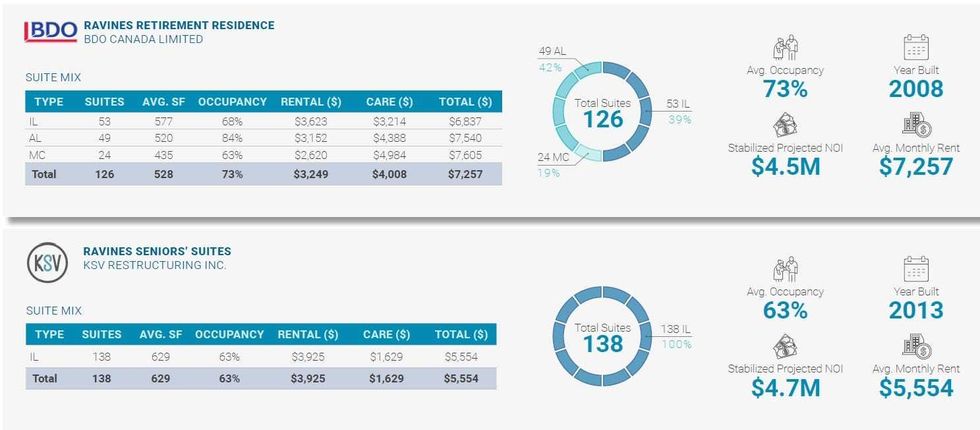 An overview of the two Ravine buildings. (Newmark)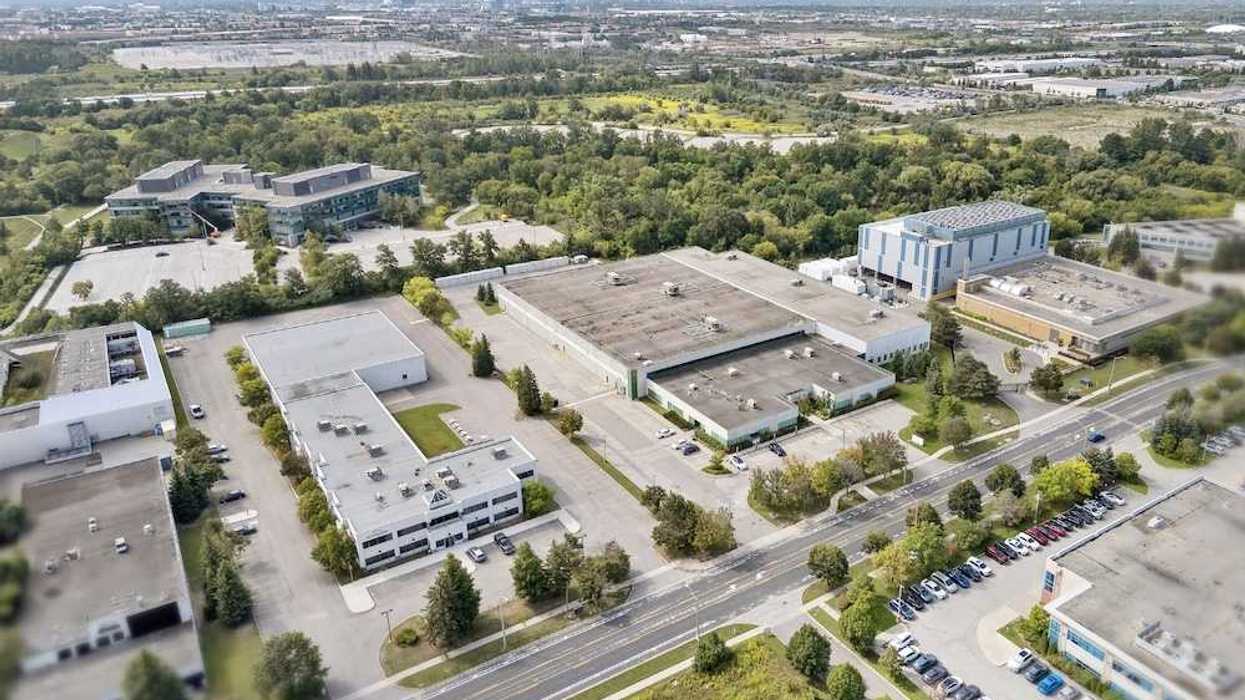
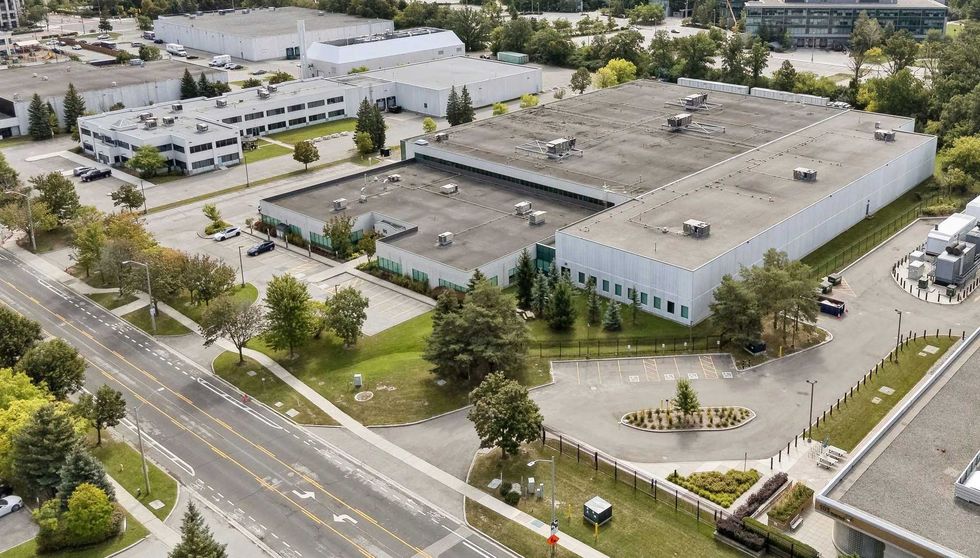 95 Clegg Road in Markham, Ontario. (Colliers)
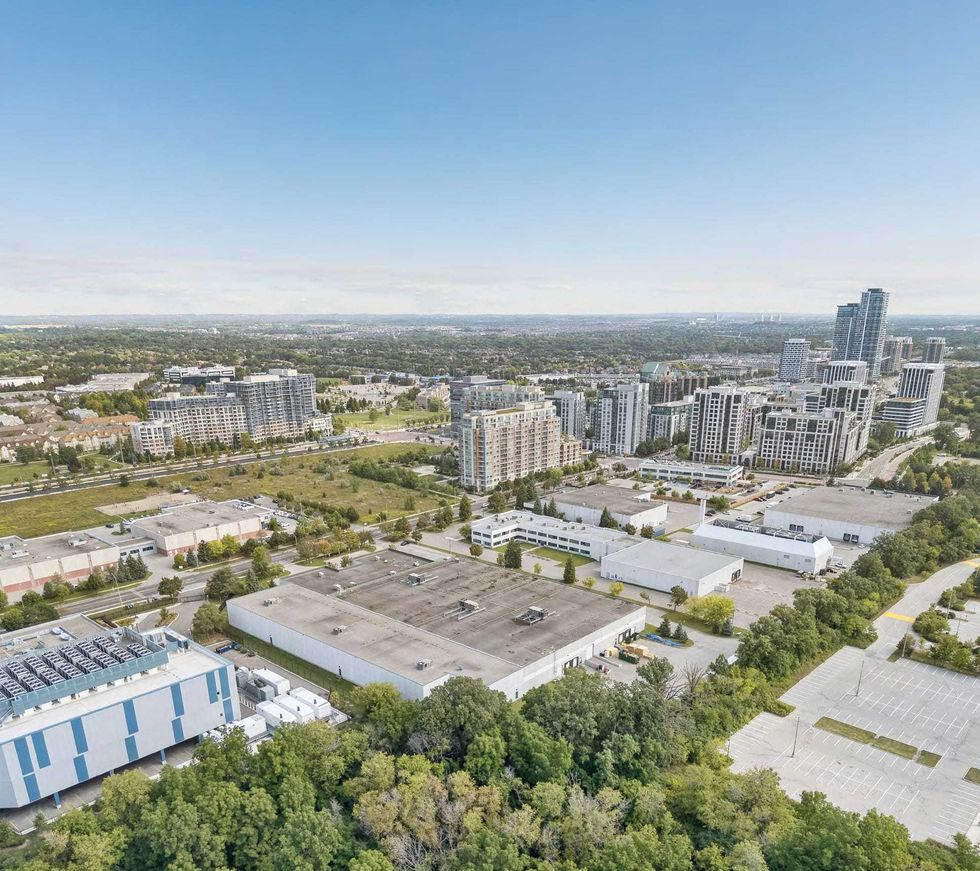 95 Clegg Road (centre) in Markham, Ontario. (Colliers)