Foundation
Understand what a foundation is in Canadian real estate, how it affects property safety and value, and what to look for when buying a home.
May 30, 2025
What is a Foundation?
A foundation is the base structure of a building that transfers its load to the ground and provides stability and support.
Why Do Foundations Matter in Real Estate?
In Canadian real estate, foundations are critical for safety, longevity, and value. They must be structurally sound and resistant to shifting, water penetration, and frost.
Common foundation types include:
- Concrete slab-on-grade
- Full basement foundations
- Crawl spaces
- Poured concrete or concrete block walls
Signs of foundation issues include cracks, uneven floors, and moisture in the basement. These can affect financing, insurance, and resale.
Understanding foundation types and condition helps buyers evaluate structural integrity and repair costs, especially in older homes.
Example of a Foundation in Action
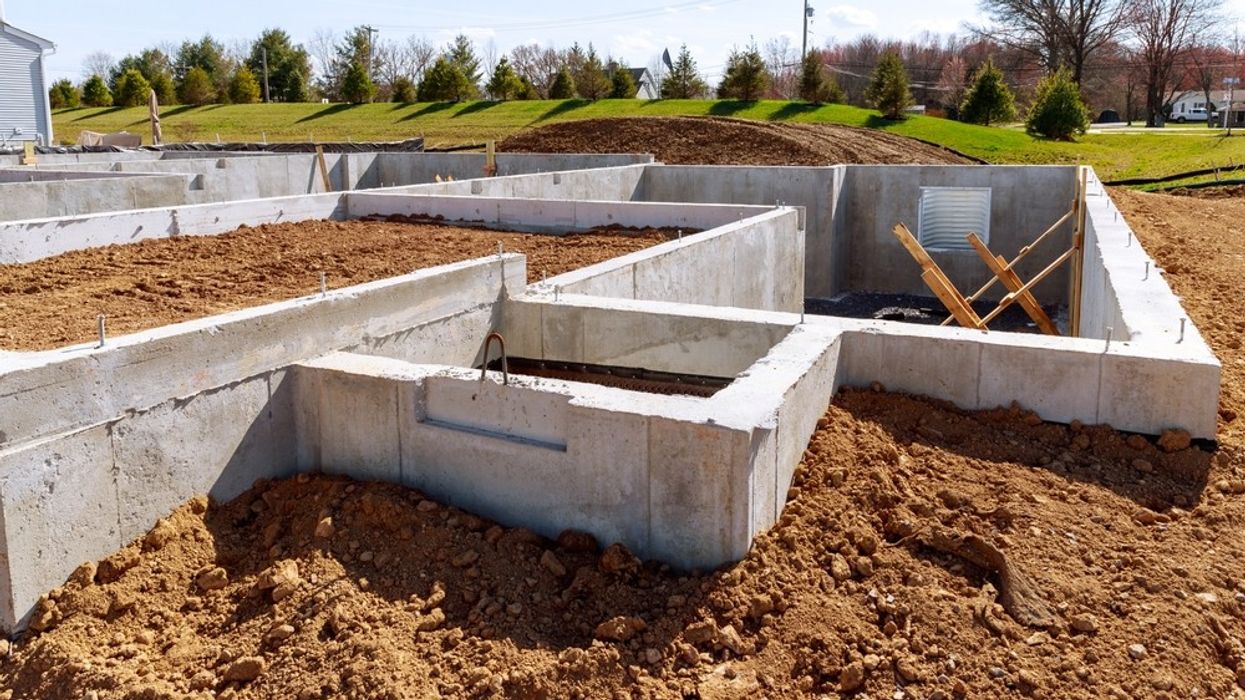
During the home inspection, a horizontal crack in the foundation wall prompts the buyer to request a structural engineer's assessment.
Key Takeaways
- Transfers building load to ground.
- Must resist water, frost, and shifting.
- Can be slab, crawl space, or basement.
- Foundation problems lower property value.
- Inspected before closing in most sales.
Related Terms
- Structural Integrity
- Drainage System
- Home Inspection
- Building Code
- Basement
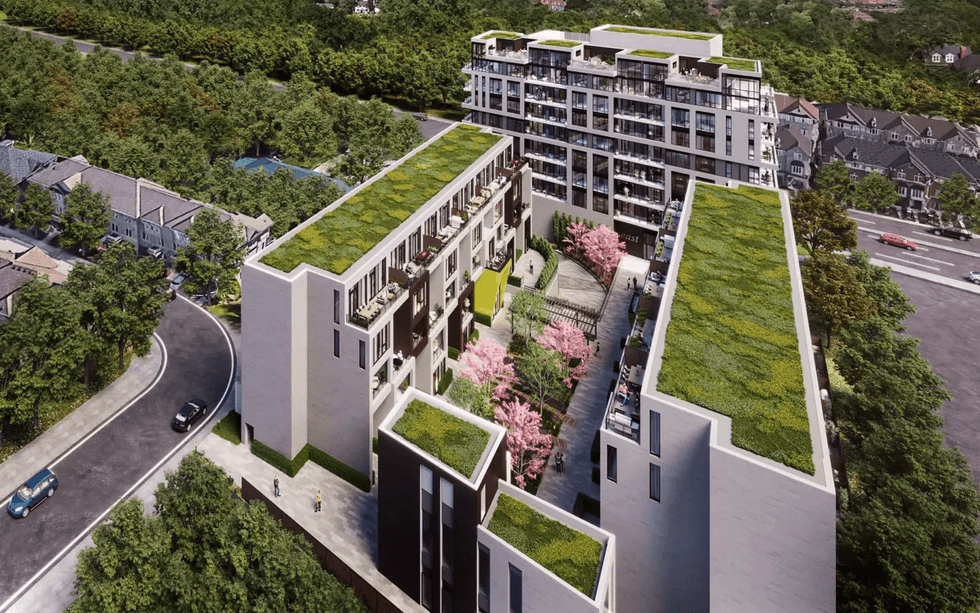 A rendering of the EverHome project. (The Sher Corporation)






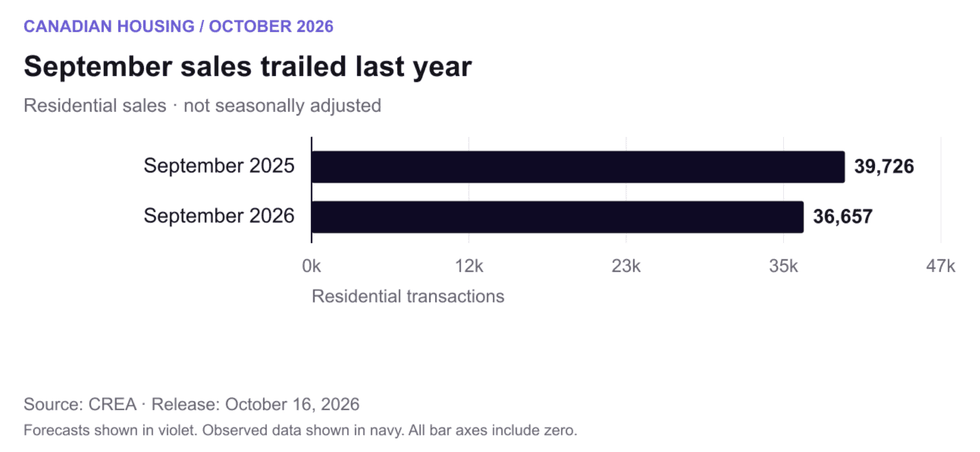 September residential sales, not seasonally adjusted; the annual comparison uses CREA’s revised figures. Chart:
 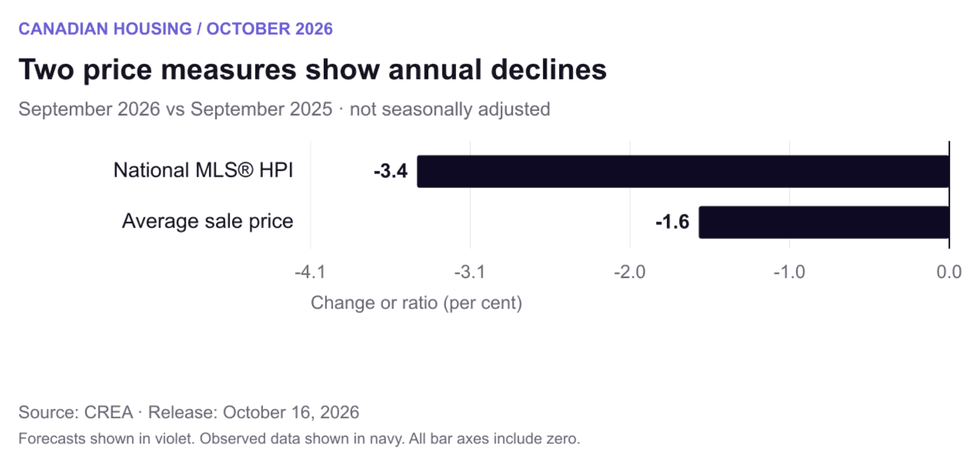 Annual changes in the unadjusted national MLS® HPI and average sale price. The average is affected by the mix of transactions. Chart:
 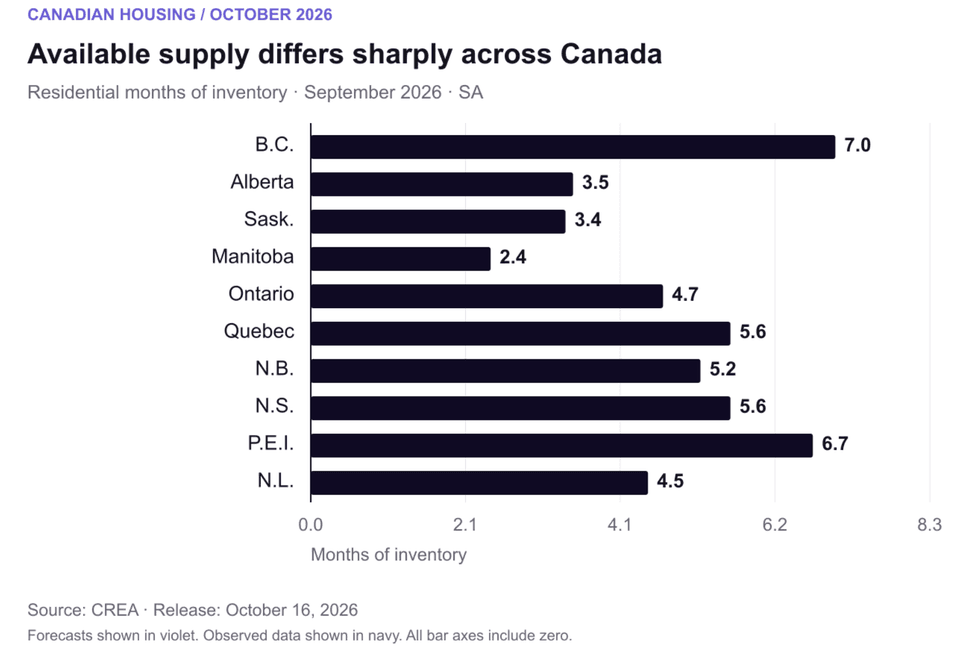 Seasonally adjusted residential months of inventory by province. Local property types can differ substantially. Chart:
 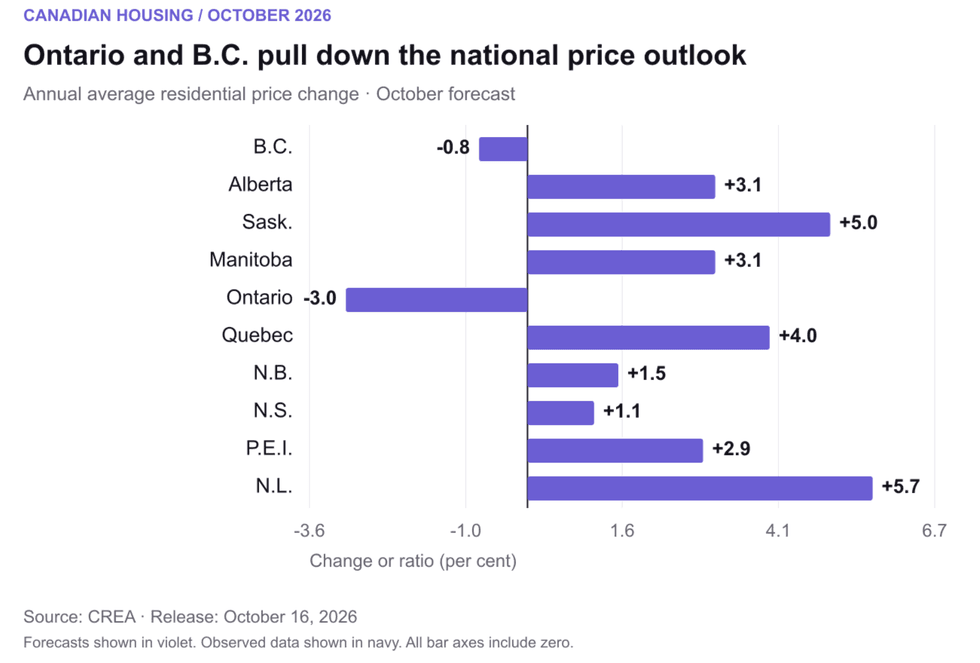 Ontario and B.C. are the two provinces with forecast annual average-price declines in 2026. Chart:
 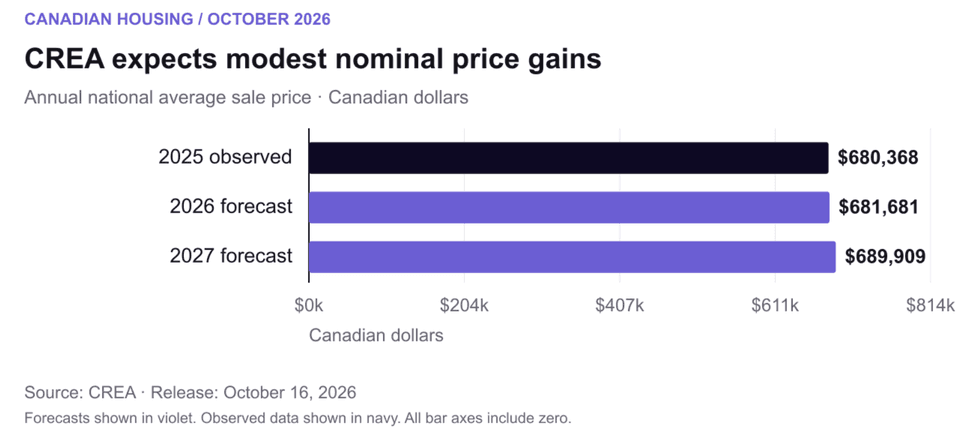 Annual average transaction prices in Canadian dollars. Forecast values are not December price targets. Chart:
 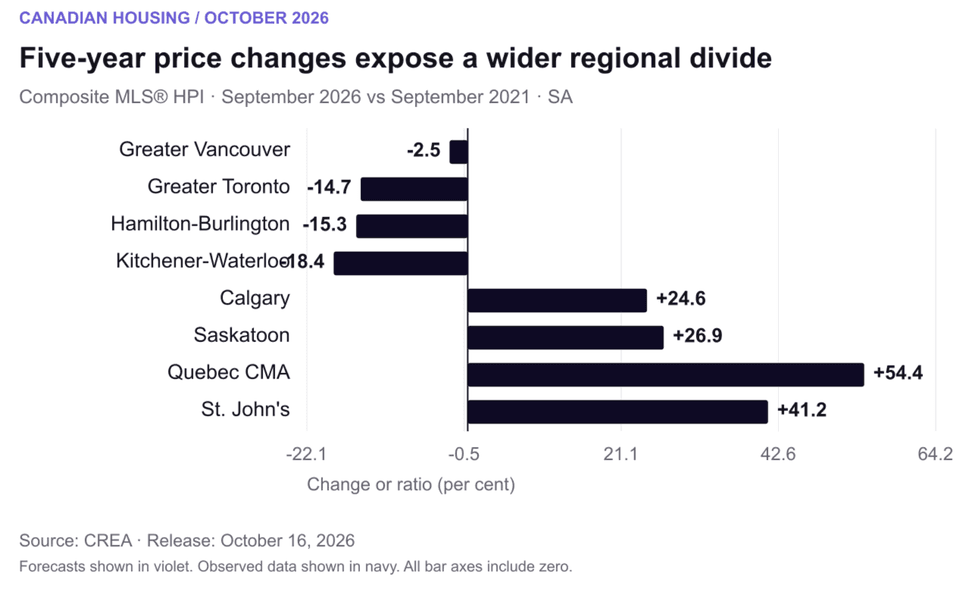 Five-year changes in seasonally adjusted composite MLS® HPI benchmarks, September 2021 to September 2026. Chart:
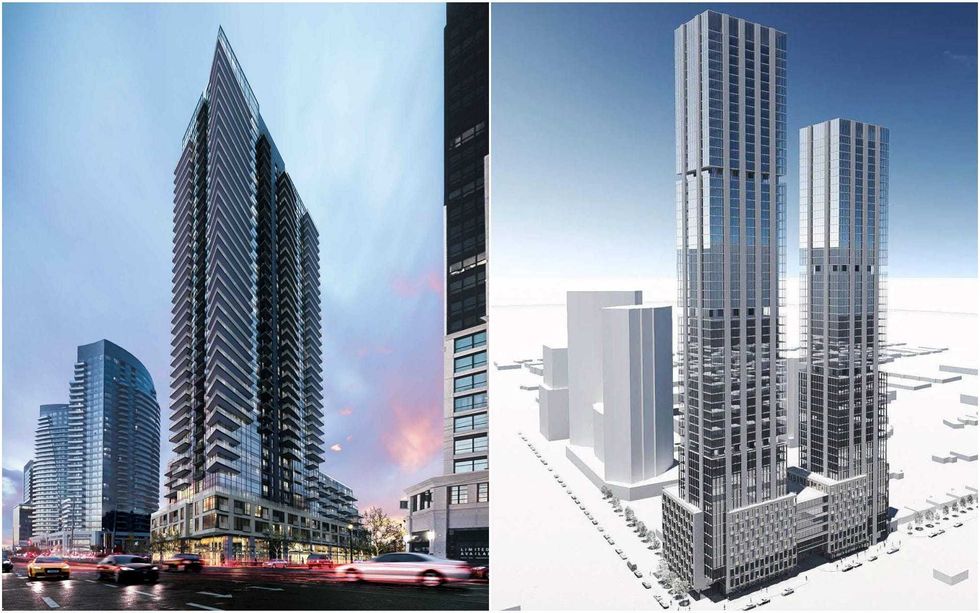 The original proposal (left) and current proposal (right) for 7115 Yonge Street and 8-14 Grandview Avenue in Markam. (Arcadis)