Condo Fees
Learn what condo fees are in Canadian real estate, how they're calculated, what they cover, and how they affect the cost of owning a condominium.

May 22, 2025
What are Condo Fees?
Condo fees, also known as maintenance fees, are monthly payments made by condominium owners to their condominium corporation to cover the upkeep and operation of the building and shared amenities.
Why Condo Fees Matter in Real Estate
In Canadian real estate, condo fees are a significant and ongoing cost associated with owning a condominium. These fees fund the maintenance of common areas such as lobbies, hallways, elevators, fitness centres, and parking garages, as well as services like snow removal, landscaping, and security.
Condo fees also contribute to the building’s reserve fund—a savings account set aside for major future repairs like roof replacements or structural upgrades. The size of the fee depends on the building’s size, age, amenities, and location. Units with larger square footage or premium locations (e.g., corner units or penthouses) often pay higher fees.
Buyers should factor condo fees into their monthly housing budget, as they directly impact affordability and mortgage qualification. A well-managed condo corporation will provide a clear financial breakdown and a healthy reserve fund. Prospective buyers are advised to review the condominium’s status certificate to understand financial health, fee history, and any pending increases.
Understanding condo fees helps buyers compare buildings, assess long-term affordability, and anticipate shared ownership responsibilities.
Example of Condo Fees in Action
A condo owner in Vancouver pays $450/month in condo fees, which cover heating, building insurance, maintenance, and contributions to the reserve fund.
Key Takeaways
- Monthly payments that cover shared building expenses.
- Vary based on unit size, amenities, and building condition.
- Include contributions to a long-term reserve fund.
- Impact affordability and should be reviewed before purchase.
- Documented in the condominium’s status certificate.
Related Terms
- Reserve Fund
- Condominium Corporation
- Status Certificate
- Property Management
- HOA Fees

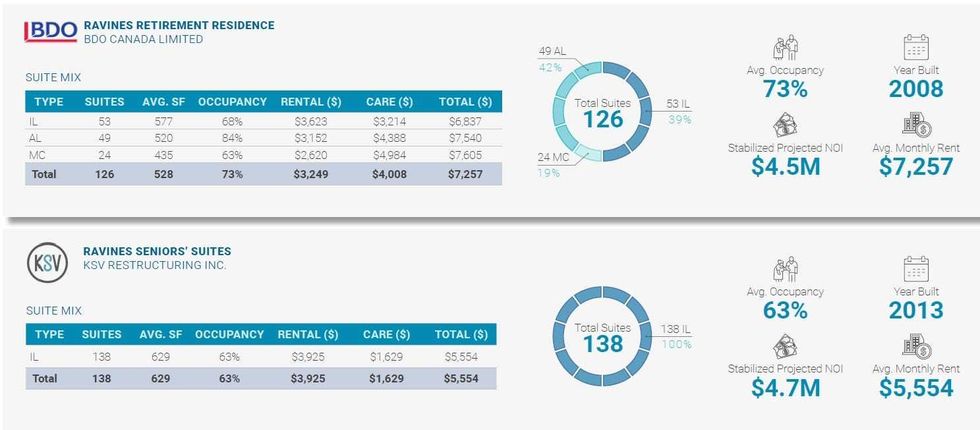 An overview of the two Ravine buildings. (Newmark)
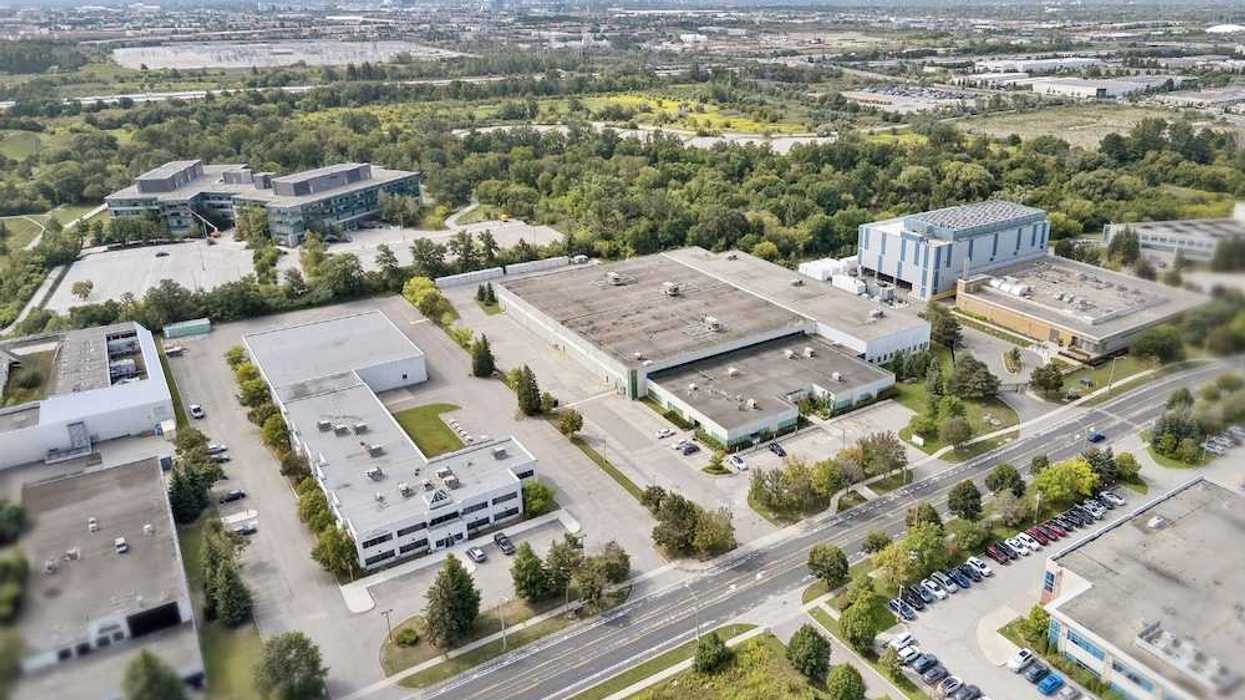
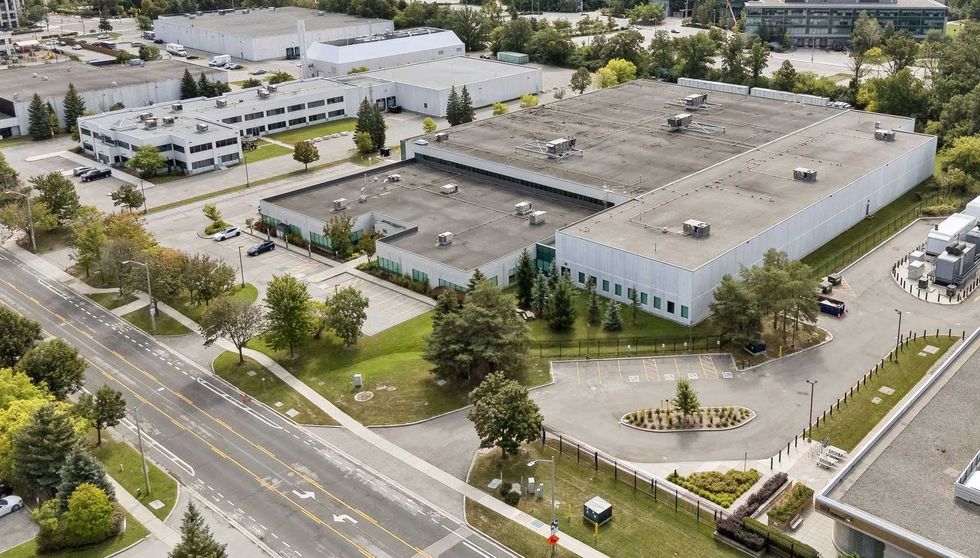 95 Clegg Road in Markham, Ontario. (Colliers)
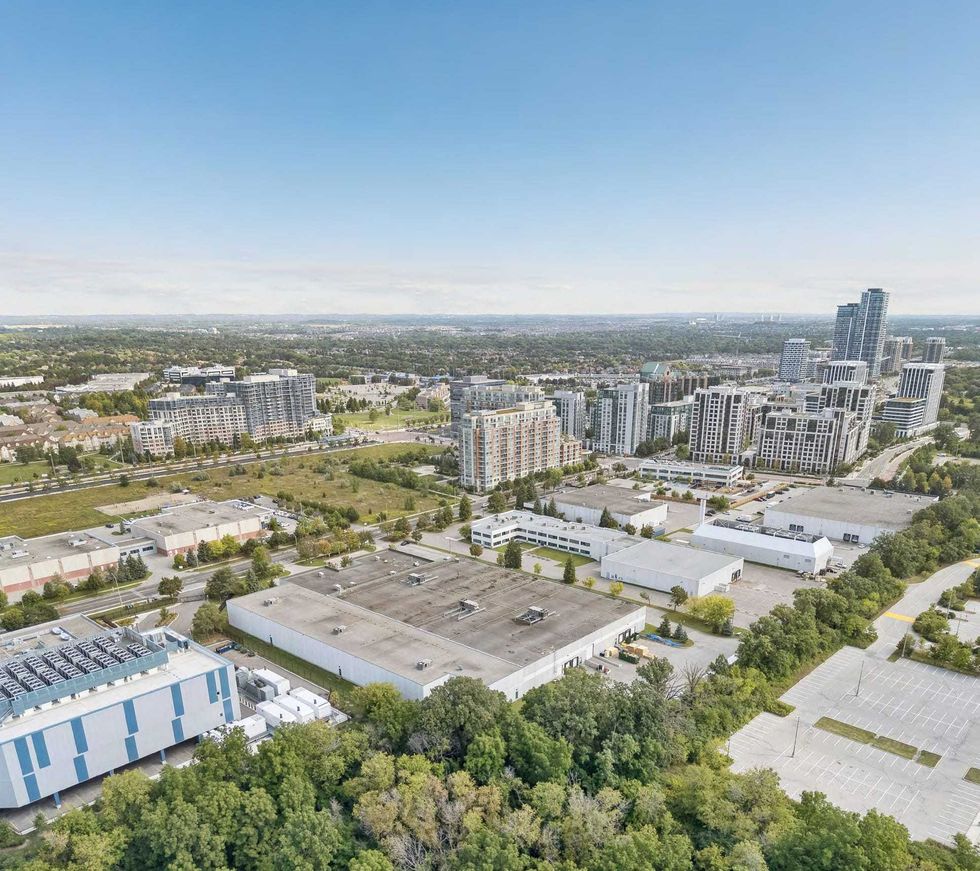 95 Clegg Road (centre) in Markham, Ontario. (Colliers)







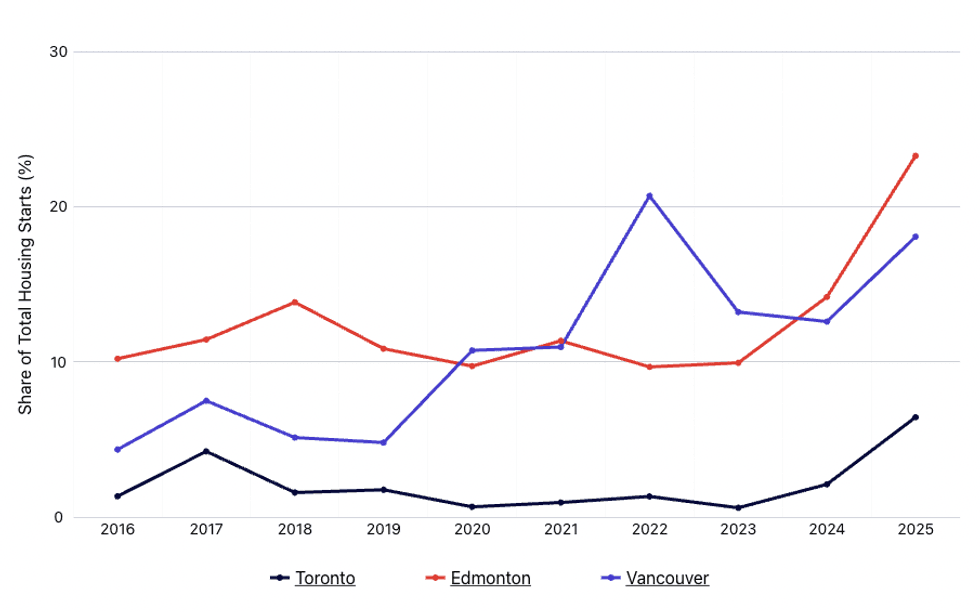 Small-scale infill share of housing starts in Toronto, Vancouver, and Edmonton/CMHC
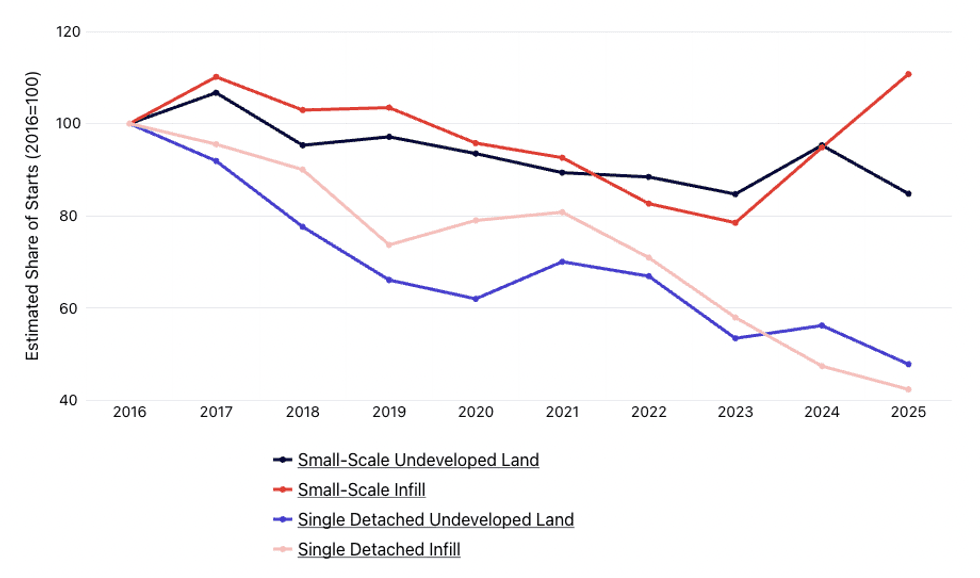 Housing starts for one to eight unit developments/CMHC
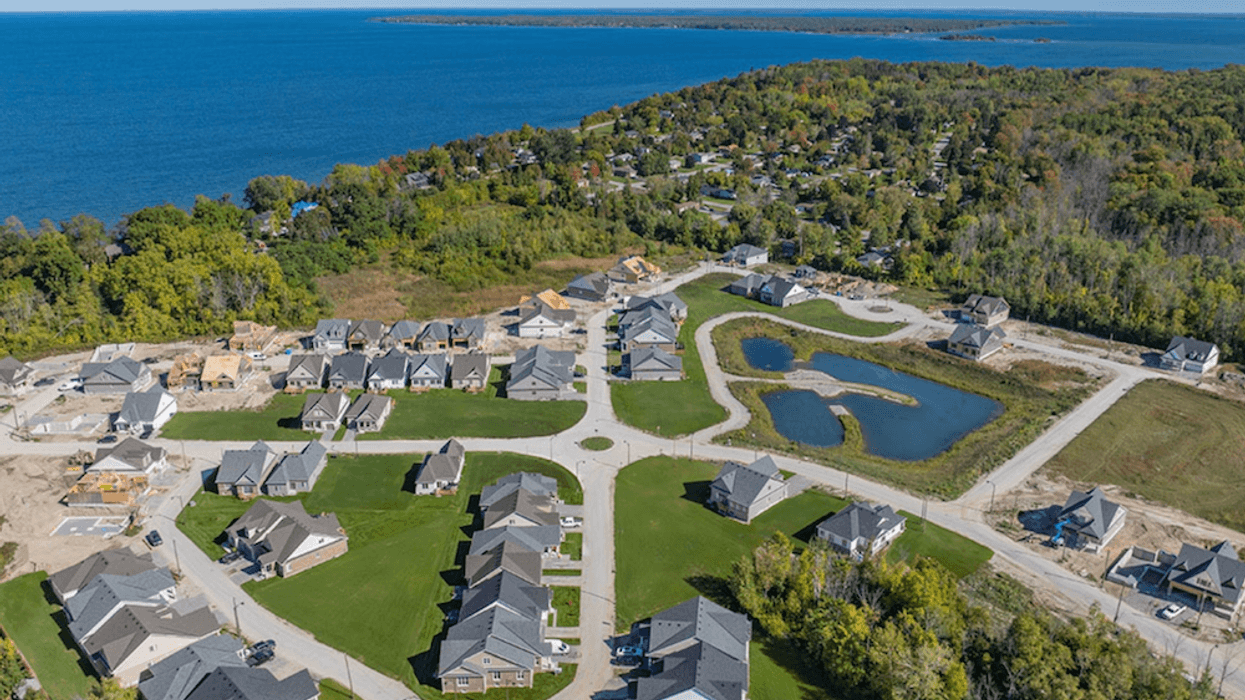
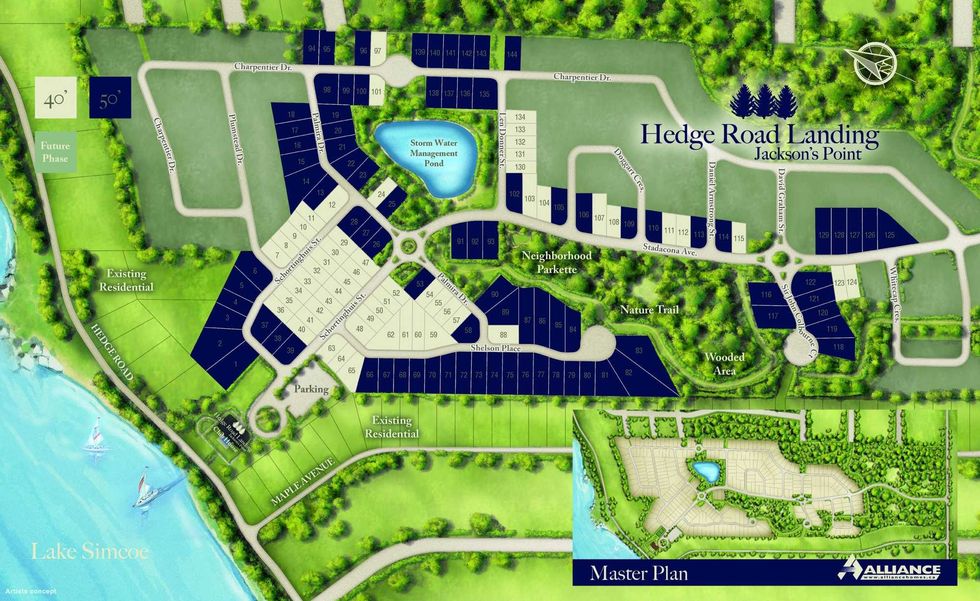 An overview of Hedge Road Landing. (Alliance Homes)

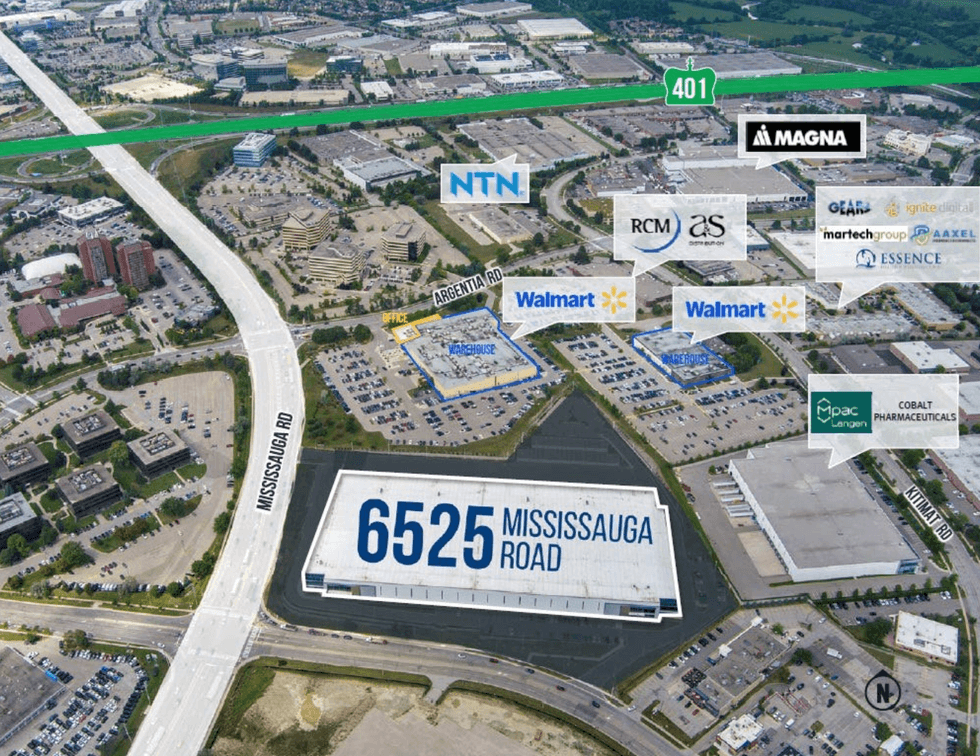 6525 Mississauga Road and its surrounding context. (RBC Capital Markets & CBRE)
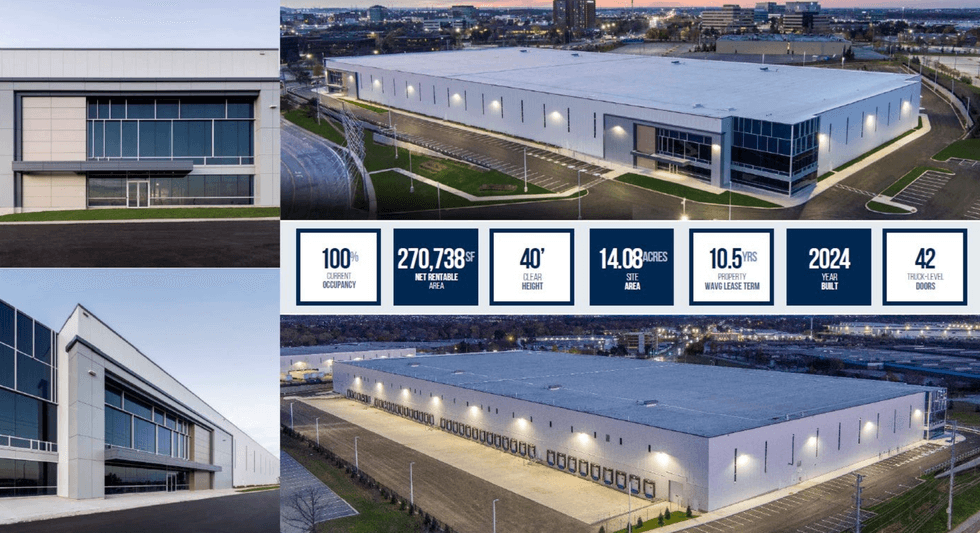 Property details for 6525 Mississauga Road. (RBC Capital Markets & CBRE)
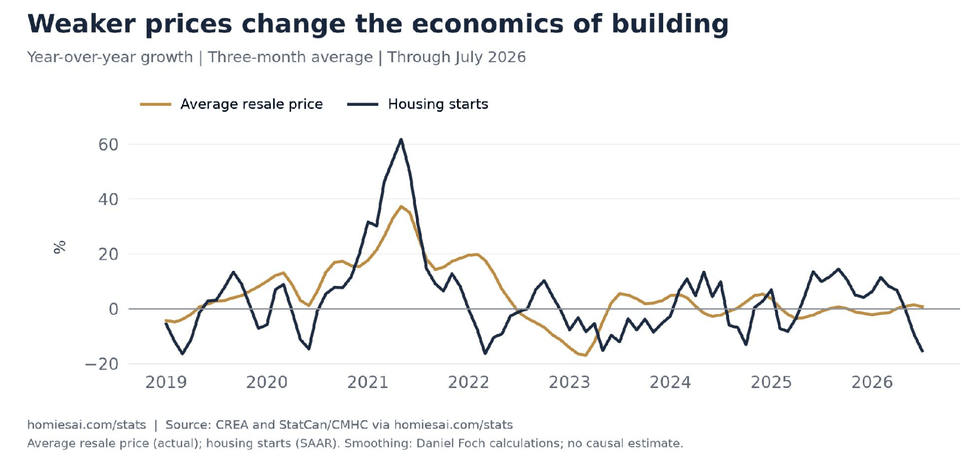 National average resale-price growth and housing-starts growth, smoothed over three months. The comparison illustrates the cycle; it does not establish how much a price change causes construction to change.
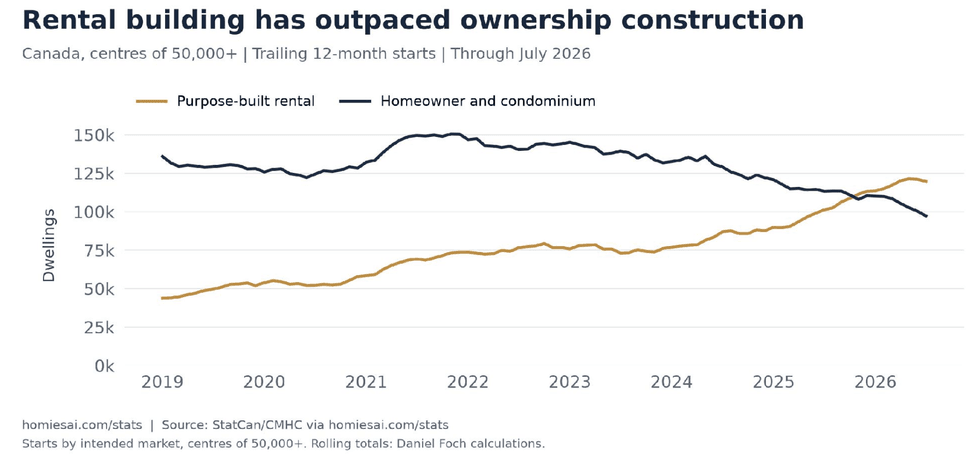 Trailing 12-month starts in centres of 50,000 or more remove the usual monthly seasonality. Ownership combines the homeowner and condominium categories; rental is shown separately.
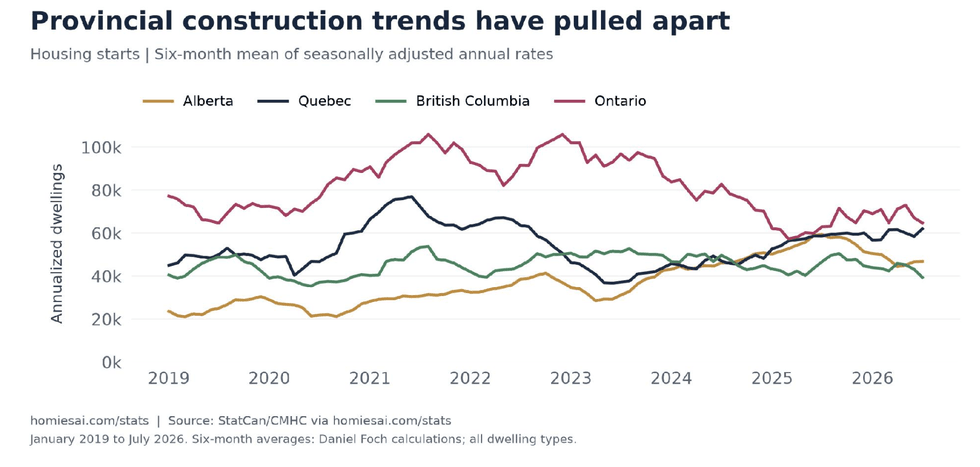 Six-month averages of provincial starts, expressed at annual rates. The smoothing reduces the influence of individual apartment projects.
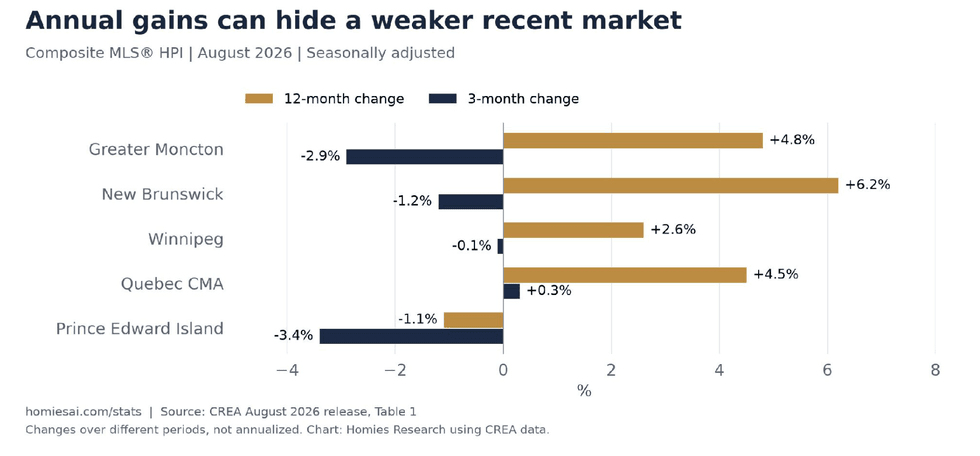 The same August benchmark compared with two different starting points. Three-month changes are not annualized.
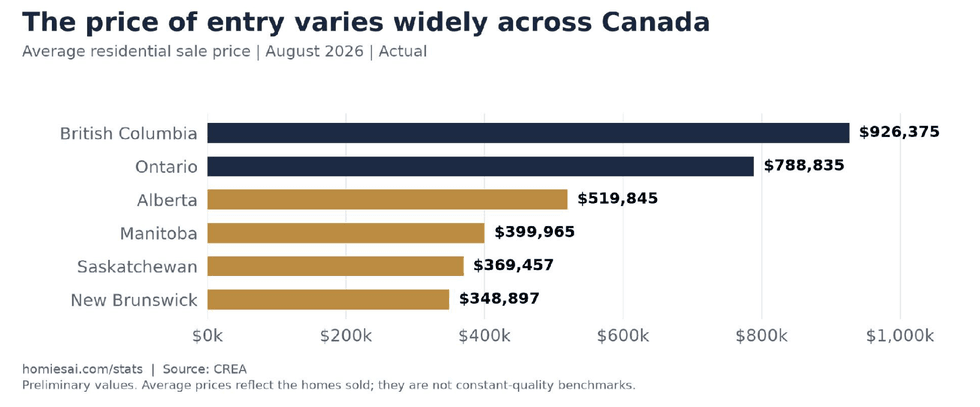 Average sale prices show the difference in purchase costs across markets. They do not measure affordability relative to local incomes or construction costs.
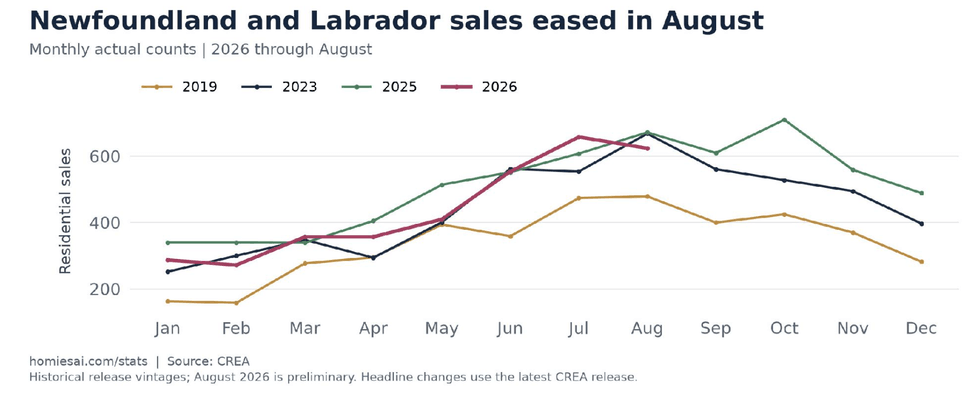 Newfoundland and Labrador remains above its pre-pandemic sales pattern, but August activity was below last year. Historical lines retain their original release vintages.