Certificate of Occupancy
Explore what a certificate of occupancy is in Canadian real estate — why it’s required, when it’s issued, and what it confirms.

July 11, 2025
What is a Certificate of Occupancy?
A certificate of occupancy is an official document issued by a municipal authority confirming that a building complies with applicable codes and is safe for occupancy.
Why a Certificate of Occupancy Matters in Real Estate
In Canadian construction and real estate, a certificate of occupancy is required before a new building or major renovation can be legally inhabited.
It confirms:
- Completion of inspections (e.g., fire, plumbing, electrical)
- Compliance with building codes and permits
- Safety and habitability
Understanding this certificate helps buyers, builders, and landlords ensure compliance and avoid legal issues.
Example of a Certificate of Occupancy in Action
The developer secured the certificate of occupancy before residents moved into the newly constructed apartment building.
Key Takeaways
- Confirms a building is safe for use
- Required before occupancy of new builds
- Issued after final inspections
- Ensures code and permit compliance
- Protects owners and occupants legally
Related Terms
- Building Permit
- Final Inspection
- Occupancy Permit
- Building Code
- Permit Compliance

 Via STOREYS Editorial team







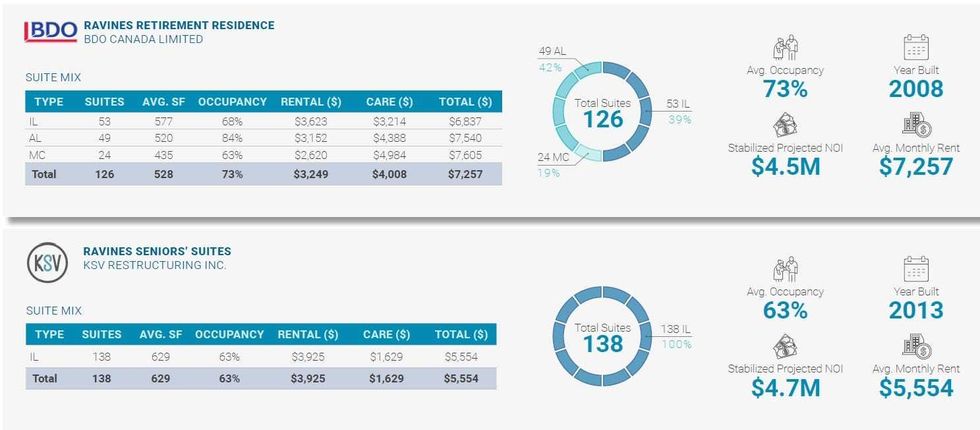 An overview of the two Ravine buildings. (Newmark)
 95 Clegg Road in Markham, Ontario. (Colliers)
 95 Clegg Road (centre) in Markham, Ontario. (Colliers)

 Small-scale infill share of housing starts in Toronto, Vancouver, and Edmonton/CMHC
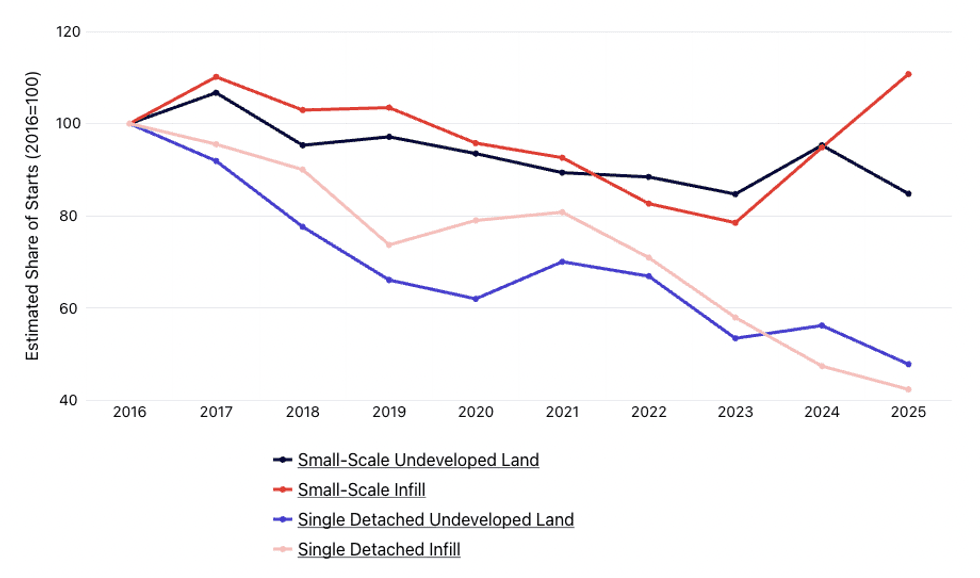 Housing starts for one to eight unit developments/CMHC

 An overview of Hedge Road Landing. (Alliance Homes)