Permit Compliance
Explore permit compliance in Canadian real estate: why it's essential for legal renovations, resale readiness, and building safety standards.

June 16, 2025
What is Permit Compliance?
Permit compliance refers to the requirement that all building or renovation work complies with approved municipal permits and relevant building codes.
Why Permit Compliance Matters in Real Estate
In Canadian real estate, municipalities issue permits to ensure construction meets safety, zoning, and environmental standards. Non-compliance can lead to legal penalties, insurance issues, or delays in selling a home.
Permit compliance requires:
- Securing proper permits before construction
- Following approved drawings and code
- Passing inspections at key stages
- Closing permits before occupancy or sale
Buyers are often advised to verify permit history, especially for basements, additions, or major upgrades.
Understanding permit compliance protects buyers and homeowners from liability and uninsurable risks.
Example of Permit Compliance in Action
The homeowner failed to secure permit compliance for a finished basement, delaying the home sale and triggering a municipal fine.
Key Takeaways
- Ensures legal, safe building practices
- Required by municipal law
- Includes inspections and final approvals
- Impacts insurance and resale value
- Must be verified in real estate transactions
Related Terms
- Renovation Permits
- Building Code
- Final Inspection
- Property Disclosure Statement
- Unpermitted Work
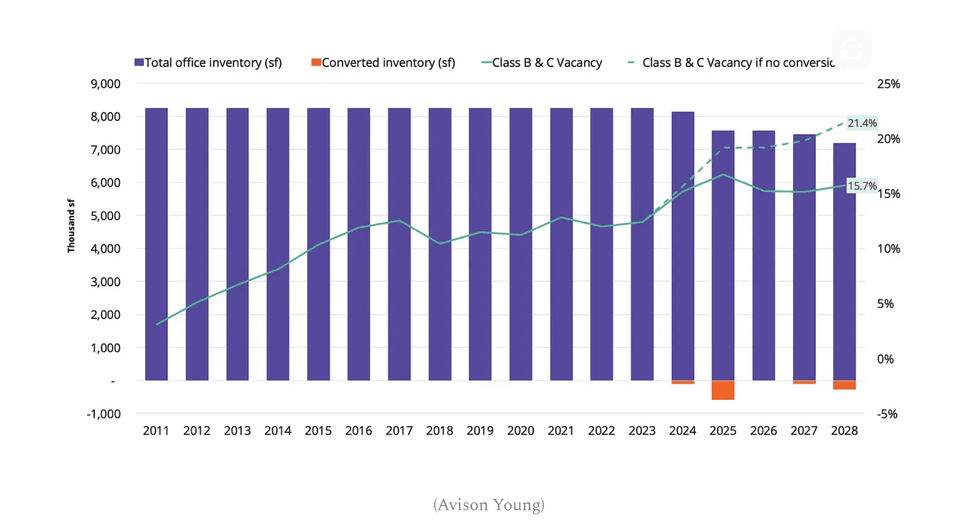 (Avison Young)
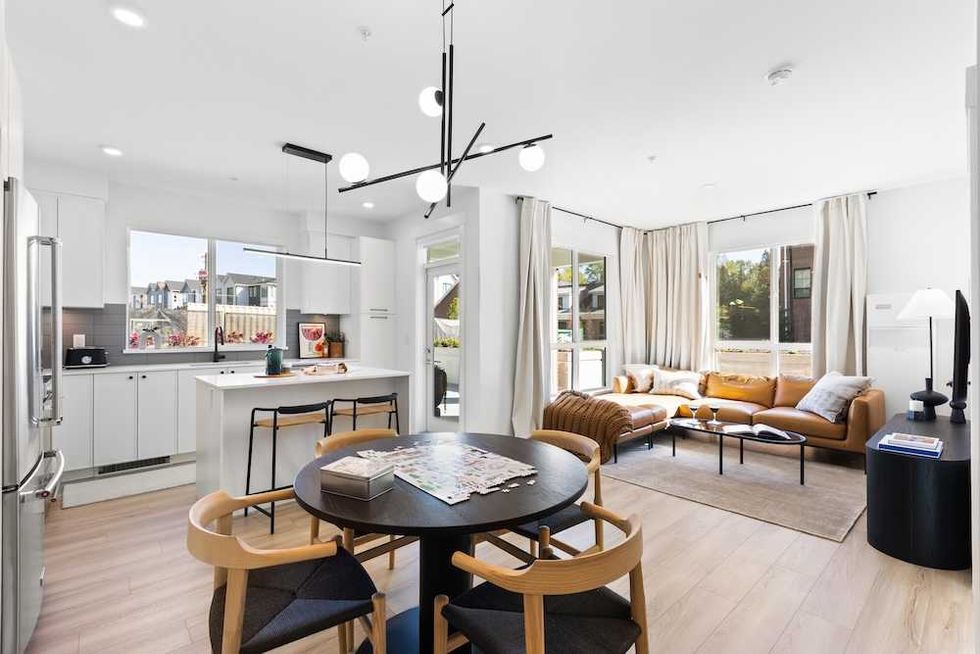 The Mason Suite Interior (Infinity Properties)
 The Mason Suite Interior (Infinity Properties)
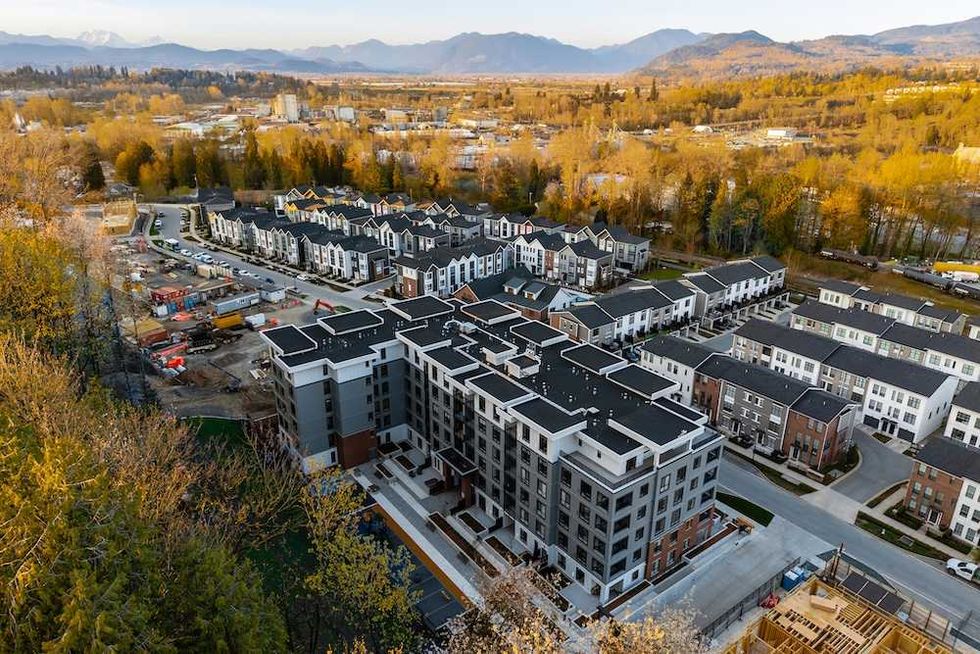 Rail District aerial (Infinity Properties)
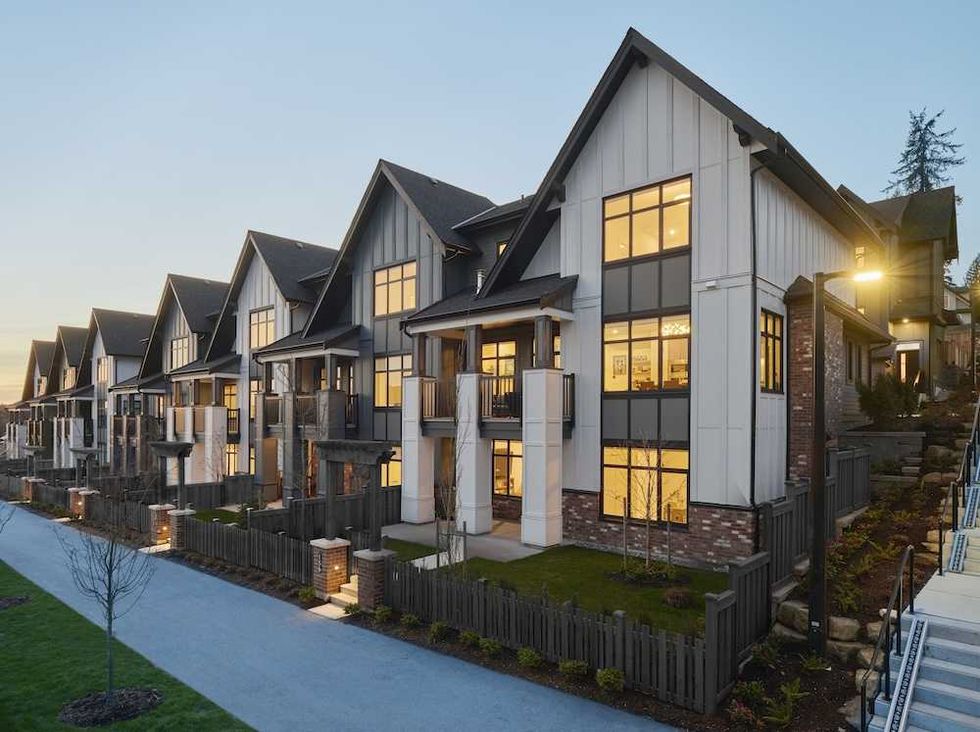 Versant (Infinity Properties)




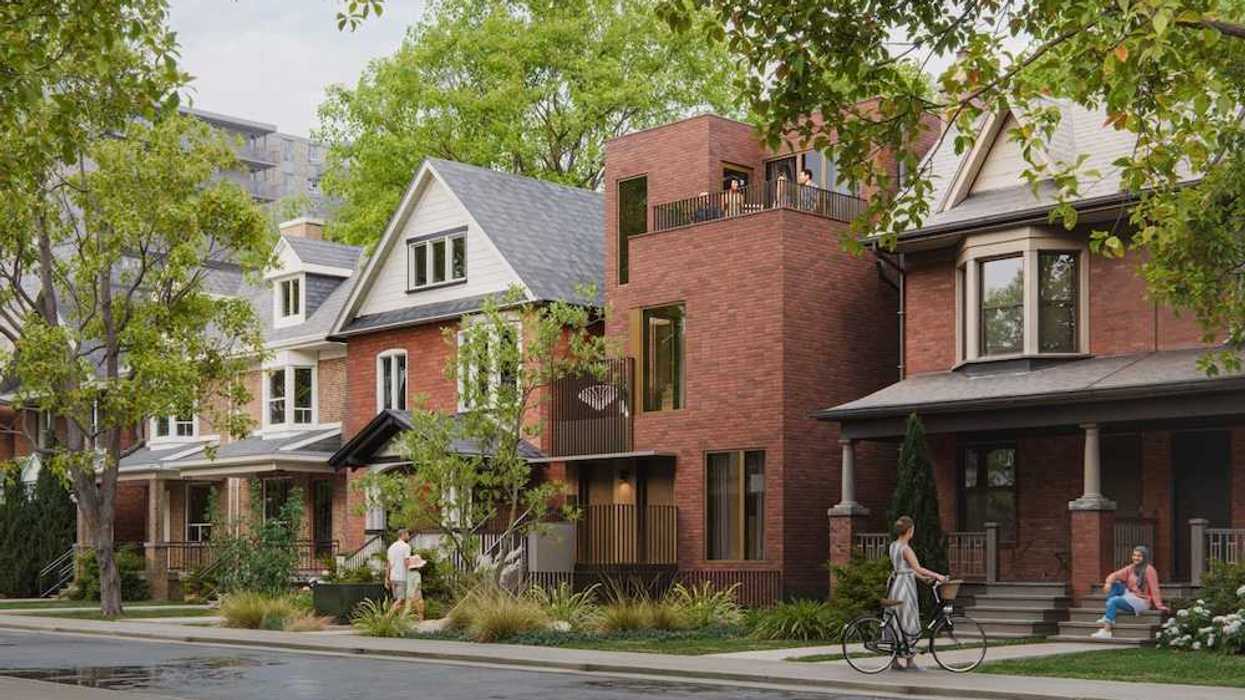
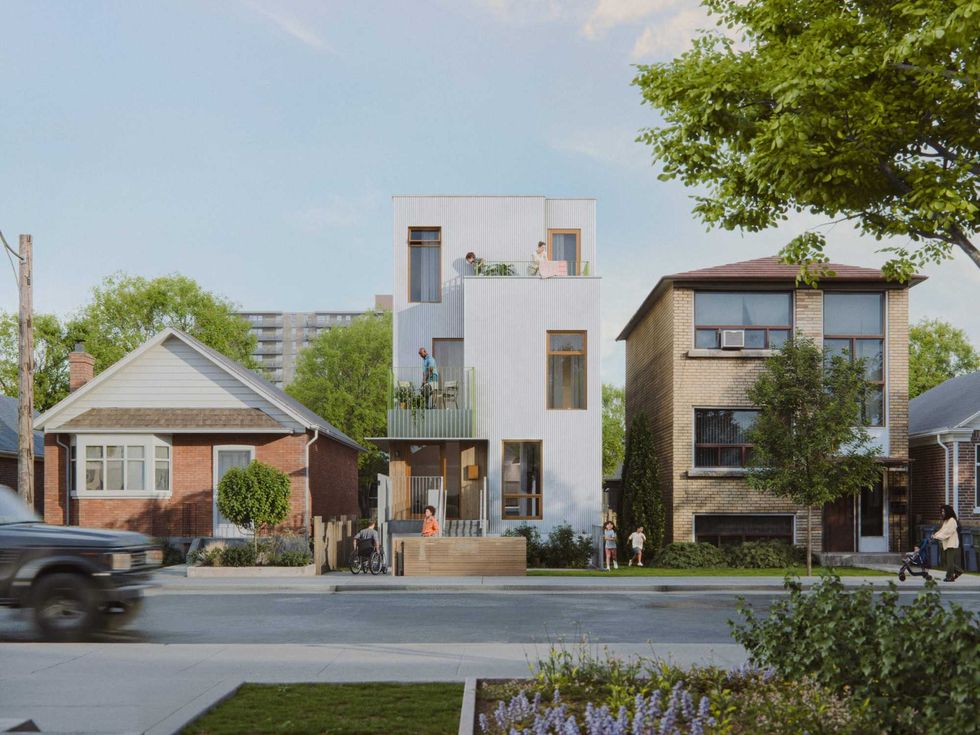 Narrow Fourplex (City of Toronto)
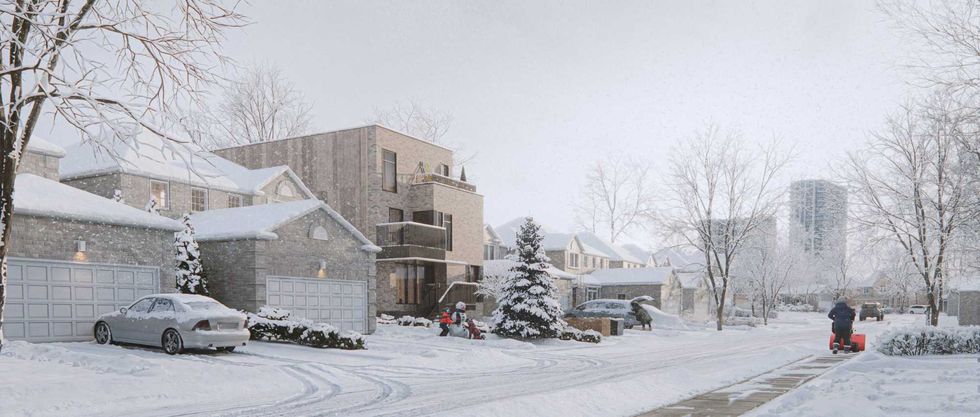 Wide Sixplex - Side View (City of Toronto)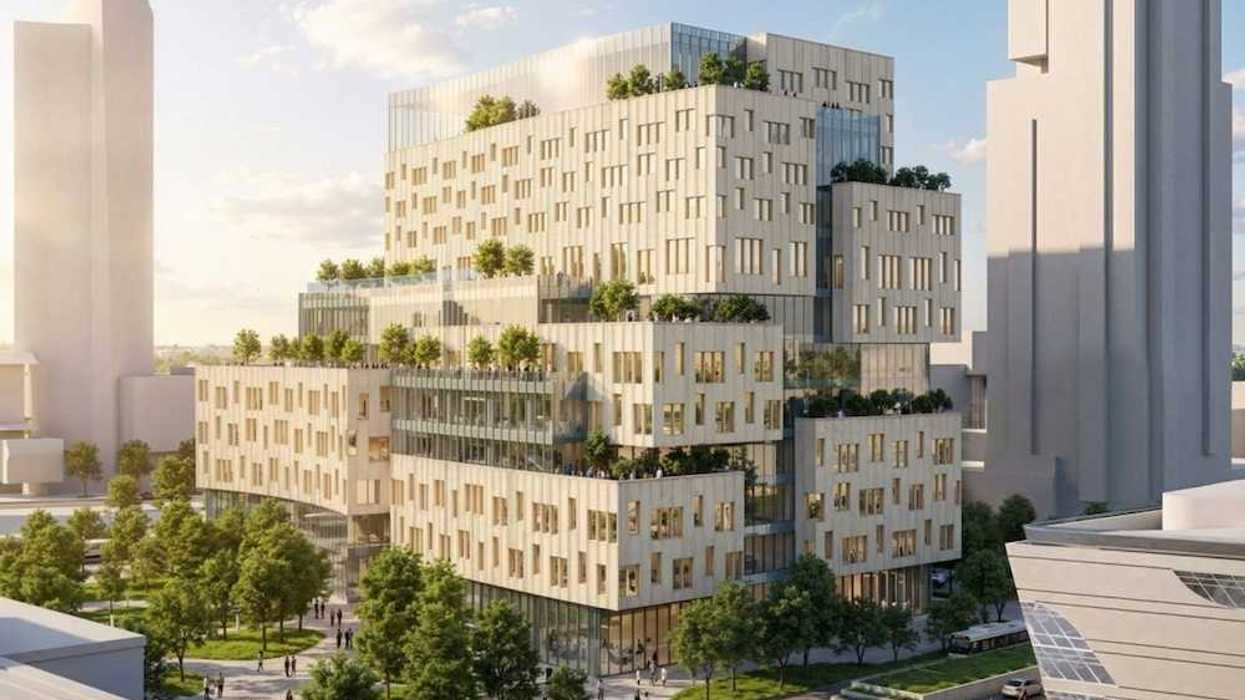
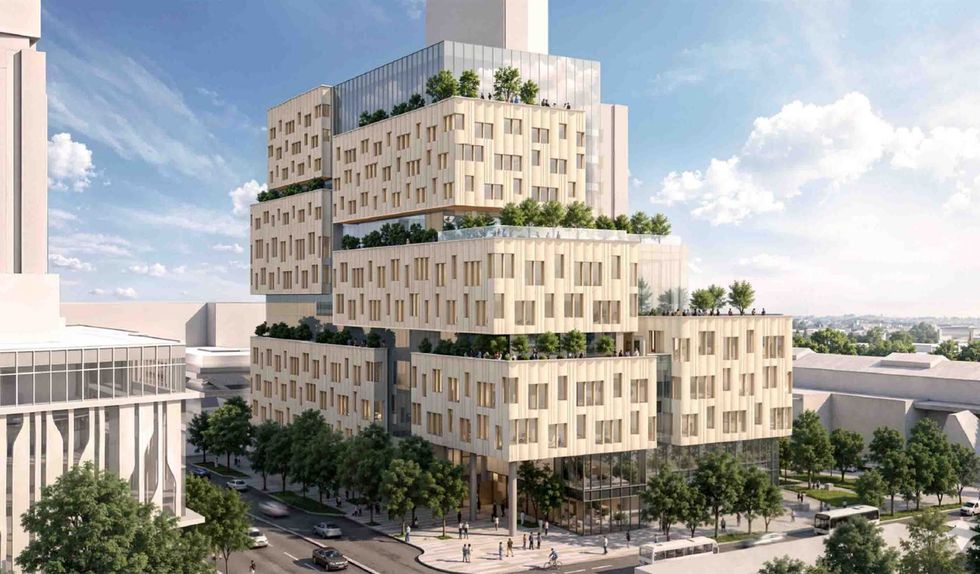
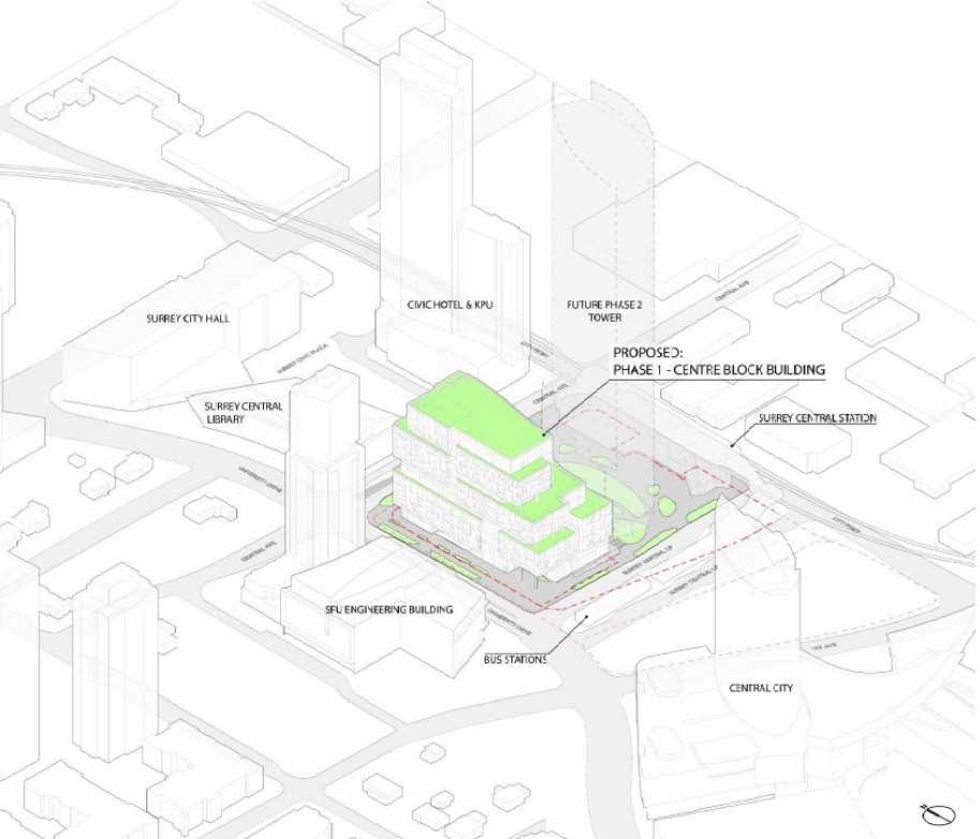 Centre Block and its surrounding context. (Stantec-Revery, SCDC)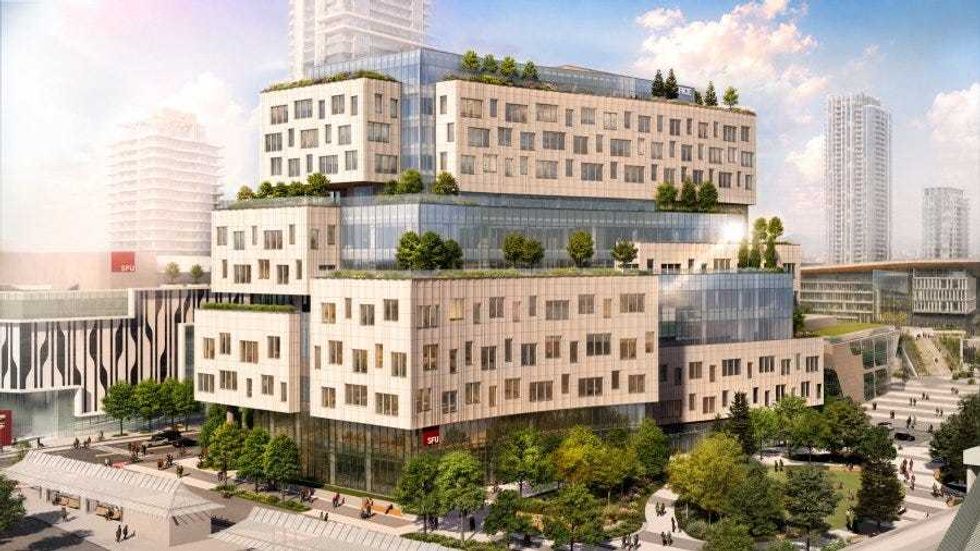
 The 12-storey Phase One of Centre Block. (Stantec-Revery, SCDC)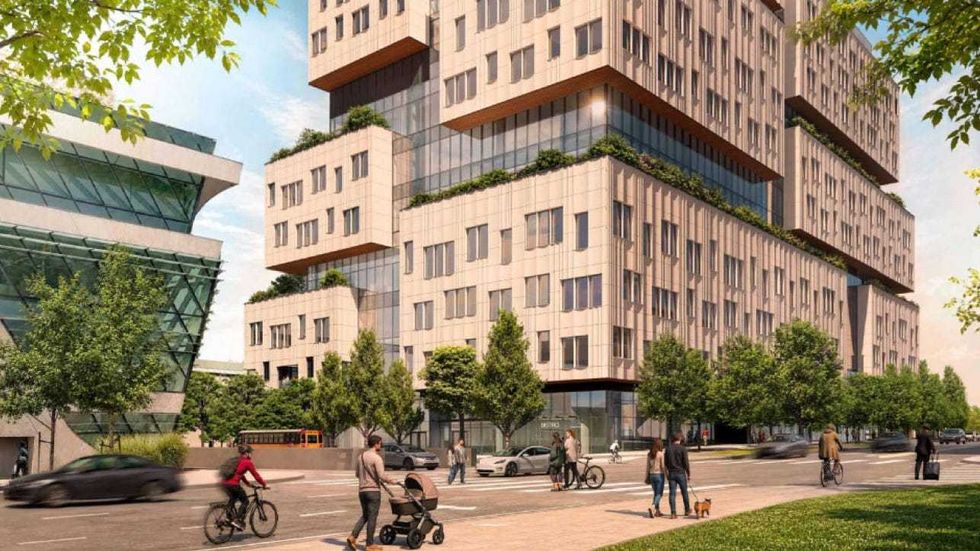
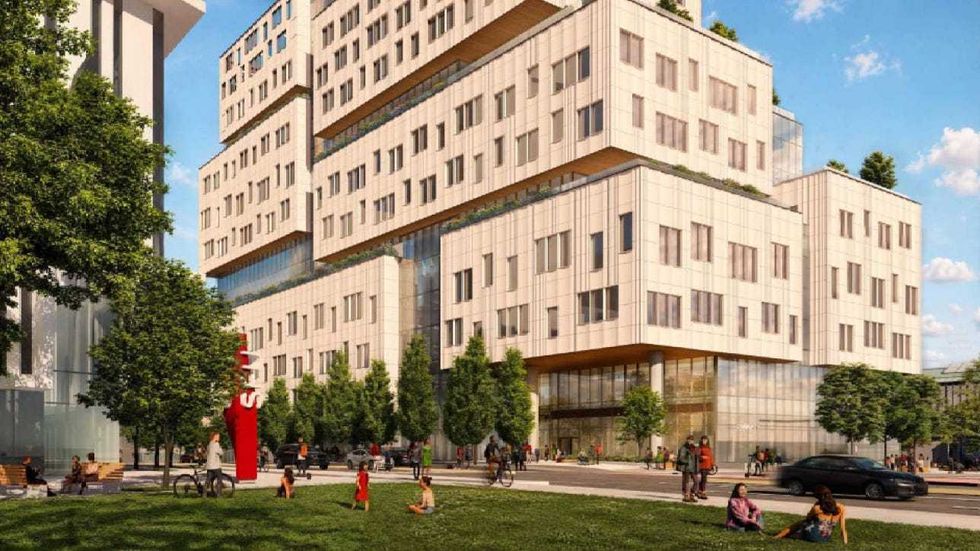 The 12-storey Phase One of Centre Block. (Stantec-Revery, SCDC)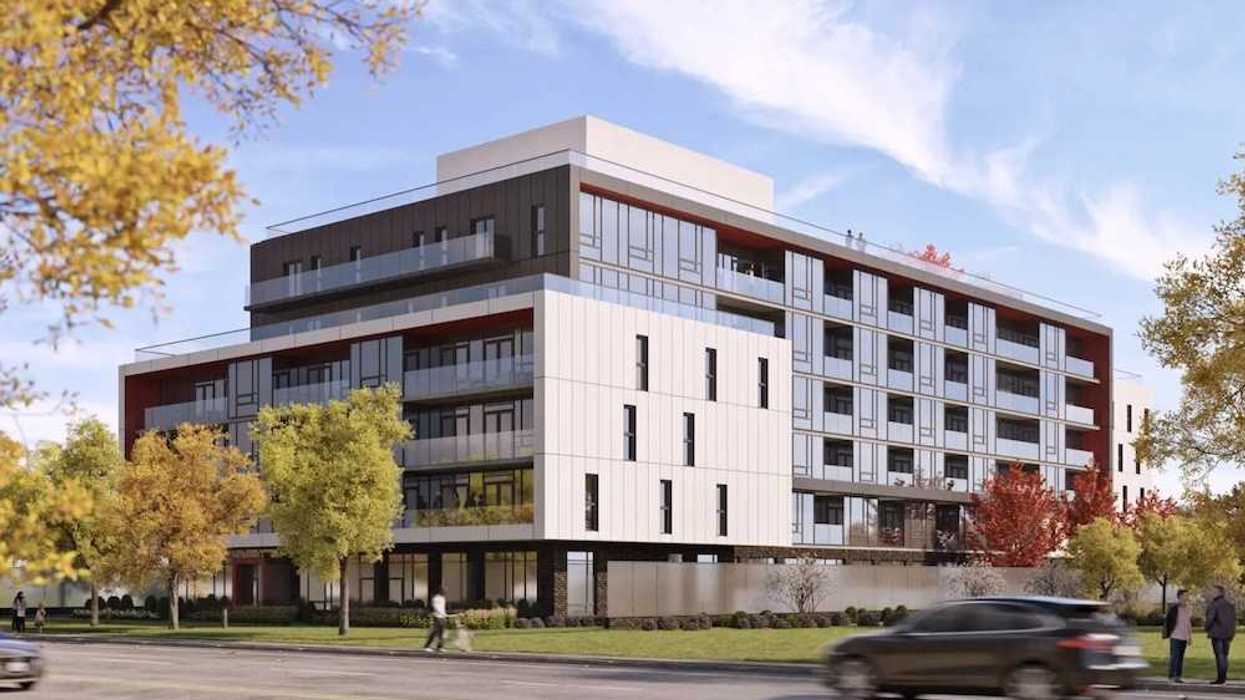
 Mondria One, set for 1607 King Street East in Clarington, Ontario. (ICON Architects Inc., Monde Development Group)