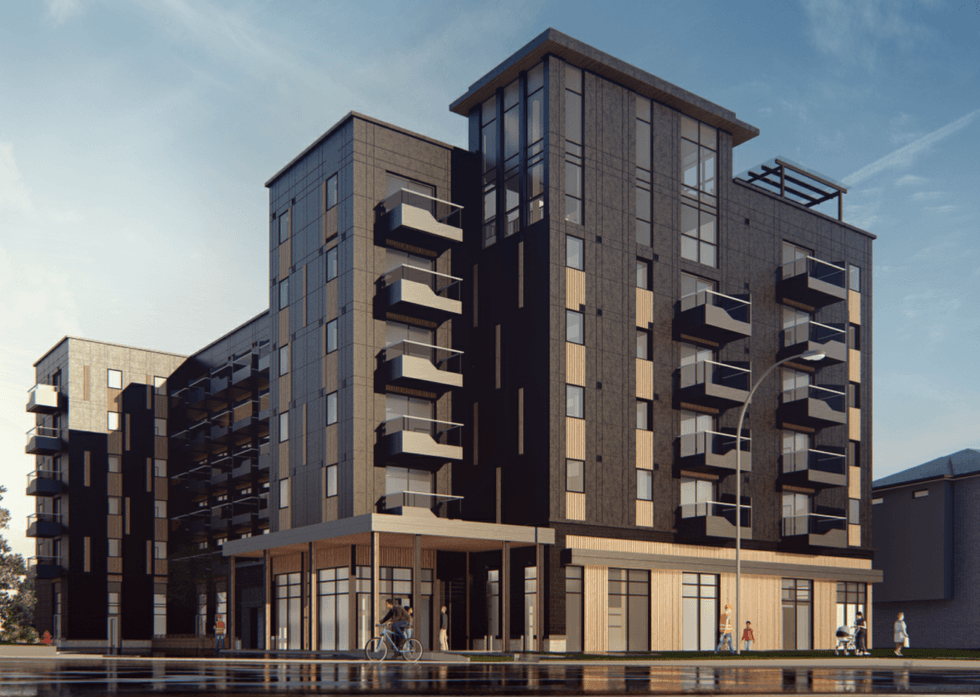
Adaptive Housing Design
Adaptive housing design incorporates accessibility and universal features to support aging-in-place and inclusive living.

September 29, 2025
What is Adaptive Housing Design?
Adaptive housing design refers to homes that are built or modified to accommodate people of all ages and abilities, including seniors and those with disabilities. Features often include barrier-free entryways, wider doorways, accessible bathrooms, and flexible layouts that support aging-in-place.
Why Adaptive Housing Design Matters in Real Estate
Adaptive housing design matters in real estate because it increases inclusivity, extends the usability of homes, and adds long-term value for a broader buyer base. As populations age, demand for housing that accommodates accessibility needs continues to grow.
Example of Adaptive Housing Design in Action
A developer markets a subdivision of homes with universal design features such as step-free entrances, lever door handles, and wheelchair-accessible kitchens, appealing to seniors and families planning for the future.
Key Takeaways
- Homes designed for accessibility and inclusivity.
- Supports aging-in-place and long-term usability.
- Increases property value by broadening buyer appeal.
- Incorporates barrier-free and flexible design features.
- Growing demand as populations age.
Related Terms
- Universal Design
- Accessibility Standards
- Aging-in-Place
- Barrier-Free Design
- Inclusive Housing











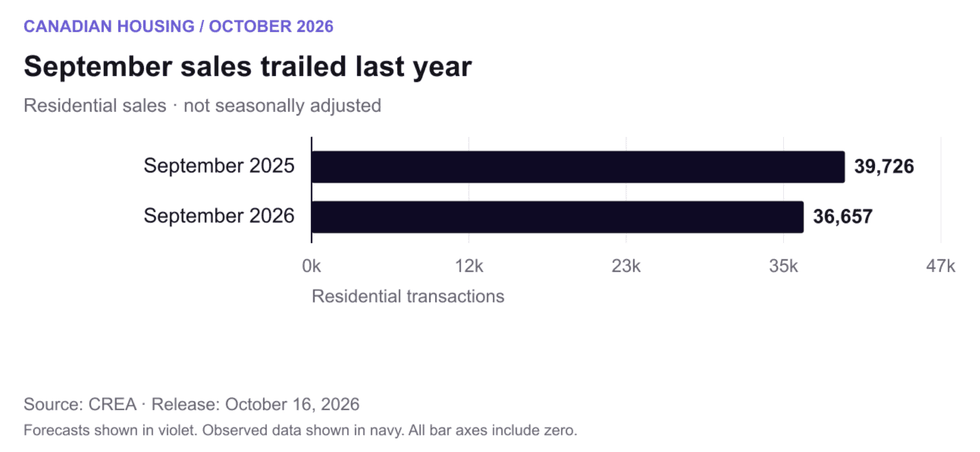 September residential sales, not seasonally adjusted; the annual comparison uses CREA’s revised figures. Chart:
 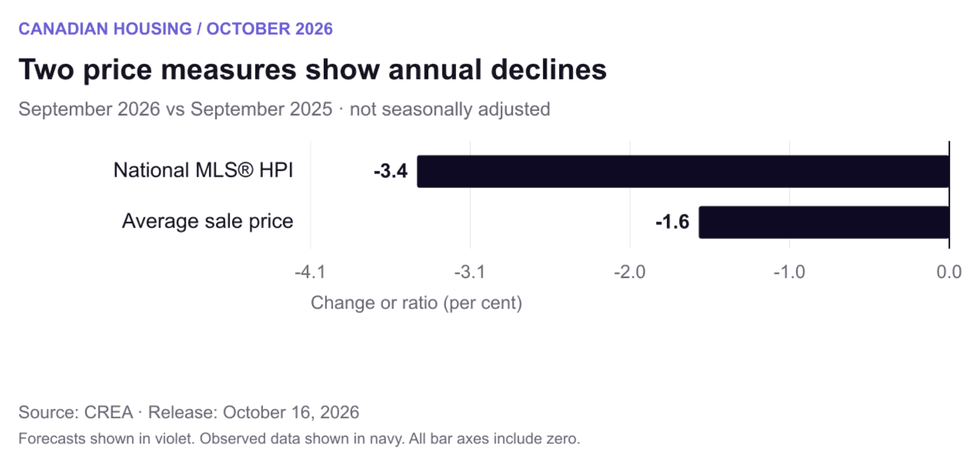 Annual changes in the unadjusted national MLS® HPI and average sale price. The average is affected by the mix of transactions. Chart:
 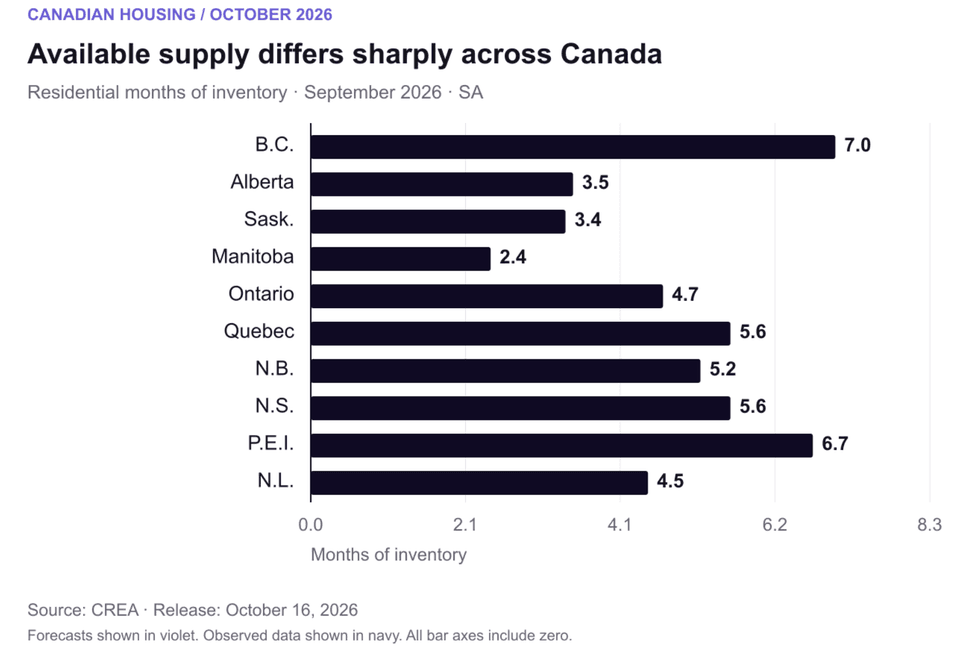 Seasonally adjusted residential months of inventory by province. Local property types can differ substantially. Chart:
 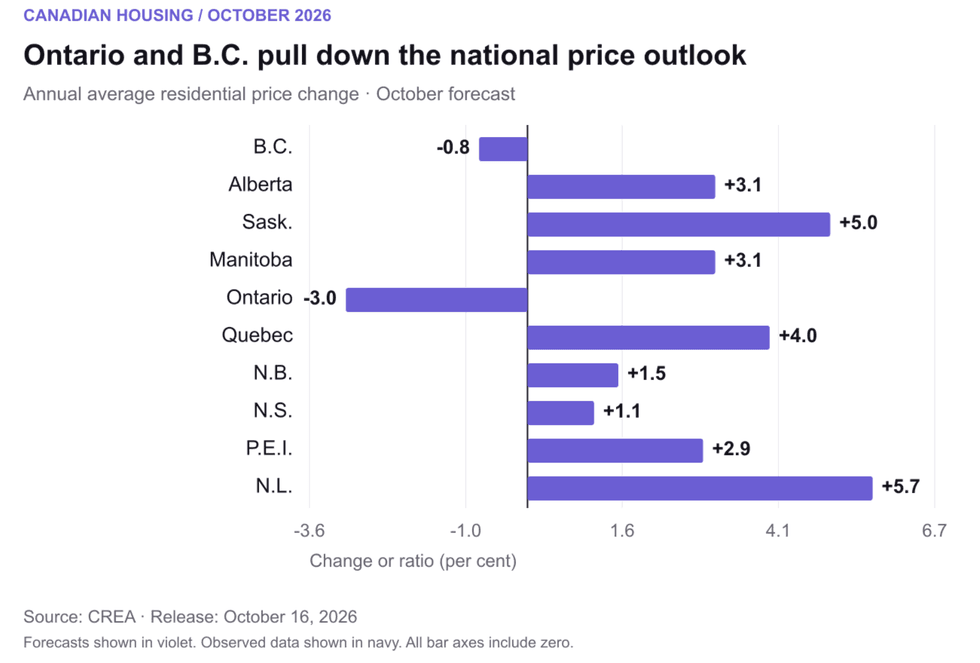 Ontario and B.C. are the two provinces with forecast annual average-price declines in 2026. Chart:
 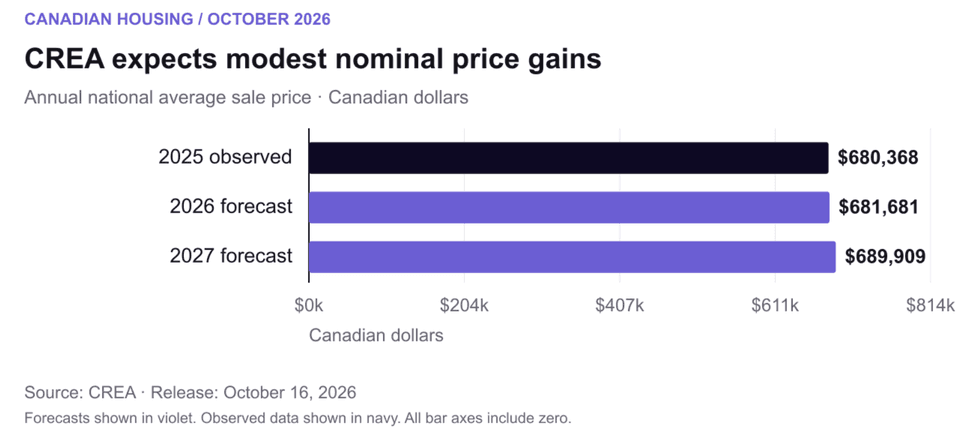 Annual average transaction prices in Canadian dollars. Forecast values are not December price targets. Chart:
 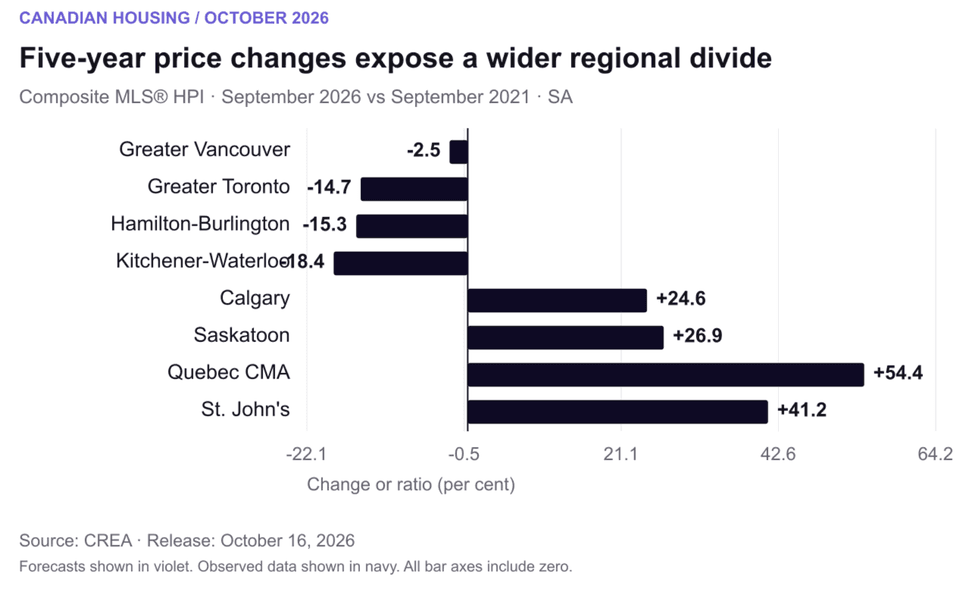 Five-year changes in seasonally adjusted composite MLS® HPI benchmarks, September 2021 to September 2026. Chart: