Rental Displacement
Understand rental displacement in Canadian housing — what causes it, who it affects, and how cities manage its impact through planning and policy.

June 23, 2025
What is Rental Displacement?
Rental displacement refers to the forced or indirect removal of tenants from rental housing due to redevelopment, gentrification, significant rent increases, or property conversion.
Why Rental Displacement Matters in Real Estate
In Canadian real estate, rental displacement raises housing equity concerns and influences planning decisions in urban centres facing affordability crises.
Common causes include:
- Demolition or renovation of rental properties
- Evictions for owner occupation or redevelopment
- Rent increases after tenant turnover
- Condo conversions or repurposing of rental buildings
Displacement disproportionately affects low-income renters and may trigger municipal protections like rental replacement bylaws or tenant relocation programs.
Understanding rental displacement helps planners, developers, and policymakers prioritize balanced growth and housing stability.
Example of Rental Displacement in Action
Tenants in an aging rental building are given eviction notices after the property is sold to a developer planning luxury condos, causing rental displacement.
Key Takeaways
- Occurs when tenants are pushed out due to redevelopment
- Linked to gentrification and affordability pressures
- Can be direct (eviction) or indirect (pricing)
- Affects vulnerable and long-term renters
- Sometimes mitigated by municipal policies
Related Terms
- Gentrification
- Housing Affordability
- Eviction
- Rent Control
- Tenant Rights
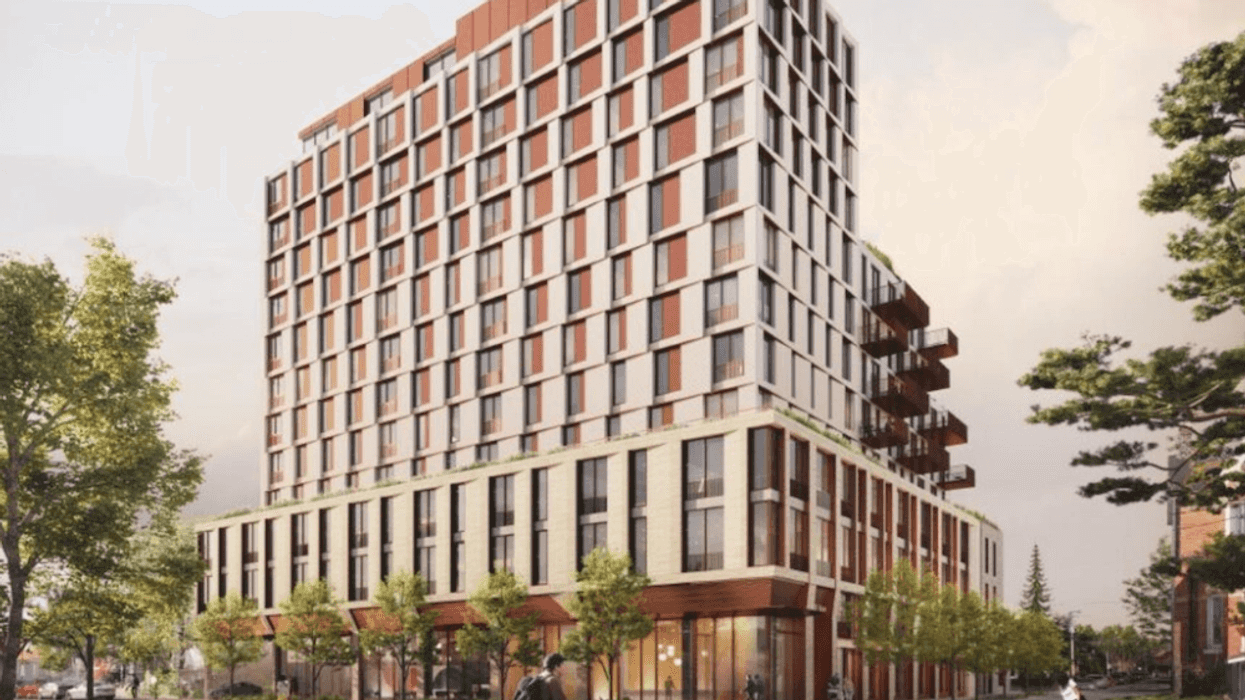
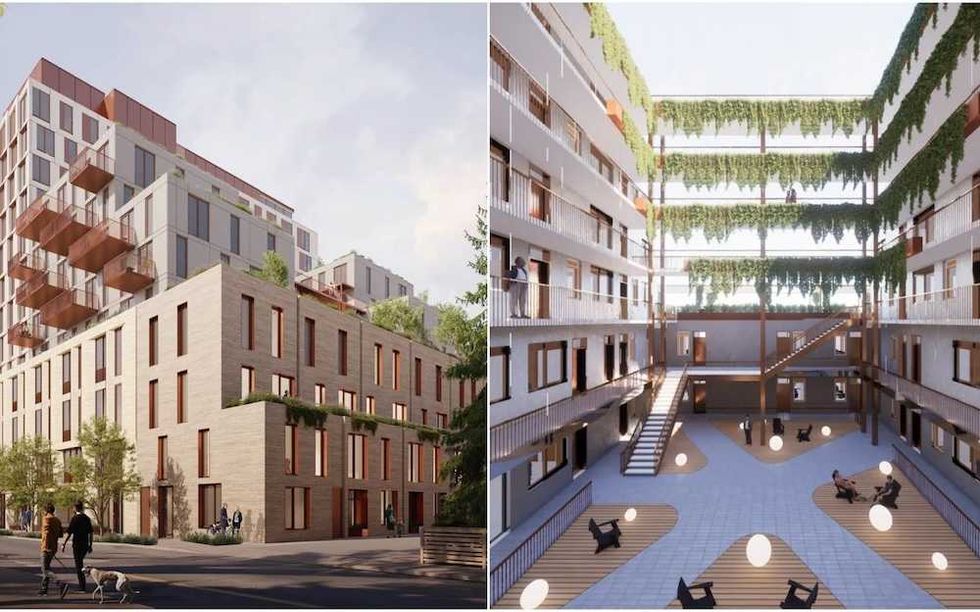 The project approved for 880 Eastern Avenue and 80 Knox Avenue. (SvN Architects, TAS)
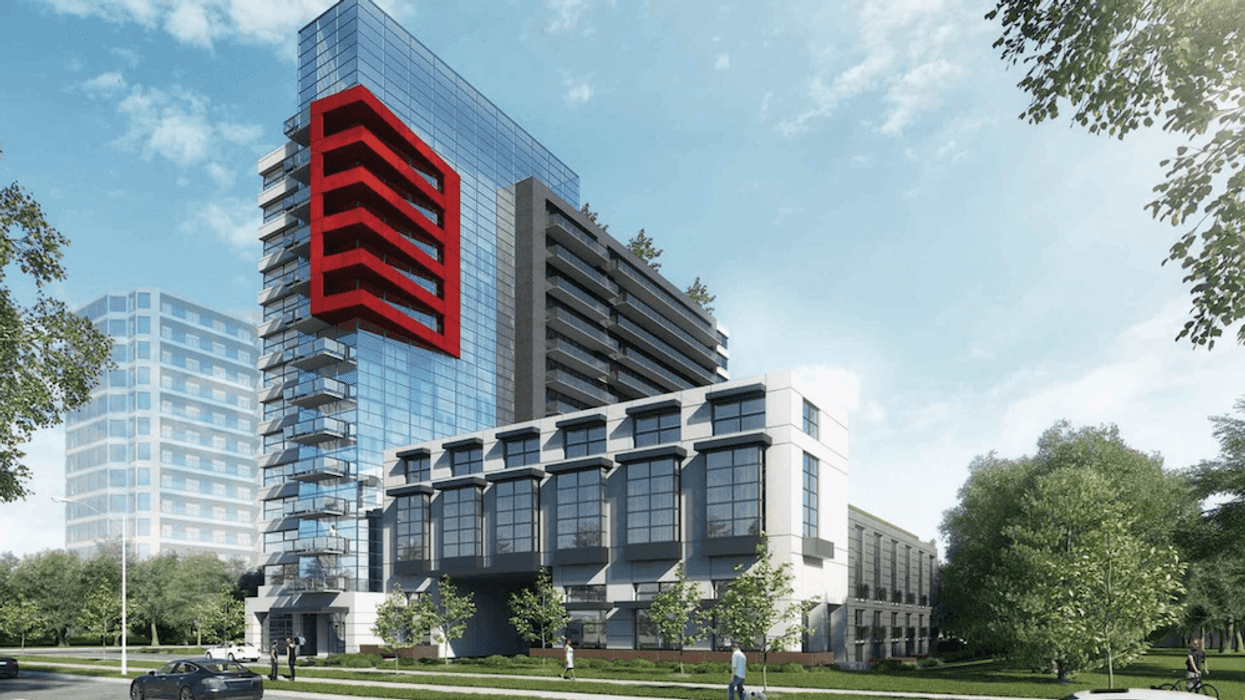
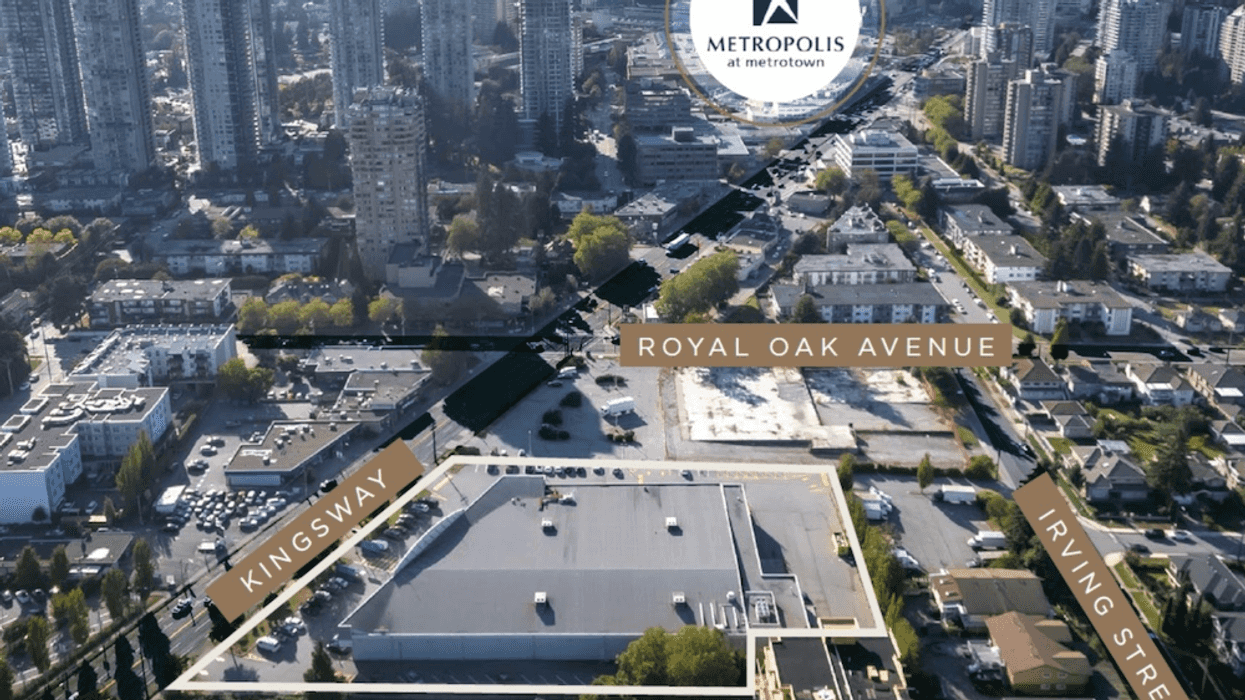




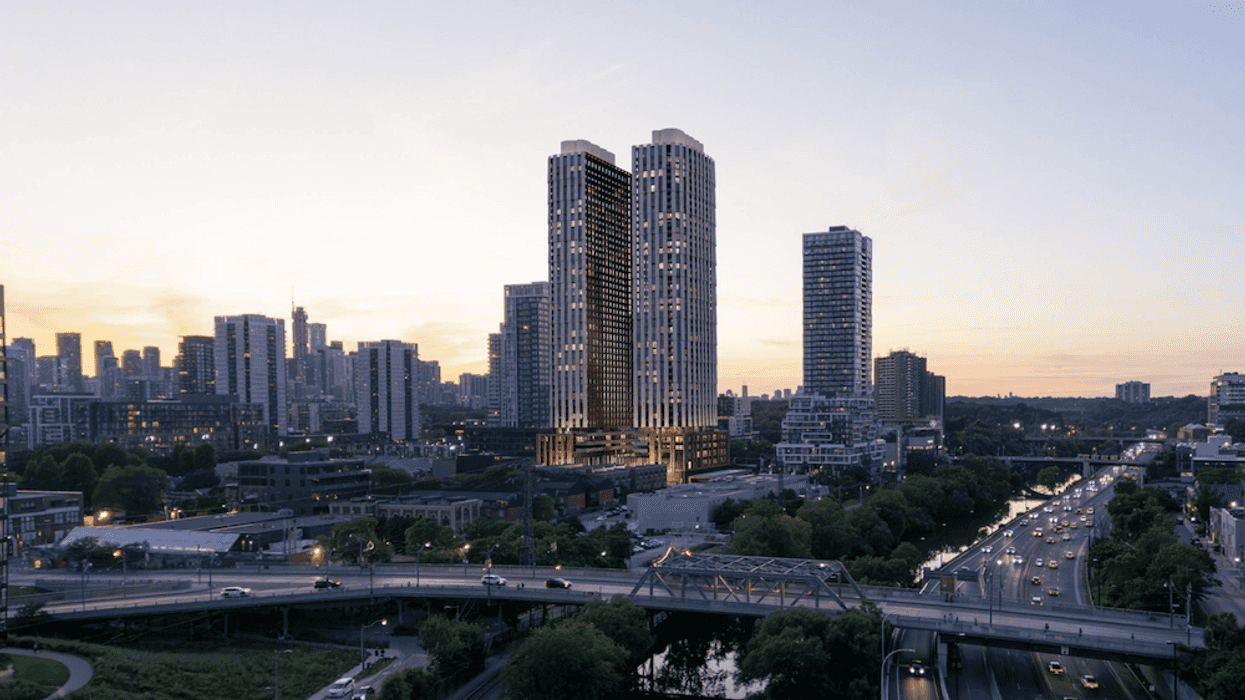
 Rendering of 86 and 100-108 Lombard St and 103 Richmond St E/WZMH Architects
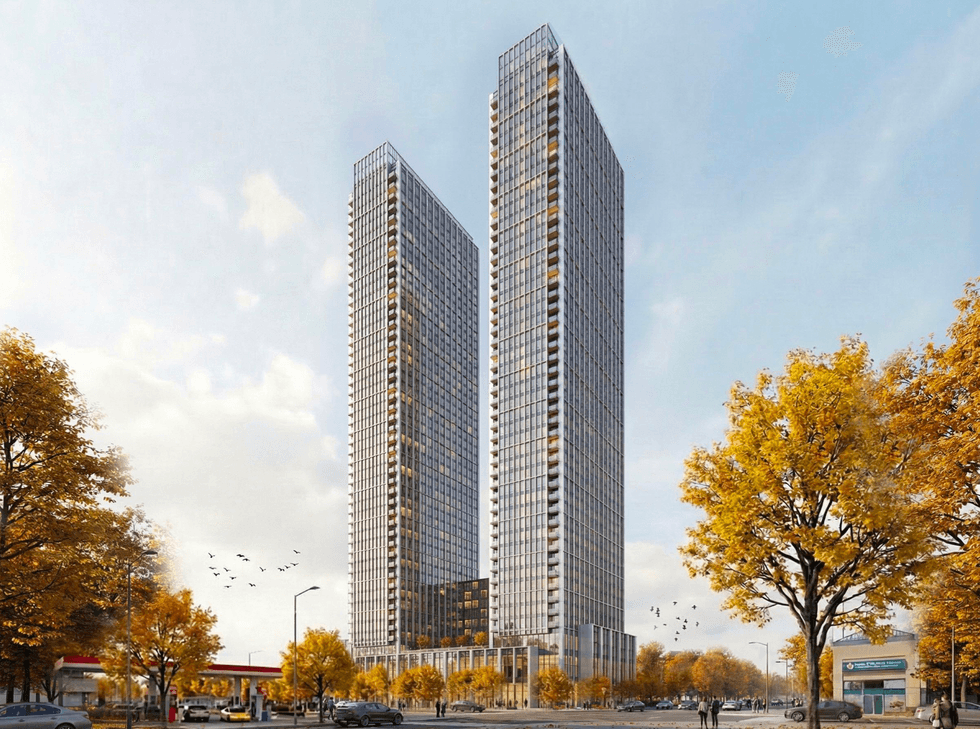 Rendering of 60 Overlea Blvd/Sweeny&Co Architects
 Rendering of 7 Labatt Ave and 77 River St/Giannone Petricone Associates
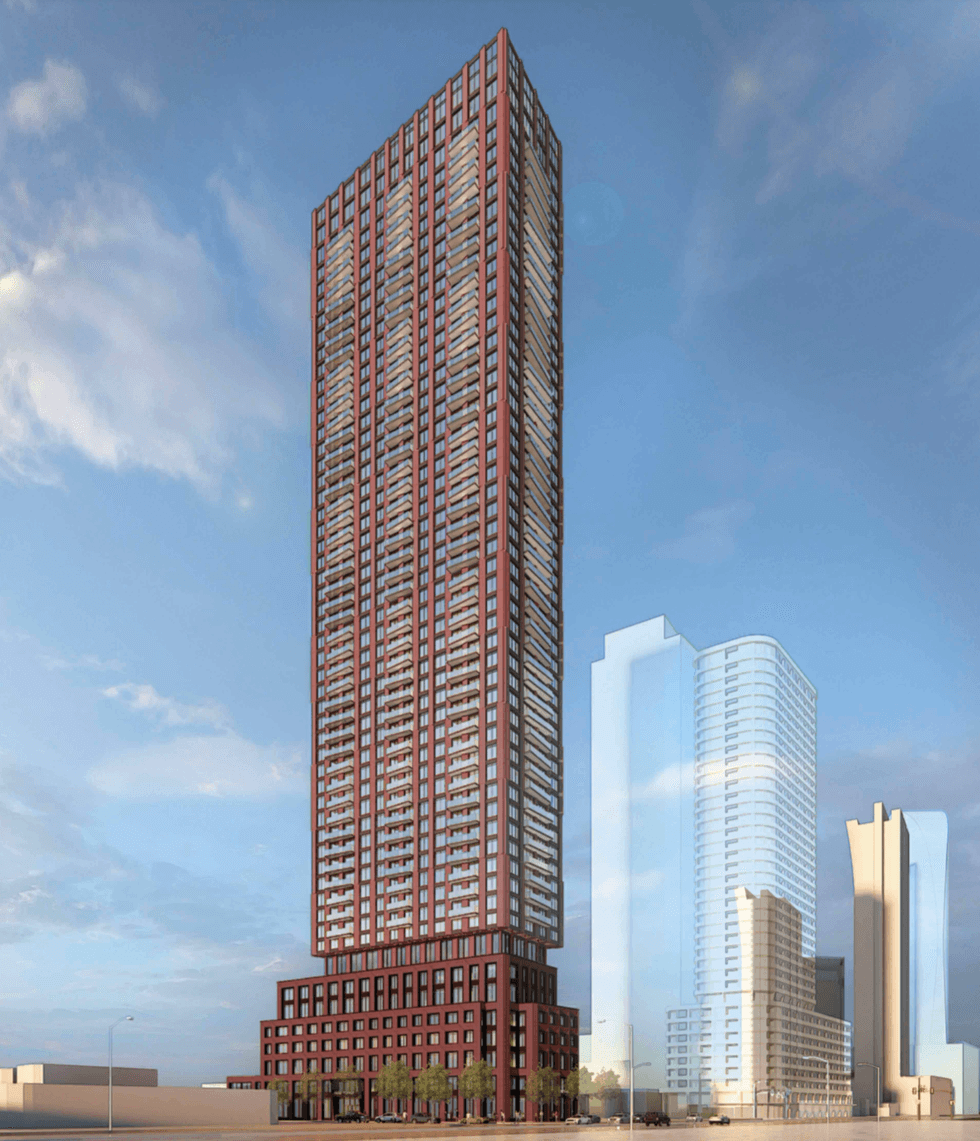 Rendering of 4632-4648 Yonge St and 16-18 Cameron Ave/Arcadis
 Rendering of 1234 Islington Ave/Sweeny&Co Architects

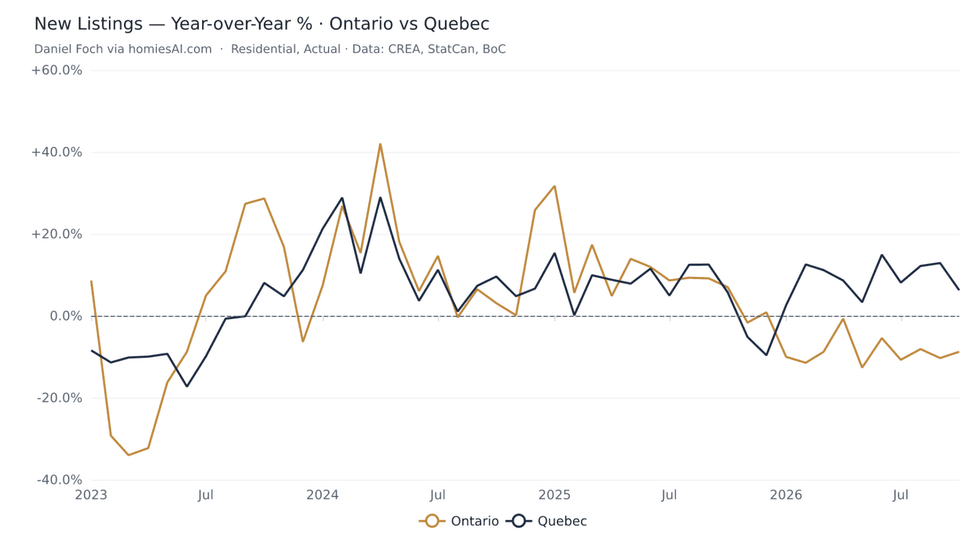 Chart: New listings, year-over-year %, Ontario vs Quebec. Daniel Foch via homiesai.com/stats. Data:
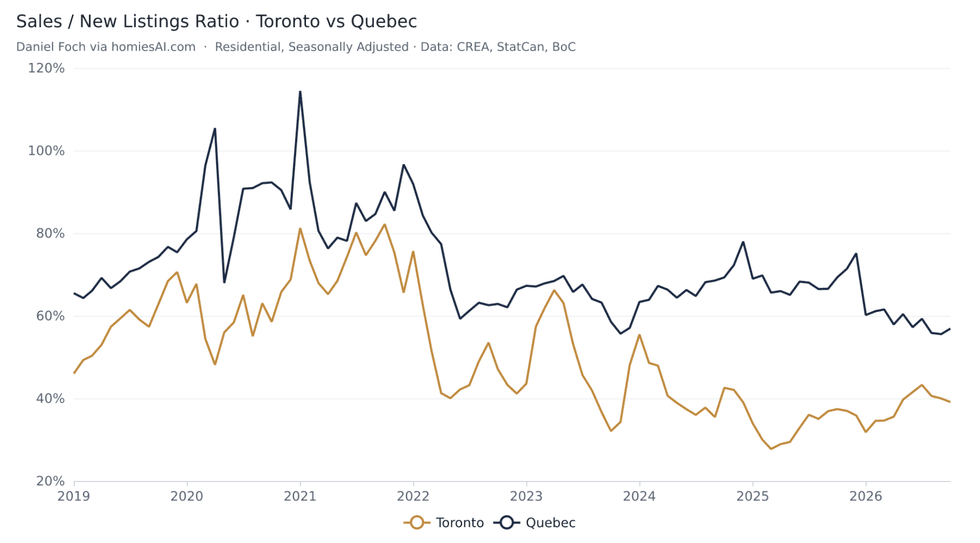 Chart: Sales-to-new-listings ratio, seasonally adjusted. Toronto vs Quebec. Daniel Foch via homiesai.com/stats. Data: CREA.
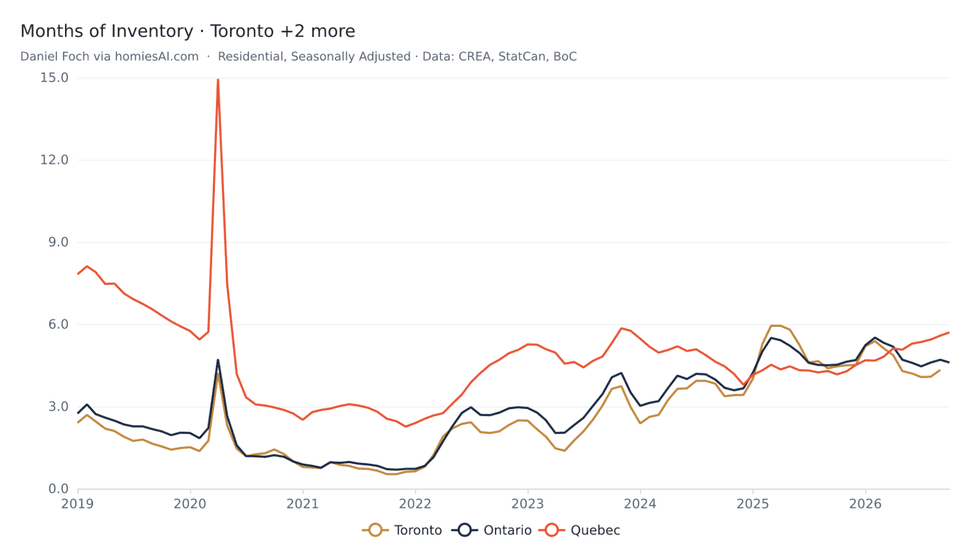 Chart: Months of inventory, seasonally adjusted. Daniel Foch via homiesai.com/stats. Data: CREA.
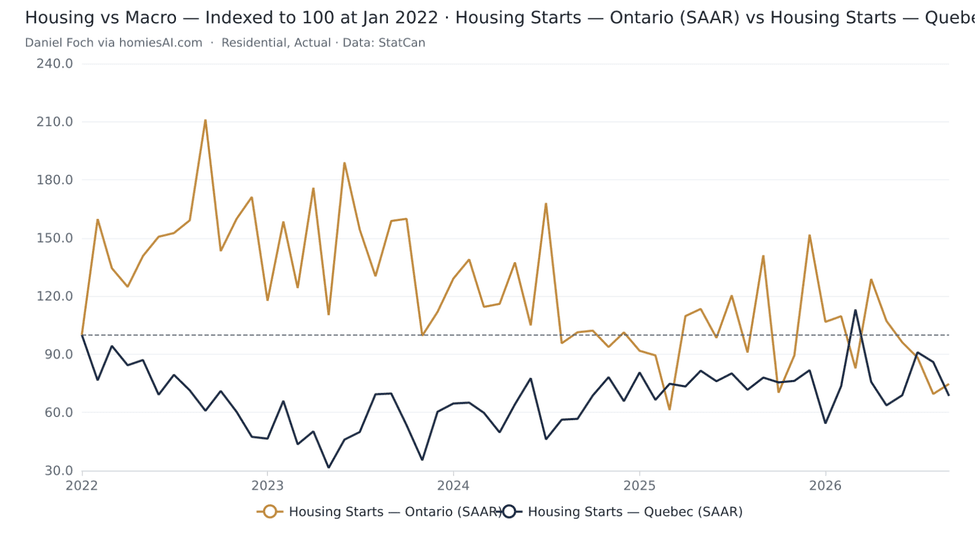 Chart: Housing starts, seasonally adjusted annual rate, Ontario vs Quebec, indexed to January 2022. Daniel Foch via homiesai.com/stats. Data: CMHC via Statistics Canada.
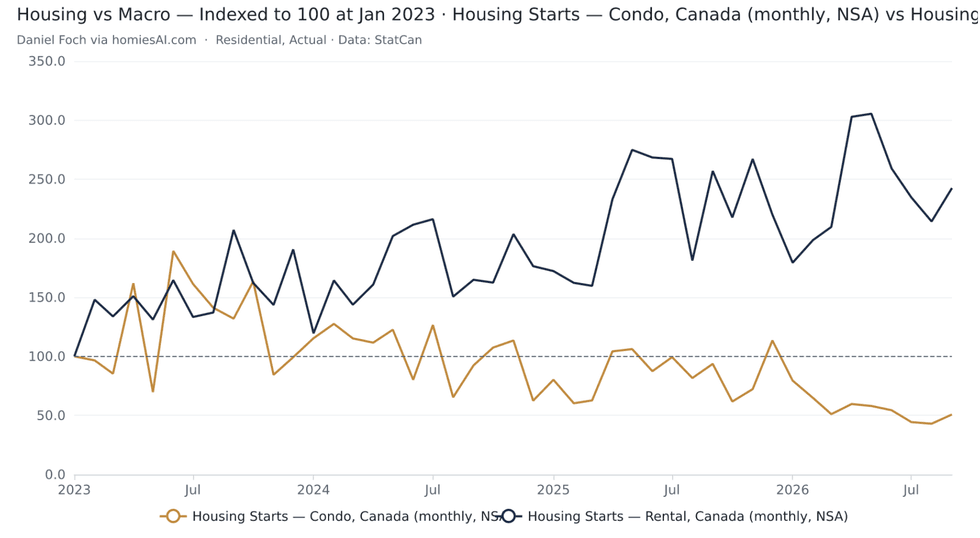 Chart: Condo vs rental housing starts, Canada, indexed to January 2023. Daniel Foch via homiesai.com/stats. Data: CMHC via Statistics Canada.
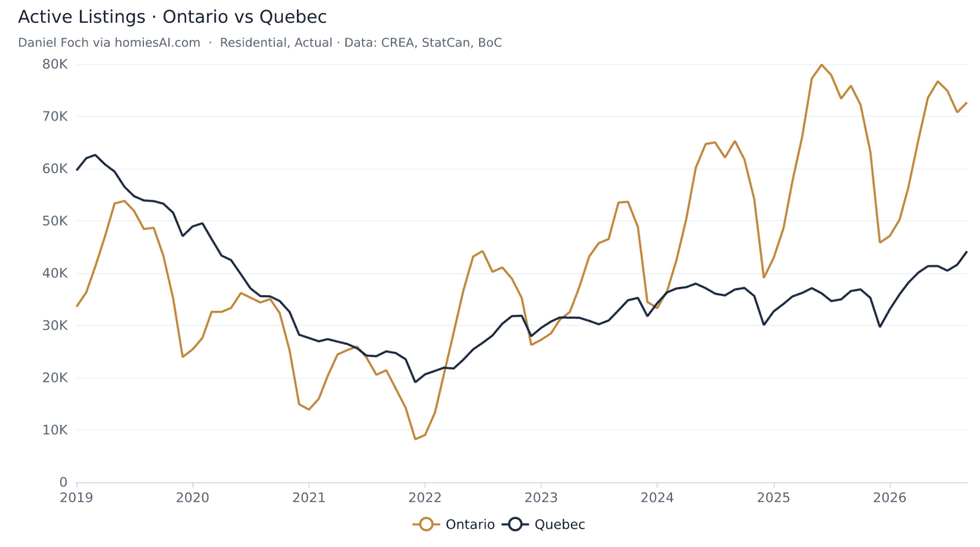 Chart: Active residential listings, Ontario vs Quebec. Daniel Foch via homiesai.com/stats. Data: CREA.

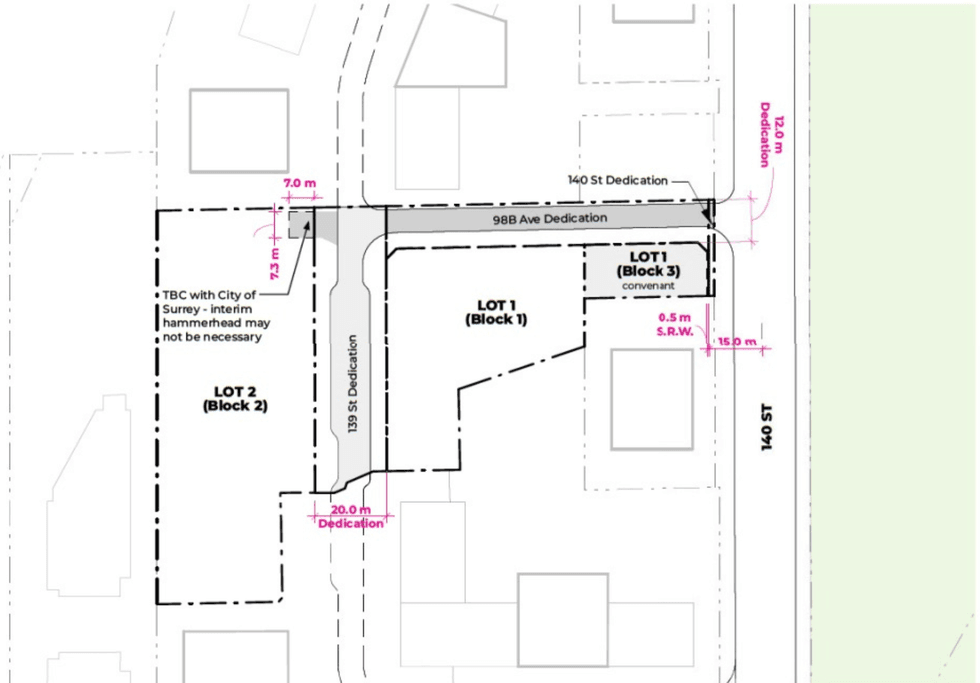 9883 140 Street and the proposed road dedications. (WW+P Architects, Entre Nous Femmes Housing Society)
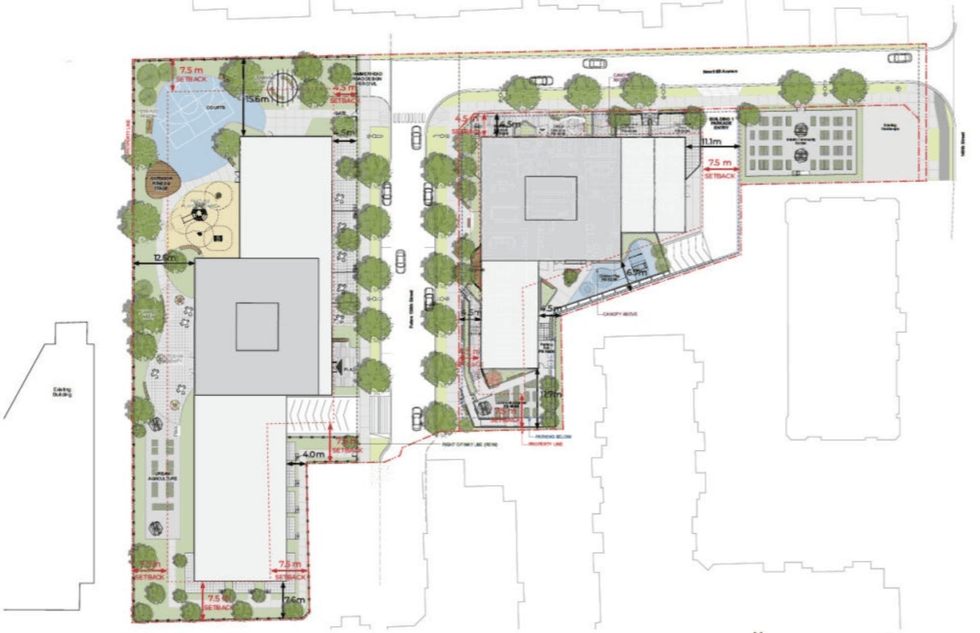 The
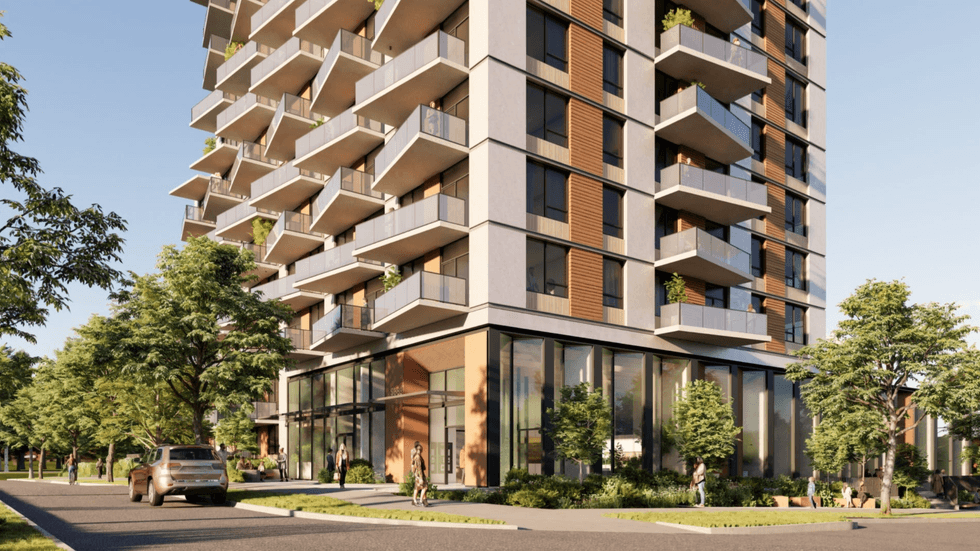 One of the towers proposed for 9883 140 Street. (Entres Nous Femmes Housing Society)

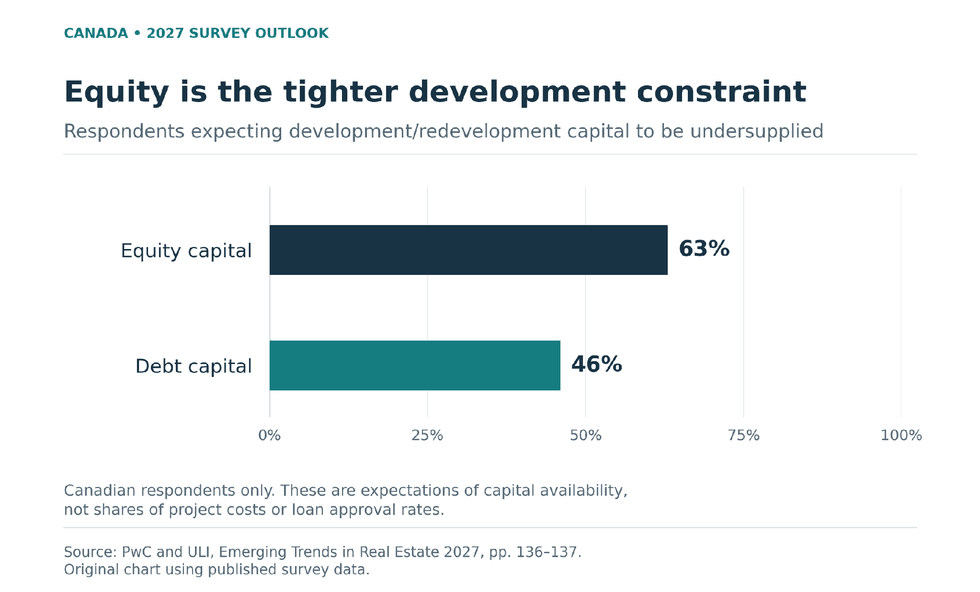 Canadian respondents were more likely to expect an undersupply of development/redevelopment equity capital (63%) than debt capital (46%) in 2027. These are survey expectations, not measured financing volumes. Source: PwC and ULI, Emerging Trends in Real Estate 2027, pp. 136–137. Original chart.
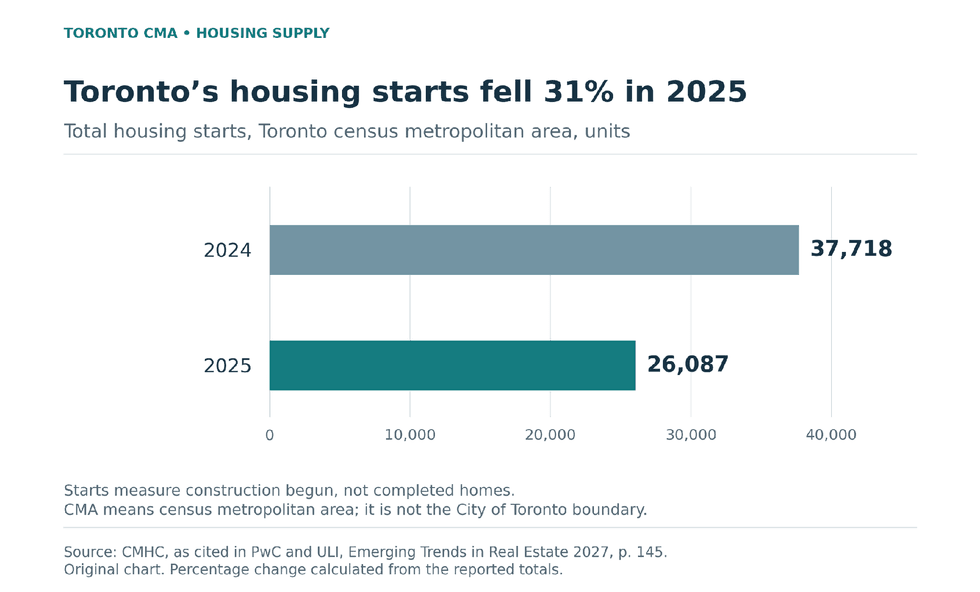 Toronto census metropolitan area housing starts fell from 37,718 units in 2024 to 26,087 in 2025, a 30.8% decline (rounded to 31%). Starts measure construction begun, not completed homes. Source: CMHC, as cited in PwC and ULI, Emerging Trends in Real Estate 2027, p. 145. Original chart.