Rental Displacement
Understand rental displacement in Canadian housing — what causes it, who it affects, and how cities manage its impact through planning and policy.

June 23, 2025
What is Rental Displacement?
Rental displacement refers to the forced or indirect removal of tenants from rental housing due to redevelopment, gentrification, significant rent increases, or property conversion.
Why Rental Displacement Matters in Real Estate
In Canadian real estate, rental displacement raises housing equity concerns and influences planning decisions in urban centres facing affordability crises.
Common causes include:
- Demolition or renovation of rental properties
- Evictions for owner occupation or redevelopment
- Rent increases after tenant turnover
- Condo conversions or repurposing of rental buildings
Displacement disproportionately affects low-income renters and may trigger municipal protections like rental replacement bylaws or tenant relocation programs.
Understanding rental displacement helps planners, developers, and policymakers prioritize balanced growth and housing stability.
Example of Rental Displacement in Action
Tenants in an aging rental building are given eviction notices after the property is sold to a developer planning luxury condos, causing rental displacement.
Key Takeaways
- Occurs when tenants are pushed out due to redevelopment
- Linked to gentrification and affordability pressures
- Can be direct (eviction) or indirect (pricing)
- Affects vulnerable and long-term renters
- Sometimes mitigated by municipal policies
Related Terms
- Gentrification
- Housing Affordability
- Eviction
- Rent Control
- Tenant Rights
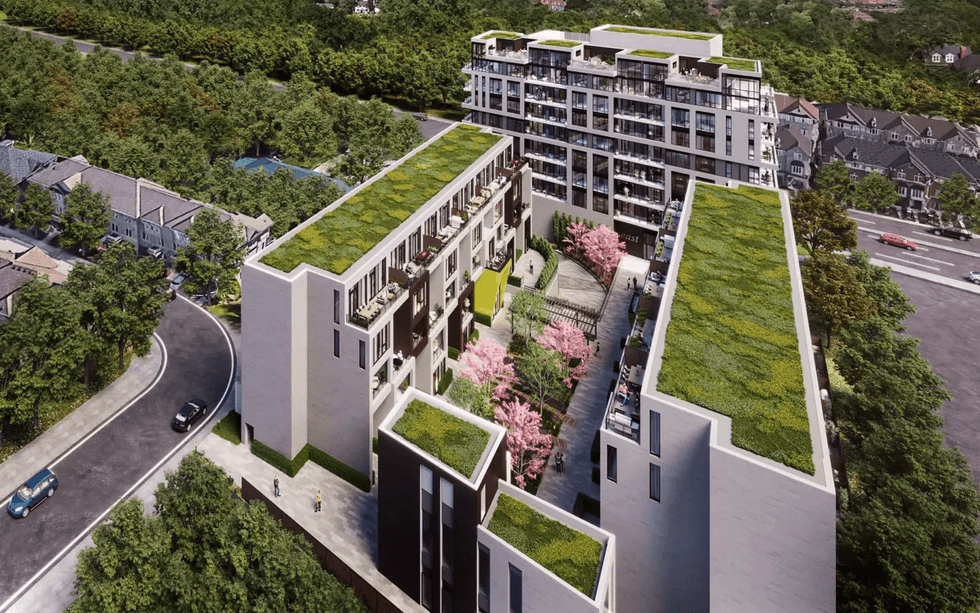 A rendering of the EverHome project. (The Sher Corporation)





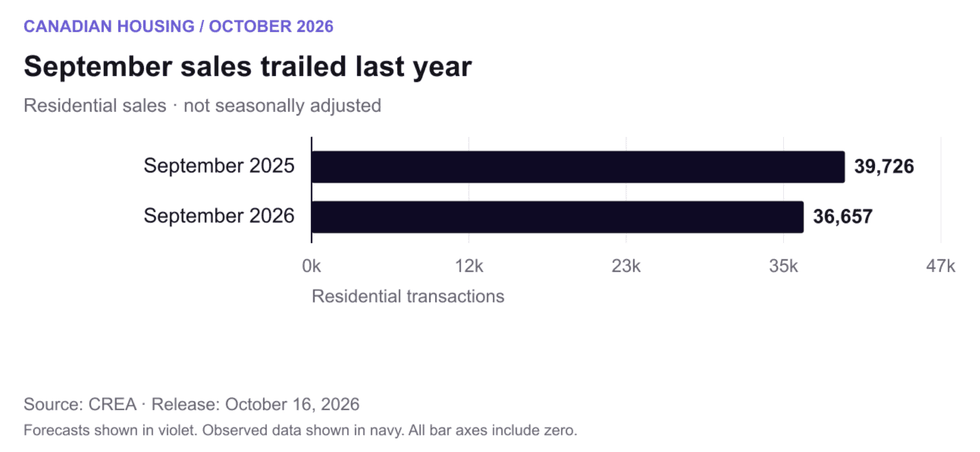 September residential sales, not seasonally adjusted; the annual comparison uses CREA’s revised figures. Chart:
 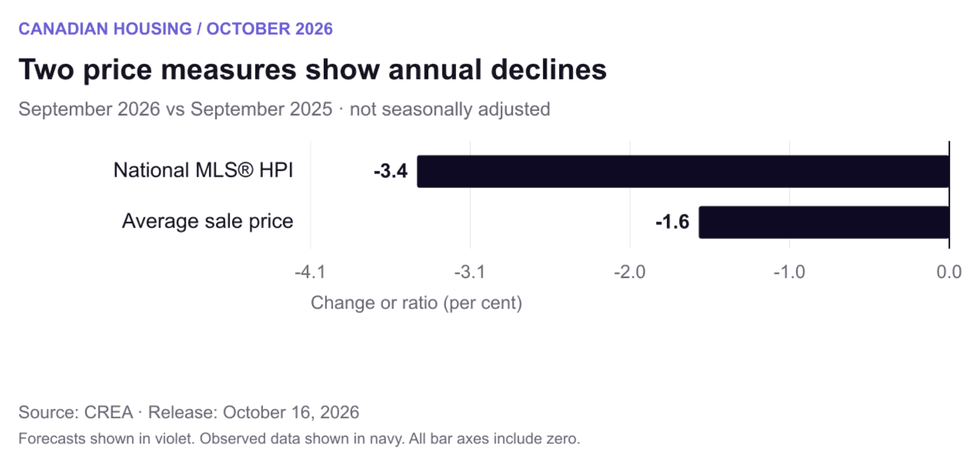 Annual changes in the unadjusted national MLS® HPI and average sale price. The average is affected by the mix of transactions. Chart:
 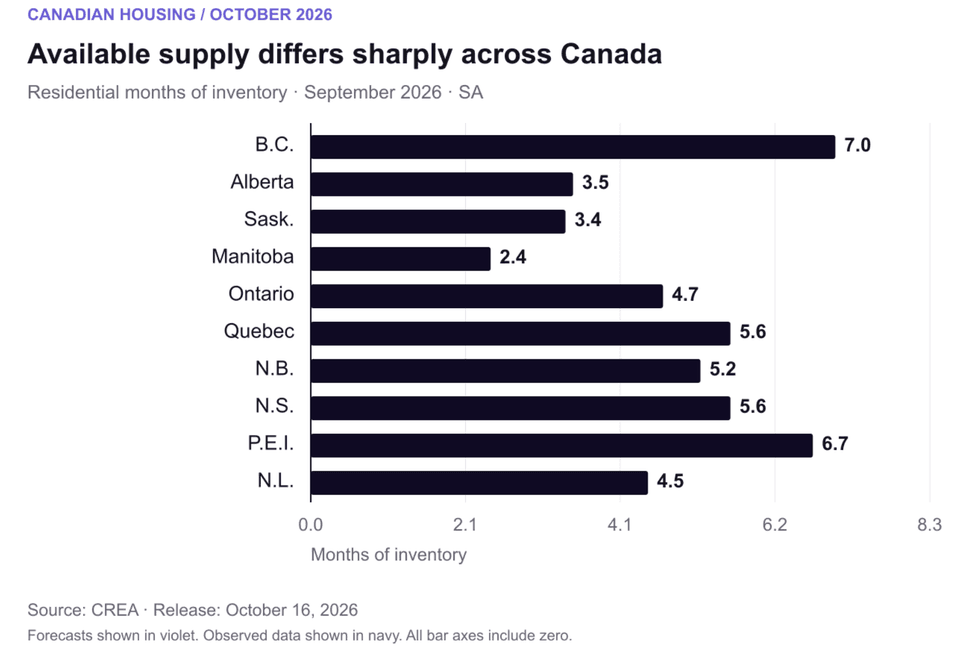 Seasonally adjusted residential months of inventory by province. Local property types can differ substantially. Chart:
 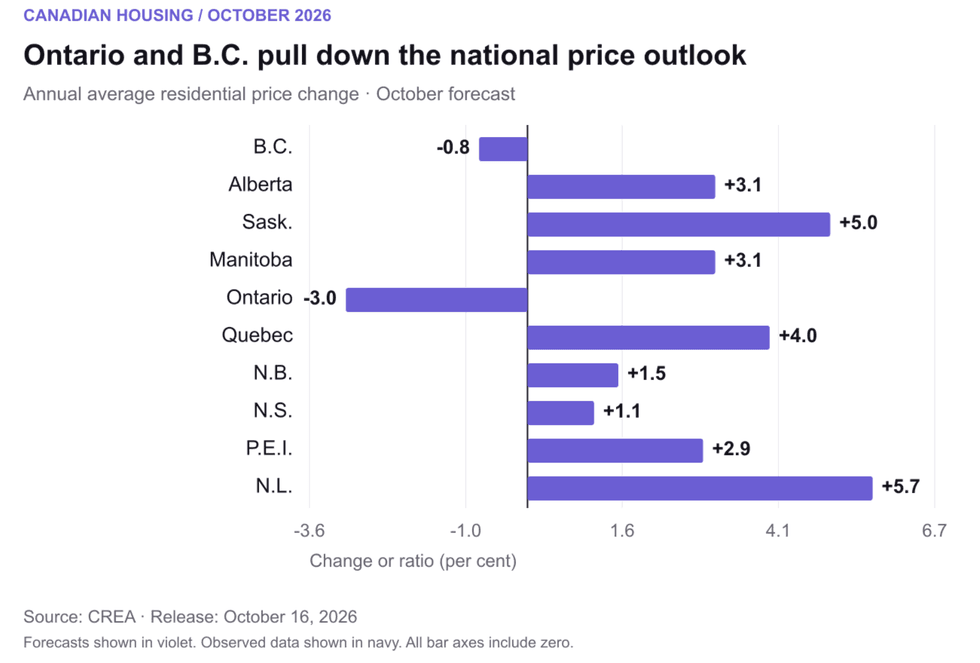 Ontario and B.C. are the two provinces with forecast annual average-price declines in 2026. Chart:
 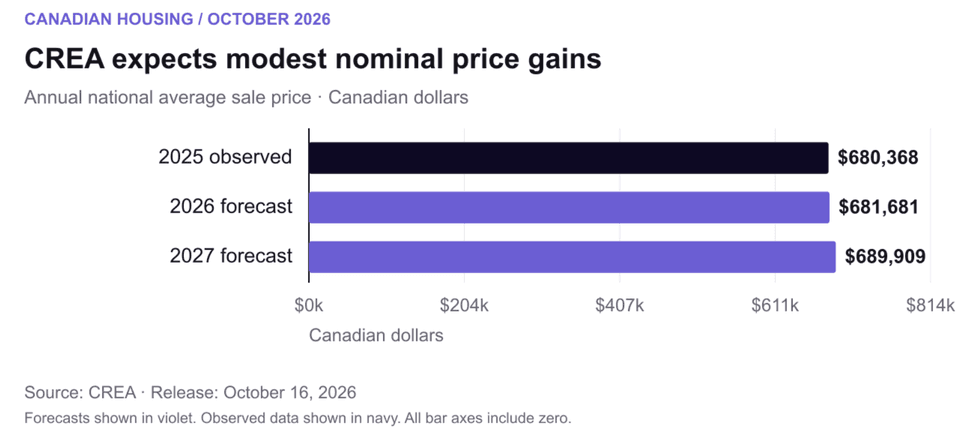 Annual average transaction prices in Canadian dollars. Forecast values are not December price targets. Chart:
 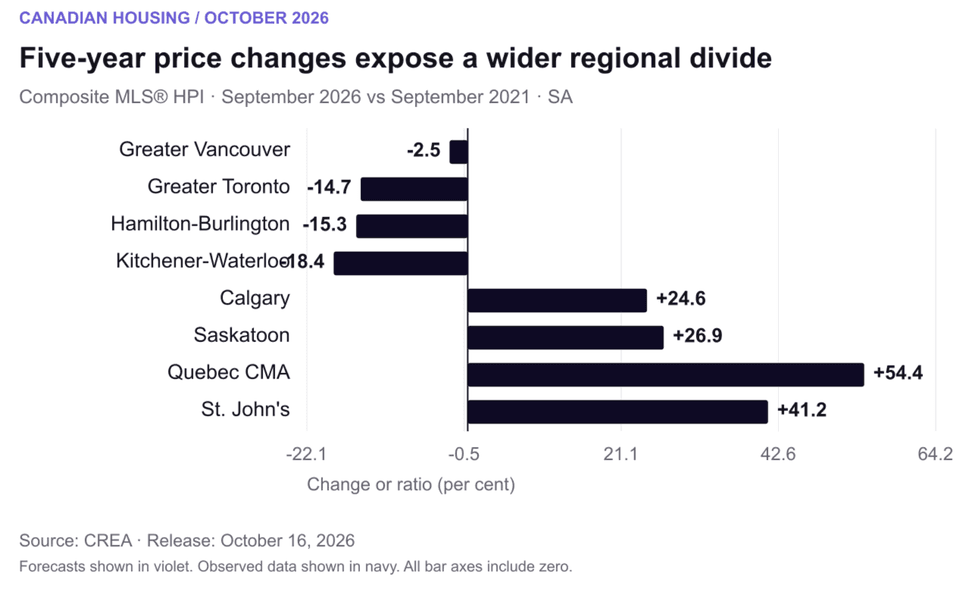 Five-year changes in seasonally adjusted composite MLS® HPI benchmarks, September 2021 to September 2026. Chart:
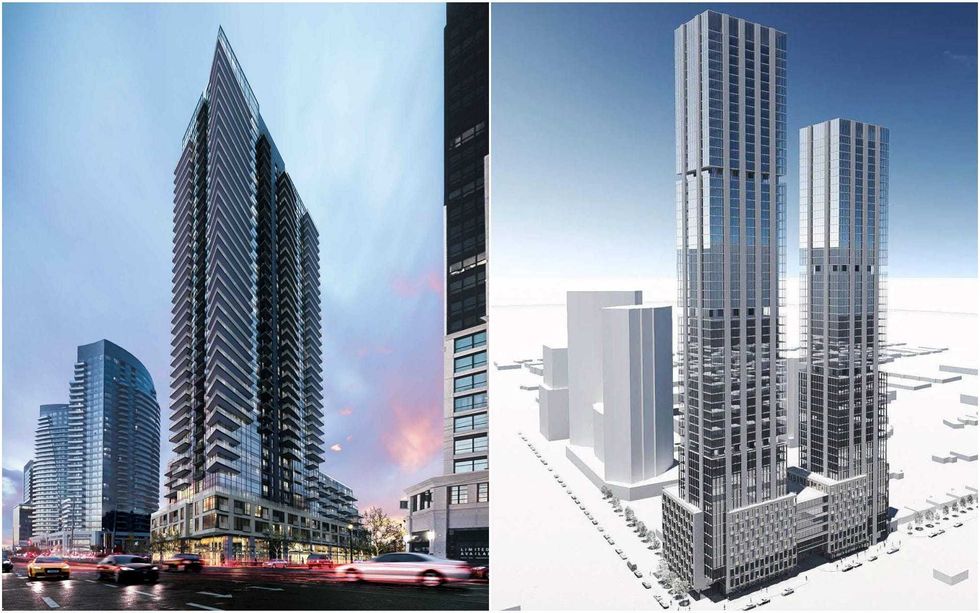 The original proposal (left) and current proposal (right) for 7115 Yonge Street and 8-14 Grandview Avenue in Markam. (Arcadis)